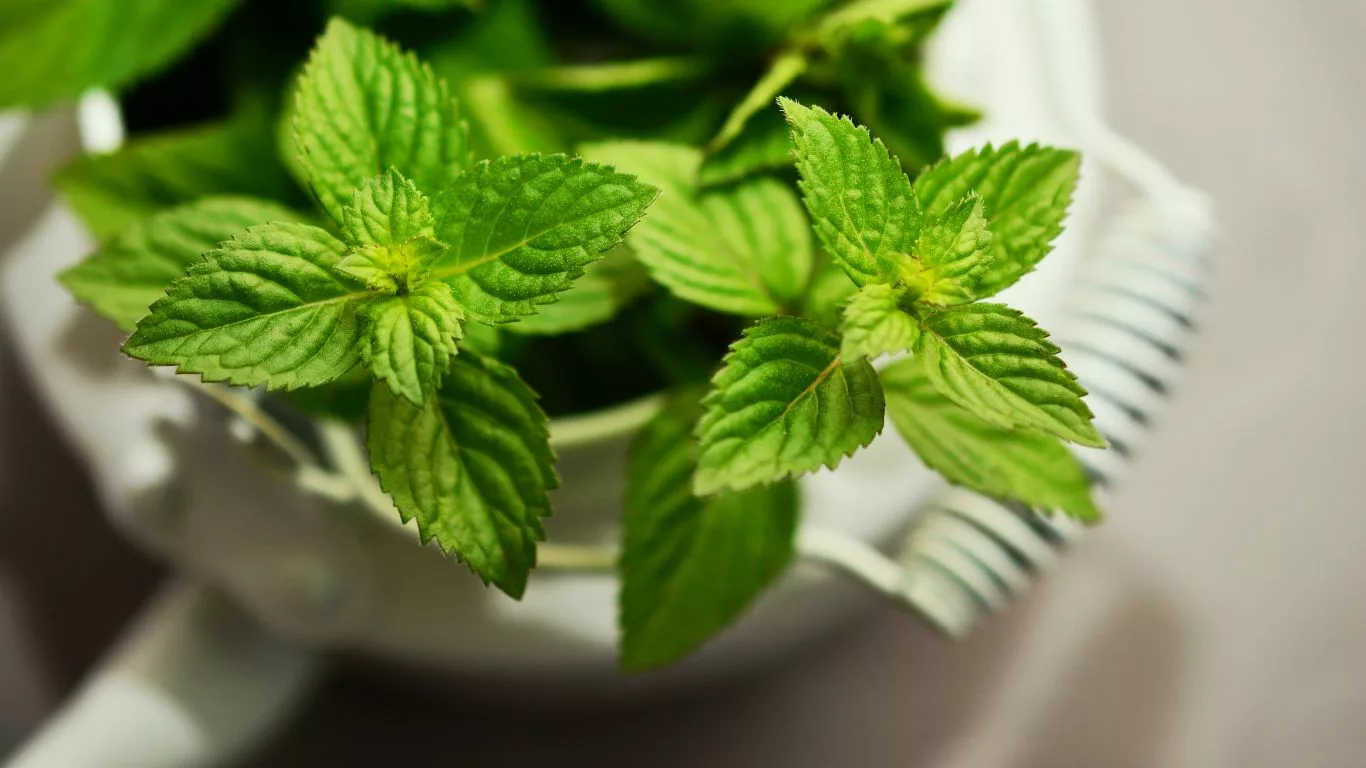
Can Peppermint Worsen Acid Reflux or Calm It? Find Out Now
Ever brewed a cup of peppermint tea hoping it would soothe your stomach, only to end up feeling worse? Yeah, I’ve been there. Peppermint is everywhere—candies, teas, oils, even toothpastes—and it’s often hailed as a digestive hero. But if you’ve got acid reflux or GERD, things aren’t always that simple. What seems like a calming solution might just be stirring up more heartburn than harmony. Let’s dive into what the science (and a bit of experience) really says about peppermint and reflux.
Potential Benefits of Peppermint for Digestion

Peppermint’s reputation as a natural digestive aid isn’t new—it dates back centuries. It’s packed with menthol, which has antispasmodic properties. In simpler terms, it helps relax the muscles of your digestive tract. If you’ve ever had irritable bowel syndrome (IBS), you might’ve been recommended peppermint oil capsules. They can relieve bloating, gas, and those uncomfortable cramps that feel like your stomach is doing gymnastics.
Personally, I’ve used peppermint oil during high-stress weeks when my gut felt completely out of sync. It’s amazing how it can calm the belly when used right. That cooling sensation isn’t just refreshing—it’s functional. According to Mayo Clinic, peppermint may help ease digestion by increasing bile flow, making it easier for food to pass through the stomach.
- Relieves bloating and gas
- Helps with IBS symptoms
- May reduce stomach spasms
But here’s the thing—just because it’s great for one issue doesn’t mean it’s great for all. That’s especially true if you’re dealing with acid reflux.
Evidence of Peppermint Worsening Acid Reflux

Here’s where peppermint becomes a little sneaky. While it may calm the stomach muscles, it also relaxes the lower esophageal sphincter (LES)—that tiny but mighty valve that keeps stomach acid from bubbling up into your esophagus. When peppermint relaxes the LES, it creates the perfect storm for heartburn.
I remember sipping peppermint tea after dinner thinking I was doing my digestion a favor, only to feel that familiar burn creep up my chest 20 minutes later. Turns out, I was unintentionally opening the gates for acid to rise. Peppermint might feel smooth going down, but for those with GERD, it can backfire in a big way.
According to a study published in the American Journal of Gastroenterology, peppermint was linked to increased symptoms of acid reflux in patients with GERD due to its effect on LES pressure. Another report from the National Institutes of Health echoed this, warning that peppermint oil can significantly lower LES tone, increasing the risk of reflux events.
So, what does peppermint actually do to the LES?
- It relaxes the sphincter, weakening its barrier function
- It delays gastric emptying in some individuals, which can worsen reflux
- It may reduce esophageal motility, meaning acid lingers longer where it shouldn’t
It’s a textbook case of “good for one thing, bad for another.”
Scientific Studies and Expert Opinions

Let’s talk facts. One of the most-cited papers on the topic—published in Digestive Diseases and Sciences—concluded that peppermint oil exacerbated heartburn in a significant percentage of participants. Gastroenterologists have taken note, too. Dr. Scott Gabbard from Cleveland Clinic has publicly advised GERD patients to steer clear of peppermint products, especially in concentrated oil form.
Even health guides from NHS UK and Johns Hopkins Medicine list peppermint among the top triggers for reflux flare-ups. It’s not just about anecdotes—it’s hard science backing the warnings.
If you’re someone who’s relying on peppermint for digestion but also battling reflux, it might be time to reconsider. You’re not alone in this—many people assume it’s universally helpful when it’s actually quite the opposite for certain conditions.
Practical Advice: When to Avoid or Use Peppermint

Here’s the real-world breakdown. Peppermint isn’t the enemy—it just needs the right context. If you’re prone to bloating or have IBS but no signs of reflux, go ahead and enjoy your peppermint tea or capsules (with your doc’s okay, of course). But if heartburn is your frequent companion, it’s probably best to steer clear.
Best times to avoid peppermint:
- Before bed (lying down + relaxed LES = acid disaster)
- After heavy or greasy meals
- During reflux flare-ups
- If you’re already on acid-suppressing meds—it may counteract their benefit
Some folks try switching to ginger tea, chamomile, or fennel for digestive support without triggering reflux. They’re gentler on the esophagus and don’t mess with the LES. I’ve found ginger tea to be a surprisingly powerful ally, especially when my stomach’s acting up post-dinner.
And if you’re hunting for a deeper dive into what foods might work better, check out this GERD-friendly diet plan that has honestly changed the way I think about eating.
FAQs: Clearing Up Common Peppermint and Reflux Confusion

Can I drink peppermint tea if I have GERD?
It’s best to avoid it. While it may ease gas or cramping, peppermint can relax the LES and worsen reflux symptoms.
What about peppermint gum?
Same deal. The menthol in peppermint gum can still relax the LES. If you want to chew something, try non-minty gum options instead.
Are peppermint capsules better than tea?
They’re more concentrated, which can make them even riskier for reflux sufferers. Use with caution and under medical guidance.
Is there a safe amount of peppermint I can have?
It depends. Small amounts in food might be tolerable for some people, but if you’re sensitive to reflux, even that can be a trigger.
If you’re struggling with recurring reflux, this deeper read on peppermint and acid reflux breaks down what you need to know even further.
GERD-Friendly Alternatives to Peppermint

So if peppermint’s off the table, what *can* you turn to when your gut’s grumbling? Good news—nature didn’t leave us hanging. There are several herbs and natural remedies that offer digestive support without sabotaging your lower esophageal sphincter (LES). I’ve personally tested a bunch of these during flare-ups, and they’ve become staples in my kitchen cabinet.
1. Ginger – The Reflux MVP
This root is the gold standard. It doesn’t just calm the stomach; it also speeds up gastric emptying and may reduce inflammation. Unlike peppermint, ginger strengthens the digestive tract rather than relaxing it too much. I usually sip on a mild ginger tea after a meal—it’s warm, soothing, and doesn’t punch back like peppermint sometimes does.
If you’re curious, there’s a great breakdown on this here: Ginger Tea for Acid Reflux.
2. Chamomile – The Gentle Calmer
Known more for helping with sleep, chamomile also soothes the gut lining and reduces stress-related digestive symptoms. Just avoid super-strong brews and don’t drink it right before lying down. It’s not a powerhouse, but it’s a gentle nudge in the right direction—especially when I’ve had a stressful day and my gut’s tight and tense.
3. Licorice Root (DGL) – Surprisingly Effective
DGL (deglycyrrhizinated licorice) is a form of licorice that doesn’t mess with your blood pressure. It’s been used to coat the stomach lining and protect against acid irritation. I was skeptical until I actually tried chewable tablets before meals—and the difference in post-meal comfort was real.
More details here: DGL Licorice for GERD.
4. Fennel – The Hidden Gem
Fennel is often overlooked, but it’s incredibly soothing for bloating, gas, and indigestion. I’ll chew on a few seeds after a meal, or steep them in hot water. It’s got this mild licorice taste that some people love (others, not so much). Either way, it doesn’t relax the LES, so it’s reflux-safe.
5. Slippery Elm – Mucilage Magic
This herb gets gooey when mixed with water—and that’s a good thing. The mucilage forms a protective coating on your esophagus and stomach, easing irritation from acid. I’ve used slippery elm lozenges before bedtime and actually noticed less throat burning.
Check out the details: Slippery Elm for Acid Reflux.
When Peppermint Might Be Safe (For Some)

Here’s where things get a little nuanced. Not everyone reacts to peppermint the same way. For those with occasional indigestion but no diagnosed GERD, the benefits of peppermint may outweigh the risks. A few people I know tolerate it just fine as long as they keep the doses small and avoid drinking it right before bed.
Here’s what I’ve learned from experience and talking with other reflux warriors:
- Stick to small doses: A single peppermint leaf in a salad isn’t the same as a strong cup of peppermint oil tea.
- Pair it with food: Using peppermint with a light meal (not on an empty stomach) may reduce LES relaxation.
- Avoid essential oils: These are super concentrated and more likely to trigger symptoms.
- Track your response: Everyone’s reflux triggers are different. What sets off one person may not affect another.
But if you’re regularly dealing with heartburn, it’s smarter to avoid peppermint and explore natural remedies that actually work without the reflux risk.
My Personal Peppermint Story

I’ll be honest—there was a time I used to swear by peppermint tea. It was my evening ritual, especially after big meals or late-night snacks. I loved the flavor, the aroma, the soothing vibe of it. But as my reflux got worse, I started noticing a pattern. I’d drink peppermint tea thinking I was helping myself… and end up clutching my chest an hour later.
After finally connecting the dots and doing a bit of research (and more trial and error than I’d like to admit), I made the switch. Ginger tea became my go-to. And while it wasn’t love at first sip, it grew on me—and most importantly, it didn’t trigger my symptoms.
I still miss peppermint now and then, especially in desserts or gum. But I’ve learned that comfort doesn’t always come from what feels good in the moment—it comes from what helps long-term. And for me, peppermint was a trap in disguise.
Since certain ingredients can trigger reflux symptoms, it’s helpful to choose condiments carefully. This guide to GERD-friendly sauces highlights alternatives that are less likely to cause irritation: https://healthusias.com/gerd-friendly-sauces-delicious-solutions-for-acid-reflux-sufferers/
Tips for Managing Reflux Without Giving Up Flavor

You don’t have to live on plain rice and bananas just because you have GERD. Trust me, I’ve figured out how to bring flavor back into meals without setting off the reflux alarm.
- Use reflux-safe herbs like basil, parsley, thyme, and oregano instead of peppermint or mint.
- Try low-acid sauces that still taste great—this guide is a lifesaver: GERD-Friendly Sauces.
- Cook with ginger or turmeric for an anti-inflammatory boost without the acid.
- Balance meals with healthy fats like avocado (in moderation) instead of spicy or minty ingredients.
And if you’re not sure where to begin with a reflux-safe diet, there’s a comprehensive breakdown in this GERD diet plan. It helped me reimagine my meals—no more boring, bland plates, just smarter swaps that don’t sacrifice taste.
Real-World Experiences with Peppermint and Acid Reflux

When I first joined an online GERD support group, I was surprised by how many folks had similar peppermint mishaps. One woman shared that she used peppermint oil capsules for years to ease bloating—until she realized they were making her reflux worse. Another guy swore off peppermint completely after a weekend camping trip with nonstop peppermint tea and sleeping flat on an air mattress. Recipe for disaster.
One thing became clear fast: even something as “natural” as peppermint isn’t always harmless. The more stories I read, the more confident I felt about stepping back from peppermint products in my own routine. There’s something comforting about knowing it’s not just you—it’s a pattern backed by both experience and science.
That said, a few people do still manage to use peppermint strategically—like in very low amounts or only during non-reflux periods. But for those of us battling chronic GERD, the risks often outweigh the cool, minty reward.
Helpful Lifestyle Adjustments to Reduce Triggers

Let’s be honest—avoiding peppermint is just one small piece of the GERD puzzle. The big wins happen when you zoom out and look at the full picture. I’ve learned (often the hard way) that acid reflux is as much about daily habits as it is about specific foods.
Here’s what’s made a serious difference for me and others:
- Elevating the head of your bed – Seriously, it works. I used to wake up choking on acid. A wedge pillow or bed risers can change the game.
- Eating smaller portions – Overeating is a massive trigger. I’ve trained myself to stop at “content” rather than “full.”
- No lying down for at least 2-3 hours after meals – Yep, no more Netflix marathons on the couch right after dinner.
- Limiting late-night snacks – This one was tough (midnight cereal, I miss you), but my sleep and throat both thank me.
These habits, combined with the right diet swaps, helped me feel human again. If you’re struggling with frequent flare-ups, I highly recommend checking out this deep dive into GERD lifestyle changes that actually work.
Safe Ways to Freshen Breath Without Peppermint

Let’s be real—peppermint gum and mints are in half of our purses and glove compartments for a reason. But when you have GERD, breath freshening needs a safer approach.
Here’s what I’ve been using instead:
- Non-minty gum – Brands now offer flavors like cinnamon or fruity varieties that don’t contain menthol. Chewing gum actually promotes saliva, which helps neutralize acid.
- Green tea mouthwash – It sounds weird, but green tea has natural antibacterial properties and is gentle on the stomach.
- Oil pulling – Swishing coconut oil in the morning actually works, especially for dry mouth and lingering reflux breath.
You can read more tips like these in the guide on non-minty gum for GERD relief. It’s full of ideas I honestly hadn’t considered until recently.
Still Not Sure? Talk to a Doctor

If peppermint’s effect on your reflux is still unclear, the best thing you can do is get a little guidance. A gastroenterologist can help you pinpoint your unique triggers—because let’s face it, GERD isn’t one-size-fits-all.
Testing like pH monitoring or endoscopy can also give you a better sense of how serious your reflux is and what to avoid. I wish I had consulted sooner—it would’ve saved me months of guesswork and unnecessary discomfort. And if you’re still reaching for peppermint thinking it’s helping, that clarity could be a game-changer.
In the meantime, there’s a detailed look at all reflux stages and what they mean in this article: Understanding the 4 Stages of GERD. It’s worth bookmarking.
Common Peppermint Questions – Answered

Does peppermint help digestion?
Yes—for some people. It relaxes the muscles in the digestive tract, which can ease bloating and cramps. But if you have GERD, it can trigger symptoms by relaxing the LES.
Why is peppermint bad for reflux?
It lowers LES pressure, letting acid escape from the stomach into the esophagus. That’s why it’s best avoided if you have chronic heartburn or reflux symptoms.
What can I use instead of peppermint?
Ginger, fennel, chamomile, and DGL licorice are all great alternatives that soothe the stomach without worsening reflux.
Can peppermint ever be used safely with GERD?
In small, occasional amounts and with food—maybe. But it’s usually not worth the risk unless you know for sure it doesn’t affect you.
How do I know if peppermint is causing my symptoms?
Try eliminating it completely for 2–3 weeks and track your symptoms. If they improve, peppermint might be a trigger.
Still unsure? This article covers everything in detail: Can Peppermint Worsen Acid Reflux?

Camellia Wulansari is a dedicated Medical Assistant at a local clinic and a passionate health writer at Healthusias.com. With years of hands-on experience in patient care and a deep interest in preventive medicine, she bridges the gap between clinical knowledge and accessible health information. Camellia specializes in writing about digestive health, chronic conditions like GERD and hypertension, respiratory issues, and autoimmune diseases, aiming to empower readers with practical, easy-to-understand insights. When she’s not assisting patients or writing, you’ll find her enjoying quiet mornings with coffee and a medical journal in hand—or jamming to her favorite metal band, Lamb of God.