Early Signs Of Relationship Anxiety That Quietly Sabotage Love
If you’ve ever found yourself obsessing over whether your partner truly loves you, overanalyzing texts, or needing constant reassurance, you’re not alone. I’ve been there—refreshing my messages, feeling my stomach twist when there’s a delay, and wondering if silence means something’s wrong. It’s not just nerves or being overly sensitive; these could be early signs of relationship anxiety. And trust me, this kind of anxiety can quietly hijack what could otherwise be a happy, healthy relationship.
Understanding Relationship Anxiety: What It Really Feels Like
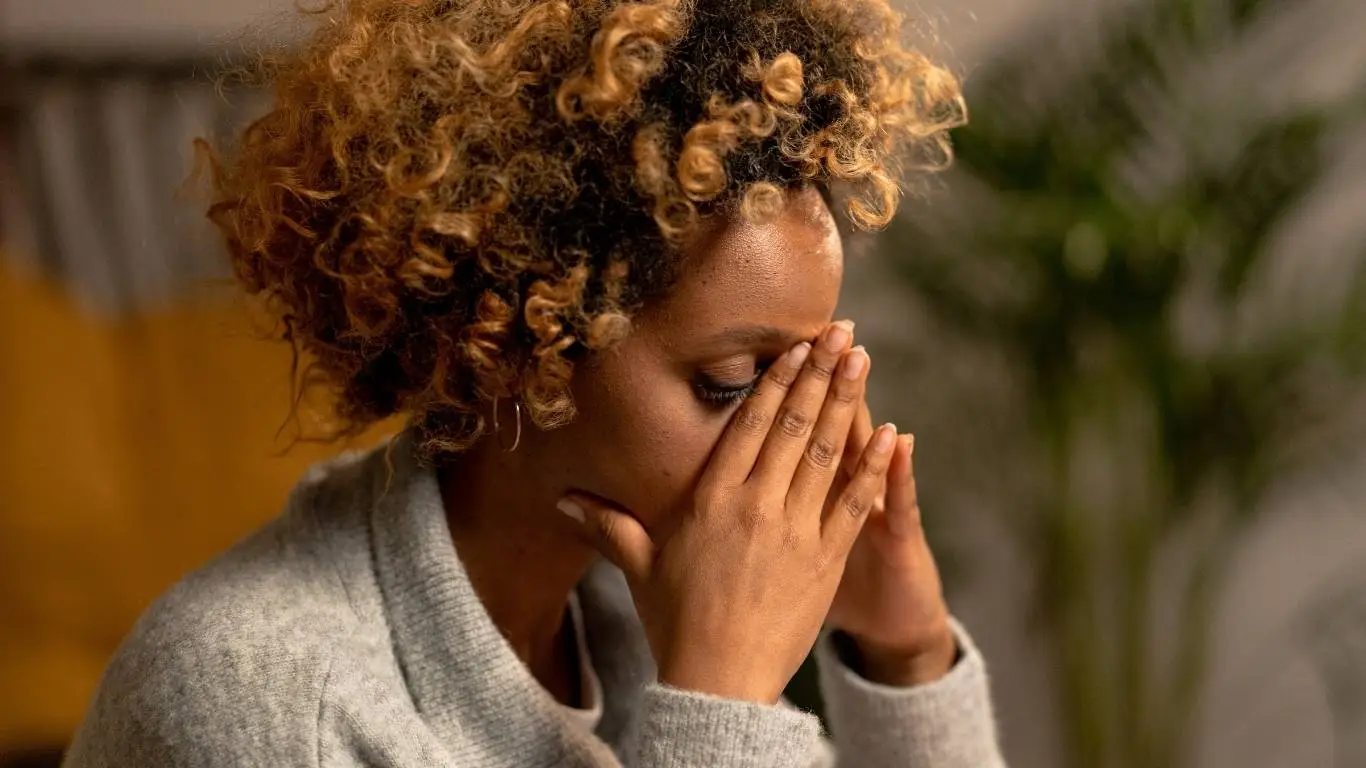
Relationship anxiety isn’t just about insecurity or jealousy—it’s a persistent fear that the connection might crumble. It’s the nagging voice whispering “what if?” when everything seems fine. It can start as subtle doubts and spiral into emotional chaos, especially early in the relationship when things are supposed to feel exciting and new.
Common Early Signs You Might Miss
- Overanalyzing your partner’s tone, words, or social media activity
- Feeling uneasy when they don’t text back right away
- Constantly worrying if you’re “too much” or “not enough”
- Assuming the worst when they need space or time alone
- Needing ongoing validation to feel secure
When I first started dating my partner, I couldn’t relax into the relationship. Every time I’d hear “I’m busy,” my brain translated it to “I’m losing interest.” Looking back, it wasn’t the relationship causing that—it was my anxiety speaking louder than reality.
Why Relationship Anxiety Hits Hard in the Early Stage
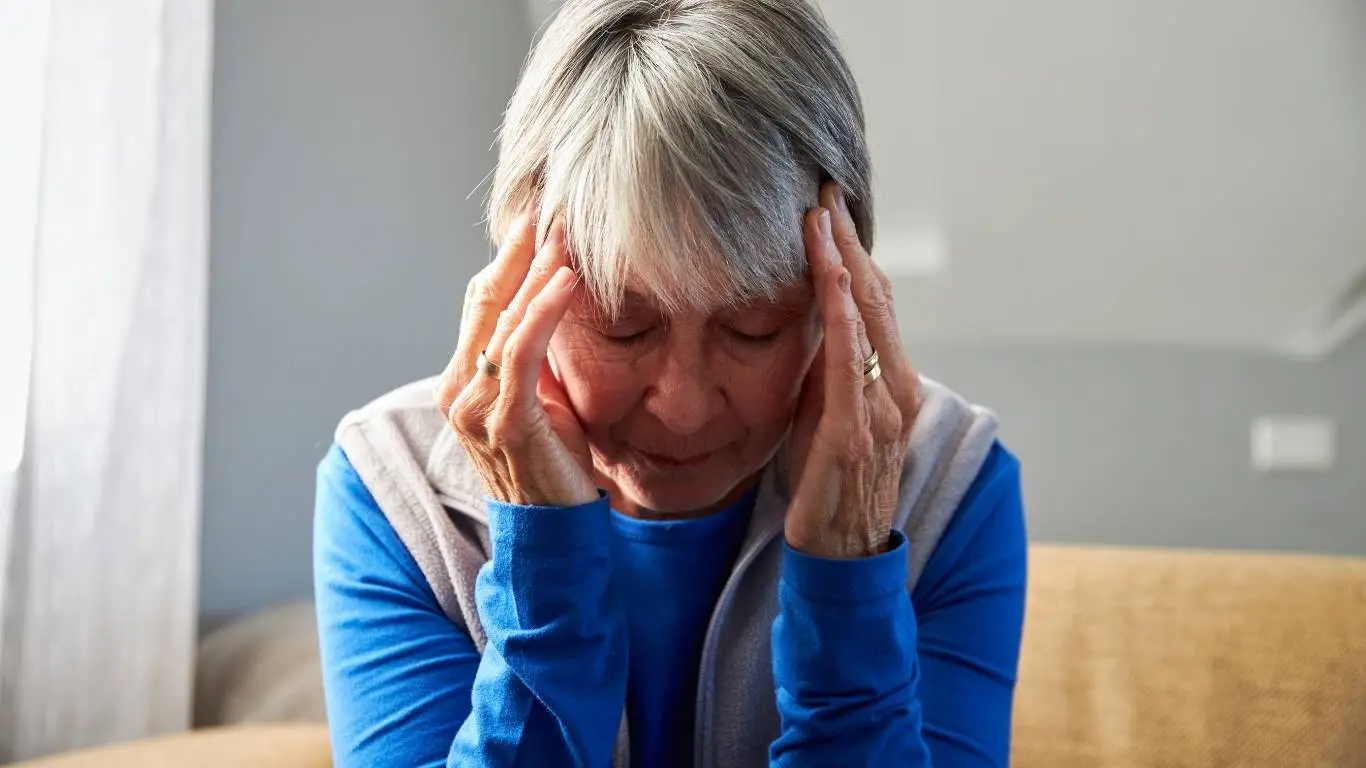
The early phase of a relationship is all about discovery. But for those of us with relationship anxiety, it can feel like walking a tightrope—one misstep and everything crashes. This fear doesn’t necessarily come from anything your partner is doing wrong. Often, it’s rooted in past trauma, fear of abandonment, or low self-worth.
According to the National Institutes of Health, attachment insecurity is one of the strongest predictors of relationship anxiety. That early vulnerability—where both people are testing the waters—can feel downright terrifying when your mind keeps looking for exit signs even before you’ve fully walked in the door.
What Triggers It?
Some common triggers include:
- Ambiguous communication (“I’ll text you later”)
- Mixed signals or fluctuating levels of affection
- Previous relationship betrayals or abandonment
- Unresolved childhood experiences of emotional neglect
- Low self-esteem or internalized negative beliefs
It’s worth exploring how childhood trauma and anxiety can influence how we show up in romantic relationships. If love was unpredictable or conditional growing up, your nervous system might automatically brace for heartbreak, even when you’re finally in a safe situation.
How Relationship Anxiety Affects the Relationship Itself
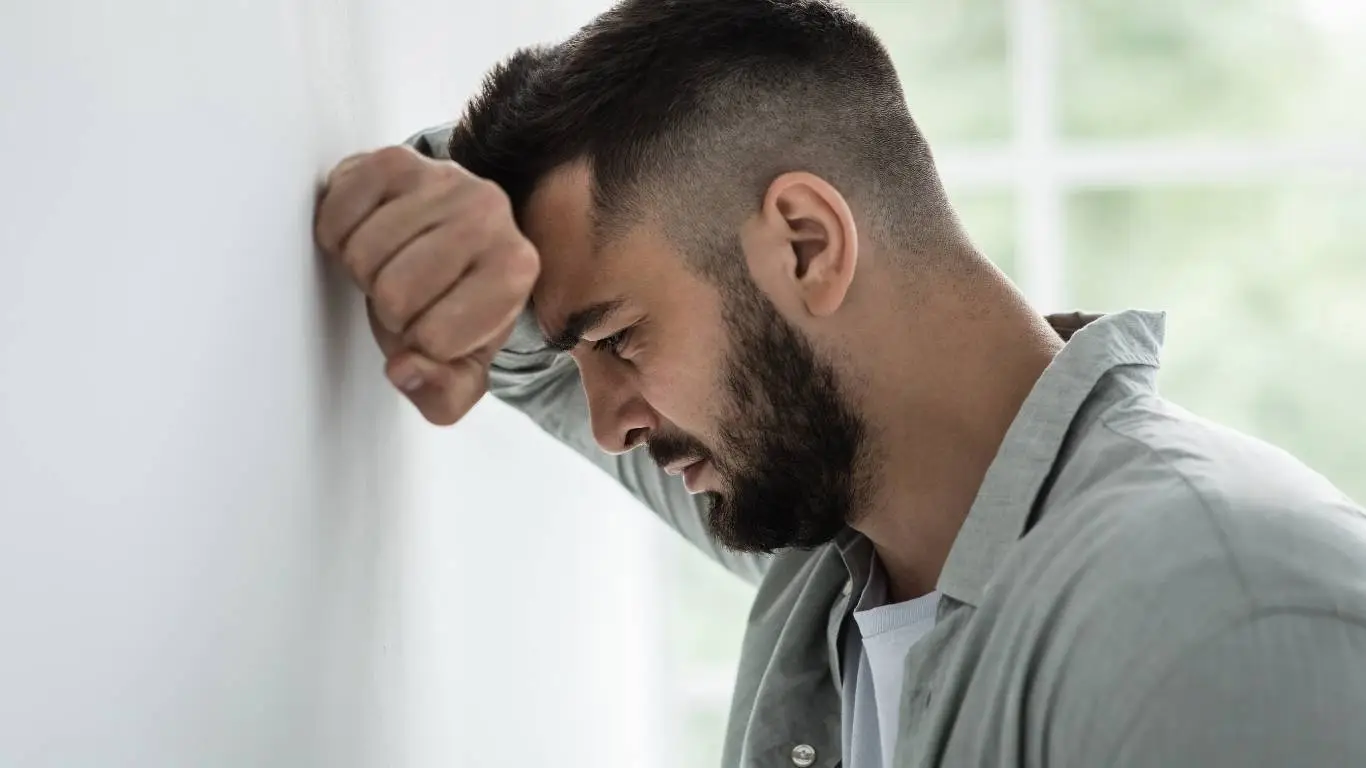
When you’re experiencing relationship anxiety, it can manifest in ways that quietly sabotage intimacy. I used to unintentionally push my partner away while simultaneously clinging tighter—yeah, confusing for both of us. That’s the paradox of relationship anxiety: wanting closeness but fearing it at the same time.
Emotional Roller Coaster
Relationship anxiety often creates a cycle that feels like this:
- Fear or doubt creeps in (they’re not texting back)
- Reassurance-seeking follows (you ask if everything’s okay… again)
- Your partner pulls back slightly (feeling overwhelmed)
- More anxiety arises, feeding the cycle
It’s exhausting. For both people. According to Psychology Today, one of the reasons relationship anxiety is so tough to deal with is because it often hides behind seemingly reasonable behaviors—like “just checking in” or “wanting to be close.”
Can Anxiety Make You Miss a Good Thing?
Absolutely. Anxiety has a way of distorting reality. I nearly talked myself out of a great relationship because I was sure I was “too anxious” to be loved. But anxiety isn’t a character flaw. It’s a signal that your nervous system needs support—not that your relationship is doomed.
Resources like the impact of anxiety in relationships and therapy options can help you reframe these fears. And let’s be real—sometimes talking to a professional is the best gift you can give yourself and your partner.
When Relationship Anxiety Becomes a Pattern
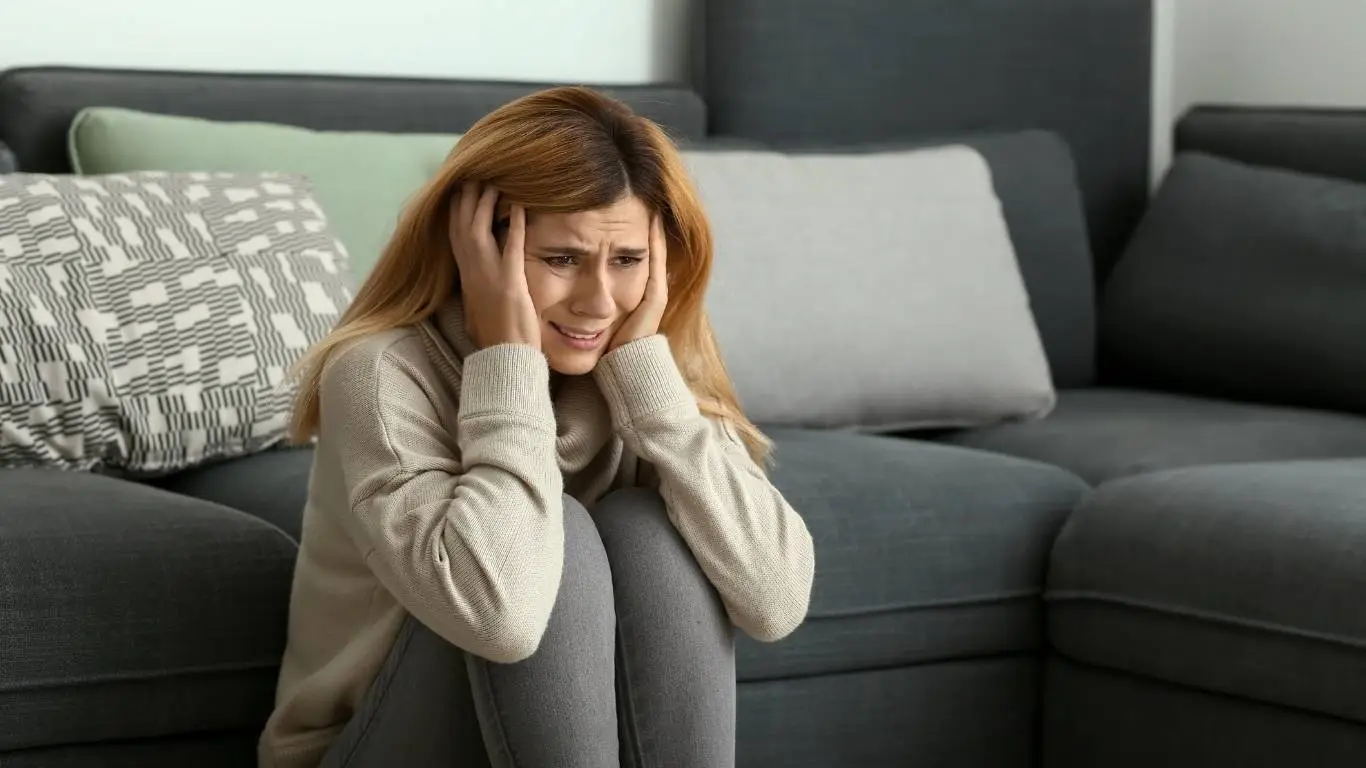
If this sounds like every relationship you’ve ever had, it might be time to step back and look at the bigger picture. Chronic anxiety in relationships can point to deeper anxiety disorders or unhealed emotional wounds. This is especially true if the anxiety is also affecting other areas of life, like work or health.
Articles like how anxiety quietly controls daily life and diagnosis and assessment of anxiety disorders offer deeper insights if you suspect there’s more going on than just relationship stress.
How It Shows Up Repeatedly
- Repeatedly attracting emotionally unavailable partners
- Sabotaging potential relationships before they get serious
- Feeling more relieved than sad after a breakup
- Overthinking everything—before, during, and after each date
For me, it took recognizing that my anxiety wasn’t always reacting to the present—it was reacting to my past. Once I realized that, things started to shift. Slowly, but genuinely.
Managing Relationship Anxiety Before It Manages You

Here’s the truth: relationship anxiety doesn’t magically disappear. But it *can* be managed in ways that make love feel safe, grounded, and even enjoyable. The key is not to fight the anxiety—but to understand it, work with it, and build habits that create emotional safety.
Start With Self-Awareness
When I finally admitted to myself that my anxiety wasn’t about my partner but about my fear of losing love, everything shifted. Self-awareness doesn’t fix everything—but it helps you catch those anxious spirals *before* they take over.
Ask yourself:
- Is this thought based on evidence, or fear?
- Am I reacting to the present or projecting the past?
- What would I say to a friend feeling this exact fear?
These internal check-ins became a daily habit for me. And over time, they helped me move from panicking to pausing—and that space made all the difference.
Try Journaling, Even If You’re Skeptical
It’s not just a buzzword. Journaling has been shown to help process emotions and reveal patterns you might not even realize you’re stuck in. It helped me see that my anxiety flared when I wasn’t taking care of myself—not necessarily when something was “off” in the relationship.
Healthy Communication That Calms, Not Clashes
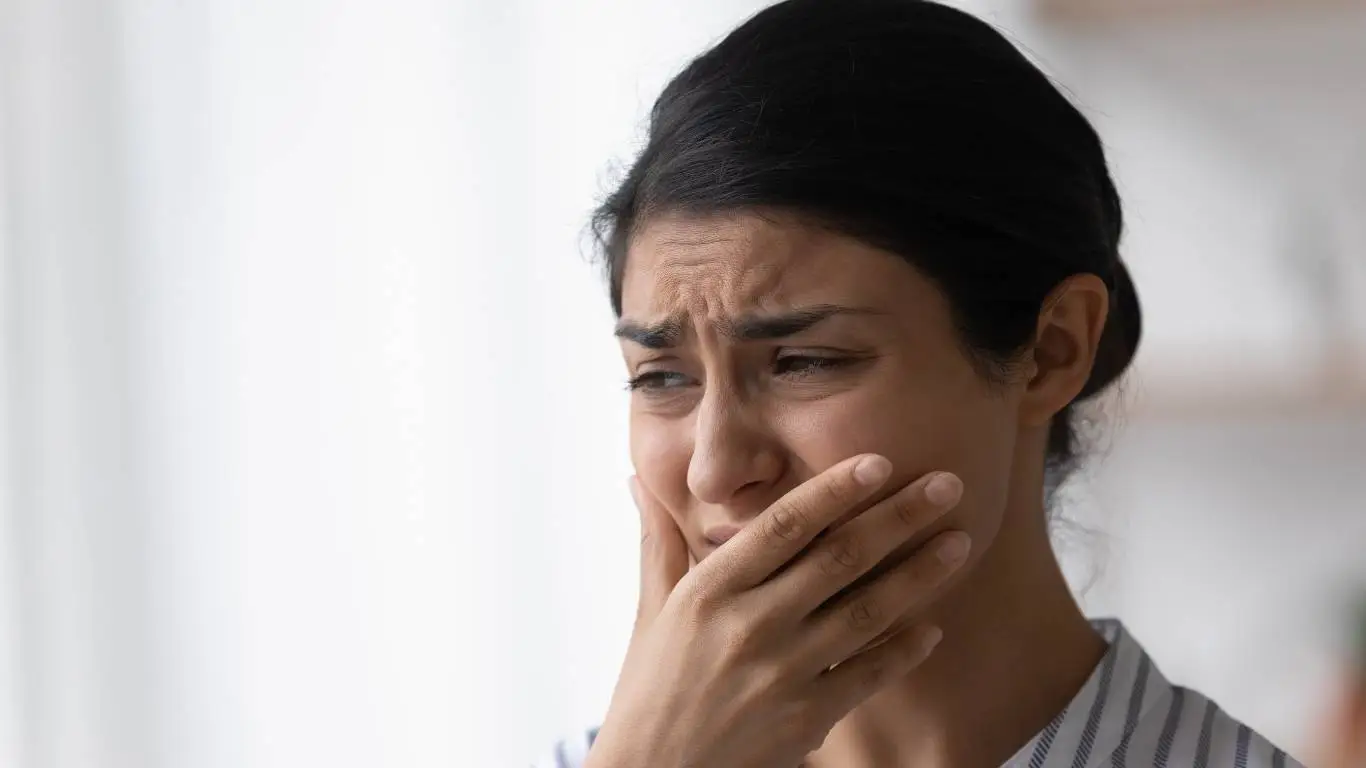
When you’re anxious, the temptation is to seek reassurance… repeatedly. I get it. But constantly asking, “Are we okay?” can strain your connection if it’s the only tool in your belt.
Shift From Reassurance-Seeking to Connection-Seeking
Instead of asking your partner to “fix” the anxiety, try sharing what you’re feeling in a calm, honest way:
- Instead of: “Why didn’t you reply earlier?”
- Try: “Hey, I know you’re busy, but I noticed I was feeling a little insecure and just wanted to connect.”
That slight shift turns a confrontation into a conversation. It opens the door to connection rather than putting pressure on your partner to perform emotional CPR every time anxiety shows up.
Also, tools like Cognitive Behavioral Therapy or Dialectical Behavior Therapy are incredible frameworks that teach you how to reframe these anxious thoughts before they sabotage your conversations.
Build Security From the Inside Out

You can’t control how your partner loves—but you can control how you love yourself. And when you build a solid sense of emotional security, relationship anxiety starts to loosen its grip.
Simple But Powerful Self-Regulation Tools
Some that helped me more than I expected:
- Breathing techniques that calm the nervous system fast
- Muscle relaxation exercises for tension and grounding
- Calming herbal teas that genuinely help (not just hype!)
But more than any single tool, it was consistency that mattered. When I treated myself like someone worth soothing, my anxiety started treating me that way too.
Therapy Isn’t Just for “Serious” Problems
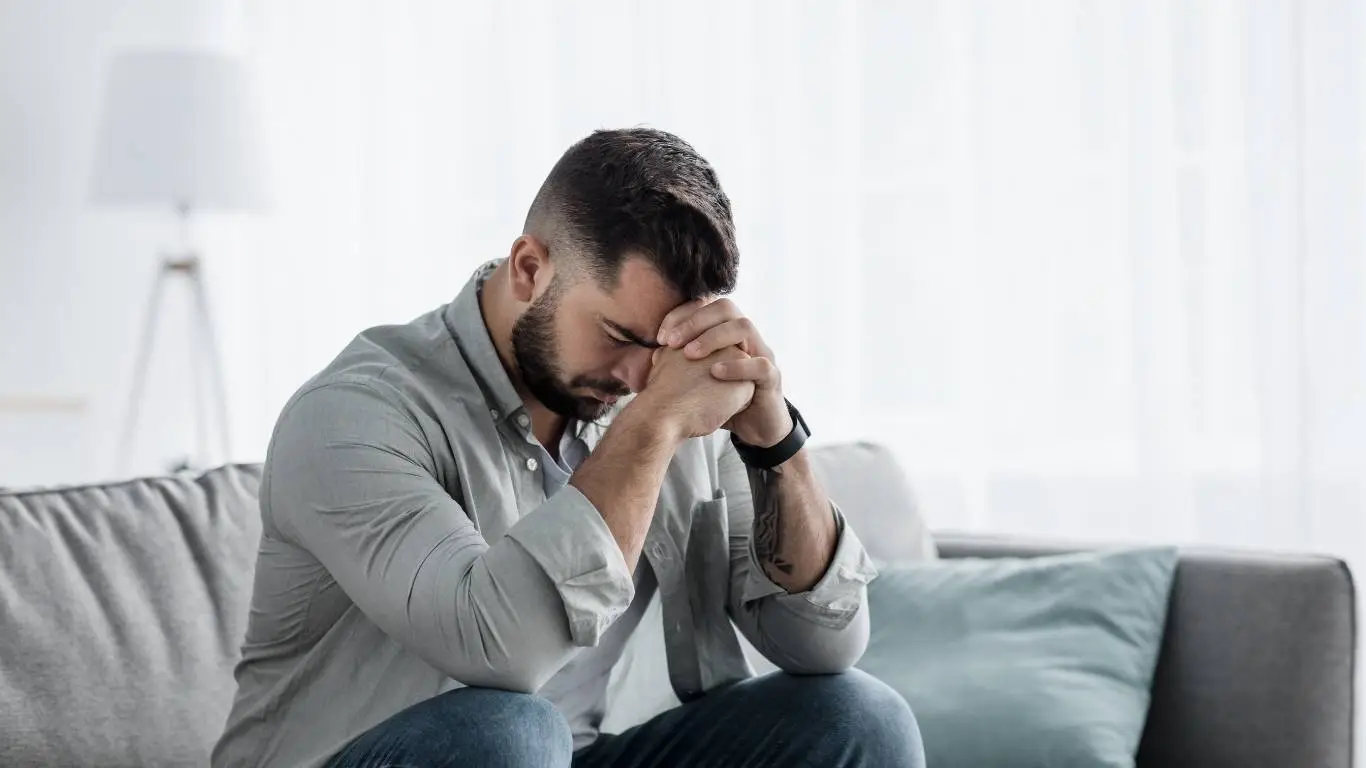
I used to think I didn’t “need” therapy. My anxiety wasn’t “bad enough.” But turns out, waiting until things fall apart isn’t a requirement. Therapy helped me unpack where my fear was really coming from—and more importantly, what to do with it.
If you’re struggling with romantic relationship anxiety, exploring counseling options or virtual therapy might be the most supportive step you can take. I know it was for me.
Types of Therapy That Help With Relationship Anxiety
- Mindfulness-Based Cognitive Therapy (MBCT)
- Interpersonal Therapy (IPT)
- EMDR if trauma is part of your experience
Therapy taught me that anxiety isn’t about needing someone else to prove you’re lovable—it’s about learning to believe it yourself. Slowly, one session at a time.
Healing Isn’t Linear, But It’s Possible
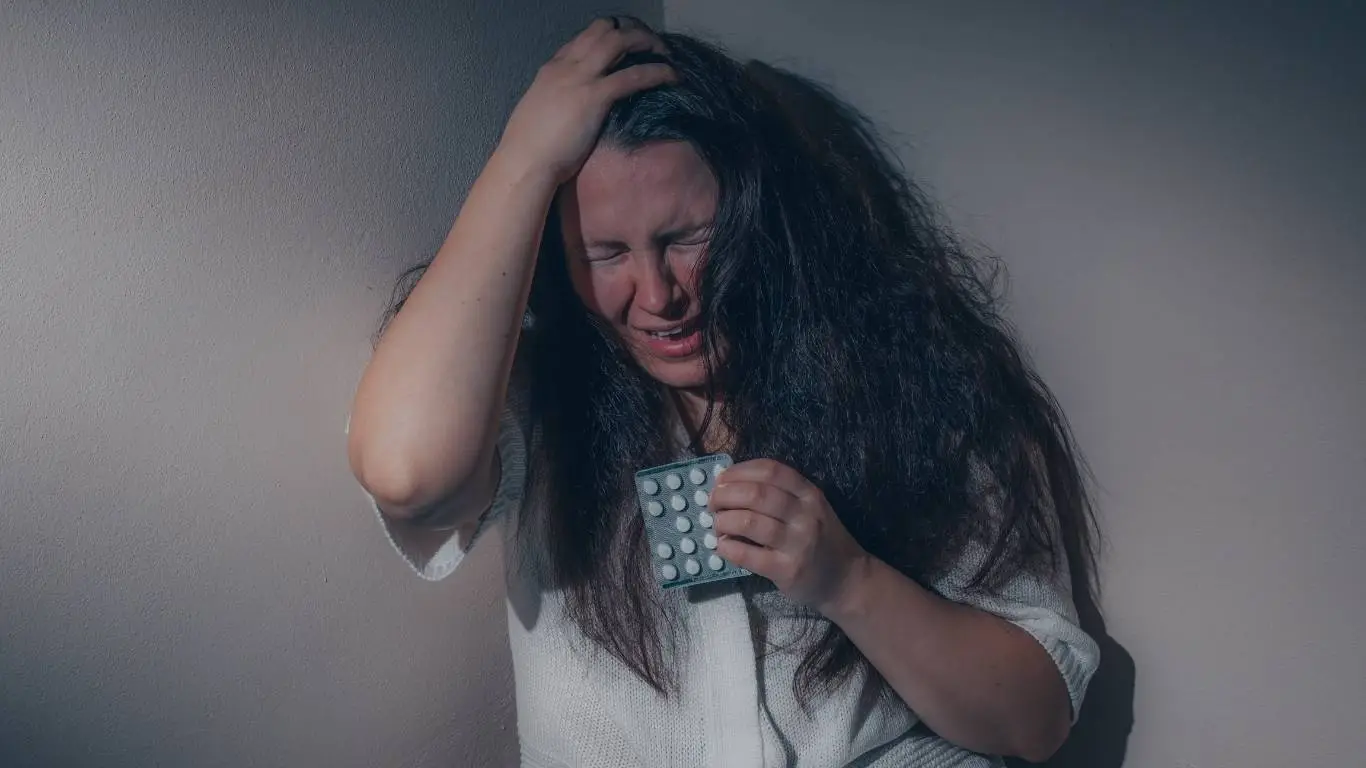
There are still days when anxiety whispers in my ear. But now, I know it doesn’t have to take the wheel. You *can* love and be loved while managing anxiety. You *can* have moments of panic and still be emotionally grounded. And you can build something real—even if your brain sometimes fears it’s too good to last.
For anyone dealing with early signs of relationship anxiety, know this: You’re not broken. You’re human. And there are tools, insights, and people who can walk this path with you.
If you’re looking to deepen your understanding of the roots behind anxiety, especially how it intersects with personality, behavior, and physical symptoms, the psychotherapy pillar and the main anxiety disorders guide offer comprehensive support to help you take the next step.

Camellia Wulansari is a dedicated Medical Assistant at a local clinic and a passionate health writer at Healthusias.com. With years of hands-on experience in patient care and a deep interest in preventive medicine, she bridges the gap between clinical knowledge and accessible health information. Camellia specializes in writing about digestive health, chronic conditions like GERD and hypertension, respiratory issues, and autoimmune diseases, aiming to empower readers with practical, easy-to-understand insights. When she’s not assisting patients or writing, you’ll find her enjoying quiet mornings with coffee and a medical journal in hand—or jamming to her favorite metal band, Lamb of God.