Epsom Salt Baths That Ease Back Muscle Tension Naturally
If you’re anything like me, those stubborn knots and tight bands across your lower back can feel like they’re holding your entire day hostage. I remember one evening after a long workday—sitting too long, poor posture, stress stacking up—my back felt like concrete. That’s when I first tried soaking in an Epsom salt bath, and let me tell you, it wasn’t just relaxing. It felt like a muscle reset button. And no, it’s not just in your head—there’s some real science behind why Epsom salt works wonders for back muscle relaxation.
Why Epsom Salt for Back Pain Makes Sense

So, what makes Epsom salt baths so special? Technically, Epsom salt is magnesium sulfate. When dissolved in warm water, it’s believed that magnesium is absorbed through the skin, although researchers are still debating just how much. Either way, magnesium is crucial for muscle function, and most of us are unknowingly deficient.
Here’s why that matters for your back:
- Magnesium relaxes muscles and calms nerve activity, reducing tension and spasms.
- Sulfate supports detoxification, potentially helping the muscles release built-up lactic acid.
- Warm water increases circulation, easing stiffness and soreness.
When you combine all of that, you get a bath that feels like a warm hug for your back. It’s not just pampering—it’s pain management. According to PubMed and Cleveland Clinic, magnesium plays a critical role in muscle contraction and inflammation control.
How to Use Epsom Salt Baths for Maximum Relief

Choose the Right Salt and Setup
Stick with plain Epsom salt—no fragrance, dyes, or fluff. I use about 2 cups in a standard tub filled with warm (not scalding) water. You want it hot enough to open pores, but not so hot that you turn into a lobster.
Set the Mood (But Keep it Practical)
I’ll be honest, some nights I light candles. Other nights, I just sit in silence and let my spine decompress. Either way, aim for a 15-20 minute soak. That’s usually the sweet spot before your skin starts to prune.
Consistency Beats Intensity
Once-a-week soaks are nice. Twice a week? Even better. If you’re dealing with an acute muscle strain, a few days in a row can help reduce inflammation and get your mobility back quicker.
Is There Real Proof Epsom Salt Works?
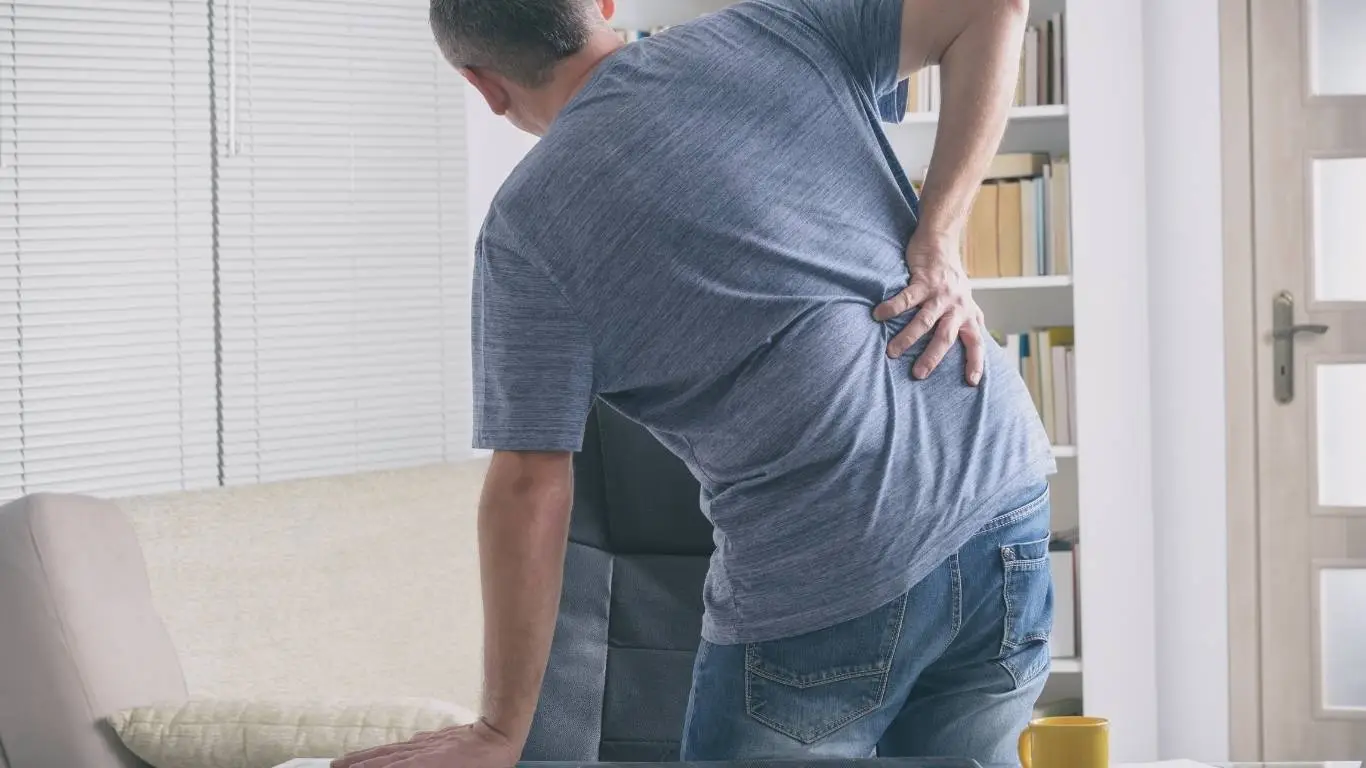
We’ll be honest—the scientific jury is still out on whether magnesium is truly absorbed through the skin in significant amounts. But Healthline and practitioners in physical therapy clinics often note improvements in muscle tension and subjective pain relief when Epsom salt baths are used consistently.
Plus, it’s not just the salt—it’s the bath itself. Hydrotherapy has been used for centuries to relieve back issues. Add in poor posture or prolonged sitting, and the warmth and support of the water gives your back the break it’s been begging for.
My Personal Routine for Relief (You Can Steal It)

Here’s what I do after a rough day or a tough gym session:
- Fill the tub with warm water.
- Add 2 cups of Epsom salt.
- Drop in a few drops of lavender essential oil (optional, but nice).
- Soak for 20 minutes with music or just silence.
- Stretch lightly after drying off—usually just gentle hamstring or hip flexor stretches.
It’s become a weekly ritual. Not a chore. Not a “fix.” Just part of how I care for my back. And frankly, I don’t skip it because I sleep better afterward, and I move easier the next day.
Who Should Skip Epsom Salt Baths?

Important note: Not everyone should jump right into the tub. If you have:
- Open wounds or skin infections
- Severe kidney disease
- Heart conditions aggravated by hot water
…talk to your doctor first. Seriously. And if you’re taking magnesium supplements already, just be mindful of overdoing it.
For most people though, it’s safe, simple, and incredibly soothing. Especially when paired with supportive habits like yoga or Pilates.
What to Combine with Your Epsom Bath Routine

Let’s be real—baths alone won’t undo a day of bad ergonomics. But they can be part of a wider, smarter routine for back health. Consider pairing your soaks with:
- Corrective exercise to balance muscle groups
- Anti-inflammatory diet to ease chronic discomfort
- Stress relief techniques to calm muscle tension
You can even explore natural options like turmeric or CBD oil to support relaxation alongside your baths.
For a deeper dive into holistic strategies, check out our lifestyle and natural remedies pillar. Or if you’re still unsure where to start, this comprehensive back pain overview is your go-to foundation.
Stretching After Your Epsom Salt Soak

Once you’re warm, relaxed, and out of the tub—your muscles are primed. This is hands-down the best time to stretch. Not the sweaty, gym-floor kind of stretch. I’m talking gentle, feel-good, mobility-restoring moves that actually stick.
Here are my go-to stretches right after a soak:
- Knees-to-chest: Lying down, hug one knee at a time to your chest. Then both.
- Seated hamstring stretch: One leg extended, one tucked in. Reach gently toward your toes.
- Child’s pose: Kneel, stretch forward with arms extended, and breathe deep into your back.
These moves help reduce the chance of your muscles tightening back up once you’re out of the water. I learned this the hard way when I used to just hop out of the tub and go sit on the couch—instant stiffness return. Not anymore.
Boost Your Bath Benefits with Natural Supplements

Magnesium through your skin is helpful—but combining it with internal support is even better. I’ve tested this myself over a few months, and the difference in recovery time and muscle soreness is noticeable.
Here’s what’s worked well for me:
- Omega-3s: Great for reducing inflammation, especially in stiff lower back muscles.
- Turmeric with black pepper: Natural and gentle, perfect for daily use.
- Vitamin D: A surprising game-changer if you’re deficient and don’t get much sun.
I’ve also used CBD oil occasionally after tough workouts or flare-ups, and it helped turn down the volume on nerve sensitivity so I could sleep.
Make Epsom Baths a Real Routine, Not Just a Treat

Let’s be real—self-care routines tend to fall apart when life gets chaotic. I used to treat my bath nights like special events. Now, they’re part of the plan. Every Tuesday and Saturday. It’s scheduled like a meeting I can’t cancel. Because honestly, if I skip a week, my back lets me know.
You don’t need a spa setup. Just a quiet bathroom, 20 minutes, and the intention to reset. Bonus points if you combine it with gentle mobility apps or guided stretching afterward.
Don’t Skip These Ergonomic Adjustments

Here’s where the E-E-A-T part kicks in from experience—baths help, but your day-to-day habits matter more than you think. I went months loving my Epsom bath nights, but still dealt with morning back stiffness. Why? My home office chair was awful. No lumbar support, and I’d lean forward like a gargoyle.
So I made a few small changes that helped lock in the results of my Epsom soak routine:
- Ergonomic office chair with lumbar support
- Standing desk converter to alternate sitting/standing
- Back-friendly sleeping position with pillow support
Even your footwear plays a role—check out this eye-opening guide on how shoes affect spinal alignment.
What If Epsom Salt Isn’t Enough?

Look, Epsom baths are great. But if your back pain keeps coming back—or never really goes away—you might need more than just magnesium. That’s where structured rehab and diagnostics come in.
Start with these options:
- MRI imaging if symptoms are chronic or worsening
- Detailed back pain assessment guide
- Targeted rehab exercises to correct imbalances
If you suspect it’s not just muscular—like nerve pain, radiating sensations, or weakness—look into conditions like lumbar radiculopathy or sciatica for deeper insights.
Helpful Tools I Keep on Hand

Outside of the bath, I keep a small kit that complements my back care strategy:
- Foam roller (hurts so good on tight glutes and T-spine)
- Massage ball (target those deep hip rotator knots)
- TENS unit for flare-up days
If I’m traveling or away from my tub, I’ll toss some single-use Epsom packets in my bag and hit the hotel bathtub. That’s how seriously I take it. It’s not just comfort—it’s prevention.
Start Where You Are. Don’t Wait for a Flare-Up.

Whether you’re new to Epsom salt baths or looking to deepen your routine, consistency beats perfection. You don’t need to be in pain to use this method. In fact, using it *before* tension builds is how you stay ahead of back issues.
Explore more integrative ways to care for your back in this detailed lifestyle guide to natural back pain relief or visit our central Back Pain Hub for everything from symptoms to solutions.

Camellia Wulansari is a dedicated Medical Assistant at a local clinic and a passionate health writer at Healthusias.com. With years of hands-on experience in patient care and a deep interest in preventive medicine, she bridges the gap between clinical knowledge and accessible health information. Camellia specializes in writing about digestive health, chronic conditions like GERD and hypertension, respiratory issues, and autoimmune diseases, aiming to empower readers with practical, easy-to-understand insights. When she’s not assisting patients or writing, you’ll find her enjoying quiet mornings with coffee and a medical journal in hand—or jamming to her favorite metal band, Lamb of God.