Why Eye Floaters Only Show Up in Bright Rooms and What That Means
Ever noticed those weird, drifting specks or cobweb-like things that show up when you’re in a bright room—but then vanish when the lights dim or you’re outside at night? You’re not imagining things. I still remember the first time I saw them—sitting in a sunlit café, thinking something was floating in my coffee. It wasn’t. It was in my eye. These annoying visual intrusions are what we call eye floaters, and they have this strange habit of showing up more in bright environments. But why?
Why Do Eye Floaters Seem Worse in Bright Rooms?
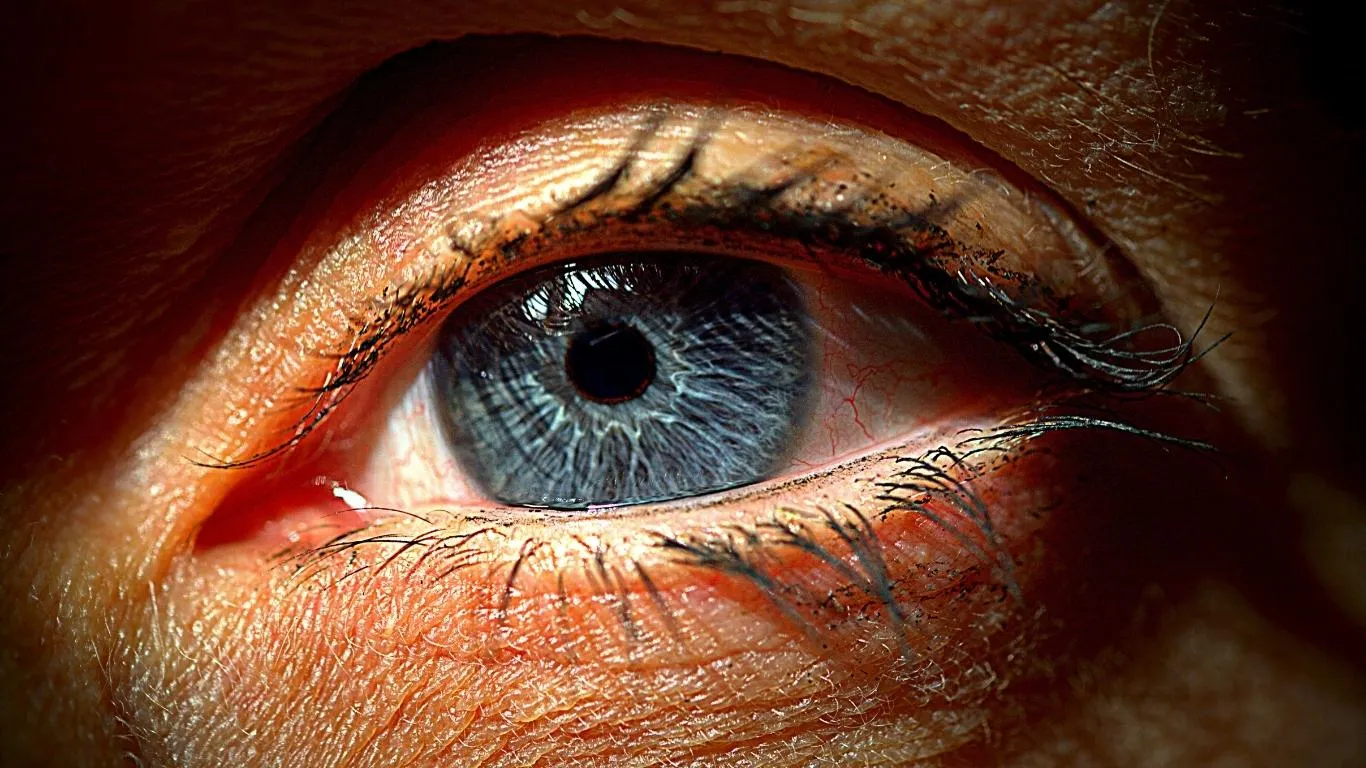
Here’s the thing: eye floaters are tiny clumps or strands in the vitreous—the gel-like substance in the middle of your eye. When light floods your visual field, especially from overhead lights, open windows, or even white computer screens, these floaters cast shadows on your retina. That’s when they become ultra-visible.
Floaters vs. Lighting Contrast
It’s not that they multiply in bright rooms—they just become easier to spot. The contrast created by bright light and pale backgrounds—like a white wall or a sky on a sunny day—makes these little floaters stand out. Try walking into a dimly lit room and… gone. Poof. They blend into the darkness like ninjas.
How Your Pupil Plays a Role
When you’re in a brightly lit room, your pupil constricts. This smaller aperture sharpens the shadows of floaters on the retina, making them even more noticeable. It’s similar to how dust particles become glaringly obvious when the sun hits a window just right. It’s not magic—it’s optics.
Am I the Only One Seeing This? Nope.
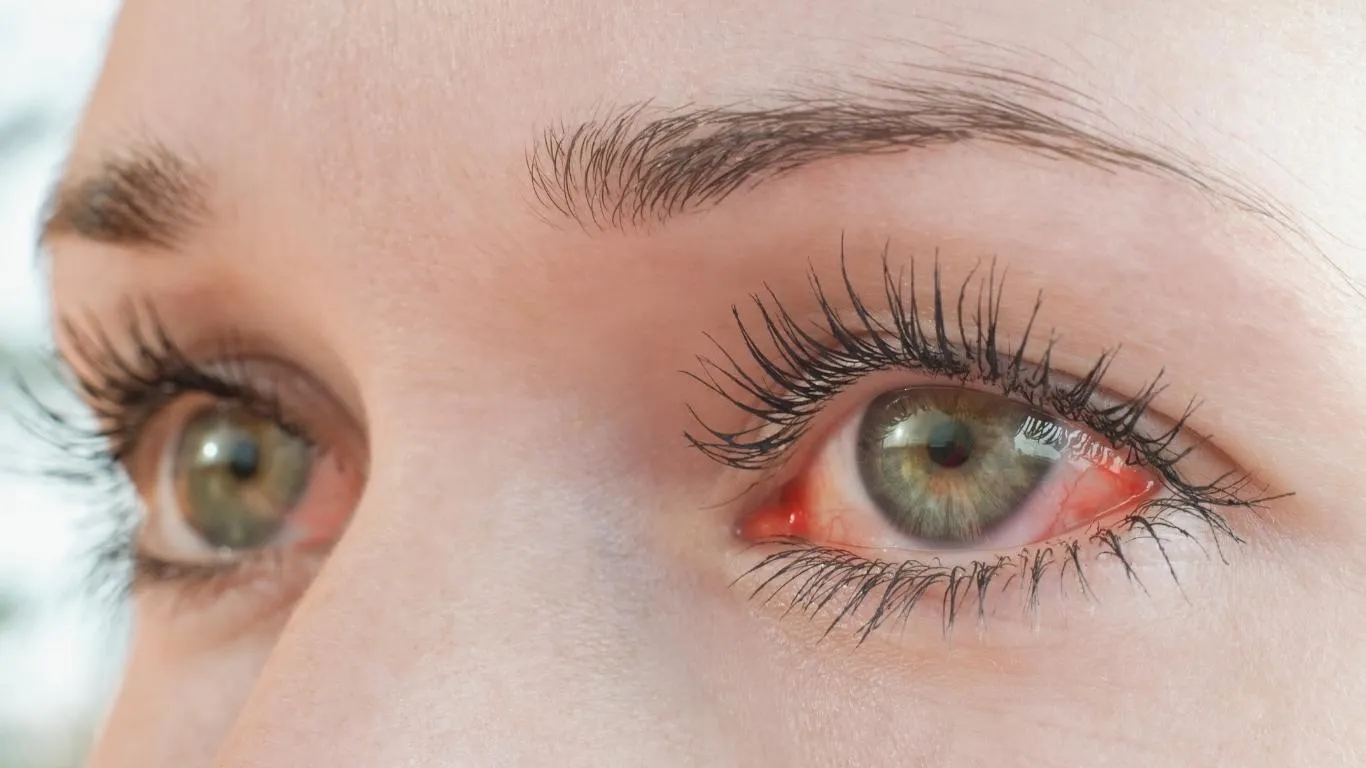
Trust me, you’re not going crazy. It’s super common, especially if you’re over 30. I talked to an optometrist friend of mine after my own experience, and she said that people walk into her clinic every week asking the same question: “Why do I only see floaters in bright rooms?”
Turns out, you’re not alone. And no, it’s not always something serious—but it’s still worth understanding.
Are Bright Room Floaters a Warning Sign?
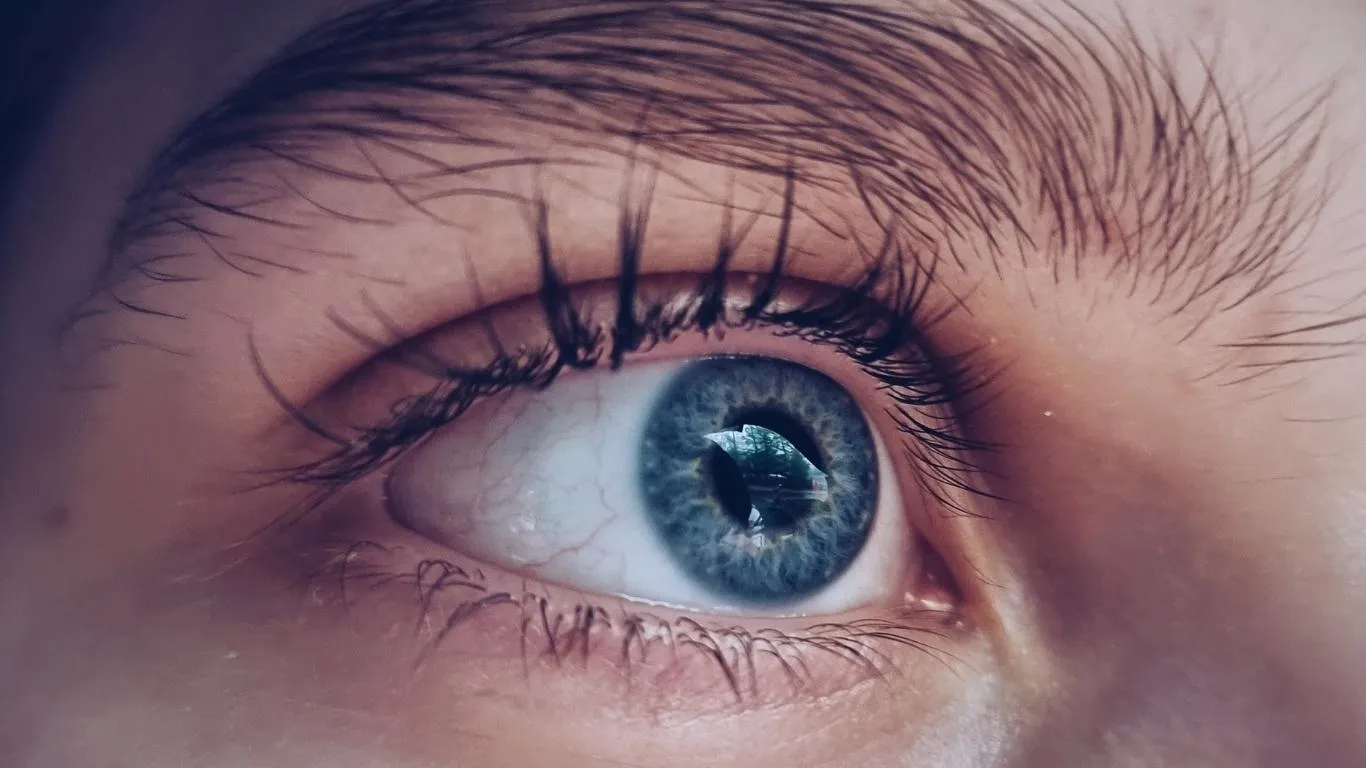
Not necessarily. Floaters often result from natural aging of the eye. Still, if you’re noticing them more frequently or they’re suddenly accompanied by flashes of light, vision loss, or eye pain, get it checked ASAP. Sudden changes in floater visibility might mean something more serious, like a retinal tear or detachment. Floaters before a retinal tear should never be ignored.
There’s also this lesser-known condition—posture-related floater shifts. Ever notice floaters get worse when you’re staring up at a ceiling light or slouching at your desk under overhead lighting? Not a coincidence.
When Bright Room Floaters Become Persistent
If floaters have been hanging around a bit too long, especially after exposure to bright light or screen time, you might want to learn about how sunlight exposure worsens eye floaters. Chronic visibility in bright rooms can be your eyes telling you something’s up with your vitreous health.
What Can Make Bright Room Floaters Worse?
- Screen Time: Staring at bright monitors or smartphones increases visibility. I noticed mine were unbearable during long Zoom calls.
- Overhead Lighting: Especially the harsh fluorescent ones. Ugh.
- White Backgrounds: Reading PDFs, documents, and websites with white backgrounds is when mine like to show up and party.
- Stress or Eye Fatigue: Stress-induced floaters are definitely a thing, and they tend to flare in brightly lit environments.
Interestingly, even hydration plays a role. I found out the hard way that dehydration makes floaters worse—especially when you’re working under heat lamps or during long indoor photo shoots. Not fun.
Is There Anything You Can Actually Do?
Some doctors may tell you to just live with them—and for many, that’s fine. But if you’re like me and these specks are interfering with your focus or sanity, there are strategies.
Things That Help (From Experience)
- Adjust lighting: Use softer, indirect light instead of harsh overhead bulbs.
- Dark mode everything: I swear by it. It’s the one reason I can still read emails without being distracted.
- Eye yoga: Sounds silly, but these eye exercises actually helped reduce how often I notice them.
- Vitamins & hydration: There’s growing evidence that proper nutrients can support vitreous health. A few supplements actually help.
When It’s Time to Talk to a Specialist
If floaters are beginning to affect your daily life—especially if they’re more frequent in bright rooms—you might want to read about floaters after eye surgery or get familiar with posterior vitreous detachment, a condition that frequently causes floaters as we age.
For a deeper dive into what causes eye floaters, the symptoms to watch for, and your full range of treatment options, check out our comprehensive guide to eye floaters and this breakdown on what causes floaters in the first place.
Also worth checking out external resources like AAO, NCBI, or WebMD for medically-reviewed perspectives.
Why Some People Only Notice Floaters Indoors
You might be wondering, “Why don’t I see these floaters outside, even on a sunny day?” Surprisingly, it’s not just about brightness—it’s the type of lighting and what you’re looking at.
Indoor lighting, especially LED or fluorescent lights, emits uniform brightness that lacks the depth and contrast of natural sunlight. It creates the perfect canvas for shadows to pop—aka, your floaters. Combine that with pale walls or screens and voilà—they’re front and center again.
Outdoor light, on the other hand, offers more dynamic contrast and depth. The sky is bright, yes, but it’s also scattered and diffused in a way that minimizes those sharp floater shadows. I personally barely notice them during hikes or even while driving in daylight—but sit me under a kitchen pendant light and they’re dancing again.
The Monitor & White Wall Trap
This is a biggie. If you spend your day staring at screens or whiteboard-style walls (like I do), your floaters are going to show up—hard. There’s even growing discussion about how screen time increases floater visibility, especially under LED glare.
Light Sensitivity Can Make It Worse
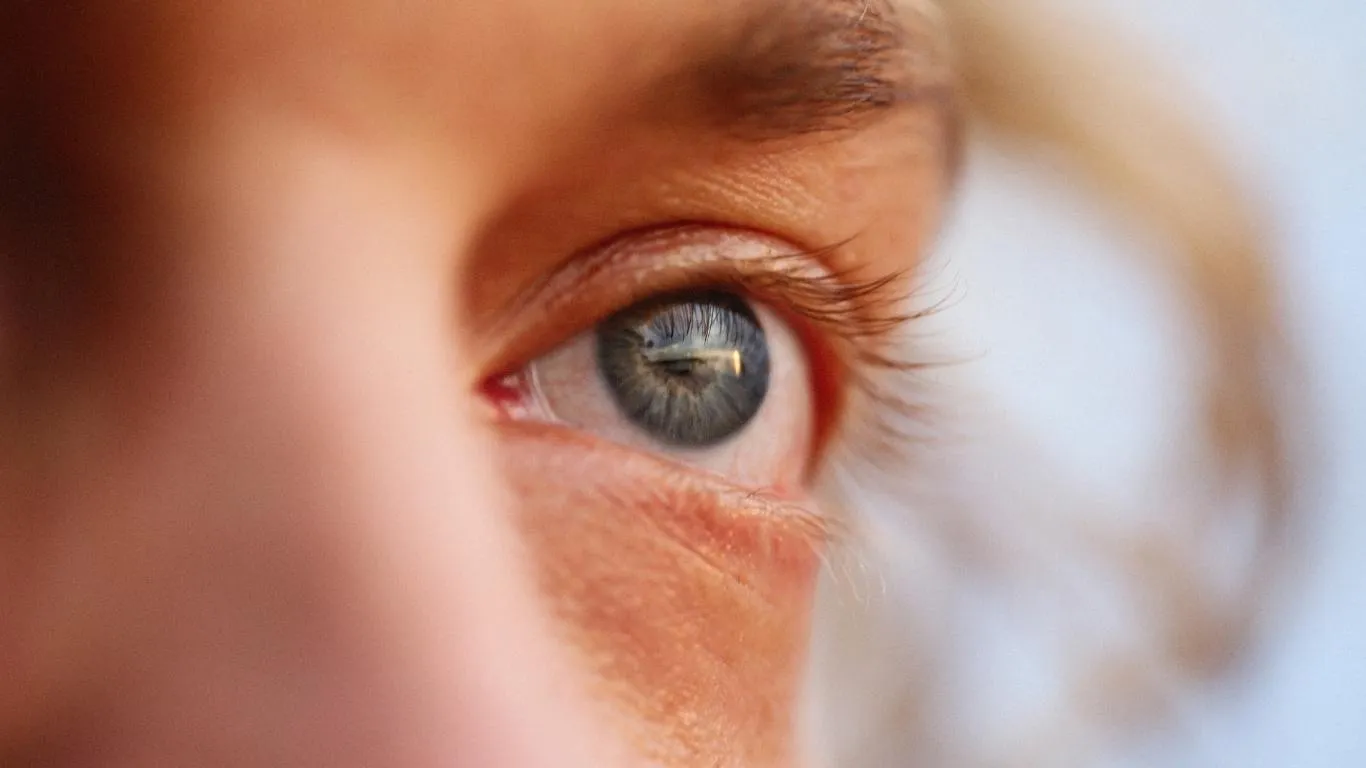
If you’re sensitive to light (like during allergy season or after illness), your retina may be more reactive to shadows. This amplifies the appearance of floaters. Pair that with direct light exposure, and it’s the perfect storm.
There’s even a neurological component. Some studies are exploring how dizziness and floaters can be linked, hinting at brain sensitivity to visual disturbances. Floaters might just be the tip of the iceberg.
Is It Ever Worth Treating Floaters?
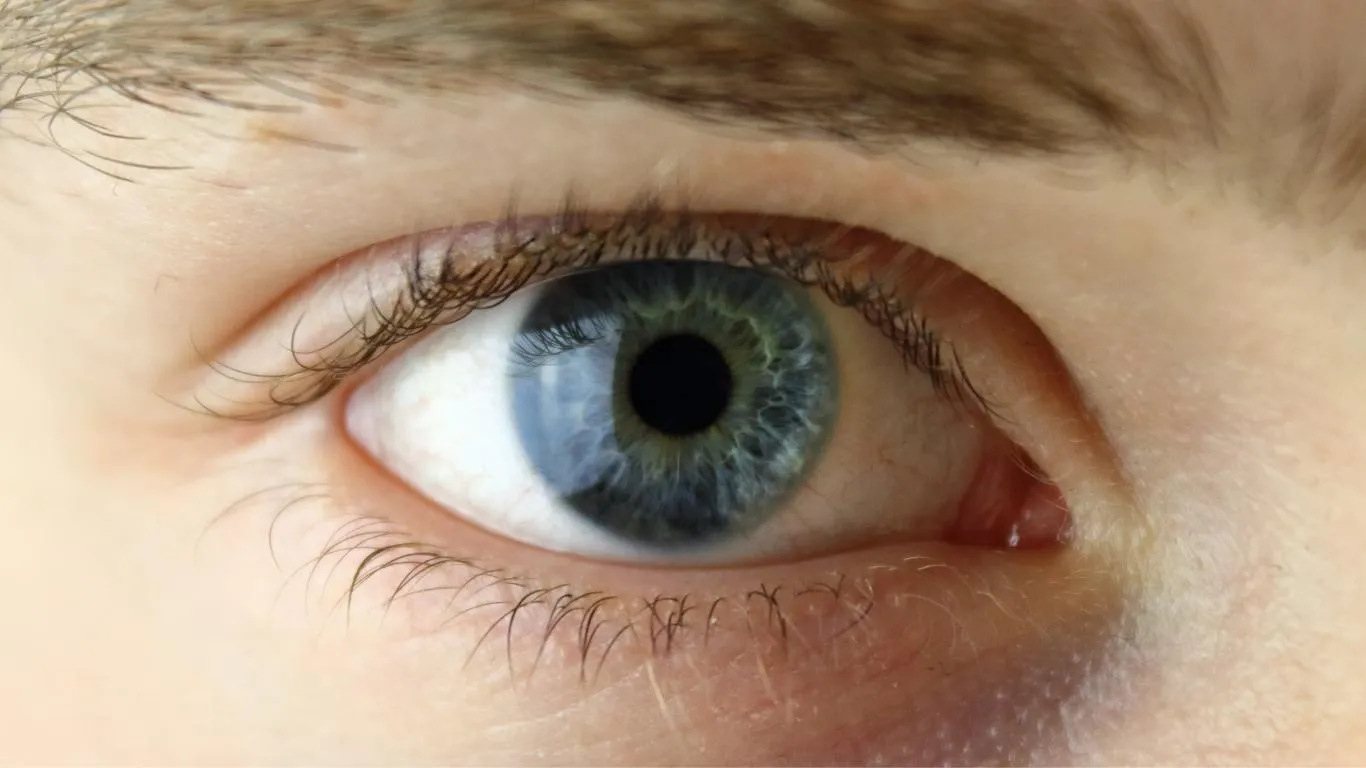
Floaters don’t always need to be treated, but persistent or severe cases—especially if they disrupt daily activities in bright environments—might be a candidate for medical solutions. Here are a few options people turn to:
- Vitrectomy: An invasive surgery where the vitreous is replaced. Usually only recommended in extreme cases.
- Laser therapy: Some specialists offer floater laser treatments. Laser floaters aren’t always a first choice, but they’re growing in popularity.
- Supplements: Several natural options target collagen support and vitreous health. Check out collagen-support supplements to learn more.
One thing that helped me? Regular hydration and magnesium. Low magnesium may mess with how your eyes respond to stress and strain, especially indoors.
Daily Tweaks That Made My Floaters Less Noticeable
- Switched to warmer light bulbs — Cooler tones made my floaters pop more.
- Used bias lighting behind monitors — Cuts down on harsh contrast glare.
- Chose apps and docs with dark themes — Black background, white text. Instant relief.
- Got blue light filter glasses — Not a cure, but definitely makes screen time easier on the eyes. Worth trying if you’re dealing with blue light sensitivity.
These small changes helped me enjoy bright spaces again without that constant visual distraction. I no longer feel like I’m living inside a snow globe.
What If Floaters Suddenly Get Worse?

Look, if your floaters ramp up overnight—especially if they’re paired with light flashes or loss of peripheral vision—get your eyes checked, fast. It could signal something more serious like a retinal bleed or detachment, both of which require urgent care.
Some conditions sneak up on you too. Uveitis-related floaters, for example, may only show up clearly under bright lights at first—but progress rapidly if ignored.
You can also check out this comprehensive guide for broader floater treatment info: eye floater treatment options.
When It Might Be Something Else Entirely
Fun fact (not really): not everything that looks like a floater is actually a floater. If you’re seeing weird streaks or lights in bright rooms, you could be mistaking them for something else. Learn to spot the differences between floaters and retinal issues.
I once thought I had new floaters, but turns out it was migraine aura—and no headache. Our eyes and brain love to mess with us.
Want to Dig Deeper?
If you’ve been nodding along or had your own “yes, that’s exactly what I see!” moment, you’ll want to read more on the full floater journey. Start with our main explainer on eye floaters and then explore when floaters are serious to stay ahead of any risks.
And if you’re curious about what causes eye floaters from the start—including why they act up in bright places—check out the in-depth read on common causes of floaters.
For more medically-reviewed info, refer to AAO or check reputable sources like Mayo Clinic and All About Vision.

Camellia Wulansari is a dedicated Medical Assistant at a local clinic and a passionate health writer at Healthusias.com. With years of hands-on experience in patient care and a deep interest in preventive medicine, she bridges the gap between clinical knowledge and accessible health information. Camellia specializes in writing about digestive health, chronic conditions like GERD and hypertension, respiratory issues, and autoimmune diseases, aiming to empower readers with practical, easy-to-understand insights. When she’s not assisting patients or writing, you’ll find her enjoying quiet mornings with coffee and a medical journal in hand—or jamming to her favorite metal band, Lamb of God.