Flare-Up Protocol for Inflammatory Back Pain That Actually Works
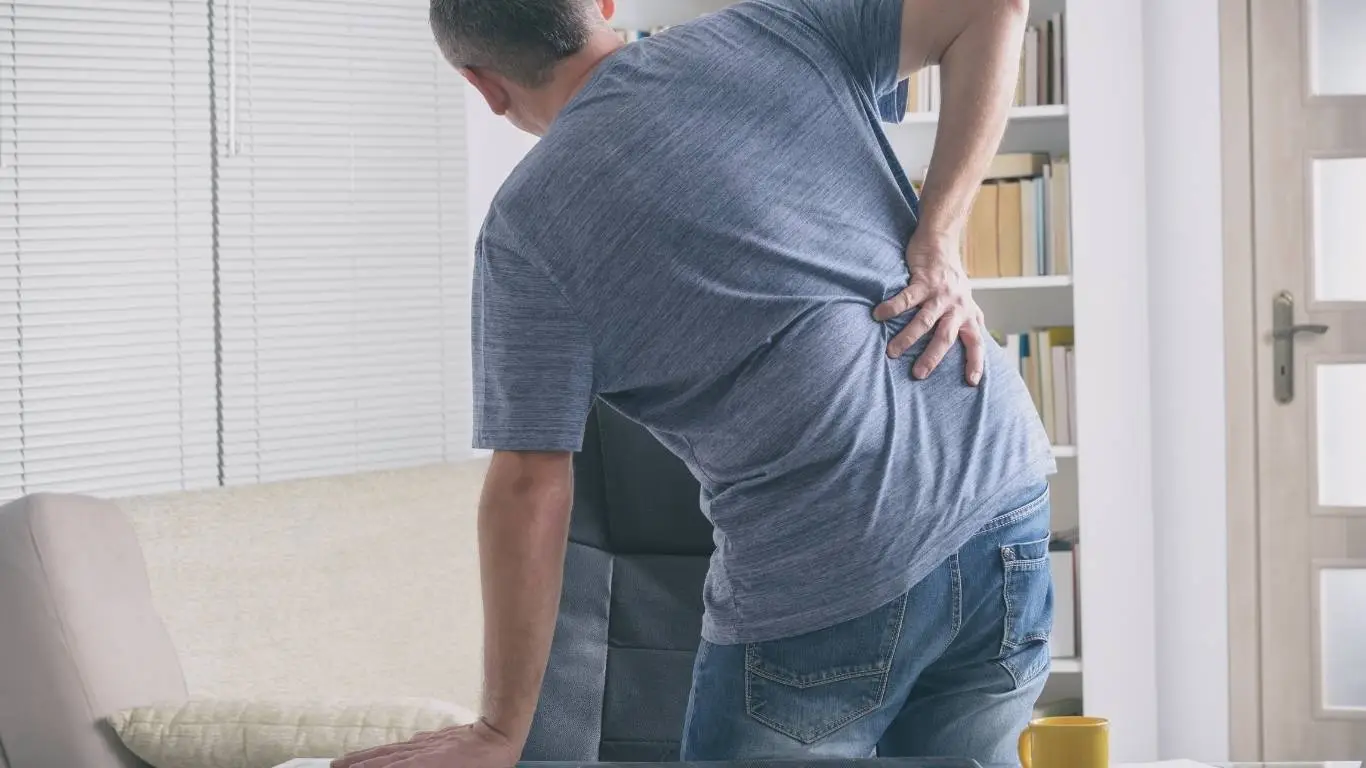
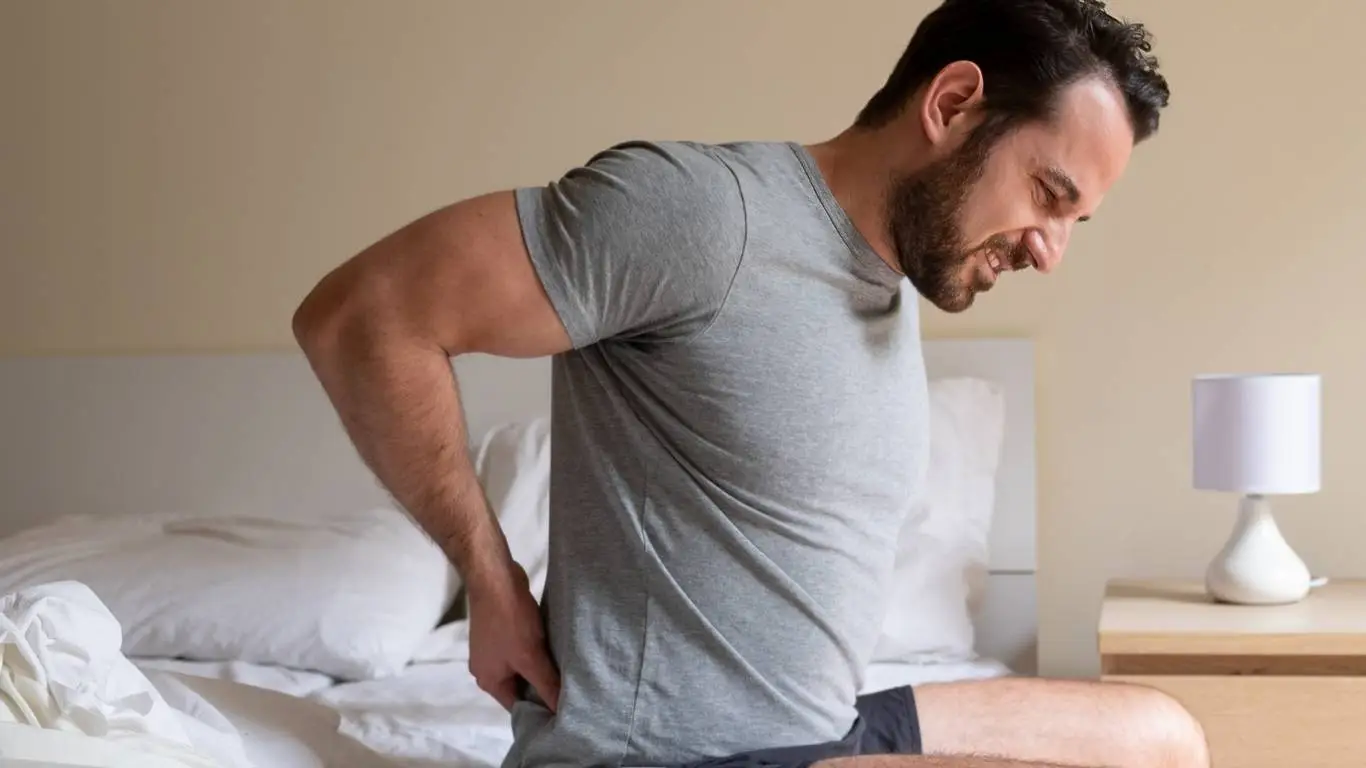
It starts out slow—maybe a dull ache, maybe some morning stiffness. Then out of nowhere, bam: it flares up like someone lit a fire along your spine. That’s how inflammatory back pain often gets you. If you’ve been there, I totally get it. My lower back used to hijack my mornings, especially after sitting too long the night before. And when those flare-ups hit? Forget yoga, driving, even tying shoelaces. That’s why I started building a flare-up protocol—something grounded in both science and personal sanity.
What Is an Inflammatory Back Pain Flare-Up?

Inflammatory back pain (IBP) is sneaky. It’s not just soreness from lifting wrong—it’s a chronic condition tied to inflammation in your spine and pelvis. It comes with morning stiffness, pain that improves with movement (but not rest), and sometimes that crushing fatigue that feels like you didn’t sleep at all.
Unlike mechanical pain, flare-ups in IBP aren’t always logical. You might be doing everything “right” and still wake up unable to bend forward. And if you’re dealing with something like ankylosing spondylitis or other axial spondyloarthritis, it can be even worse.
Common Triggers to Know
- Overexertion or skipping rest days
- Changes in weather (yes, barometric pressure is evil)
- Chronic stress or poor sleep quality
- Dietary inflammation from processed foods or dairy
- Forgetting medications or poor med-timing
Pro tip: I used to think I could “push through” a mild ache. Big mistake. That usually kicked off a 3-day flare-up. Now, I catch it early.
Step-By-Step Flare-Up Protocol That Actually Helps

1. Recognize the Flare Quickly
The earlier you notice signs—like increased stiffness, pain while sleeping, or nighttime back pain—the better your odds of stopping it in its tracks. Keep a simple journal or app to track symptoms. I jot down pain levels in the morning and evening.
2. Modify, Don’t Stop Moving
Motion is lotion. Even during flares, gentle stretches and walks around the block can reduce stiffness. I skip the gym but do cat-cows and slow pelvic tilts in bed. They work wonders.
3. Anti-Inflammatory Toolkit
- NSAIDs like ibuprofen (as advised by your doc)
- Turmeric supplements or omega-3s
- Topicals like menthol or arnica gel
- Heat or ice—depending on what your body responds to (I lean heat early, cold after activity)
I also make a smoothie with spinach, ginger, and flaxseeds. Might be placebo. Might be magic. Either way, I’ll keep doing it.
Sleep Smarter During a Flare

Nothing prolongs a flare like garbage sleep. I’ve learned that sleep position matters more than I thought. A pillow between the knees if you’re on your side, or under the knees on your back can ease spinal pressure. If it feels like your bed is the enemy, it probably is. That was my cue to switch mattresses.
Also, a warm Epsom salt bath an hour before bed helps me more than melatonin ever did. There’s even some research backing that up from ncbi.nlm.nih.gov.
Manage the Mind-Body Firestorm

Let’s not pretend this is just physical. Flare-ups mess with your head. The frustration, the guilt for canceling plans—it’s real. I started incorporating mindfulness meditation during flares. Just five minutes of breathing reduces my catastrophizing spiral.
Stress is an inflammatory gasoline can. Cortisol, your stress hormone, ramps up pain sensitivity. So when the flare hits, I go inward. Music, breathwork, or even venting to a friend help me stabilize emotionally.
Other Mental Tools That Help
- Coping strategies tailored for chronic pain
- Cognitive Behavioral Therapy (CBT) sessions (online works!)
- Writing down one “win” daily—even if it’s just getting dressed
Track Patterns, Not Just Pain

Once I started tracking flare-ups—foods, activities, moods—I noticed a pattern. Red wine on Sunday, inflamed Monday. Late-night emails? Cue next-day back-lock. This kind of flare diary gave me power back. I know when to rest preventatively instead of reacting too late.
It also helped me communicate better with my rheumatologist. We shifted meds based on how frequent and intense flares were, which made appointments feel less like guessing games.
Explore Complementary Support
When I tried acupuncture, I expected voodoo. What I got was legit relief. The same goes for massage therapy and gentle fascial release techniques.
There’s even solid data from cochrane.org showing these can help reduce pain severity in inflammatory back conditions when used with standard care. Honestly, combining clinical treatment with holistic approaches has been my sweet spot.
For a broader understanding of how lifestyle affects chronic pain, you can explore this guide on lifestyle and natural remedies.
And if you’re just beginning your journey understanding inflammatory back conditions, it’s helpful to ground yourself in the core causes of back pain and the main back pain overview here.
Long-Term Flare-Up Prevention That Makes Life Easier
Let’s be honest: managing flares isn’t enough—you want to prevent them altogether. That’s where long-term strategy kicks in. And no, it’s not about giving up your life and moving into a yoga retreat. Most of the changes I made were practical, daily shifts that became habits.
Daily Anti-Inflammatory Rituals That Actually Work
- A warm-up mobility routine before getting out of bed
- A short walk after meals (digestion + circulation = win)
- Anti-inflammatory diet staples like salmon, leafy greens, turmeric, and berries
- Limiting sugar, dairy, and anything that triggers joint puffiness (for me, that’s gluten)
- Intermittent fasting on busy weeks when digestion feels sluggish
One thing I didn’t expect? How much hydration impacted my stiffness. I use a water-tracking app now, and it’s wild how skipping water for a few hours can sneak up on your spine. Oh, and I *never* go to bed with my back cold anymore.
Train Smarter, Not Harder

Exercise isn’t just allowed—it’s essential. But overtraining or picking the wrong movement patterns can trigger your worst week yet. I used to go hard on HIIT, only to crash into a full-body flare two days later. Now? I build spine support with gentle consistency.
Movement Tips That Changed My Game
- Focus on core stabilization (think core engagement, not crunches)
- Use resistance bands over weights when flared
- Alternate yoga days with swimming or water therapy
- Short, frequent walks beat marathon workouts
- Never skip cooldowns or post-exercise foam rolling
Even standing too long can spike inflammation. I work at a sit-stand desk and switch positions every 20 minutes. No shame in stacking pillows for support either—I’ve done Zoom calls on the floor with a bolster under my knees more times than I can count.
Optimize Your Environment

Let’s talk surroundings. One reason my flares lasted so long? My environment was working against me. The wrong chair, bad mattress, or low car seat can quietly undo everything else you’re doing right.
Back-Friendly Adjustments That Stick
- Ergonomic chair with lumbar support and armrests
- Switching to a mattress that actually supports your spine
- Proper car seat positioning using a lumbar roll
- Foot positioning hacks for sit-stand desks
- Using tracker apps to monitor posture and movement patterns
Also, I installed reminders on my phone every hour to do one stretch, change position, or just breathe deeply. These “micro-habits” have been better for me than any one-off miracle cure.
When to Get Professional Help (and What to Expect)

There’s no prize for pushing through pain that won’t quit. I waited way too long before seeing a specialist. Big mistake. Getting professional help doesn’t mean you’re weak—it means you’re smart. And finally, I stopped guessing.
Signs You Need More Than Self-Management
- Flares lasting more than 7–10 days despite rest and meds
- Constant fatigue, low-grade fevers, or red flags like bowel/bladder changes
- Morning stiffness that worsens or doesn’t ease with movement
- Increasingly limited range of motion
A rheumatologist can help confirm if you’re dealing with an inflammatory condition like ankylosing spondylitis. Imaging and labs can also rule out other causes. This diagnostic guide explains how that process works.
Also, don’t overlook early conservative treatments. Physical therapy, chiropractic care, or minimally invasive treatments can complement your flare-up protocol when used strategically.
Support Systems That Keep You Going

No one talks enough about how isolating back pain can be. It’s hard explaining your flare to someone who just thinks you “slept funny.” I found huge relief joining an online support group where people actually get it. We swap tips, wins, and even memes to stay sane.
And for real—don’t underestimate the power of partner and family support. Once I started sharing what I needed (a ride to the doctor, someone else walking the dog), my flares didn’t feel like a personal failure anymore. They just became part of the plan.
Your Personalized Protocol Starts with Awareness

If there’s one thing I’ve learned, it’s that there’s no perfect blueprint for handling inflammatory back pain—but building your own protocol, with real data from your own body, is the next best thing. For me, that means hydration, movement, support, and gut-friendly meals. For you? Maybe it starts with tracking or changing chairs.
Whatever you do, just don’t settle for flare-up roulette. Be proactive. Be gentle. Be patient.
For a deeper dive into holistic, science-backed approaches to managing inflammation, visit this natural remedies resource, and for a foundational overview, check out our main back pain hub.

Camellia Wulansari is a dedicated Medical Assistant at a local clinic and a passionate health writer at Healthusias.com. With years of hands-on experience in patient care and a deep interest in preventive medicine, she bridges the gap between clinical knowledge and accessible health information. Camellia specializes in writing about digestive health, chronic conditions like GERD and hypertension, respiratory issues, and autoimmune diseases, aiming to empower readers with practical, easy-to-understand insights. When she’s not assisting patients or writing, you’ll find her enjoying quiet mornings with coffee and a medical journal in hand—or jamming to her favorite metal band, Lamb of God.