Warning Signs of Flat Back Syndrome You Shouldn’t Ignore
Waking up each morning with a stiff, awkward stance that just doesn’t feel right? Yeah, been there. A few years ago, I kept noticing something odd—I felt like I was leaning forward while standing, almost as if someone had pulled a string from my back and wouldn’t let go. I brushed it off at first, blaming it on my work chair or slouching. Turns out, it was something called Flat Back Syndrome. If that term is new to you, don’t worry—you’re not alone. Most people don’t know about it until they’re well into the symptoms. And trust me, when those symptoms start showing up, they’re not shy.
What is Flat Back Syndrome?

Flat Back Syndrome is a condition where the natural curve in the lower spine (lumbar lordosis) starts to straighten out or flatten. This might sound like no big deal, but that curve is essential—it acts like a built-in shock absorber and keeps your body balanced. When it disappears, the spine can’t support your weight properly, and things start to go downhill.
Why It Matters More Than You Think
It’s not just about posture. Flat Back Syndrome can disrupt how you walk, stand, and even sleep. And honestly, it sneaks up on you. You might not even realize your body is adjusting to compensate until pain or discomfort kicks in. It often develops gradually due to conditions like degenerative disc disease, or after spinal surgeries that change spinal alignment.
Key Symptoms of Flat Back Syndrome

Here’s where it gets personal. I remember walking through the grocery store and needing to lean on my cart just to stay upright. If you’re nodding right now, keep reading. These symptoms aren’t just in your head.
- Forward-leaning posture: The hallmark symptom. You feel like you’re tilting forward, especially after standing for a while.
- Chronic lower back pain: Not the kind that goes away after stretching. This pain lingers and can get worse as the day goes on.
- Fatigue in legs and hips: Because your spine isn’t aligned properly, your muscles work overtime to compensate.
- Difficulty standing upright: You might find yourself constantly trying to straighten up, but your back won’t cooperate.
- Neck and upper back strain: Trying to keep your head level while your lower body leans forward creates tension higher up.
Other Symptoms You Might Overlook
There are a few more subtle signs I missed early on:
- Loss of height over time
- Waddling or imbalanced gait
- Feeling “locked” when trying to straighten up after bending
I found it helpful to compare symptoms with conditions that might be misdiagnosed—things like lumbar radiculopathy or sacroiliac joint dysfunction can overlap. So it’s key to get a proper diagnosis.
What Causes Flat Back Syndrome?

Understanding the “why” behind flat back syndrome helped me take control of my recovery. It’s not just about posture or old age. Here’s what can trigger it:
- Post-surgical complications: Especially after spinal fusions or procedures like microdiscectomy.
- Degenerative spine diseases: Conditions like herniated discs or DDD weaken structural integrity over time.
- Poor posture habits: Long-term slouching (yes, guilty as charged), especially in desk jobs or while driving.
- Muscle imbalances: Weak glutes and tight hip flexors are an underrated cause. I didn’t believe it until I read this breakdown.
Is It Always Structural?
Not always. Some people develop flat back symptoms due to functional issues—like habitually tight hamstrings, weak core, or even flat feet. Addressing these early can be a game changer.
Everyday Impact: What It Feels Like to Live With It

What surprised me the most? The way it creeps into the small stuff. Walking becomes a chore. Carrying groceries turns into a battle. You start propping yourself up using counters, carts—anything really. One day I caught myself leaning against a doorframe just to have a conversation. That’s when I realized this wasn’t “just a posture thing.” It was affecting my life.
The hardest part is how isolating it feels. Friends might say, “Just stretch more” or “Try yoga,” but if it’s truly flat back syndrome, simple fixes often don’t cut it. You need a structured plan—often guided by professionals.
When to See a Specialist
If you’ve been noticing any of these symptoms for more than a few weeks, it’s time to stop guessing. See an orthopedic or spine specialist who can assess whether your spinal alignment has changed. And don’t settle for a generic plan. Ask about imaging—MRIs or CT scans can show more than X-rays in many cases (learn why).
Where to Go From Here
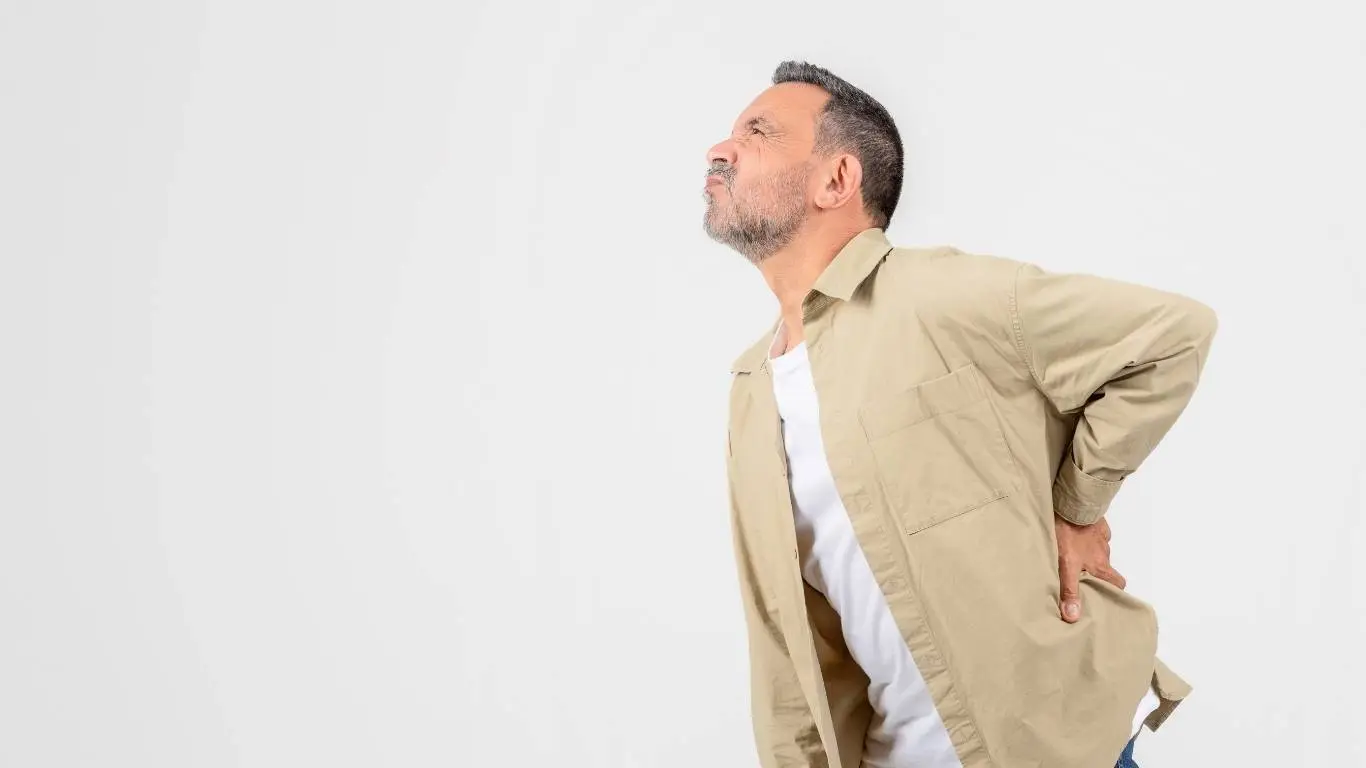
For many people, this condition requires a mix of approaches—rehabilitation, strength-building, and postural retraining. I personally found some relief through core-focused rehab and by working with a physical therapist who understood spinal ergonomics.
You can explore a more comprehensive overview of this condition’s diagnosis and treatment in our Symptoms and Diagnosis Pillar Article. And for a broader understanding of how posture and pain are interlinked, don’t miss the main guide to back pain—it’s where it all begins.
Effective Treatment Options for Flat Back Syndrome

So once I finally got a proper diagnosis, the question was: now what? Surgery wasn’t my first option—and it doesn’t have to be for most people. There are several effective, evidence-backed ways to manage and even reverse symptoms. The key is to tackle it from multiple angles.
1. Physical Therapy: Your First Best Move
Working with a physical therapist saved my sanity. They didn’t just throw random exercises at me—everything was customized to help regain my lumbar curve and improve muscle engagement. If you’re dealing with similar issues, make sure your therapist is familiar with postural syndromes and spinal realignment strategies.
- Core strengthening: Activating deep stabilizers like the transverse abdominis can reduce pressure on your lower spine.
- Hip mobility work: Tight hips and weak glutes can pull the pelvis forward, worsening your alignment.
- Extension-based movements: Supermans, prone press-ups, and tailored yoga flows can help restore curvature.
You’ll find more structured exercise guidance in our resource on exercise and rehabilitation for back pain.
2. Posture Retraining and Ergonomic Changes
One of the things I ignored early on? How much my work setup was screwing up my spine. Sitting slouched at a desk for hours doesn’t just feel bad—it trains your muscles to stay in that collapsed position. That’s where ergonomics come in.
- Swap your chair for something with lumbar support or try a standing desk.
- Keep your monitor at eye level and your keyboard aligned to reduce forward head posture.
- Use a footrest if needed to keep your hips slightly above your knees.
Even simple upgrades—like adding a lumbar cushion—made long hours more bearable.
When Conservative Care Isn’t Enough

While most people can manage Flat Back Syndrome non-surgically, there are cases where the curve is so diminished that conservative care just isn’t enough. If you’ve tried therapy for months and your symptoms are getting worse, it might be time to consider more advanced solutions.
Surgical Options to Restore Lumbar Curve
Spinal realignment surgery isn’t as scary as it sounds—at least not when done by someone experienced. There are minimally invasive procedures available, like:
- Osteotomies: Where bone is reshaped to help restore spinal curve.
- Spinal fusion with rods: To hold your back in the corrected position long-term.
- Disc replacements: In some cases, especially when disc degeneration is a major factor. More on that here.
If you’re exploring surgical routes, make sure you also understand the recovery. Our spinal fusion recovery guide can give you a real-world look at what to expect.
Daily Habits That Support Long-Term Relief
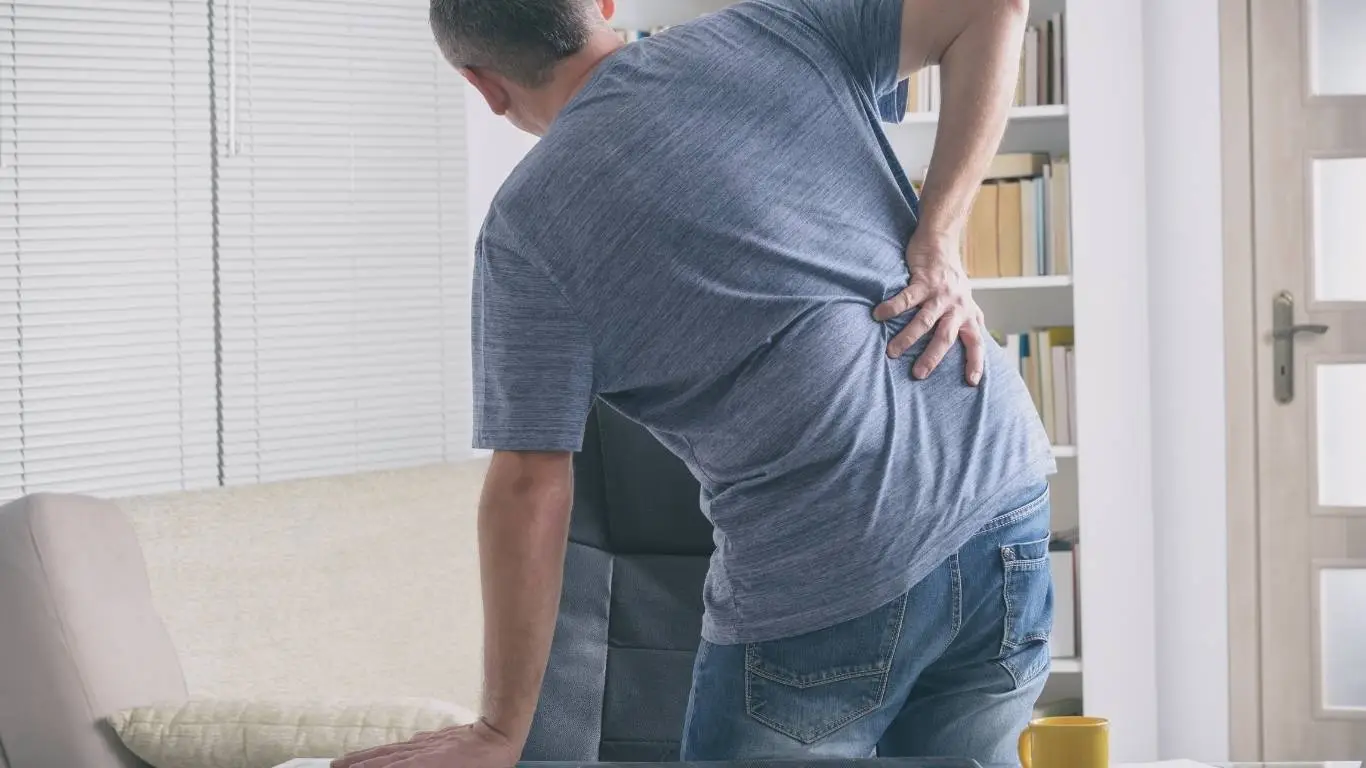
Managing flat back syndrome isn’t just about clinic visits. What you do at home matters just as much. I had to change how I moved, sat, slept—literally everything. These tweaks aren’t hard, but they’re game changers.
Key Daily Adjustments
- Use a firm mattress with good support to keep your spine aligned overnight.
- Avoid long periods of sitting. Get up every 30 minutes to stretch or walk.
- Strengthen your posterior chain—that means your glutes, hamstrings, and spinal extensors.
- Watch your walking posture. Avoid looking down at your phone while walking.
- Stay hydrated and eat anti-inflammatory foods to reduce joint stress—check out our post on anti-inflammatory diets.
Supplemental Therapies Worth Exploring

I’ll admit, I used to be skeptical about things like acupuncture and massage therapy. But when pain becomes part of your daily life, you open up to new ideas—and I’m glad I did.
- Acupuncture: Helped reduce tension in my lower back and reset my nervous system. Learn why it works here.
- Massage therapy: Especially deep tissue work. Just be sure to go to someone who understands postural issues.
- Cognitive-behavioral therapy (CBT): Pain messes with your mind. CBT gave me the tools to stay calm during flare-ups. Read more.
Real Recovery is Possible

It took me over a year to get my symptoms under control—but I did it. If you’re reading this and feeling overwhelmed, don’t. Recovery isn’t always linear, and it definitely isn’t instant. But small, consistent changes add up.
Whether you’re newly diagnosed or still figuring out if flat back syndrome is your issue, there’s a roadmap—and you’re not walking it alone.
For deeper understanding of spinal posture problems and how they connect to broader chronic pain, you might also find the Types and Anatomy of Back Pain Pillar helpful.
And if you’re just starting your journey with posture-related discomfort, start with the main back pain guide for a comprehensive look at causes, care, and real-world strategies.

Camellia Wulansari is a dedicated Medical Assistant at a local clinic and a passionate health writer at Healthusias.com. With years of hands-on experience in patient care and a deep interest in preventive medicine, she bridges the gap between clinical knowledge and accessible health information. Camellia specializes in writing about digestive health, chronic conditions like GERD and hypertension, respiratory issues, and autoimmune diseases, aiming to empower readers with practical, easy-to-understand insights. When she’s not assisting patients or writing, you’ll find her enjoying quiet mornings with coffee and a medical journal in hand—or jamming to her favorite metal band, Lamb of God.