Why Floaters After Attending Concerts Might Signal Eye Stress
Not long ago, I found myself standing under a flood of neon lights, music pounding through the air, surrounded by a sea of dancing strangers. It was a surreal moment—one of those unforgettable concerts that leaves your ears ringing and your heart full. But then came the floaters. You know, those little specs and threads drifting across your vision? I noticed them the next morning, and they weren’t the usual harmless shadows that vanish when you blink. They were persistent. If you’ve ever experienced floaters after attending concerts or festivals, you’re not imagining it. Let’s talk about what’s going on with your eyes—and more importantly, what you can do about it.
Why Do Floaters Show Up After Loud Events Like Concerts?
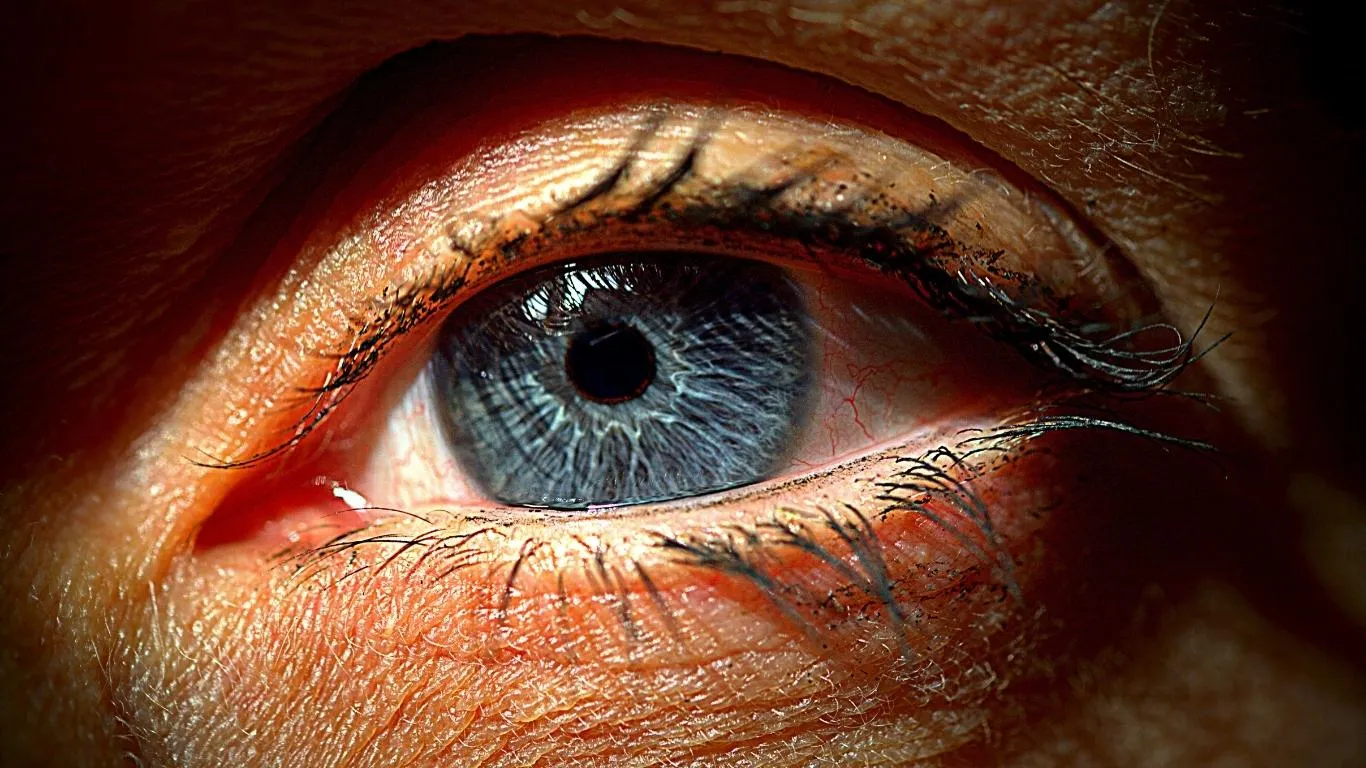
Honestly, floaters can seem random. But in some cases—like after a night of loud music, flashing lights, and maybe a few hours too few of sleep—your eyes might be sending you subtle warning signs.
1. Vitreous Disturbance from Vibration and Sound Pressure
Live music, especially in closed venues or near subwoofers, creates physical vibration that’s not just felt in your body—it may actually jostle the delicate vitreous gel inside your eyeball. This can trigger or worsen floaters.
- Standing too close to speakers? That thumping bass isn’t just shaking your bones.
- Extended exposure may stress the vitreous-retinal interface, potentially pulling on the retina.
According to National Eye Institute, vitreous detachment is more common with age, but can be accelerated by trauma—or intense vibration.
2. The Role of Lighting and Visual Stress
Festivals and clubs love strobe lights, right? But your eyes… not so much. Blinding light flashes can strain your retina, and for some, floaters appear shortly after the event ends. Your pupils dilate and constrict rapidly, which may destabilize parts of the vitreous that were already breaking down.
One study from American Academy of Ophthalmology mentioned increased complaints of floaters following visually stressful conditions, including strobe-light exposure and prolonged brightness adaptation issues.
Are You More at Risk After Concerts If You Already Have Eye Sensitivities?
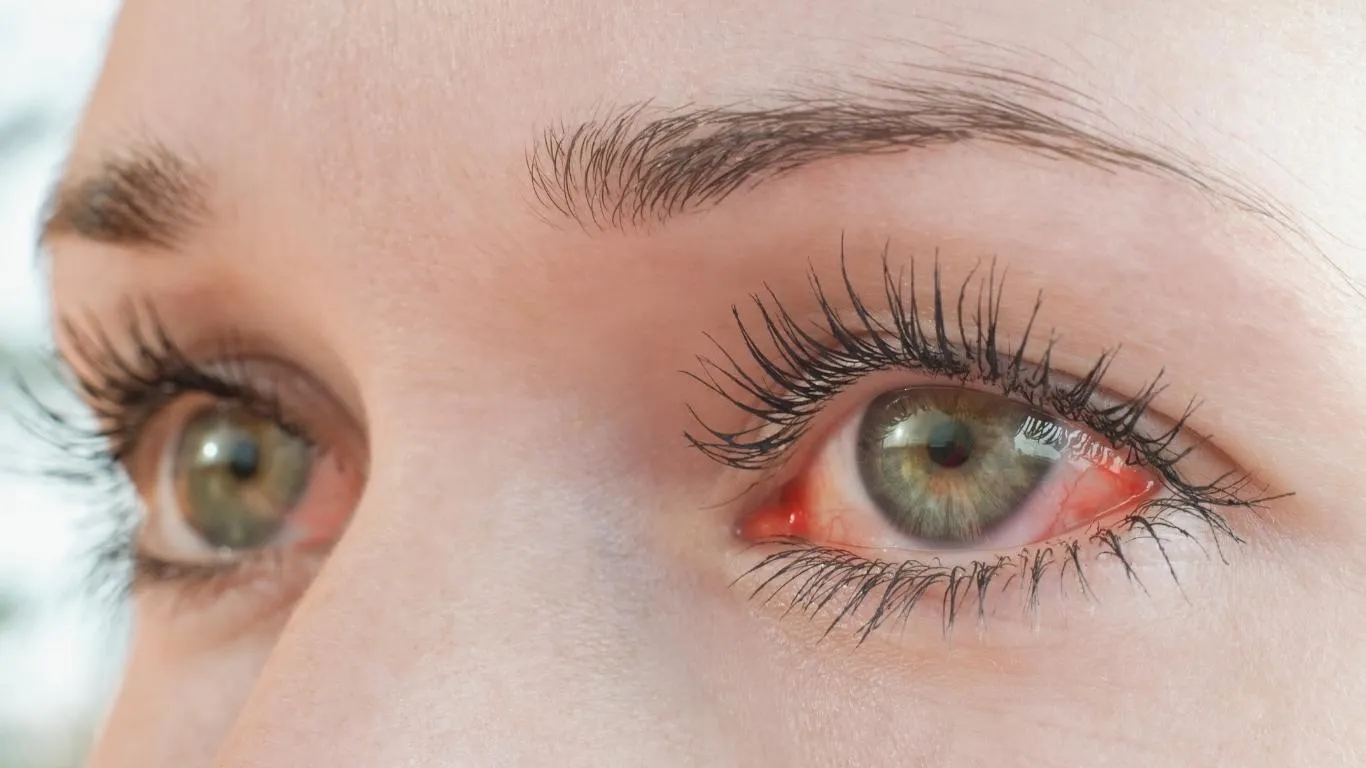
If you’re like me and already get dry eyes or eye strain easily, those late-night gigs can really push your vision to its limit. There’s a higher chance of noticing floaters if you:
- Have a history of nearsightedness (myopia)
- Get migraines with visual aura
- Spend long hours on screens before/after events
Check out this breakdown on why even younger people can get floaters. It’s not just an aging issue anymore.
Concerts + Dehydration = Trouble
Let’s be real—at festivals, you’re probably not sipping electrolyte water every hour. But your eyes need hydration just as badly as the rest of your body. Dehydration can reduce the volume and consistency of vitreous fluid, making floaters more prominent.
It’s worth reading how dehydration plays a sneaky role in floater formation, especially during physically and visually intense experiences.
What About the After-Party? When Floaters Don’t Go Away
Floaters usually come and go. But if yours stick around for days—or get worse—you’ll want to take it seriously. According to this guide on when floaters are a danger sign, persistent or increasing floaters could signal:
- Posterior vitreous detachment (PVD)
- Retinal tear or detachment (urgent!)
- Inflammation of the eye (uveitis, infection, or trauma-related)
Want to understand how these risks evolve? Dive into this comprehensive main pillar guide on causes and symptoms.
Headbanging & Eye Trauma: Yes, It’s a Thing
Some of us can’t resist the music—and honestly, I’m guilty. But whipping your head around or intense dancing can mimic minor trauma. I found this out the hard way after waking up with a ton of new floaters after a rock festival.
This post on floaters caused by physical activity and sports injuries breaks it down. You might not think it’s serious… until it is.
Can Stress and Exhaustion After a Concert Make Floaters Worse?
Here’s the kicker. It’s not just what happens at the event—it’s what your body does after. Floating shapes might become more noticeable when you’re:
- Overstimulated and emotionally drained
- Running on low sleep
- Coming down from stress highs
Floaters love fatigue. This article on floaters during exhaustion hit way too close to home for me. Even scrolling on my phone after an event seemed to make them swirl more aggressively.
Screen Time After Concerts? Maybe Not the Best Idea
We all love uploading stories and checking photos the second we get back, but if you’re staring at your screen in the dark, you’re stacking problems: strained retinas, dry eyes, and light sensitivity. Check this out: screen time might be worsening your floaters more than you think.
Need help recognizing floater symptoms that are legit concerning? Don’t skip this symptom guide—it helps separate normal from dangerous.
How Long Do Floaters Last After a Concert—and Should You Be Worried?
In most cases, floaters after attending concerts or festivals fade on their own. Mine usually settle down after a few days. But the thing is—they don’t always vanish completely. Some floaters stick around for weeks or even become permanent.
It depends on a few things:
- Your age: Floaters tend to be more persistent as we get older.
- Retinal health: Weak or thin retinas can make floaters more aggressive.
- Hydration and eye recovery: If you recover well post-event (think sleep, water, rest), they usually fade faster.
Want to know how long they usually hang around? This article explains the typical timeline and when to consider seeing a specialist.
It’s Not Always Temporary
Unfortunately, for some, floaters become a constant part of their vision. Especially if you already have underlying eye conditions like aging lenses or vitreous degeneration. The concert might just be the trigger—not the root cause.
How to Reduce Floaters After a Loud Event—Tried and Tested Tips
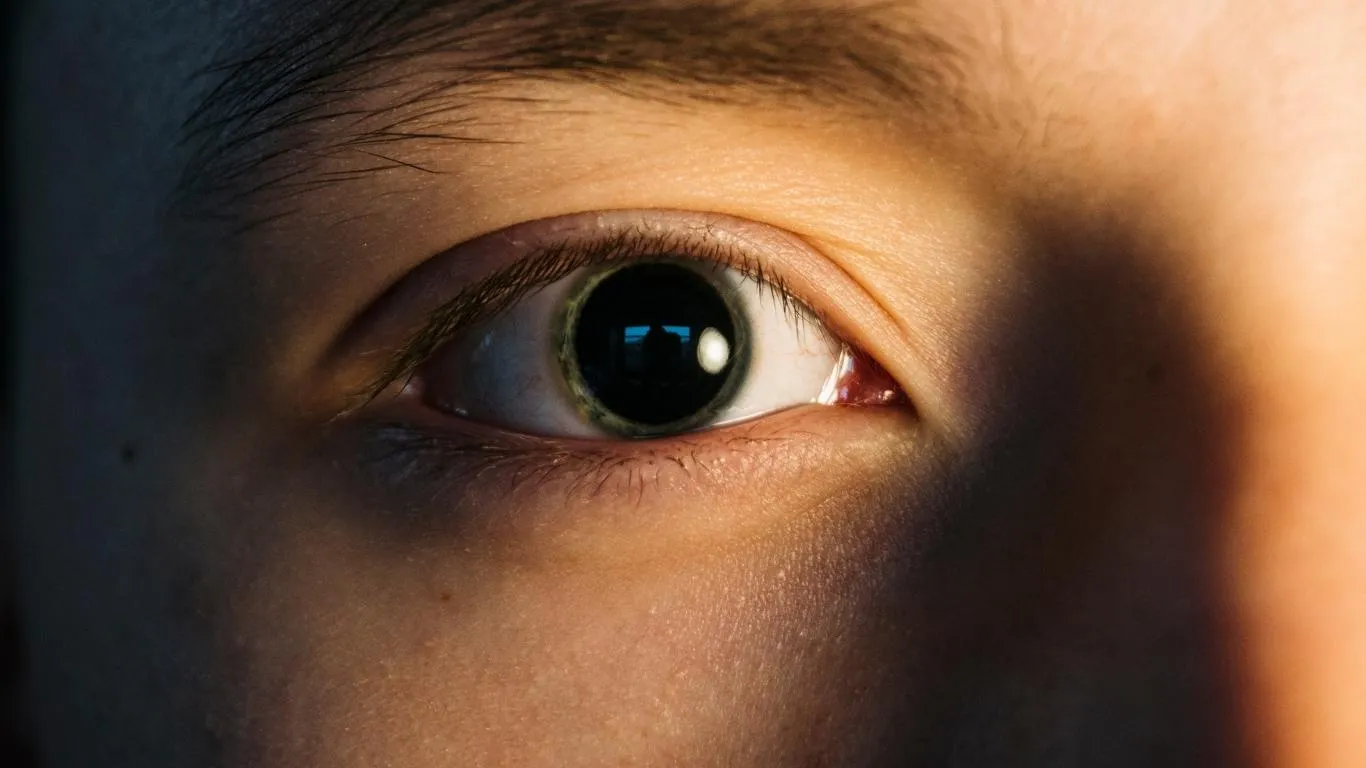
So, what can you do to calm things down when floaters crash your post-party vibe? I’ve tested everything from supplements to eye yoga (yes, that’s a thing)—here’s what actually helps:
1. Rehydrate Like Crazy
After dancing for hours in heat, alcohol, or smoke, your body—and eyes—are screaming for water. Aim to replenish with electrolytes, not just plain water.
Learn more about this connection in this hydration-focused piece.
2. Get Some Sleep. Seriously.
One night of poor sleep can make those floaters spin around like a disco ball. Try sleeping in a cool, dark room and skip the scrolling. This article has solid tips that actually helped me sleep through the annoying shadows.
3. Go Easy on the Screens
Post-concert, your eyes are already worn out. Adding screen time can make things worse. Give your eyes a full break for a few hours and avoid direct blue light exposure. If you’re working the next day, blue-light glasses help a little.
4. Natural Eye Exercises (Yes, They Work)
I was skeptical at first, but after trying out a few techniques from this practical guide, my floaters became less noticeable during the day. They’re not a miracle fix, but they definitely help with awareness and clarity.
When You Should Absolutely See an Eye Doctor
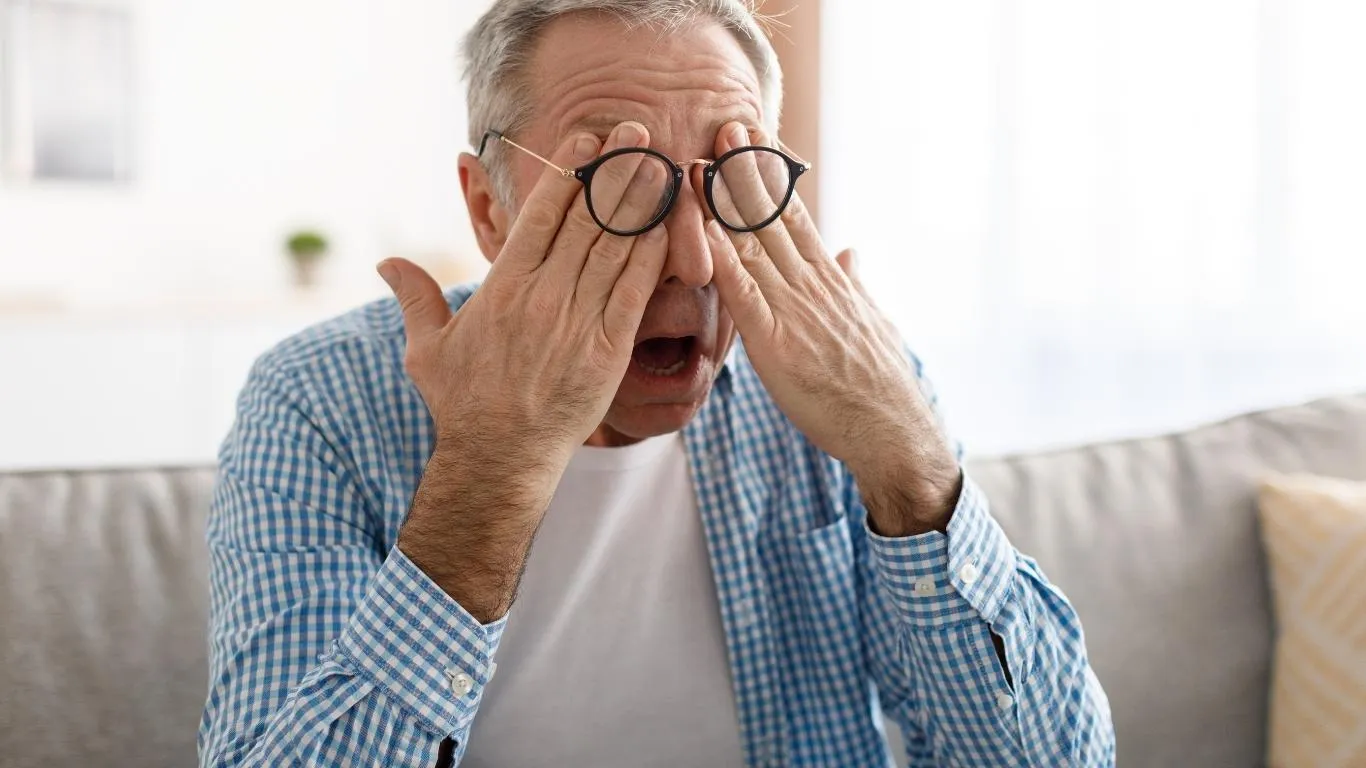
If your floaters are accompanied by any of the following, don’t play it cool—just go:
- Sudden flashes of light (especially in the corners of vision)
- Loss of peripheral vision
- Floaters that increase rapidly in number
- Dark curtain effect
These could be signs of retinal tear or detachment, and trust me—you don’t want to gamble with that. Check out this piece about floaters signaling deeper eye trouble.
Eye-Friendly Festival Habits (Yes, That’s a Thing)
If you’re like me and have no plans of skipping your favorite music events, you can still enjoy them without making your eyes suffer. Here’s what I do now:
- Keep distance from the stage (especially speakers)
- Wear UV-protective sunglasses at outdoor festivals
- Stay hydrated and eat light snacks that support vision
- Skip the strobe-heavy zones if your eyes are sensitive
- Bring lubricating eye drops (dry air and smoke aren’t friendly)
If you want to dive deeper into how floaters compare to other common vision problems, this article makes the differences super clear.
And if you’re wondering about treatment options in case your floaters don’t settle down, this guide on eye floater treatments covers everything from natural methods to surgery.
Still feel unsure? The best place to start is this deep dive into causes, symptoms, and treatment options from the main pillar article at Healthusias.

Camellia Wulansari is a dedicated Medical Assistant at a local clinic and a passionate health writer at Healthusias.com. With years of hands-on experience in patient care and a deep interest in preventive medicine, she bridges the gap between clinical knowledge and accessible health information. Camellia specializes in writing about digestive health, chronic conditions like GERD and hypertension, respiratory issues, and autoimmune diseases, aiming to empower readers with practical, easy-to-understand insights. When she’s not assisting patients or writing, you’ll find her enjoying quiet mornings with coffee and a medical journal in hand—or jamming to her favorite metal band, Lamb of God.