Why Floaters Get Worse After Watching Calming Videos Online
Ever found yourself staring at those mesmerizing, slow-motion calming videos—waves crashing, clouds drifting, or maybe just an ASMR marble run—and then suddenly, a swarm of floaters dances across your vision? Yeah, I’ve been there too. It’s almost ironic. You sit down to relax and unwind, and boom—visual distractions floating like dust specs in a sunbeam. If you’re wondering why floaters seem to become more noticeable after watching calming videos, you’re not alone. Let’s break it down in a way that doesn’t feel like reading a medical textbook.
Why Do Floaters Seem Worse After Watching Calming Videos?
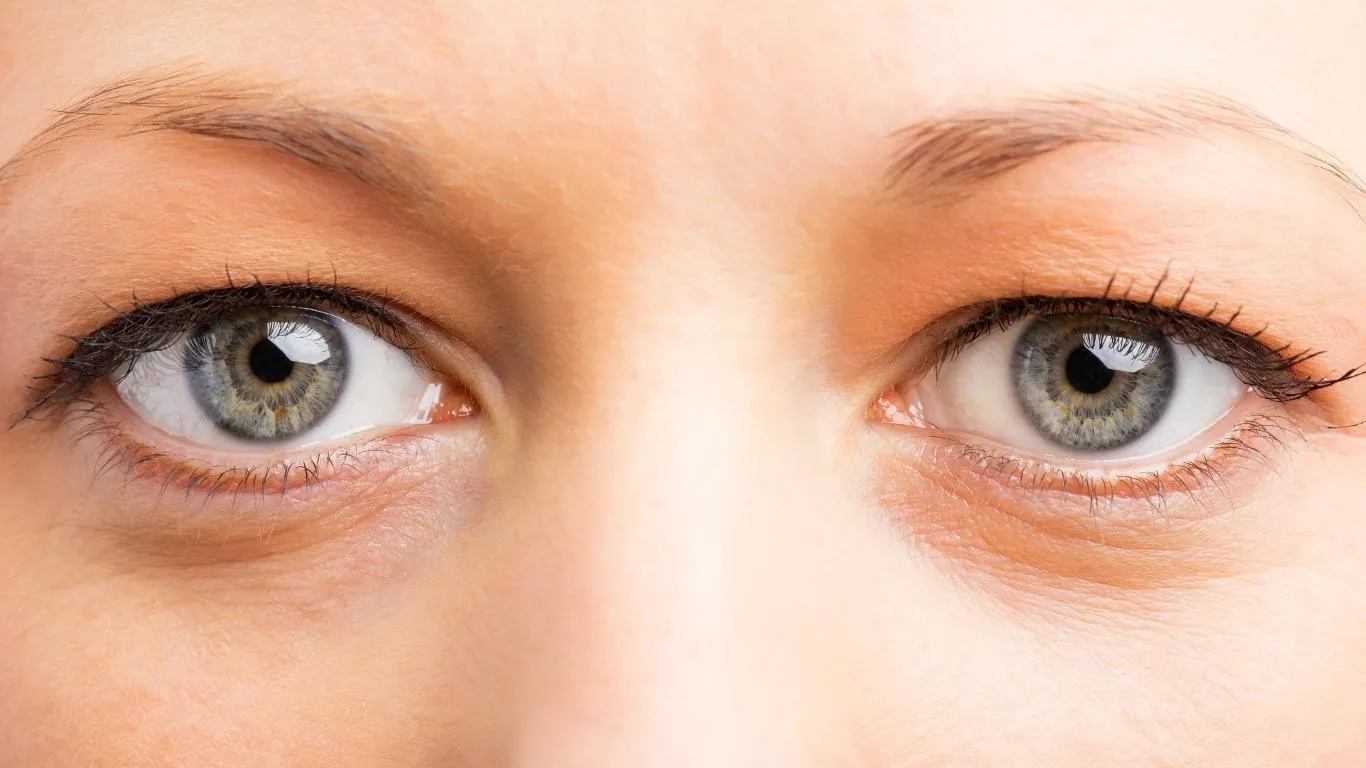
Floaters—those squiggly, transparent blobs—are actually small clumps of collagen inside the vitreous gel of your eye. They float and drift as your eye moves. Usually, they’re harmless and just a minor annoyance. But, after binge-watching those satisfying visual loops, they can suddenly become the star of the show.
The Role of Screen Brightness and Contrast
Calming videos often feature high-contrast visuals: bright skies, light sands, or snowy landscapes. When you watch content with a bright background, your pupils constrict, making floaters appear sharper and more pronounced against the bright canvas. I personally noticed that floaters get incredibly annoying when I watch white-themed ASMR cleaning videos on full brightness. It’s like they wait for the perfect stage lighting to perform their dance.
Reduced Eye Movement Amplifies the Issue
Here’s something I learned after endless hours of YouTube rabbit holes: when you’re focused on a calming video, your eyes move less. This lack of eye movement allows floaters to “settle” into a central position, making them harder to ignore. It’s not that you suddenly got more floaters; you’ve just become hyper-aware of the ones you already had.
- Still gaze on slow-motion videos
- Bright backgrounds magnifying the shadows of floaters
- Reduced blinking rate causing eye dryness, making floaters stand out
Does Blue Light Exposure Make Floaters Worse?
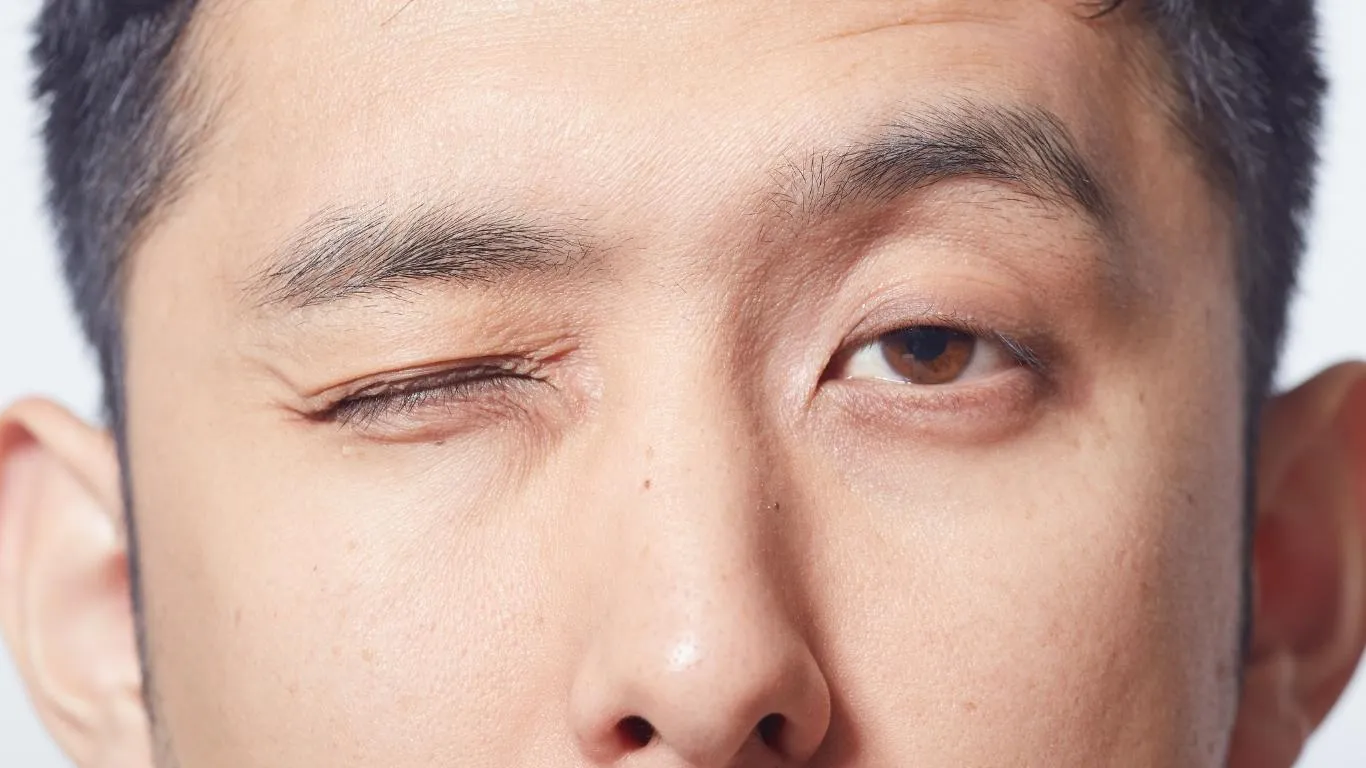
This is a hot topic. While blue light itself doesn’t directly cause floaters, prolonged exposure can lead to digital eye strain and dryness. Dry eyes can make existing floaters appear more prominent. Think of it like looking through a dirty windshield; every tiny speck becomes impossible to ignore. There’s an in-depth dive into why floaters get worse after screen exposure if you’re keen on understanding the mechanics.
What About Screen Time in Dim Rooms?
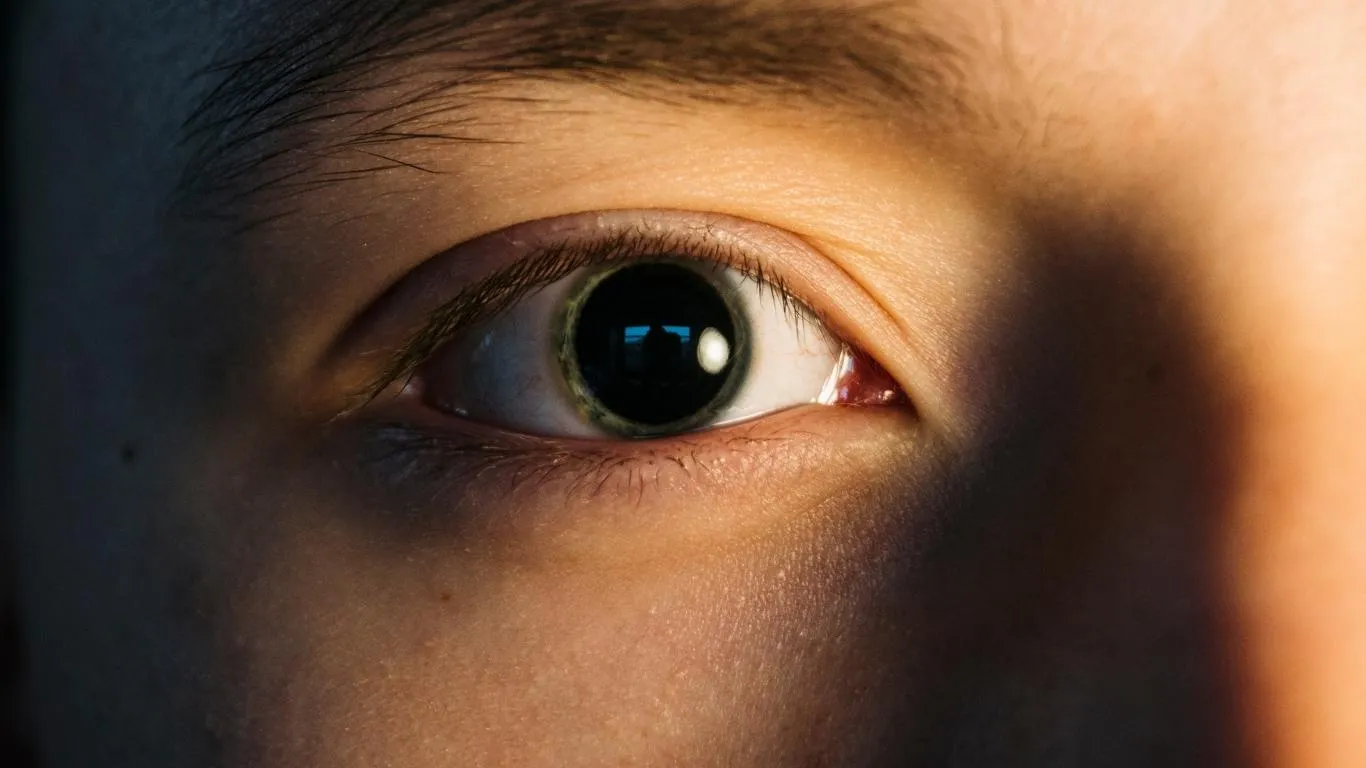
Ever noticed that floaters are more noticeable when you watch videos in a dark room? That’s because your pupils dilate in low light, increasing the depth of field, which paradoxically can make floaters more obvious. It’s not a glitch in your eyes—it’s just how optics work. For me, watching a calming aquarium loop in a pitch-black room practically guarantees a floater fest. Not fun.
How Eye Position and Viewing Angle Affect Floaters
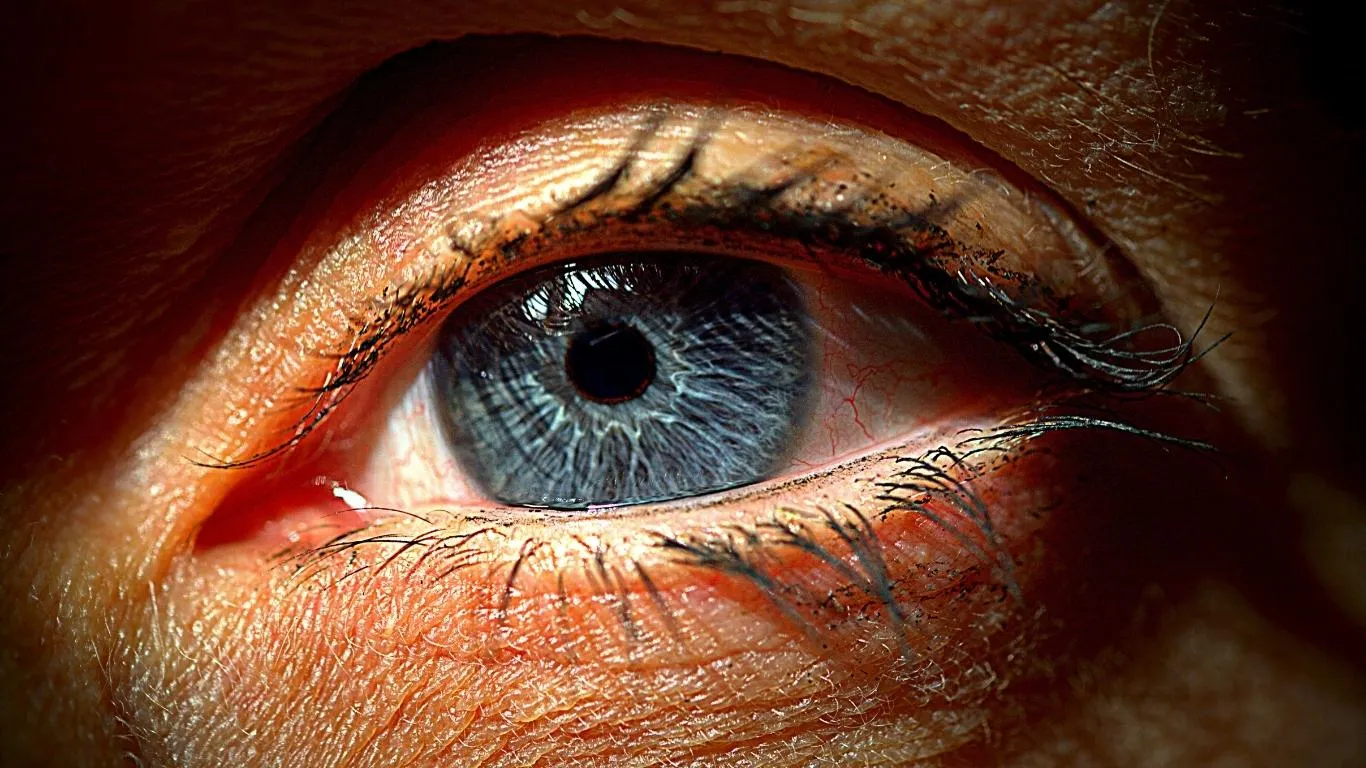
Your viewing angle plays a sneaky role. Tilting your head slightly or shifting your gaze up and down while watching can dislodge floaters from your central vision. On lazy evenings, I sometimes adjust my sitting posture while watching serene nature clips, and voilà—floaters drift away. Simple but effective trick.
- Look away every 20 seconds to reposition floaters
- Adjust screen angle to avoid direct light into your eyes
- Increase ambient lighting to reduce pupil dilation
Underlying Eye Conditions That Might Exaggerate This Phenomenon
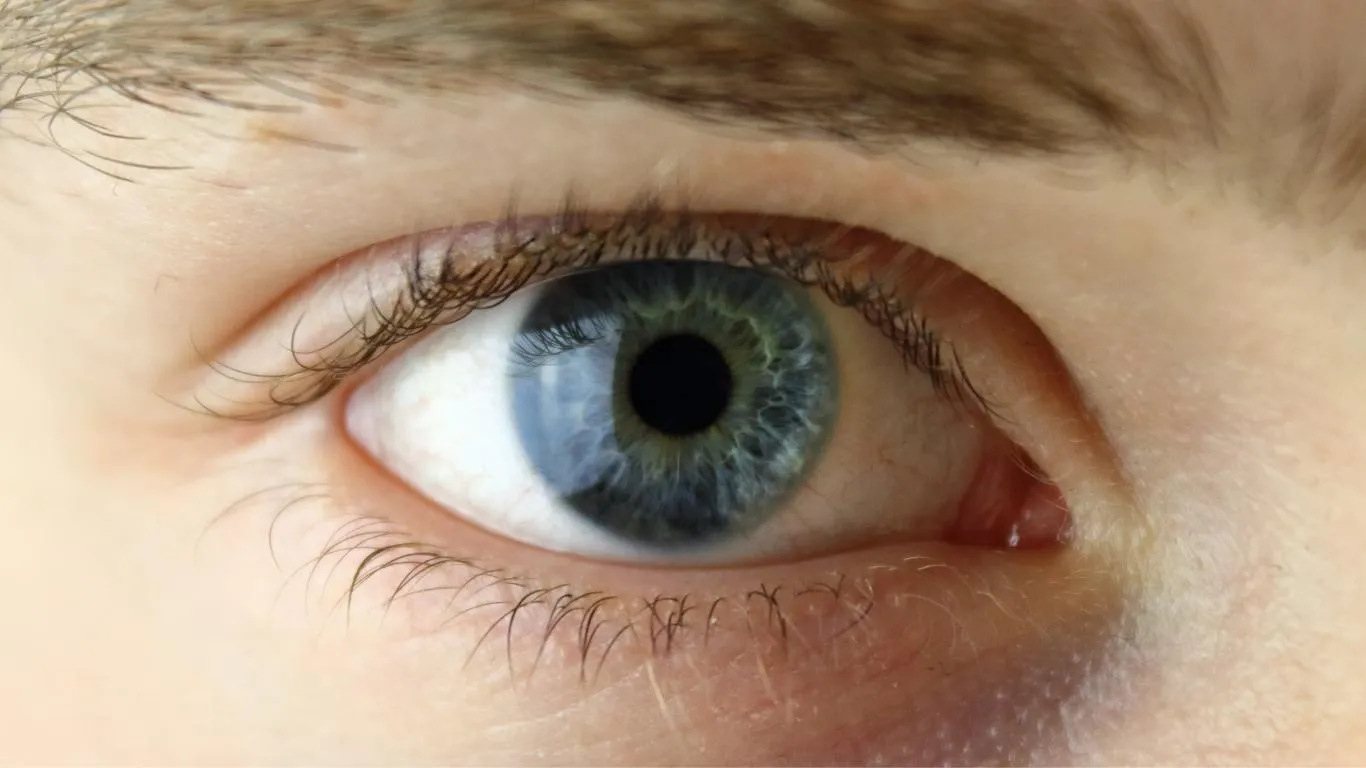
In most cases, floaters are benign. But if you’re suddenly seeing a dramatic increase in floaters, or if they’re accompanied by flashes of light, it’s time to get a professional check-up. Retinal issues like posterior vitreous detachment (PVD) could be the culprit. Learn more about PVD here because it’s better to be safe than sorry.
Also, floaters can sometimes signal more serious systemic conditions like high blood pressure or diabetic retinopathy. This article explains when floaters should not be ignored.
Natural Ways to Minimize Floaters While Watching Screens

While there’s no guaranteed way to eliminate floaters completely (trust me, I’ve tried), a few habits can help minimize their impact during screen time:
- Blink more often to keep your eyes lubricated.
- Use anti-reflective screen filters to reduce glare-induced floater contrast.
- Adjust screen brightness to a comfortable level that’s neither too bright nor too dim.
- Take quick “look-away” breaks every few minutes to reset your focus and reposition floaters.
For a deeper dive into holistic approaches, the natural remedies guide for managing eye floaters is worth a read. It separates the myths from the methods that actually help.
If you’re new to understanding floaters in general, check out our main guide on eye floater basics. It covers everything from what they are to the latest treatments available.
When Floaters Signal a Bigger Problem After Screen Time

Most floaters are harmless and just a quirky part of our vision. But if you suddenly experience a shower of new floaters, flashes of light, or a shadowy curtain creeping across your field of view, stop what you’re doing and call your eye doctor. These could be red flags for retinal detachment. Trust me, you don’t want to brush that off thinking it’s “just another floater day.”
Sometimes floaters pop up without any alarming symptoms, but being cautious never hurts. It’s always better to have a professional take a look.
Are You Mistaking Floaters for Digital Eye Strain?
I’ve had days where after hours of “relaxing” screen time, my eyes felt fatigued, and floaters seemed to multiply. But often, it was just digital eye strain mimicking floater-like symptoms—dryness, blurry spots, and visual discomfort. Hydration and screen breaks are absolute lifesavers. If you’re frequently in this cycle, the issue might not be floaters worsening but your eyes begging for a breather.
Effective Ways to Make Floaters Less Distracting During Video Sessions
While we can’t make floaters vanish with a magic blink, here are simple strategies I personally swear by to keep them from hijacking my relaxation time:
- Switch up your viewing environment: Try watching calming videos with ambient lighting instead of in a dark room.
- Use larger screens to reduce the concentrated strain that smaller devices like phones or tablets cause.
- Engage in a quick “eye roll” exercise every few minutes to dislodge floaters from your central vision.
- Hydrate—your eyes and your body. Dehydration can quietly amplify floater visibility.
Adjusting Viewing Habits for Floater-Friendly Screen Time
It sounds basic, but small adjustments go a long way. For instance, lowering the screen contrast and opting for softer color palettes can reduce the harshness that makes floaters pop out. Watching those cloudscape videos in “night mode” actually helped me enjoy them without the floating distractions.
Additionally, staying mindful of posture and screen distance plays a role. Floating blobs tend to be more noticeable when slouching with the screen too close. I found that keeping the screen slightly below my eye level worked wonders.
When Lifestyle Factors Might Be Making Things Worse
Ever wondered why some days the floaters seem chill, and other days they’re front and center? Lifestyle plays a huge role. Stress, poor sleep, high caffeine intake—all these can exacerbate the visual distraction of floaters. There’s a solid read on how stress hormones can make floaters more noticeable that’s worth checking.
Also, prolonged exposure to screens without proper breaks isn’t just tiring for your brain—it’s taxing on your eyes too. Here’s what happens during long screen sessions and how it contributes to floater visibility.
Are Supplements and Eye Exercises Worth Trying?
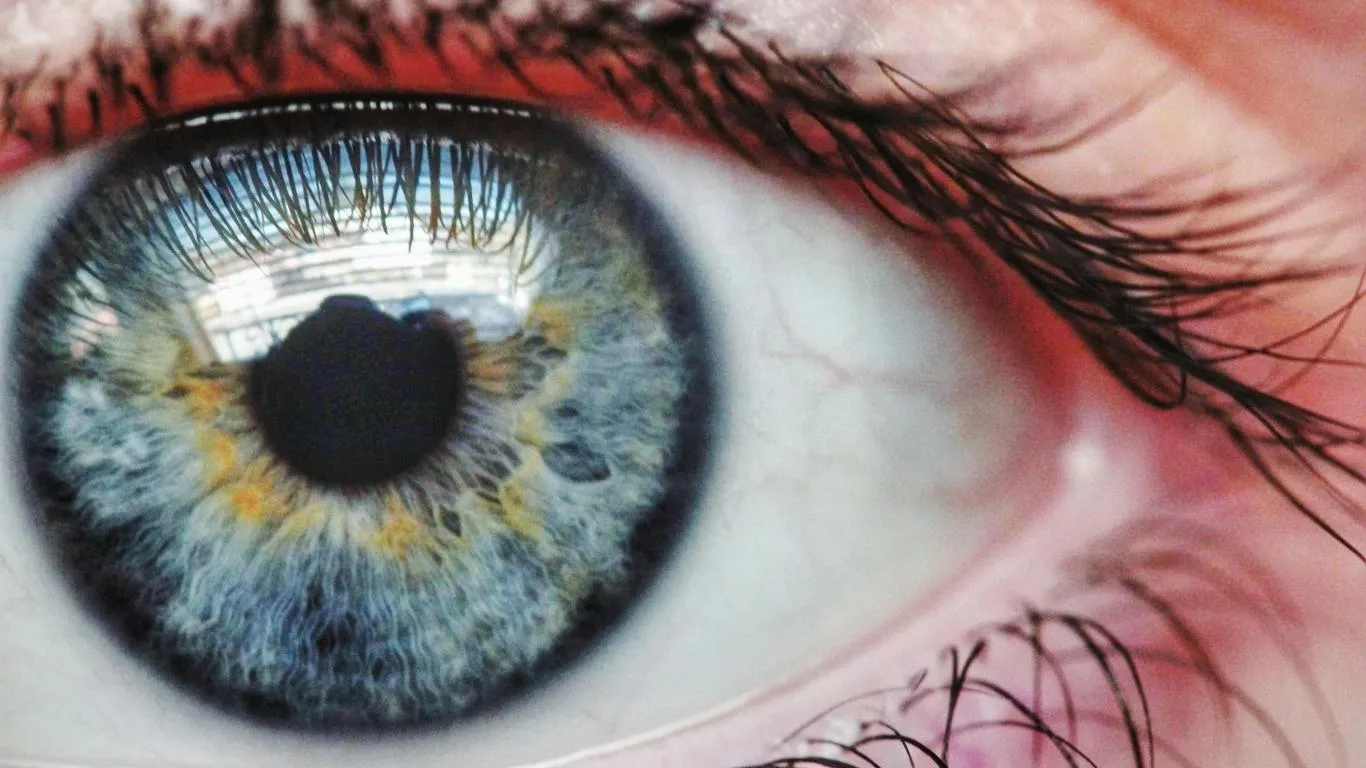
I used to be skeptical, but after diving into the science, certain supplements like Lutein and Omega-3 have some promising evidence for overall eye health. They won’t erase floaters, but they can enhance vitreous clarity over time. Eye exercises focusing on fluid circulation also help in managing floater interference during screen time.
Here’s a guide on supplements that actually work and aren’t just marketing fluff.
When Should You Consider Professional Treatments?
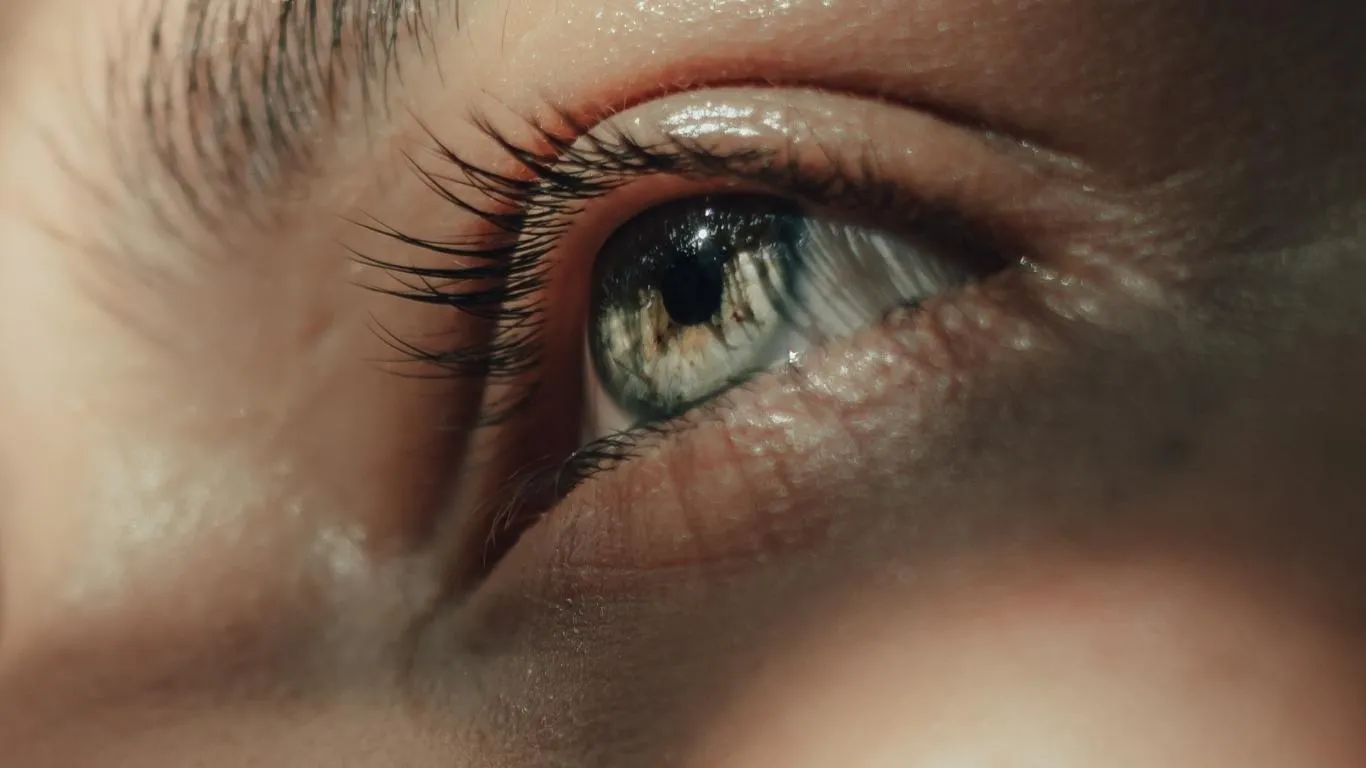
If floaters start interfering with daily life—like making it hard to read, drive, or, in our case, enjoy calming videos—it might be time to explore medical options. From laser vitreolysis to vitrectomy surgery, there are interventions available. Each comes with its pros and cons, so it’s a conversation best had with an eye specialist.
For a full breakdown of treatment options, this comprehensive guide lays it all out.
Meanwhile, keeping up with the latest on eye floaters, causes, symptoms, and new management options? Bookmark the main floater resource page to stay updated and informed with evidence-based insights.

Camellia Wulansari is a dedicated Medical Assistant at a local clinic and a passionate health writer at Healthusias.com. With years of hands-on experience in patient care and a deep interest in preventive medicine, she bridges the gap between clinical knowledge and accessible health information. Camellia specializes in writing about digestive health, chronic conditions like GERD and hypertension, respiratory issues, and autoimmune diseases, aiming to empower readers with practical, easy-to-understand insights. When she’s not assisting patients or writing, you’ll find her enjoying quiet mornings with coffee and a medical journal in hand—or jamming to her favorite metal band, Lamb of God.