Why Floaters After Car Rides on Sunny Days Feel Worse
Ever been cruising on a bright, cloudless day and suddenly noticed squiggly shapes drifting across your vision? That was me last month, driving home from a weekend hike. Clear skies, sunglasses on, music up… and then these weird floaty things started dancing in front of my eyes. It wasn’t the first time, but for some reason, it felt more noticeable during that sunny car ride. If you’ve experienced something similar—seeing floaters after car rides on sunny days—you’re not alone. Let’s dive into why this happens and what it could mean for your eyes.
Why Floaters Become More Noticeable During Sunny Car Rides
Floaters are usually harmless, but there’s something about sunny car rides that makes them stand out like a sore thumb. The science behind it is pretty straightforward—our eyes are more likely to detect floaters when the light conditions are bright and the background is uniform, like a clear blue sky or the white hood of your car. The sunlight streaming through your windshield enhances the contrast, making floaters easier to spot.
What Are Eye Floaters, Anyway?
They’re tiny clumps or strands of collagen that float inside the vitreous humor—the clear gel that fills the inside of your eye. Most of us start seeing them as we age, especially if you’re nearsighted like me. I first noticed mine in my late 30s, and while they’re usually harmless, they can be annoying.
Light, Reflections, and Eye Strain: A Perfect Storm
Driving on sunny days isn’t just about brightness—it’s also about glare and reflection. That combo strains your eyes, especially if you’re staring at the road for long periods. Eye fatigue makes it harder for your brain to filter out visual “noise,” so floaters pop into focus more easily. If you’re already prone to floaters, expect them to feel more intrusive when the sun is out.
Who’s More Likely to See Floaters After Car Rides?
- People with high myopia (yep, that’s me)
- Those over 40 experiencing presbyopia and vitreous changes
- Anyone recovering from eye surgery like LASIK or cataract procedures
- Folks with chronic eye dryness or irritation—common when AC vents blow right into your face
It’s also worth noting that if you’ve had a recent car accident or eye trauma, floaters shouldn’t be ignored. They could signal more serious changes in the retina.
My Personal Trick: Adjusting My Seating
After a few floaters-filled drives, I started experimenting. I adjusted my car seat so sunlight didn’t hit directly on my eyes. Wearing polarized sunglasses helped too—not just any sunglasses, but the kind that cut glare on the dashboard and road. It made a surprising difference.
Sunlight and Vitreous Detachment: What You Should Know
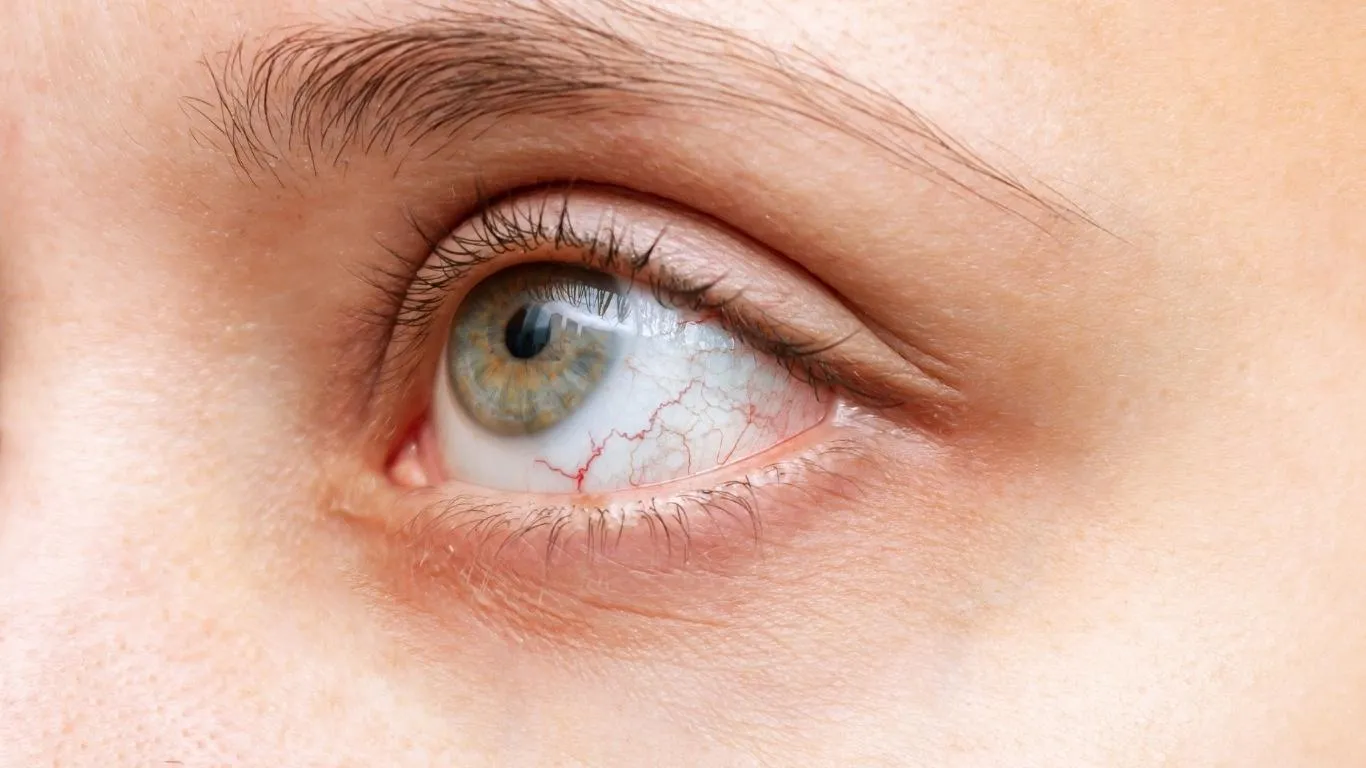
Bright sunlight doesn’t cause floaters, but it can certainly expose their presence. However, in some cases, the increase in visibility could point to a posterior vitreous detachment (PVD), which is especially common after age 50. If you’re suddenly seeing floaters during or after sunny car rides and they’re new or increasing, this may be the cause. Don’t just brush it off—an eye exam can rule out serious issues like a retinal tear.
How to Reduce Floaters While Driving
- Use quality polarized sunglasses – They cut glare, which can reduce eye strain and floater visibility.
- Avoid staring at the sky or dashboard – Look at areas with more texture or detail, which makes floaters less noticeable.
- Keep your windshield clean – Dust and smudges can trick your brain into seeing more floaters than are actually there.
- Take breaks during long drives – Eye fatigue worsens floater perception.
Some people even swear by natural methods or supplements. I found some supplements do help with long-term vitreous clarity. Not a miracle fix, but noticeable over time.
When Floaters Aren’t Just Floaters
There’s a big difference between the odd speck or thread and sudden, persistent floaters—especially if accompanied by flashes of light, a dark curtain in your vision, or worsening clarity. In those cases, see an eye doctor right away. These could indicate a retinal tear, detachment, or even diabetic retinopathy.
Also, inflammatory eye conditions like uveitis can create floaters that don’t shift or fade. They’re more stubborn and sometimes painful, which is a red flag.
If you’re still unsure what your floaters might mean, this guide on eye floaters vs. other eye issues can help clear up the confusion.
For a full understanding of treatments—ranging from lifestyle changes to surgery—take a look at our in-depth article on causes, symptoms, and treatment options.
Can Floaters Be Reduced Over Time—Or Are They Forever?
I used to wonder if I was stuck with these annoying floaters forever. The good news? Not always. While many floaters are permanent, they often fade or settle out of your direct line of sight. Your brain also gets better at ignoring them—a process called neuroadaptation. That said, some floaters linger and become truly disruptive, especially after frequent exposure to bright light and long drives.
If yours are getting worse instead of better, it’s a signal to take them seriously—especially if you’re noticing them only during specific scenarios like car rides in sunlight or after other triggers like screen time fatigue.
When You Should See an Eye Specialist
Here’s a rule of thumb I live by: if floaters are sudden, growing in number, or come with flashes or shadowy vision loss, I don’t wait—I call my eye doc. These could signal a retinal tear or detachment, both of which need urgent care. If you’re unsure whether it’s serious or not, this article on danger signs of floaters is a great place to start.
Managing Floaters Naturally and Preventively
Over the years, I’ve tried a bunch of things. While not every method works for everyone, some do make a difference—especially when it comes to minimizing flare-ups after driving on sunny days.
Here’s what’s helped me personally:
- Staying hydrated – This sounds too simple, but dehydration absolutely worsens floaters, especially in warm cars with dry air.
- Lutein and zeaxanthin-rich foods – Think leafy greens, eggs, and yellow corn. These antioxidants support retinal health and improve contrast sensitivity.
- Reducing screen time before driving – Tired eyes are more sensitive to visual artifacts.
- Wearing blue-light filtering glasses – Not just indoors. Some of these lenses help reduce sun glare and limit floater visibility outdoors.
For more evidence-backed suggestions, check out our guide on natural ways to manage floaters. Not everything in the supplement aisle works, but there are a few that do help—especially those targeting vitreous collagen stability.
Surgical Options: When Nothing Else Works
For those dealing with severe, persistent floaters that interfere with daily life—even while driving, reading, or using screens—surgery might be the next step. I haven’t gone this route myself, but I’ve spoken with people who had vitrectomy, a procedure that removes the vitreous gel and replaces it with a saline solution. It can be life-changing—but it’s not without risks.
There’s also laser vitreolysis, which vaporizes floaters using laser pulses. Some ophthalmologists swear by it; others are cautious. It’s not for everyone, and results vary depending on floater type and eye health. You’ll want to speak with a retinal specialist before considering either option.
Read more on all available medical solutions in this deep-dive: Eye Floater Treatments from Observation to Surgery.
Is It Normal to Only See Floaters After Driving?
Absolutely. In fact, floaters tend to be more noticeable in very specific conditions—like when the sun hits the dashboard just right or when your car interior reflects light off light-colored surfaces. If your floaters seem to “disappear” indoors but show up while driving, especially on sunny days, you’re not imagining it.
This phenomenon is well documented and explained in research on contrast perception. But remember, if you begin seeing floaters more frequently regardless of lighting or they start interfering with daily vision, it’s time to dig deeper—possibly with a full retinal scan to rule out conditions like early-stage retinal tear.
Driving With Floaters: Tips From the Road
Here’s what I’ve found works best during sunny drives:
- Avoid white clothing inside the car – it reflects light and makes floaters stand out more.
- Keep sunglasses in your car, not just your bag – if they’re always in reach, you’ll use them more consistently.
- Switch to a darker dashboard cover – a simple fix that surprisingly reduces contrast glare.
If you deal with both floaters and motion sensitivity, check out this article on whether floaters can cause motion sickness. Some people are more sensitive than others.
The Mental Side of Seeing Floaters
This one gets overlooked, but let’s talk mental health for a sec. Floaters might seem minor on paper, but if you’re constantly seeing them—especially in moments meant to be peaceful like a quiet drive or a sunset—it starts to chip away at your well-being.
I went through a phase where I obsessed over them, checking the sky or white walls just to see if they were “still there.” Not healthy. Turns out, persistent floaters can absolutely affect your mental state. If that sounds familiar, don’t hesitate to talk to someone. Anxiety and eye strain often go hand in hand.
And if you’re in the thick of it, this helpful post on stress-induced floater relief gave me some solid tools for managing both the symptom and the stress behind it.
What To Do Next If Your Floaters Are Getting Worse
If floaters are suddenly more noticeable—especially while driving—or you’re feeling uneasy about what you’re seeing, don’t hesitate to reach out to a trusted eye specialist. Early detection of vitreous or retinal issues is everything. And don’t just Google symptoms endlessly (I’ve done that). Book a proper retinal check.
In the meantime, educate yourself further by exploring the full guide to what causes floaters, symptoms to watch for, and how to treat them.

Camellia Wulansari is a dedicated Medical Assistant at a local clinic and a passionate health writer at Healthusias.com. With years of hands-on experience in patient care and a deep interest in preventive medicine, she bridges the gap between clinical knowledge and accessible health information. Camellia specializes in writing about digestive health, chronic conditions like GERD and hypertension, respiratory issues, and autoimmune diseases, aiming to empower readers with practical, easy-to-understand insights. When she’s not assisting patients or writing, you’ll find her enjoying quiet mornings with coffee and a medical journal in hand—or jamming to her favorite metal band, Lamb of God.