Why Floaters After Eating Salty Foods Might Be a Red Flag
We’ve all had those days—too many chips, ramen, or a salty snack binge. I used to think the worst that could happen was puffiness or thirst, but then I noticed something weird. Floating specks in my vision, especially the morning after high-sodium meals. At first, I brushed it off. But when it kept happening, I knew there had to be more to the story. Turns out, there’s a deeper link between sodium and eye health that most people completely miss.
Can Salt Really Affect Your Eyes?
Believe it or not, excess sodium intake doesn’t just mess with your blood pressure—it can subtly impact your eyes too. Many folks assume floaters are a normal sign of aging or eye strain, but dietary triggers can play a bigger role than we think. Especially salt.
So how does salt, of all things, mess with your eyes?
Fluid Retention and Vitreous Changes
When your body retains water due to excess salt, it’s not just your ankles or face that puff up. The vitreous humor—the gel-like substance inside your eye—can be affected too. High sodium can alter the fluid balance in the eye, making floaters more noticeable or even triggering new ones.
Increased Blood Pressure and Retinal Health
Elevated sodium consumption is a known contributor to high blood pressure. Chronically elevated blood pressure can strain the blood vessels in your eyes, potentially contributing to issues like diabetic retinopathy floaters or inflammation-based floaters. Even if you’re not diabetic, the vascular stress from sodium can lead to micro-damage that shows up as floaters.
Why You Might See More Floaters After Salty Meals
Temporary Dehydration Effects
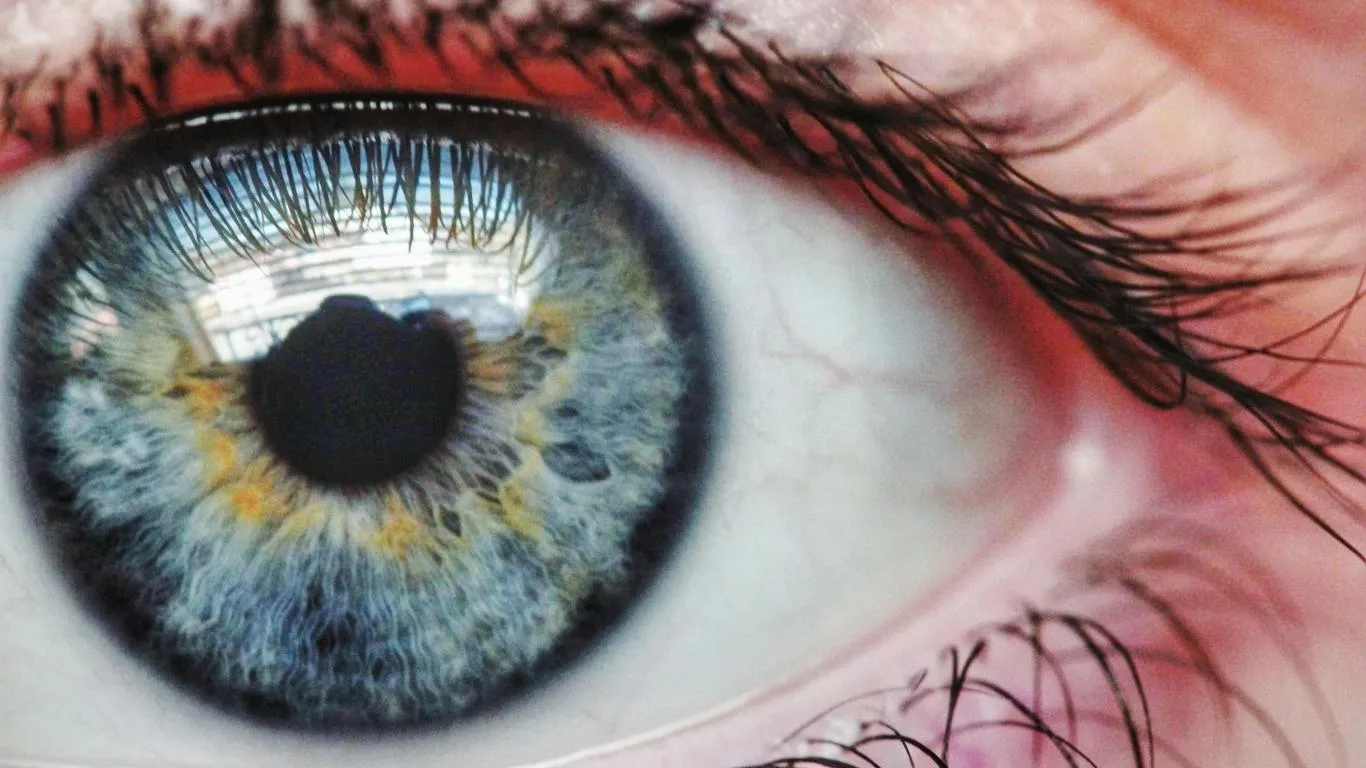
This is a big one. Sodium pulls water from cells, and when you’re dehydrated, your eye’s vitreous becomes less stable. A less hydrated vitreous can shrink or shift, causing the collagen fibers inside to clump and cast shadows—aka floaters. I always notice more floaters the day after I’ve eaten instant noodles without drinking much water. Coincidence? Apparently not.
If this pattern sounds familiar, you’re not imagining it. Studies have shown that dehydration—even temporary—can increase visual disturbances. The eye needs hydration just like the rest of your body. For some, floaters might simply be a dehydration warning sign.
Blood Sugar and Sodium Interactions
Here’s something else I learned the hard way. Many high-sodium foods are also high in simple carbs. Think crackers, chips, or processed frozen meals. These spike your blood sugar—and then crash it. That combo of sodium and sugar rollercoaster can disrupt the eye’s internal environment. There’s an emerging connection between blood sugar fluctuations and floaters, even in non-diabetics.
Stress Response and Circulation
Strangely enough, even the act of binging salty foods while stressed out could be part of the problem. Stress elevates cortisol and adrenaline, both of which affect circulation and fluid retention. If your salt binge happens during a tense moment—hello emotional eating—it could be compounding the effects on your vision. Yes, stress can worsen floaters, too.
How to Tell If Sodium Is Causing Your Floaters
Track Timing and Triggers
What worked for me? I started keeping a simple journal. I noted when I saw floaters, what I had eaten the day before, hydration levels, and sleep. Patterns emerged quickly. For me, floaters consistently showed up the day after eating salty processed snacks—especially late at night. If you’re noticing floaters more often, especially after indulgent meals, it might not be random.
Try Cutting Sodium for a Week
This one’s easy to test. Try eating fresh, low-sodium meals for a week. Lots of greens, fruit, lean protein, minimal salt. Track any change in floater frequency or intensity. Many people report clearer vision within days of cutting back on sodium and boosting hydration. Floaters that seemed constant may become less noticeable—or fade altogether.
When to Worry: Are These Floaters Normal?
Let’s be real: not every floater is harmless. While salt-related floaters tend to be temporary and diet-induced, some floaters can be a red flag for something more serious, like a retinal tear or detachment. If your floaters:
- Appear suddenly and in large numbers
- Are accompanied by flashes of light
- Come with partial vision loss
…don’t wait. See an eye specialist immediately.
For more information about different floaters and how to recognize warning signs, visit our comprehensive guide on eye floater symptoms you shouldn’t ignore.
What Can You Do About It?
Hydrate. Hydrate. Hydrate.
This cannot be stressed enough. Drinking water helps stabilize the vitreous and may reduce the visibility of floaters. Aim for half your body weight in ounces per day—more if you’re active or sweating.
Balance Your Diet
Focus on potassium-rich foods like bananas, spinach, and sweet potatoes to offset the effects of sodium. Include omega-3s, antioxidants, and plenty of vitamin C—nutrients that support overall eye health. Here’s a helpful breakdown of diet changes to naturally reduce floaters.
Know What to Watch For
Floaters don’t always go away, but understanding your personal triggers—like sodium—can give you some control. Noticing patterns in your vision after salty meals could be your body’s way of nudging you toward better habits.
If you’re ready to dive deeper into the root causes, we recommend checking out our full guide on common causes of eye floaters and the more comprehensive breakdown at what are eye floaters, causes, symptoms, and treatment.
What Eye Experts Say About Sodium and Vision Changes
I wasn’t the only one raising an eyebrow about the floater-salt connection. I actually brought it up during an annual eye exam, expecting my optometrist to laugh it off. Instead, he nodded and explained that while floaters are usually benign, dietary patterns absolutely can influence their frequency and severity. Especially for people sensitive to sodium or prone to mild dehydration.
According to the American Academy of Ophthalmology, while no conclusive study ties sodium directly to floaters, indirect links—like vascular health, fluid balance, and oxidative stress—can all contribute. And all of those are affected by what we eat.
Floaters as an Early Warning System
He also mentioned something I hadn’t considered: recurring floaters after sodium-heavy meals might not just be annoying—they could be an early sign that your eyes aren’t getting the support they need. It’s not about the salt itself causing floaters directly, but rather how salt contributes to a less-than-ideal internal environment for your vision to thrive.
This was the eye-opener (pun intended) I needed. Floaters weren’t just visual clutter; they were signals.
Everyday Sodium Traps to Avoid
When we think “salty food,” we imagine chips and fries. But a lot of high-sodium culprits are sneakier than that. If you’re seeing floaters and your diet includes any of the following on a regular basis, you might want to make some swaps:
- Pre-packaged soups (even the “healthy” ones)
- Deli meats and sausages
- Instant noodles or cup ramen
- Bread and bakery items with added salt
- Canned vegetables (especially with added sauces)
- Restaurant sauces, dressings, or takeout
These foods don’t just raise your blood pressure—they may be contributing to your visual disturbances without you realizing it. It’s worth noting that many people who develop floaters earlier in life also report higher processed food consumption, which often means higher sodium intake.
Small Daily Habits That Can Make a Difference
If you’re not ready to throw out your favorite snacks altogether, good news—you don’t have to. The goal isn’t total sodium elimination; it’s balance and support. Here are the habits I personally started using that made a massive difference in how often I saw floaters:
- Drink water before and after meals – especially salty ones.
- Add potassium-rich sides like avocado or sweet potato when eating processed foods.
- Cut sodium elsewhere if I knew I was going to eat something salty later.
- Started taking magnesium and lutein supplements (approved by my doctor, of course).
- Incorporated eye-friendly teas like green tea and turmeric blends.
Over time, I noticed floaters showing up less often. And when they did, they were less annoying. Whether that was a placebo or not, I’ll take it.
What If Floaters Don’t Go Away?
So let’s say you’ve made changes. You’ve cut the sodium, upped your water, and still—there they are. Those squiggly shadows in your line of sight. What now?
Persistent floaters, especially if they’re in the same location or appear darker or more dense, may require further evaluation. Floaters that cluster in specific zones or change in shape can sometimes point to something structural inside the eye, like vitreous syneresis or even early-stage retinal issues.
There are advanced treatments available—from laser vitreolysis to vitrectomy—but these are typically reserved for severe, chronic cases. Many specialists now prefer to explore non-invasive options first, including clinic-based floaters treatments that focus on comfort, monitoring, and lifestyle changes.
Diet Is a Long Game
Here’s the thing: dietary changes take time. Just like it takes time to build up toxins or fluid imbalance in the body, it also takes time to correct them. That said, your eyes are incredibly responsive to hydration, nutrition, and inflammation levels. Think of your floaters not as a curse, but a useful barometer of internal balance.
Extra Tips That Helped Me Personally

Everyone’s different, but these little tricks worked for me and others in my circle dealing with the same issue:
- Dim screen brightness and use warm-toned filters in the evening.
- Take screen breaks every 20 minutes and look at something 20 feet away.
- Practice light eye yoga (yes, it’s a thing!) to reduce eye strain.
- Cut caffeine slightly on days I’d eaten salty food—it helped calm the nervous system.
- Keep electrolyte-balanced drinks handy instead of sodas or juice.
Over time, my floaters went from daily annoyance to something I barely noticed. And when they do show up again, I can usually trace it to poor food choices or dehydration—and fix it fast.
There’s no magic cure for floaters, but I’ve learned that for many of us, the power is in prevention. The more we support our eyes through smart habits, the better chance we have of keeping our vision clear—and floaters minimal.
To explore more about what really causes floaters and how to manage them naturally or medically, dive deeper into the full eye floater resource here.

Camellia Wulansari is a dedicated Medical Assistant at a local clinic and a passionate health writer at Healthusias.com. With years of hands-on experience in patient care and a deep interest in preventive medicine, she bridges the gap between clinical knowledge and accessible health information. Camellia specializes in writing about digestive health, chronic conditions like GERD and hypertension, respiratory issues, and autoimmune diseases, aiming to empower readers with practical, easy-to-understand insights. When she’s not assisting patients or writing, you’ll find her enjoying quiet mornings with coffee and a medical journal in hand—or jamming to her favorite metal band, Lamb of God.