Why Floaters After Deep Emotional Conversation Feel Worse and How to Ease Them
Last month, after an intense heart-to-heart with a close friend, I noticed something odd — tiny shadowy specs floating across my vision. They weren’t there before. It wasn’t just me overthinking; these floaters appeared as soon as the emotional wave subsided. That got me wondering: can a deep emotional conversation actually trigger eye floaters?
Understanding Why Floaters Appear After Emotional Conversations
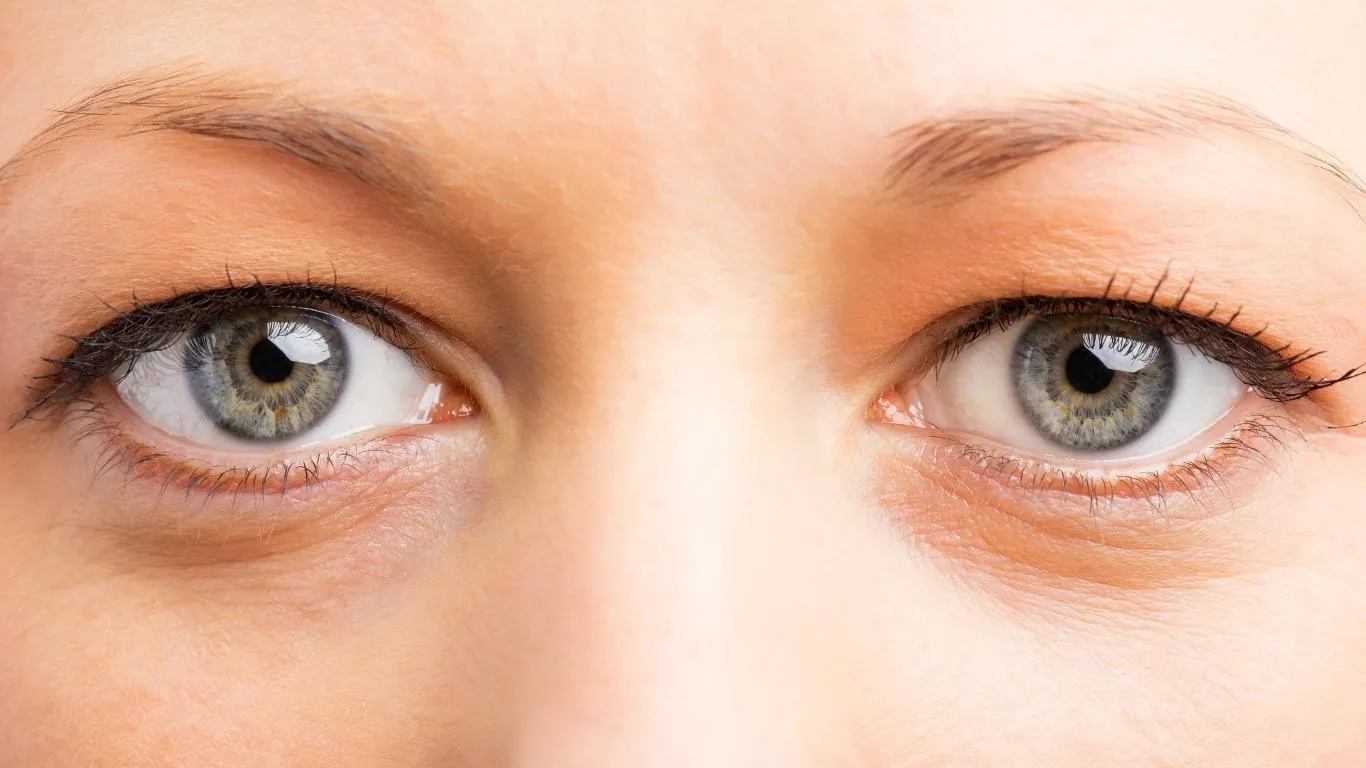
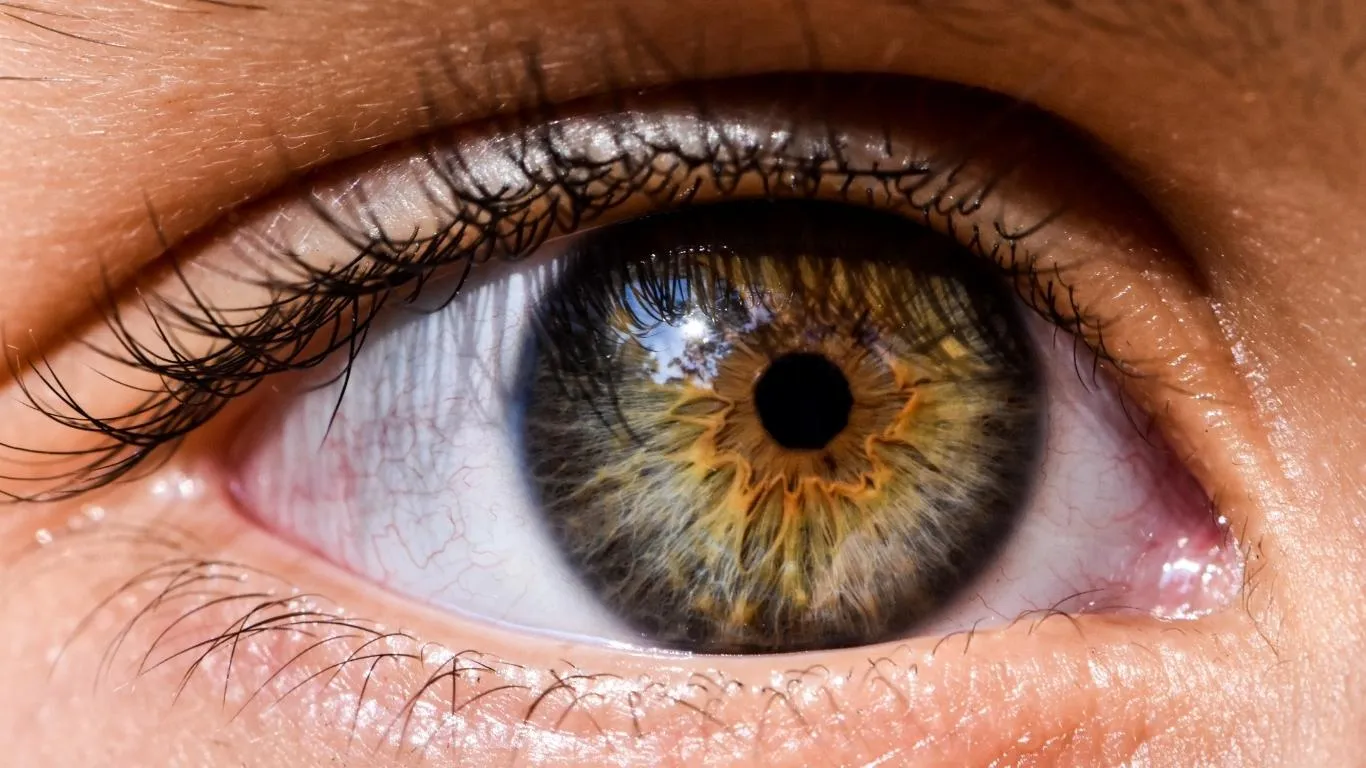
Floaters are tiny clumps of gel or cells inside the vitreous — the clear, jelly-like substance filling your eyeball. When you’re deep in an emotional conversation, your body doesn’t just react emotionally; it responds physically too. An adrenaline rush, rapid breathing, and elevated heart rate can subtly affect your eyes in ways most people never notice until they see those pesky floaters drifting around.
Stress and Cortisol: The Silent Floaters Culprits
Whenever emotions run high, your body floods with cortisol. This stress hormone doesn’t directly create floaters, but it can exacerbate existing ones or make dormant ones suddenly noticeable. Eye specialists often point out that stress can increase vitreous movement, causing floaters to become more apparent against bright backgrounds like white walls or clear skies.
- Adrenaline rush increases ocular blood flow.
- Elevated cortisol impacts vitreous consistency over time.
- Emotional tension can trigger eye strain, making floaters pop into visibility.
If you’ve ever found yourself rubbing your eyes after an emotional conversation, you’re not alone. It’s a common reflex, but excessive eye rubbing could worsen floaters by disturbing the vitreous body.
The Emotional-Eye Connection: More Than Just Coincidence
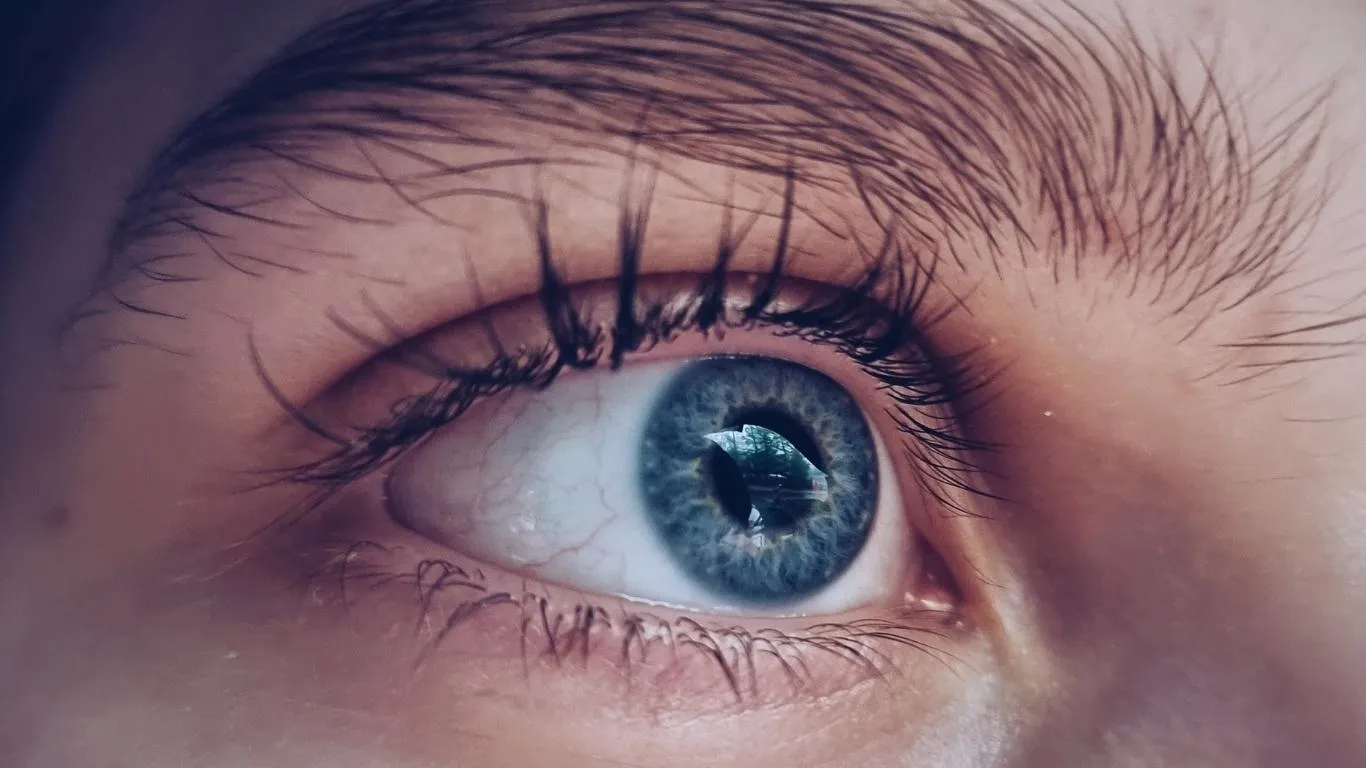
Emotional upheavals, especially ones involving crying or tension, put a surprising amount of strain on your visual system. The sudden shifts in breathing patterns and blood pressure during emotional conversations can impact ocular health.
Why Crying Intensifies Floaters
Ever noticed how floaters seem worse after a crying spell? It’s not your imagination. Crying can temporarily change the way light passes through the vitreous gel, making floaters seem darker and more prominent. Additionally, the inflammation that can accompany a good cry may aggravate minor eye issues, bringing those floaters front and center.
For more details on how emotional stress can impact floaters, you might want to check out this comprehensive article on floaters after emotional trauma.
The Role of Breathing and Eye Pressure
Deep, erratic breathing during heavy conversations can cause subtle fluctuations in intraocular pressure. Though not dangerous in most cases, these micro-shifts can lead to temporary changes in how floaters behave in your visual field. Eye pressure changes are a well-documented contributor to floaters becoming more noticeable during and after emotionally taxing moments.
When Should You Be Concerned About Floaters After Emotional Conversations?
While occasional floaters after an emotional talk aren’t unusual, certain red flags shouldn’t be ignored:
- Sudden increase in the number of floaters.
- Floaters accompanied by flashes of light.
- Peripheral vision loss (like a curtain effect).
These could indicate more serious retinal conditions that need immediate medical attention. An excellent resource to understand the difference between benign floaters and serious warning signs is this guide on floaters before a retinal tear.
Most Cases Are Harmless, But Stay Vigilant
Eye floaters after emotional conversations are typically benign, but if you notice persistent changes, it’s worth consulting an ophthalmologist. Emotional triggers often reveal floaters that were already there but hidden in the periphery.
Can Stress-Induced Floaters Become Permanent?
Most floaters that become noticeable after emotional stress don’t stick around forever. Your brain has an amazing way of filtering them out over time through a process known as neuro-adaptation. However, if stress and emotional strain are chronic, the impact on your vitreous might lead to more persistent floaters.
Interestingly, studies on stress and vision health from ncbi.nlm.nih.gov suggest that long-term emotional stress could play a role in vitreous degeneration, especially in people predisposed to it genetically.
Natural Ways to Minimize Visibility
- Practicing controlled breathing techniques post-conversation.
- Keeping yourself hydrated to maintain vitreous clarity.
- Using proper lighting conditions to reduce floater contrast.
Learn more about effective methods to reduce floaters naturally, even those triggered by emotional stress.
Is There a Genetic Link? Family History & Floaters Sensitivity
While not everyone will see floaters after a deep conversation, if your parents or siblings are prone to floaters, chances are you’ll notice them too, especially in emotionally charged situations. Genetics plays a significant role in the vitreous structure, and emotional stress just becomes the trigger that reveals an underlying tendency.
For a deep dive into hereditary factors, see this guide on eye floaters and genetics.
Related Reads You Shouldn’t Miss
Practical Tips to Manage Floaters Triggered by Emotional Stress
So, you’ve just had a deep emotional conversation, and now those annoying floaters are dancing across your vision? Don’t worry; you’re not stuck with them forever. There are simple, everyday strategies that can help minimize their impact and give your eyes a much-needed break.
Stay Hydrated and Eat for Your Eyes
It might sound cliché, but staying well-hydrated keeps the vitreous gel in your eyes from becoming overly viscous. I started being more conscious of my water intake after noticing how my floaters became less prominent when I was consistently hydrated.
- Include foods rich in omega-3 fatty acids, like salmon and flaxseeds.
- Leafy greens packed with lutein and zeaxanthin are your eyes’ best friends.
- Snack on nuts for a quick dose of eye-protective antioxidants.
Want a deeper dive into how nutrition impacts floaters? Check out this helpful read on diet changes for improving eye floaters.
Breathing Exercises and Mindful Relaxation
One thing I’ve found incredibly helpful is practicing slow, deep breathing after emotionally intense conversations. It not only calms my mind but also reduces the “jumpy” movement of floaters that tends to happen when my heart’s racing.
- Try a simple 4-7-8 breathing technique right after stressful talks.
- Close your eyes in a softly lit room and focus on relaxing your eye muscles.
- Avoid staring at bright white screens immediately after emotional episodes.
Eye Floater Treatments: When Should You Consider Seeing a Specialist?
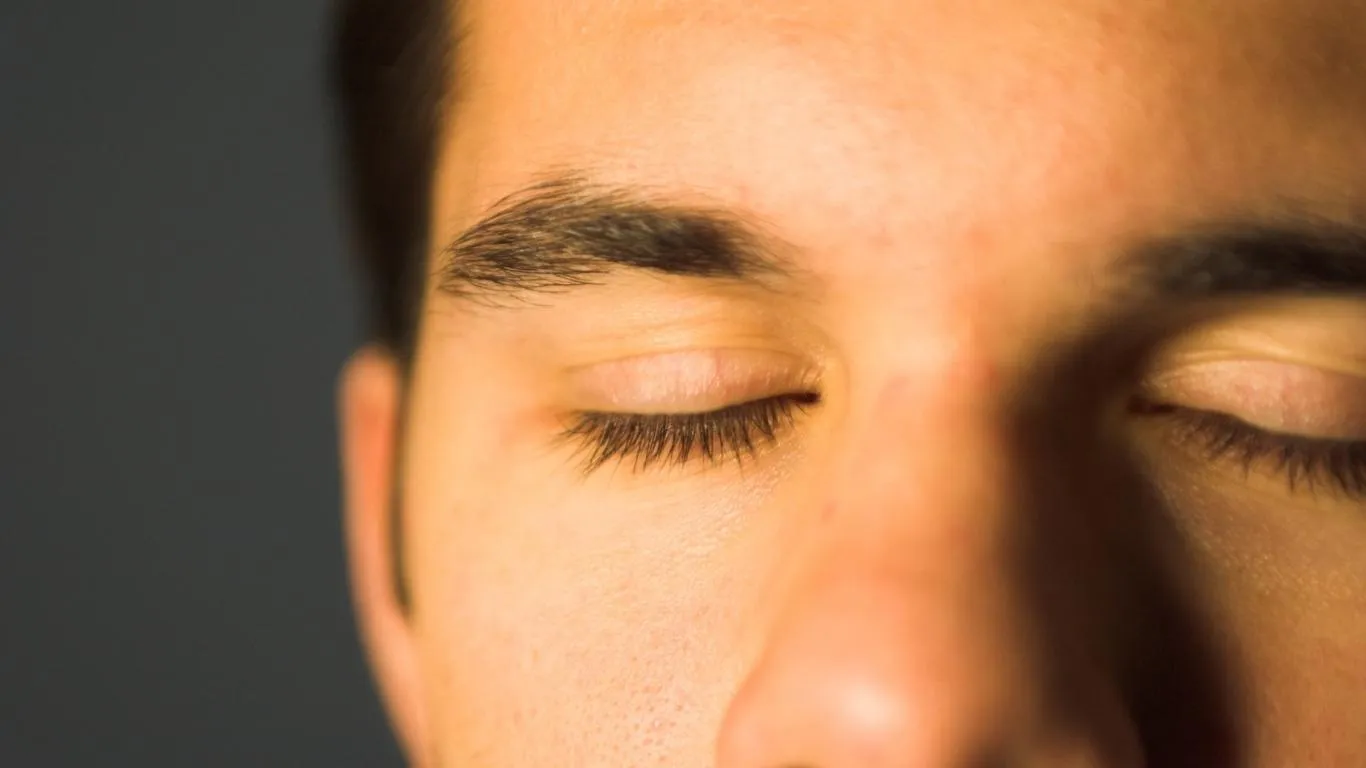
For most of us, floaters triggered by emotional stress will fade from attention over time. But if they start interfering with daily activities or appear suddenly in large clusters, it’s a good idea to consult an eye specialist. Treatments like YAG laser vitreolysis or vitrectomy are available, but they’re typically reserved for severe cases.
Here’s a solid resource that dives into various treatment options for eye floaters — from simple observation to surgical procedures.
Signs You Shouldn’t Ignore
- Floaters appearing alongside light flashes.
- Loss of side vision or a shadow curtain effect.
- Floaters that appear after an impact to the head or eye trauma.
Long-Term Eye Care Habits That Help Keep Floaters in Check
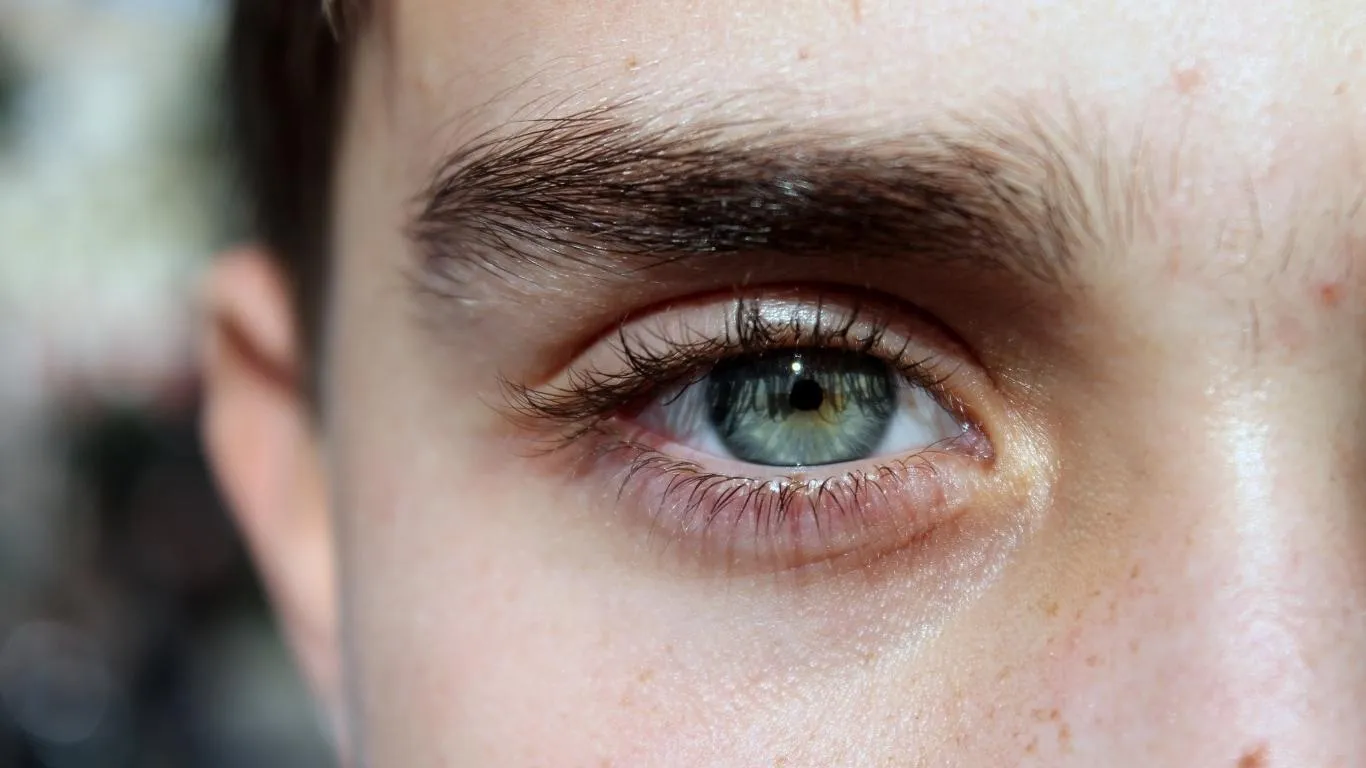
While floaters can’t always be prevented, adopting eye-healthy habits can make a difference in how noticeable they become, especially after emotionally charged situations.
Lighting Adjustments and Screen Time
One mistake I used to make was jumping back into screen-heavy work right after an intense conversation. Harsh blue light amplifies floater visibility, making them even more distracting. Now, I use warmer screen tones and adjust my workspace lighting to reduce contrast glare. Little tweaks like this can make a surprisingly big difference.
Importance of Regular Eye Check-Ups
Even if your floaters seem benign, regular eye exams ensure there’s no underlying issue. Eye floaters can sometimes mask more serious conditions like posterior vitreous detachment, so keeping tabs with your optometrist is a smart move. Learn more about posterior vitreous detachment and how it’s connected to floaters.
Floaters After Emotional Conversations Aren’t Always a Red Flag
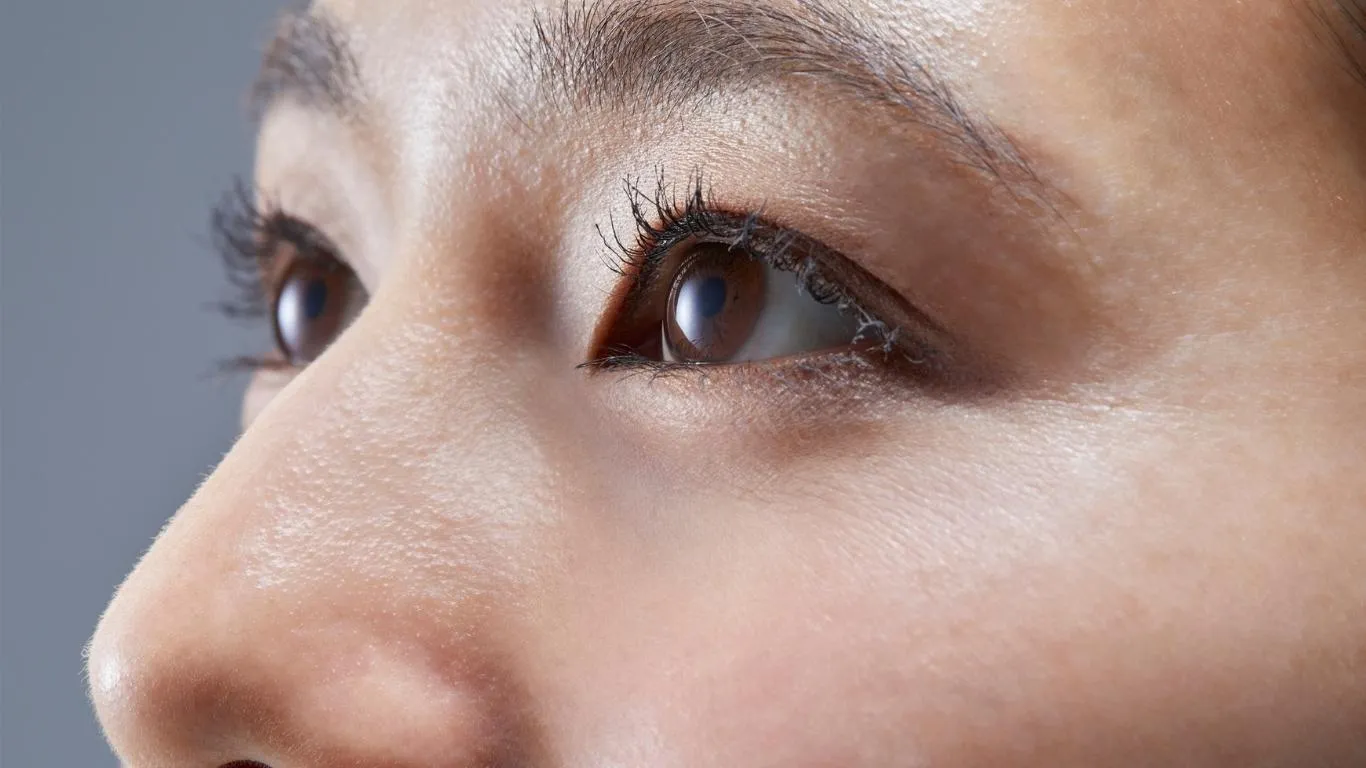
It’s natural to panic when you see those shadowy specs floating after a heartfelt talk, but most of the time, they’re harmless. Emotional stress merely magnifies what’s already present in the vitreous. Being aware of your body’s response to emotional stimuli is a huge first step in managing how much these floaters disrupt your daily life.
Internalizing the Emotional-Eye Connection
Since I started being more mindful of how my emotions impact my vision, I’ve noticed a huge improvement. Emotional conversations are inevitable, but how you manage your body’s reaction to them can dictate whether floaters stick around or fade into the background.
- Stay hydrated and eat a floater-friendly diet.
- Be mindful of your screen and lighting environments post-conversation.
- Practice breathing exercises to regulate intraocular pressure shifts.
For a full overview of causes, symptoms, and treatments of eye floaters, visit this comprehensive main pillar guide on eye floaters.

Camellia Wulansari is a dedicated Medical Assistant at a local clinic and a passionate health writer at Healthusias.com. With years of hands-on experience in patient care and a deep interest in preventive medicine, she bridges the gap between clinical knowledge and accessible health information. Camellia specializes in writing about digestive health, chronic conditions like GERD and hypertension, respiratory issues, and autoimmune diseases, aiming to empower readers with practical, easy-to-understand insights. When she’s not assisting patients or writing, you’ll find her enjoying quiet mornings with coffee and a medical journal in hand—or jamming to her favorite metal band, Lamb of God.