Why Floaters After Dental Anesthesia May Disrupt Your Vision
If you’ve ever noticed strange little specks or wispy threads drifting across your vision right after a dental procedure, you’re not imagining things. A few months ago, after a routine dental treatment with local anesthesia, I walked out feeling fine—until I got home and noticed something weird in my line of sight. Those odd, transparent “floaters” weren’t dust or a smudge on my glasses. They were in my eyes, and they weren’t going away. If this sounds familiar, you’re not alone. Floaters after dental anesthesia are a thing—and while they might seem random, there’s more going on behind the scenes than most people realize.
What Are Floaters, Really?
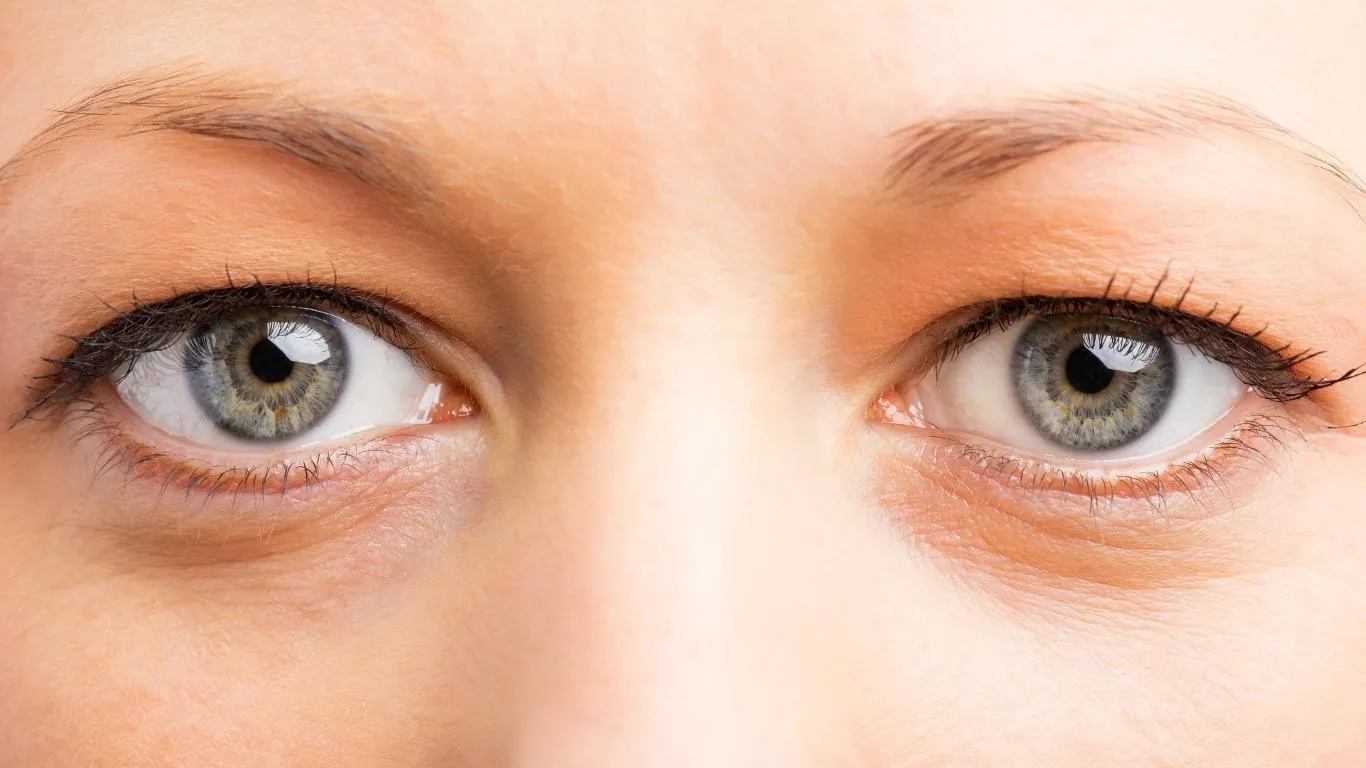
Floaters are tiny clumps of collagen or other cells floating in the vitreous—the gel-like substance inside your eye. They cast shadows on the retina, creating the illusion of specks, webs, or cobweb-like strands. Most people will experience floaters at some point, especially with age, but getting them suddenly after a dental appointment? That throws people off.
Can Dental Anesthesia Really Cause Eye Floaters?
Now here’s where it gets interesting. While dental anesthesia is localized—usually injected near the gums—it can still trigger physiological responses throughout your body. Your eyes are delicate, and anything that influences blood flow, pressure, or inflammation can potentially mess with your visual field.
Some possible connections include:
- Transient inflammation caused by the stress of anesthesia.
- Blood pressure fluctuations during or after the dental procedure.
- Medication side effects—some people are simply more sensitive to lidocaine or epinephrine.
According to this detailed article on floaters after dental procedures, it’s not entirely uncommon for patients to experience new floaters within hours or days after anesthesia. While the exact mechanism is still up for debate, anecdotal evidence is piling up.
My Experience with Post-Dental Floaters
Honestly, I didn’t think twice when I started seeing shadows in my peripheral vision. I chalked it up to fatigue or maybe dehydration. But over the next few days, it didn’t fade. I visited an optometrist and ruled out serious conditions like retinal tears. Still, the question stuck with me—could this be tied to that dental appointment?
Turns out, yes—especially when I stumbled upon another case where medication triggers floaters. It made me realize just how many overlooked causes there are.
The Role of Systemic Stress and Autonomic Responses
Dental work can be stressful, even if you’re not consciously anxious. The body reacts to perceived trauma with a spike in cortisol and adrenaline. These hormones affect ocular blood vessels and may temporarily disturb the vitreous, especially in people predisposed to floaters. There’s also growing awareness of how emotional triggers and stress responses can worsen visual symptoms.
It’s all connected—nervous system, circulation, and eye health. It’s not just what happens in your mouth.
Pre-Existing Conditions That Can Make You More Susceptible
Some people are just more likely to notice new floaters after a trigger like dental anesthesia. If any of these apply to you, you might be in the high-risk group:
- High Myopia (Nearsightedness) – Stretching of the eyeball can loosen the vitreous earlier in life.
- Age 40+ – Natural breakdown of the vitreous begins.
- History of eye trauma – Even minor injuries can create unstable vitreous conditions.
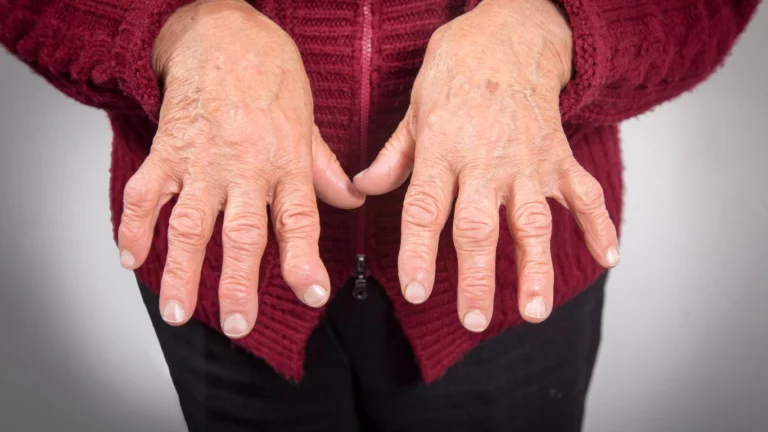
- Systemic inflammation – Including autoimmune diseases like lupus or rheumatoid arthritis.
You might want to explore how autoimmune conditions tie into floaters for a deeper dive.
Should You Be Concerned?
In most cases, floaters after dental anesthesia are not dangerous—but they are worth noting. Sudden increases, flashes of light, or a curtain-like shadow could be a sign of retinal detachment. Those signs require emergency care, period.
If you’re just seeing a few new floaters and nothing else, it’s likely harmless. But always play it safe. Schedule an eye exam with dilation and let your optometrist know about the timing with your dental procedure. Trust your instincts—you know when something feels off.
How Long Do These Floaters Last?
This is the million-dollar question, and unfortunately, there’s no one-size-fits-all answer. Some people find their floaters fade within weeks. Others, like myself, notice them for months—but they become less noticeable over time.
Floaters can settle in the bottom of the eye and move out of your visual field. Some people use techniques like eye exercises, hydration, or even supplements that support vitreous health. But consistency and time are key.
For a broader understanding of treatments and when to consider them, check out the comprehensive treatment guide that covers everything from watchful waiting to surgery.
If you’re new to floaters and want the full scoop on what causes them and how they evolve, this main overview on floaters is a great place to start.
Can Certain Dental Techniques Make Floaters More Likely?
This was something I didn’t even consider at first, but turns out the **technique and type of anesthesia used** during dental work could play a subtle role in whether floaters show up after. For example:
- Injections near the upper molars are close to the orbit of the eye. That proximity may influence surrounding vessels or nerves.
- High volumes of local anesthetic with epinephrine may momentarily spike intraocular pressure.
- Prolonged procedures can elevate stress hormones and fatigue—both known to worsen floater perception.
Combine any of these with pre-existing eye sensitivity, and it’s not hard to see why someone might walk away seeing flashes or wisps in their field of vision.
According to this article on floaters following anesthesia, there’s still a lot to learn—but these patterns aren’t just coincidence. The anatomy checks out.
Why Floaters Feel Worse After Certain Dental Appointments
This is a weird one, but I noticed the floaters were most visible when I stepped outside right after leaving the clinic. Blue sky? Boom. They were everywhere. That’s because bright, high-contrast backgrounds make even tiny floaters stand out.
But here’s the kicker—your posture during dental work could be playing a role too. You’re reclined, sometimes for an hour or more, head tilted back at an angle. That position may cause the vitreous gel inside your eye to shift. If there’s even a slight liquefaction or detachment starting, floaters might suddenly enter your field of vision.
This theory is supported in cases involving odd floaters post-dental treatments, especially where posture or long periods of stillness are involved. Small movements or gravitational changes in the vitreous can stir things up—literally.
Why You Shouldn’t Ignore New Floaters—Even If They’re Mild

It’s tempting to write them off as a nuisance, and honestly, I almost did. But new floaters—especially when they show up fast—deserve attention. While most are harmless, some are early signs of:
- Posterior vitreous detachment (PVD)
- Retinal tear or detachment
- Micro-hemorrhages inside the eye
One eye specialist told me that floaters from serious causes often appear “suddenly and explosively,” sometimes alongside flashes of light or blurred peripheral vision. If you notice those symptoms—especially after dental work—don’t delay. Get a dilated eye exam.
You can learn more about dangerous signs of floaters in this in-depth guide—it’s one of the more useful articles I found when I was trying to figure out what was going on.
Tips to Reduce the Discomfort of Floaters After Dental Work
If you’re seeing floaters more clearly after dental anesthesia, you’re probably wondering: what can you actually do about them? While there’s no miracle fix, a few changes helped me manage mine:
- Hydration: I doubled my water intake for several days post-procedure. It seemed to help reduce perception of floaters.
- Lighting adjustments: Dimming screen brightness and avoiding direct sunlight in the first few days helped tremendously.
- Eye movement exercises: Gentle circular eye movements can help “shift” floaters out of central vision. Not a cure—but definitely a relief.
- Supplements: I tried a vision formula with lutein and bilberry—can’t swear by it, but I figured supporting overall eye health couldn’t hurt. This supplement guide for vitreous collagen offers some helpful info.
What to Ask Your Eye Doctor
If you’re making an appointment after noticing floaters post-anesthesia, here are a few questions I personally asked—and you might want to as well:
- “Is this a normal age-related change, or does it look like inflammation or trauma-induced?”
- “Is there any evidence of retinal tears or detachment?”
- “Can you document the floaters’ location or severity for future reference?”
- “Should I avoid future procedures with anesthesia near the upper jaw?”
They may also perform an OCT scan or ultrasound if the floaters are dense. Don’t be afraid to push for answers—it’s your vision on the line.
Who’s Most at Risk After Dental Procedures?
So, who should be keeping an extra close eye (pun intended) on their vision after dental anesthesia? Based on research and patient stories, here’s a quick breakdown:
- People over 45 with early vitreous degeneration
- High myopes (nearsighted individuals with long axial length)
- Diabetics, especially with mild retinopathy
- Those with history of **eye surgeries**, including LASIK or cataract removal
- Anyone with prior trauma to the face or eyes
If you’re in one of these groups, it’s worth reading this in-depth piece on retinal risk signs. It’s helped me understand what to watch for in the future—especially before my next dental visit.
Why This Rare But Real Phenomenon Needs More Attention
What struck me most while researching this was how little it’s talked about. Dentists rarely mention vision changes as a possible post-procedure symptom, and many eye doctors don’t make the dental connection either. But once you dive into personal stories—and yes, I spent hours reading through them—it’s clear this isn’t just in our heads.
Whether the root cause is posture, pressure changes, or neurological pathways, the link between floaters and dental anesthesia deserves way more exploration. Until then, we’ve got to speak up, share our experiences, and trust that we know our own bodies best.
If you’re starting this journey, and floaters have suddenly become part of your day, here’s the best place to get grounded in the basics: Eye Floaters: Causes, Symptoms, and Treatments. And for post-dental floaters or anesthesia-triggered symptoms, don’t miss this detailed overview on floaters after dental procedures—it hits all the right notes.

Camellia Wulansari is a dedicated Medical Assistant at a local clinic and a passionate health writer at Healthusias.com. With years of hands-on experience in patient care and a deep interest in preventive medicine, she bridges the gap between clinical knowledge and accessible health information. Camellia specializes in writing about digestive health, chronic conditions like GERD and hypertension, respiratory issues, and autoimmune diseases, aiming to empower readers with practical, easy-to-understand insights. When she’s not assisting patients or writing, you’ll find her enjoying quiet mornings with coffee and a medical journal in hand—or jamming to her favorite metal band, Lamb of God.