
Why Floaters After Exposure to Screen Flickering Can Disrupt Vision
I still remember the first time I noticed them — tiny little shapes drifting across my vision after a long night of working on my laptop. I blinked, rubbed my eyes, even switched screens thinking something was wrong with the display. But those floaty squiggles and shadows? They were still there. If you’ve ever noticed strange spots or squiggly lines in your vision — especially after staring at flickering screens — you’re definitely not alone.
Why Floaters Appear More Often After Screen Flickering
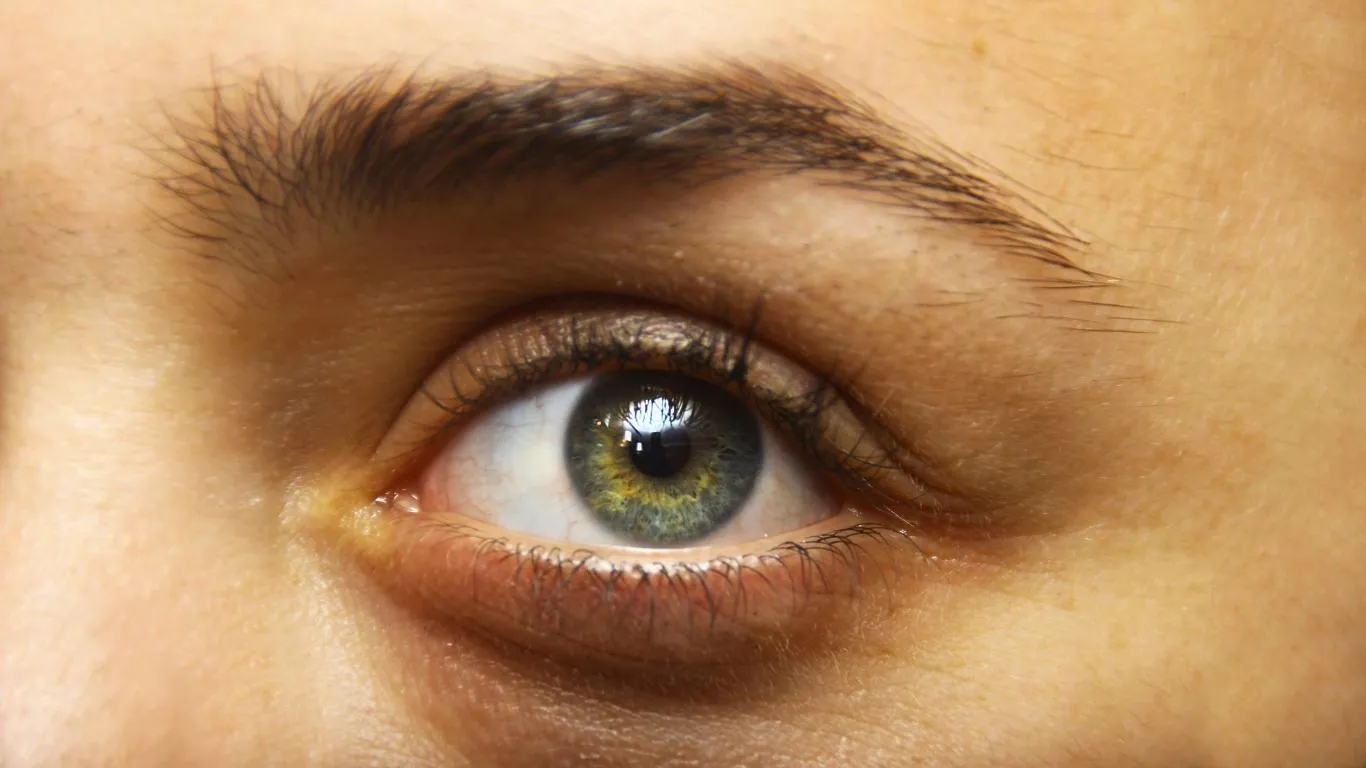
Let’s get this out of the way: screen flickering can absolutely make eye floaters more noticeable — or in some cases, even trigger them. Flickering light, especially at lower refresh rates or from cheap monitors and phones, bombards your retina with subtle visual inconsistencies. Over time, this can increase eye fatigue and awareness of tiny shadows caused by debris inside the vitreous gel of your eye.
How Screen Technology Plays a Role
- Low Refresh Rates: Older monitors or cheaper phones with rates below 60Hz are notorious for flicker-induced strain.
- PWM Dimming: Pulse-width modulation, used to control screen brightness, can cause high-frequency flicker invisible to the naked eye but irritating to your visual system.
- Inconsistent Lighting: Watching in dim rooms or alternating between bright and dark modes strains your ocular focus and amplifies floaters.
One weekend, I binged a new series on my tablet. By Sunday night, floaters were parading across my vision. Turns out watching screens in the dark isn’t just a bad habit — it’s a direct invitation for floaters to crash the party.
Is It Just Screen Flicker, or Something Else?
Here’s the kicker: many people confuse flicker-exacerbated floaters with underlying eye issues. While digital screens can magnify your awareness of floaters, they’re not always the root cause. Still, if floaters are only visible under artificial lighting, it’s worth paying attention to how your screen setup could be making things worse.
Common Signs It’s More Than Just Flicker
- Sudden increase in the number of floaters
- Floaters accompanied by flashes or peripheral vision loss
- Persistent discomfort even after screen breaks
In these cases, it’s smart to rule out retinal damage. Visit your eye specialist or at least read up on when floaters might signal something more serious.
The Science Behind Flicker Sensitivity and Vitreous Health

What most people don’t realize is how sensitive the human eye is to micro-changes in light. Even when we can’t consciously detect screen flicker, our eyes and brain are working overtime to stabilize the image. For someone like me who stares at a screen for 10+ hours a day, this adds up fast. Flickering exposure puts extra demand on your ocular muscles and the vitreous body.
This is even worse if your vitreous is already changing with age — or if you’re prone to dehydration (guilty). The more strained and dried out the vitreous becomes, the more those floaty specks move around and catch your attention.
Experts from American Academy of Ophthalmology note that even slight vitreous shrinkage can lead to clumping of proteins that cause these shadows — especially under strain. Couple that with screen-induced dryness and you’ve got the perfect floater storm.
Daily Habits That Might Be Making It Worse
Here are a few habits I had to unlearn once floaters became part of my life:
- Using devices in bed: The contrast between screen light and dark surroundings increases floater visibility.
- Skipping hydration: Not drinking enough water thickens the vitreous gel.
- Not blinking often enough: This leads to dry eye symptoms, which amplify sensitivity to floaters and flicker both.
One internal link that helped me a ton was this one: Eye floaters vs other eye problems — really helped me calm down and stop Googling worst-case scenarios at midnight.
What You Can Actually Do About It
Alright, let’s talk fixes. No miracle cure here — floaters usually don’t disappear overnight. But you can absolutely reduce their intensity and visibility, especially those triggered by flickering screens.
Simple Adjustments That Made a Big Difference for Me
- Upgrade your monitor or phone: Choose screens with 90Hz or higher refresh rates and certified flicker-free designs.
- Use blue light filters: Whether built-in or through screen overlays, they lessen retinal stress.
- Adjust lighting: Avoid pitch-dark rooms. Use soft, ambient light when watching or working late.
- Blink breaks: Every 20 minutes, blink slowly 10 times. It helps more than you’d think.
Also, I highly recommend reading this main resource on what causes floaters and how to manage them for a full picture of what’s happening inside your eye.
If you’re dealing with floaters and think it might be screen-related, this guide on common causes of floaters will help you sort out what’s normal and what needs a closer look.
When Screen Flicker Floaters Cross Into Daily Disruption
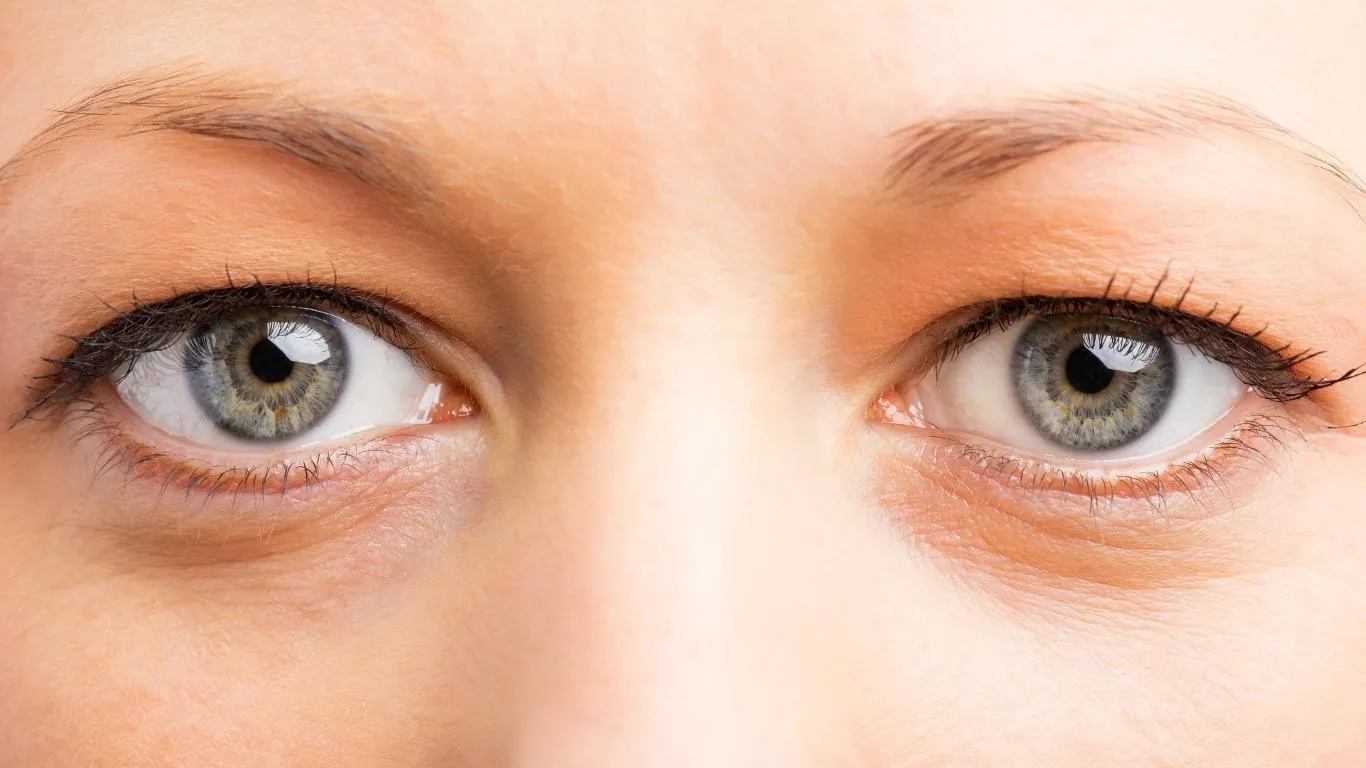
If you’re anything like me, you might start brushing off floaters as “just one of those things” — until one day, they start affecting your focus at work, your ability to read comfortably, or your confidence during presentations. I reached that point during a client Zoom call. My screen looked like it had ghost dust floating on it. Embarrassing? A little. Distracting? Absolutely.
What most people don’t realize is that floaters caused or worsened by screen flicker aren’t always passive little specks. They can become a real visual hindrance when you’re switching between tabs, scrolling fast, or watching videos — especially with high contrast scenes. This is when those annoying floaters suddenly stop being harmless and start messing with your day.
The Psychological Toll You Didn’t See Coming
It’s not just visual. Floaters can mess with your mental clarity, too. Once you start seeing them, they’re hard to ignore — and trying not to look at them becomes a mental loop. A loop I know all too well. I remember lying awake wondering if I had some rare retinal condition, when really, I was just burnt out and dehydrated.
Turns out, there’s actually a link between floaters and emotional strain. Emotional burnout, anxiety, and even chronic stress can make floaters feel more intrusive. And yes, screen flicker + stress = a perfect storm for noticing every single speck floating in your vision.
Getting Your Eyes Back on Track

If you’ve ever felt stuck — like the more you try to “not notice” the floaters, the more they’re all you can see — welcome to the club. The good news? There’s actually a lot you can do to reduce their impact and reclaim your screen time without paranoia.
1. Strengthen Your Vitreous Health
I didn’t know this at first, but the health of your vitreous gel can actually be supported with the right nutrition and supplements. Targeted collagen boosters and antioxidants like Lutein, Zeaxanthin, and Vitamin C are great allies for keeping things stable inside your eyes.
And hydration? It’s not optional. I started carrying a 1L water bottle everywhere. Floaters didn’t vanish overnight, but their motion slowed, and I noticed them way less. Which brings me to another game changer…
2. Make Your Eyes Stronger, Not Just Rested
- Do simple eye exercises daily: Try 20/20/20 rule with a twist — include focus shifting and directional gazes.
- Get sunlight exposure: Natural light (in moderation) helps regulate your circadian rhythm and relieve indoor eye fatigue.
- Take intentional screen breaks: I use browser extensions that remind me every 45 minutes to look away.
Oh — and dimming your screen brightness doesn’t reduce flicker. It often makes it worse unless your device has DC dimming. I learned this the hard way after a week of headaches. Look for devices with “flicker-free” certifications and high refresh rates.
Situations That Amplify Screen Flicker Floaters

There are specific scenarios where floaters pop up like clockwork — and they’re surprisingly common:
- Scrolling on OLED screens at low brightness: High contrast and flicker increases floater visibility.
- Watching fast-motion content: Action movies or gaming at night? You’ll notice floaters more here.
- Working in dark rooms: Like this habit right here, watching your phone in bed trains your brain to catch every subtle movement — including floaters.
- Switching between dark/light modes rapidly: This quick contrast jump can make floaters appear suddenly more pronounced.
These aren’t one-off moments — they become patterns. Once I figured this out, I made small changes and saw big improvements.
What to Monitor and When to Get Help

Let me say this clearly: not all floaters are harmless. If you suddenly experience:
- A burst of new floaters out of nowhere
- Light flashes, especially in peripheral vision
- A curtain-like shadow moving over your eye
That’s not from your screen — it’s a red flag. You should see an ophthalmologist immediately. These symptoms could signal a retinal tear or detachment. Don’t delay it thinking it’s “just digital eye strain.”
On the flip side, if your floaters only show up in specific screen conditions, they’re likely benign. Managing your environment, eye health, and habits can go a long way. This is where a breakdown of eye floater treatment options comes in handy — including non-invasive ways to ease the symptoms.
Floaters Aren’t Always the Villain — Sometimes It’s the Flicker

It’s tempting to blame your eyes when floaters appear, but sometimes it’s just the tech we’re using. Our screens have come a long way, but so have the demands on our eyes. Backlit panels, high contrast modes, endless scrolling — it adds up.
So next time you notice floaters creeping into your field of view after a late-night Netflix session or doomscrolling Twitter, don’t panic. Start by checking your screen settings, hydration level, and stress. It may not be your retina — it might just be the flicker.
For a deeper understanding of how different causes can spark floaters, this article on common causes gives real clarity, and the main guide on eye floaters has everything you need to know from start to finish.

Camellia Wulansari is a dedicated Medical Assistant at a local clinic and a passionate health writer at Healthusias.com. With years of hands-on experience in patient care and a deep interest in preventive medicine, she bridges the gap between clinical knowledge and accessible health information. Camellia specializes in writing about digestive health, chronic conditions like GERD and hypertension, respiratory issues, and autoimmune diseases, aiming to empower readers with practical, easy-to-understand insights. When she’s not assisting patients or writing, you’ll find her enjoying quiet mornings with coffee and a medical journal in hand—or jamming to her favorite metal band, Lamb of God.