Why Floaters After Prolonged Crying Spells Shouldn’t Be Ignored
I’ll be real with you — the first time I noticed floaters after a long cry, I panicked. It was one of those emotionally heavy nights, tears streaming down for what felt like hours. The next morning, I caught a flicker in my vision that wasn’t there before. A tiny wiggly thread dancing around when I looked at my white bathroom wall. And then it hit me — is this from all the crying?
Can Prolonged Crying Actually Cause Eye Floaters?
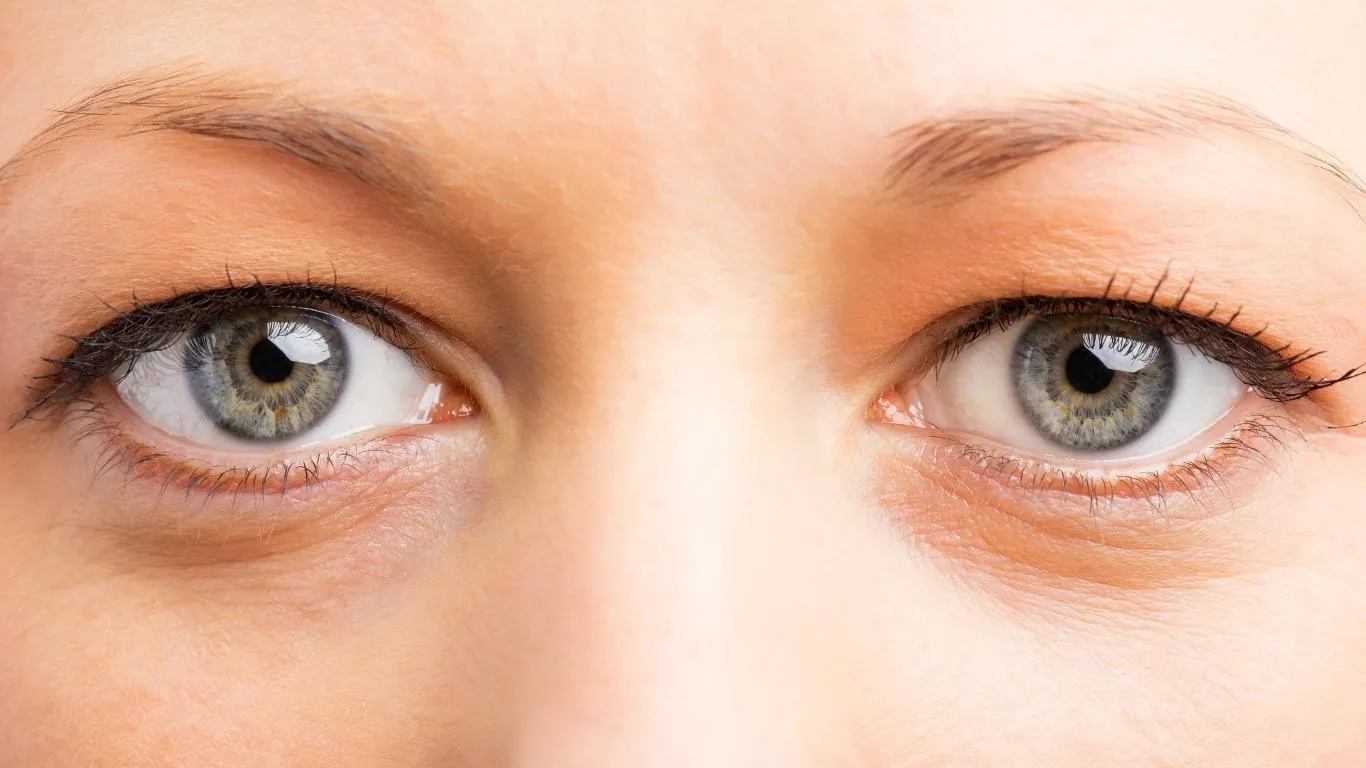
Let’s start with what floaters are. They’re those squiggly, shadowy little shapes you see drifting in your field of vision, especially against bright backgrounds. They’re actually small clumps of collagen inside the vitreous — the gel-like substance in your eye. Normally, they’re harmless. But what if they suddenly appear right after a crying marathon?
Now, there’s no direct medical consensus that says crying alone causes floaters. But prolonged crying can absolutely aggravate underlying conditions that make floaters more visible or noticeable.
Here’s what might actually be going on:
- Eye strain: Intense crying can cause you to squint or rub your eyes, leading to temporary strain.
- Increased intraocular pressure: Crying heavily could elevate pressure inside your eyes for a short period.
- Vitreous agitation: Tears and associated movements can shift the vitreous slightly, making existing floaters more visible.
I personally noticed mine were way more active when my eyes were sore the next morning. I also wear contact lenses, and rubbing my eyes definitely didn’t help.
Are These Crying-Induced Floaters Dangerous?

In most cases, no. If floaters show up temporarily after crying, especially if you’ve been dehydrated, had a tension headache, or have been dealing with stress, it’s typically not a retinal emergency. That said, if they persist or come with flashing lights or a loss of peripheral vision, it could point to something more serious like retinal tears.
Floaters can be an early indicator of something deeper, especially if there’s a sudden increase in size, quantity, or intensity. And yes, even emotional stress has been linked to floater onset or worsening, particularly in sensitive individuals.
Red flags you should absolutely not ignore:
- Sudden, shower-like burst of floaters
- Dark floaters that resemble smoke or a curtain
- Accompanied light flashes or blurred vision
- Only happening in one eye (could indicate detachment risk)
For any of these signs, consult an eye care provider immediately. According to the American Academy of Ophthalmology, posterior vitreous detachment and retinal tears are among the most common causes of sudden floater outbreaks.
What’s the Connection Between Emotional Stress and Eye Floaters?
Here’s where things get more layered. Emotional stress, especially prolonged crying during breakdowns, triggers a whole cascade of physiological reactions. Stress hormones like cortisol flood the body, including ocular tissues. Your eye’s delicate structure is affected by inflammation, blood pressure spikes, even dehydration — all potential contributors to increased floater visibility.
In fact, studies show stress could be a hidden contributor to vitreous changes over time. Many people dealing with emotional breakdowns report a noticeable uptick in floaters, especially after extended periods of grief or anxiety.
My own experience was similar. After weeks of emotionally draining family drama, my floaters were no longer a subtle thing — they felt like permanent little ghosts hovering in my vision.
Is There a Link Between Crying, Dehydration, and Vitreous Clarity?
Absolutely. When you cry hard and long, you’re not just releasing emotions — you’re also losing fluids. If you’re not rehydrating properly, your vitreous humor (the gel inside the eye) can lose a bit of its clarity. This makes the collagen fibers inside it easier to see — hence, floaters appearing more noticeable.
Dehydration-related floaters aren’t unheard of, and in fact, mild dehydration is one of the lesser-known culprits behind floaters that feel like they “suddenly got worse.”
So, if you’ve had a good cry, chug some water. Seriously. It’s one of the simplest, most effective ways to help reduce floater activity post-crying — and your entire body will thank you.
What You Can Do Right After Crying to Minimize Floaters
If floaters are popping up every time you cry, there are some immediate steps you can take to feel better and protect your vision health.
- Hydrate: This cannot be stressed enough. Water helps maintain your eye’s internal clarity.
- Cold compress: Reduces swelling and pressure around the eyes after crying.
- Avoid rubbing: Rubbing can make things worse, possibly loosening more vitreous fibers.
- Rest your eyes: Dim lights, screen breaks, and soft focus help your eyes recover naturally.
- Eye drops (non-medicated): Can ease irritation if your eyes feel dry or gritty post-cry.
Don’t be surprised if your floaters feel more active in brightly lit areas. That’s normal. You can also check out these differences between floaters and aging symptoms if you’re noticing other changes.
For more detailed breakdowns on common causes of floaters, this guide from common floaters causes can help you better understand if what you’re experiencing is serious or just temporary.
And if you’re just starting your research on floaters in general, I highly recommend checking out this in-depth overview of eye floaters, symptoms, and treatment options to learn more from the ground up.
When Floaters Stick Around After Crying – Should You Be Concerned?

So, you’ve had your cry, drank your water, maybe took a nap — but those pesky floaters are still dancing around. Yep, I’ve been there. And it’s natural to start overthinking. Are they going to be permanent? Is this a sign something’s wrong?
The good news is, not all floaters stick around forever. Many fade or become less noticeable with time as your brain learns to ignore them. But if they remain for days or weeks, especially if they weren’t there before a long crying episode, it’s worth getting a checkup. Even if it’s just for peace of mind.
In rare cases, new floaters after stress or crying might indicate a developing issue like posterior vitreous detachment. It sounds intense, but it’s actually quite common in adults over 40 and usually not vision-threatening.
Signs It Might Be More Than Just Crying:
- Floaters look like black spots or smoke clouds
- You see light flashes (even with eyes closed)
- There’s a curtain effect in part of your vision
- You’re suddenly more sensitive to bright light
- One eye is experiencing floaters far more than the other
These are all reasons to see a specialist, even if your last eye exam was recent. Eye floaters can sometimes be the tip of the iceberg — and your vision is too important to gamble with.
Do Emotional Episodes Worsen Existing Floaters?
Short answer: yes. Emotional tension tightens everything — your muscles, your neck, your eyes. Add hours of sobbing and blinking, and it’s no surprise your floaters seem more “active” afterward. I’ve noticed mine even drift faster on stressful days, especially when I’ve been crying or haven’t slept well.
This aligns with what many people experience during emotional stress-related floater flare-ups. If you already have floaters from past injuries, aging, or eye strain, emotional episodes can bring them to the front row of your vision.
On top of that, stress leads to dehydration and can trigger eye fatigue. Both make floaters look sharper or more defined, especially in bright or high-contrast environments. So if they seem worse in the morning after a heavy cry — you’re not imagining it.
Helpful Habits to Reduce the Visual Impact of Floaters
While floaters themselves can’t always be removed without medical procedures, there’s a lot you can do to make them feel less intrusive — especially when they’re tied to emotional triggers like crying spells.
Here are a few strategies I’ve found super helpful:
- Adjust lighting: Avoid overly bright spaces. Try soft, indirect light where floaters aren’t so obvious.
- Eye focus training: Move your eyes slowly left to right or up and down to reposition floaters out of your direct vision.
- Limit screen time after crying: Screens make floaters stand out more. Give your eyes a digital detox.
- Use a blue-light filter: It helps reduce glare and floaters visibility during recovery after crying or stress.
- Hydrate consistently: Not just after crying — but daily. Keeps the vitreous clear and floaters less noticeable.
Also, if you find floaters become more vivid after intense emotional moments or headaches, it could be related to migraine-like visual disturbances. It’s worth tracking when and how they appear.
When to Talk to a Specialist About Crying-Triggered Floaters
If floaters keep reappearing after every emotionally intense episode, it might be worth doing a comprehensive eye check, even if everything feels normal otherwise. Especially if you’re under 40 and not used to floaters showing up regularly.
Ask your doctor about possible vitreous changes or early signs of conditions like PVD or retinal thinning. It’s better to catch things early than assume it’s nothing and wait it out. Plus, peace of mind is seriously underrated when your eyes are involved.
In some cases, people who experience consistent eye changes after crying or stress episodes may also be dealing with hormonal fluctuations or autoimmune issues. Articles like this one on autoimmune-related floaters offer more perspective if this pattern seems familiar.
Supporting Eye Health After Stressful Episodes

I’ve gotten into the habit of “resetting” my eyes after an emotional episode — and it’s made a huge difference. Think of it like eye self-care. You care for your face, your heart, your mind. Why not your vision?
Try adding these to your post-cry care kit:
- Omega-3-rich foods: Salmon, flaxseeds, chia — they’re great for eye health and anti-inflammatory support.
- Lutein and zeaxanthin: Found in spinach, kale, and eggs. They help protect your retina and may reduce floater visibility.
- Magnesium supplements: If your floaters seem linked to stress, magnesium might help regulate nerve and muscle function in your eyes.
For a deeper dive into lifestyle-based relief, the article on natural ways to manage floaters does a solid job separating myth from helpful reality.
How I’ve Learned to Cope With Crying-Induced Floaters
At first, I couldn’t look at a white wall without fixating on the floaters. I’d even catch myself moving my head to “shake them off” — which obviously didn’t help. But over time, I started shifting my mindset from “how do I get rid of them?” to “how do I live with them better?”
Small changes helped: warm compresses, journaling after crying, managing screen exposure. And more importantly — not letting them control my mood. The mind-body-eye connection is real.
If this sounds like you, don’t brush it off. Validate your experience. Floaters can be physically real, emotionally triggering, and mentally exhausting. But you’re not alone. And with the right habits and awareness, they get easier to manage.
Explore more insights from the main floaters guide or see how emotional stress intersects with vision changes here.

Camellia Wulansari is a dedicated Medical Assistant at a local clinic and a passionate health writer at Healthusias.com. With years of hands-on experience in patient care and a deep interest in preventive medicine, she bridges the gap between clinical knowledge and accessible health information. Camellia specializes in writing about digestive health, chronic conditions like GERD and hypertension, respiratory issues, and autoimmune diseases, aiming to empower readers with practical, easy-to-understand insights. When she’s not assisting patients or writing, you’ll find her enjoying quiet mornings with coffee and a medical journal in hand—or jamming to her favorite metal band, Lamb of God.