Why Floaters After Silent Deep Breathing Sessions May Be a Warning Sign
Last week, during a guided silent breathwork retreat, I noticed something strange: as I exhaled slowly and kept my eyes softly focused, a few strange specks floated across my vision. I blinked, refocused, looked away, but there they were — subtle little floaters dancing in and out of sight. At first, I thought it was just tiredness. But it kept happening. Turns out, I’m not alone. More and more people are starting to report eye floaters after silent deep breathing sessions, and it’s raising some really interesting questions about how our eyes and minds respond to stillness.
What’s Really Happening During Silent Deep Breathing?
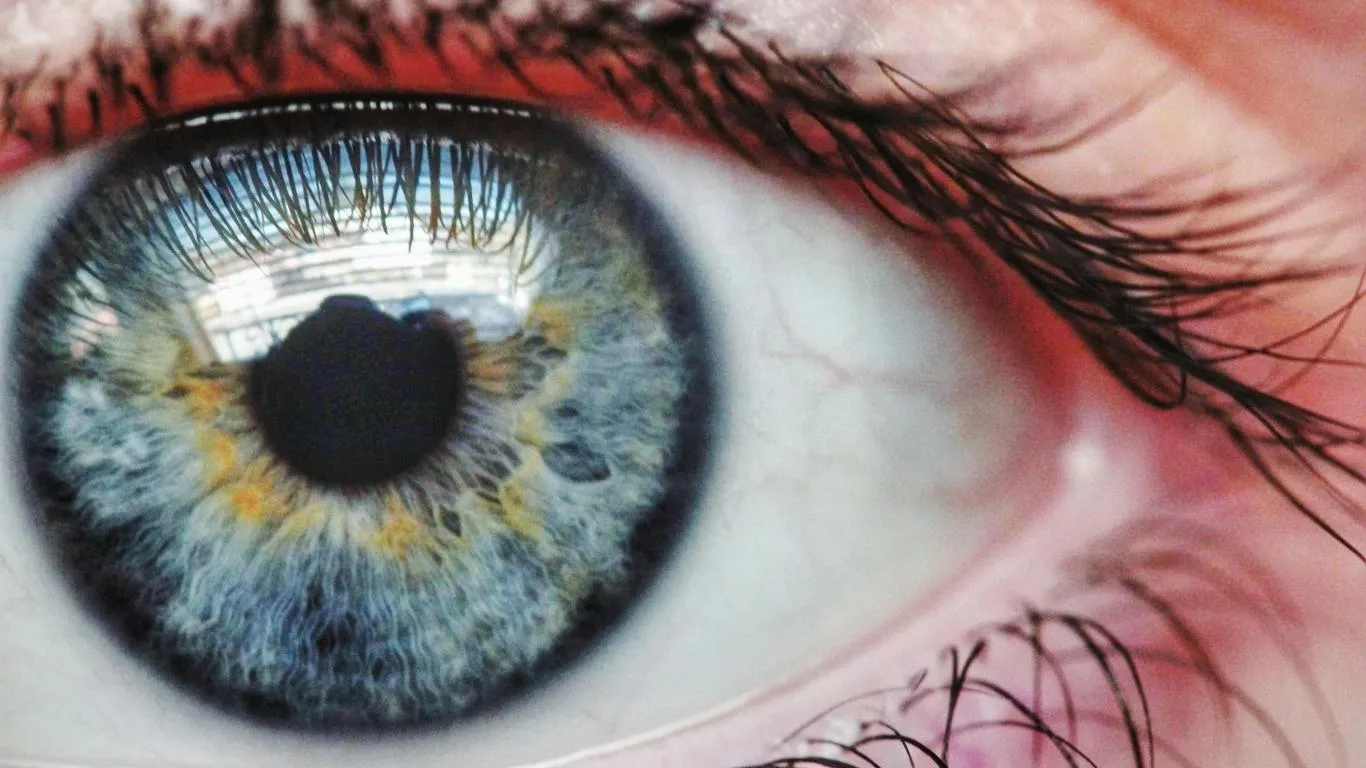
Silent deep breathing slows your heart rate, relaxes your body, and calms your nervous system — all good things. But it also shifts your internal awareness. You’re no longer distracted by screens or external noise. So, when you’re lying in stillness, gently inhaling and exhaling, you begin to notice visual disturbances that might otherwise be filtered out.
This includes floaters — those squiggly, translucent shapes that drift across your vision. They’re often more visible when looking at a blank wall, sky, or soft lighting — common settings during meditation or breathwork.
Increased Visual Sensitivity in Stillness
Our visual system is incredibly adaptive. When the brain is no longer processing rapid movement or bright stimuli, it becomes more sensitive to subtle inputs. This is the same mechanism that lets you spot tiny dust motes in a sunbeam when sitting still. In breathwork sessions, this hyper-awareness can make floaters suddenly become noticeable.
And no, it’s not all in your head. There’s science to back this. According to research from ncbi.nlm.nih.gov, the brain’s visual cortex becomes more active during meditative or breath-focused states, making visual anomalies — including floaters — easier to perceive.
Why Silent Breathing Might Bring Floaters to Light
It’s not that breathwork causes floaters — it reveals them. These little vitreous strands and specks have probably been there all along. Silent deep breathing, especially when paired with closed or softly focused eyes, just provides the perfect conditions to notice them.
Triggers That Make Floaters Stand Out
- Bright rooms — especially during daytime sessions near a window
- White or neutral-colored walls — which provide the perfect backdrop for floaters to appear
- Eyes half-closed or gently focused — common in many meditative practices
- Stillness and lack of movement — no blinking or scanning the environment
Ever tried a session in a room with soft overhead light and pale walls? That’s practically a floater showcase.
There’s also a fascinating link between floaters and systemic health. For instance, floaters after deep breathing exercises can sometimes hint at broader eye conditions, particularly if they increase in number or change shape.
What It Might Mean for Your Eye Health
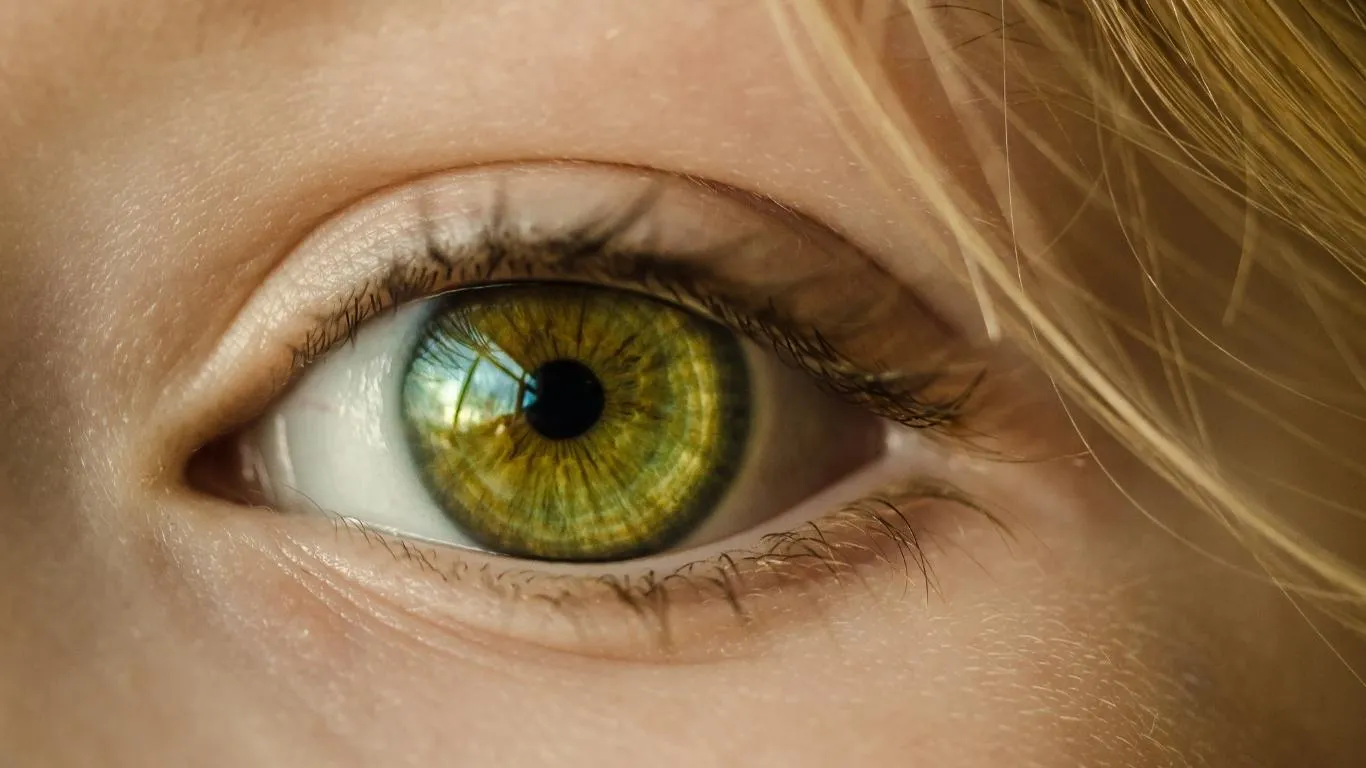
For most people, these floaters are harmless. But in some cases, noticing them during deep breathing may be a signal worth paying attention to. Here’s when to be cautious:
- They appear suddenly or dramatically increase in number
- You experience flashes of light alongside them
- There’s a shadow or curtain in your vision
- They’re accompanied by eye pain or headaches
These could be signs of something more serious, like retinal detachment or inflammation. If any of that rings true, check out this guide on when floaters are dangerous.
Are Breathwork-Related Floaters Different?
Interestingly, people often describe these floaters as more “light-reactive.” For instance, they might become more visible when switching from soft lighting to sunlight after a session. This is likely due to the transition from internal to external focus. It’s similar to what happens when you move from a dark meditation room into bright daylight.
I’ve personally found that during deep breath sessions, my floaters seem to “hover” or gently move in rhythm with my breath. It’s a little eerie — but also oddly hypnotic. And for some, it’s a distraction that makes it harder to stay centered during practice.
Can You Do Anything About Them?
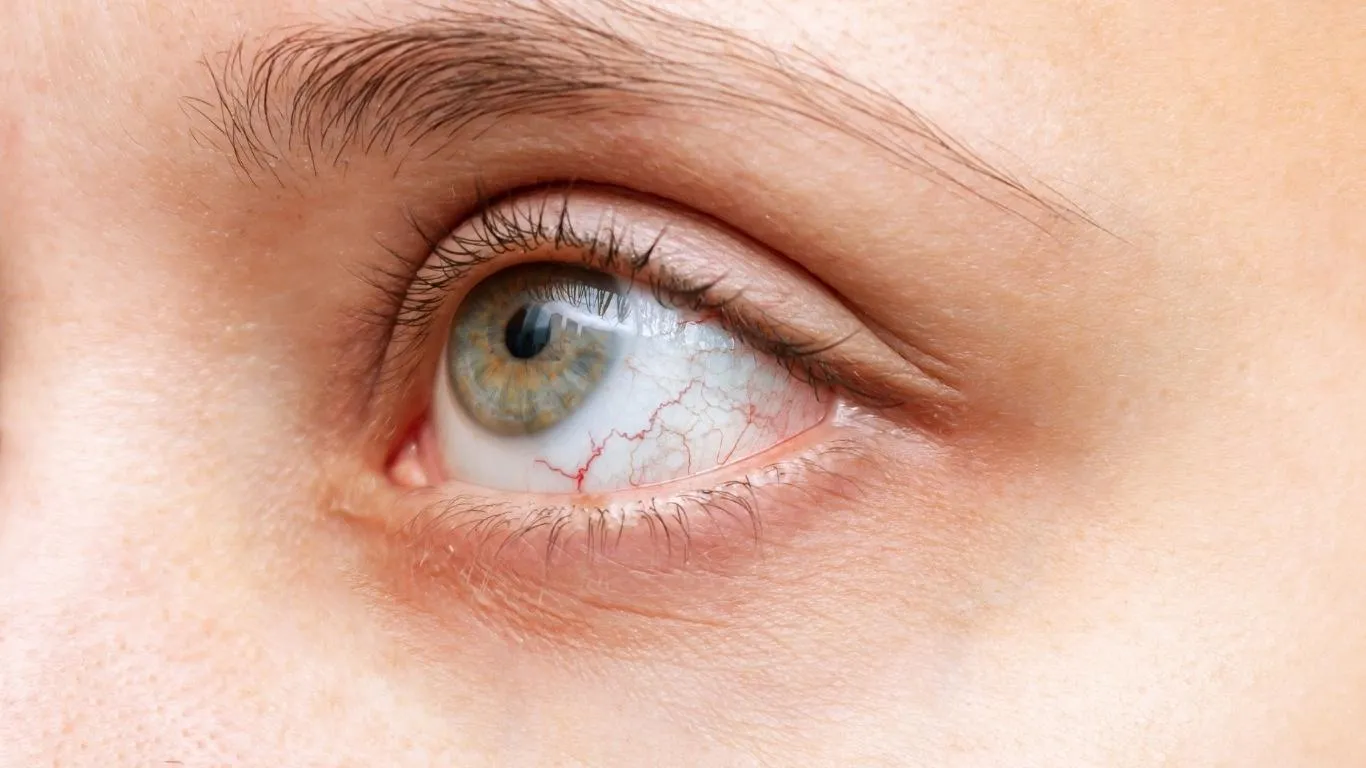
Here’s the tricky part. Floaters don’t have a simple fix — but there are a few things you can do to manage them:
- Stay hydrated — dehydration can make them worse
- Avoid rapid eye movements immediately after breathwork
- Don’t rub your eyes after sessions — it can make floaters worse
- Check your lighting — indirect or diffused light makes them less visible
There are even specific dietary links to floater severity — like nutrition choices that help floaters and magnesium deficiencies that might be making them worse.
And while there’s no miracle supplement, some users report benefit from supplements for floaters. Just be sure to consult an ophthalmologist before adding anything to your routine.
Floaters, Stillness, and Our Visual Awareness
One of the most interesting aspects of this phenomenon is what it tells us about attention. Floaters become visible not because they suddenly appear, but because we’re finally quiet enough to notice them. The silent stillness of breathwork creates a unique environment where things we normally ignore take center stage.
In fact, according to aao.org, increased floater perception is one of the top non-threatening visual complaints from people who recently began practicing meditation, yoga, or breath awareness techniques.
For a deeper dive into symptoms you should never ignore, I recommend reading this detailed guide on floater symptoms. It breaks down which types are safe and which ones are a red flag.
Also, if you’re curious about other natural approaches, this article on natural floater remedies offers solid insight into what works and what’s just hype.
Want the full breakdown of causes, signs, and treatments? You can always check the comprehensive main eye floaters resource that lays it all out clearly and accurately.
So, Are Floaters After Breathwork Something to Worry About?
If you’re anything like me, your first instinct is to Google the hell out of any new weird body sensation. And with floaters — especially those showing up after something as serene as silent breathing — it’s easy to spiral into panic mode. But here’s the reality: in most cases, these floaters are completely benign.
When you notice them during breathwork or meditation, it doesn’t automatically mean there’s something wrong with your eyes. Most of the time, your brain is just giving space to visuals it normally filters out. This is especially true during still, softly lit settings where your visual awareness is heightened.
I’ve had ophthalmologists tell me this is surprisingly common in people who’ve recently started mindfulness practices. It’s one of those “didn’t notice it before” situations — not “this just started happening.”
What If It’s Something More?
That said, let’s not ignore the small chance that it could point to something deeper. Here’s what makes the difference:
- Sudden change — New floaters showing up rapidly after an emotional or physical event
- Floaters + Flashes — Often a red flag for retinal involvement
- Loss of side vision — Could signal a retinal detachment
- Shadowy veil — One of the classic signs you need an eye exam ASAP
If any of those are part of your experience, don’t wait. Book that eye exam. It’s not overreacting — it’s just being smart with your sight.
Can Breathwork Itself Contribute to Floaters?
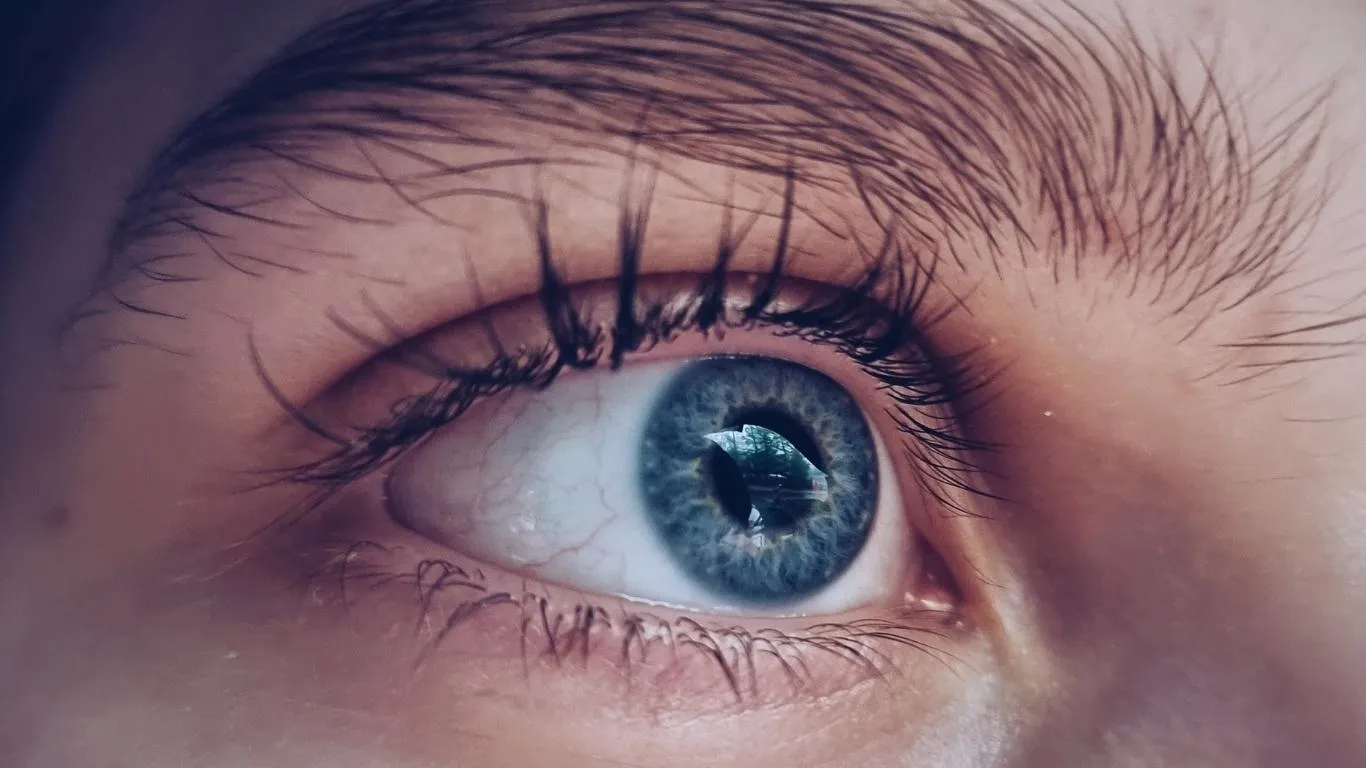
This is a question that comes up a lot, and honestly — the jury’s still out. There’s no clinical evidence linking silent breathing or meditation to causing floaters. But we do know that certain conditions that make floaters worse — like dehydration, stress, or lack of sleep — can sneak in when you’re emotionally drained or trying too hard to be “zen.”
Sometimes, ironically, in our quest for calm, we push our nervous system into a weird imbalance. Over-breathing or inconsistent breathing rhythms can reduce oxygen flow temporarily, making our visual perception more sensitive. That’s not dangerous — but it can be disorienting.
Can Breathing Techniques Help Reduce Floaters?
This one’s tricky. Most ophthalmologists would say “no” — but practitioners of Ayurvedic or somatic practices might say “yes.” From a personal angle, I’ve found that using box breathing (inhale-hold-exhale-hold) helped me calm the mental chatter about floaters more than the floaters themselves.
That’s the thing: often, the fear of floaters is worse than the floaters. Practicing awareness without obsession is where the real peace comes from. If your floaters are impacting your sessions emotionally or visually, try adjusting:
- Your eye positioning — soft downward gaze, not straight ahead
- Your lighting — use warm lighting instead of daylight bulbs
- Your expectations — remind yourself it’s just part of the experience
As for actual improvements in floaters, some people report relief with eye exercises designed to support vitreous health. Are they magic? Probably not. But paired with lifestyle changes, they might make a dent.
Do Floaters Impact Mindfulness or Stillness Practices?
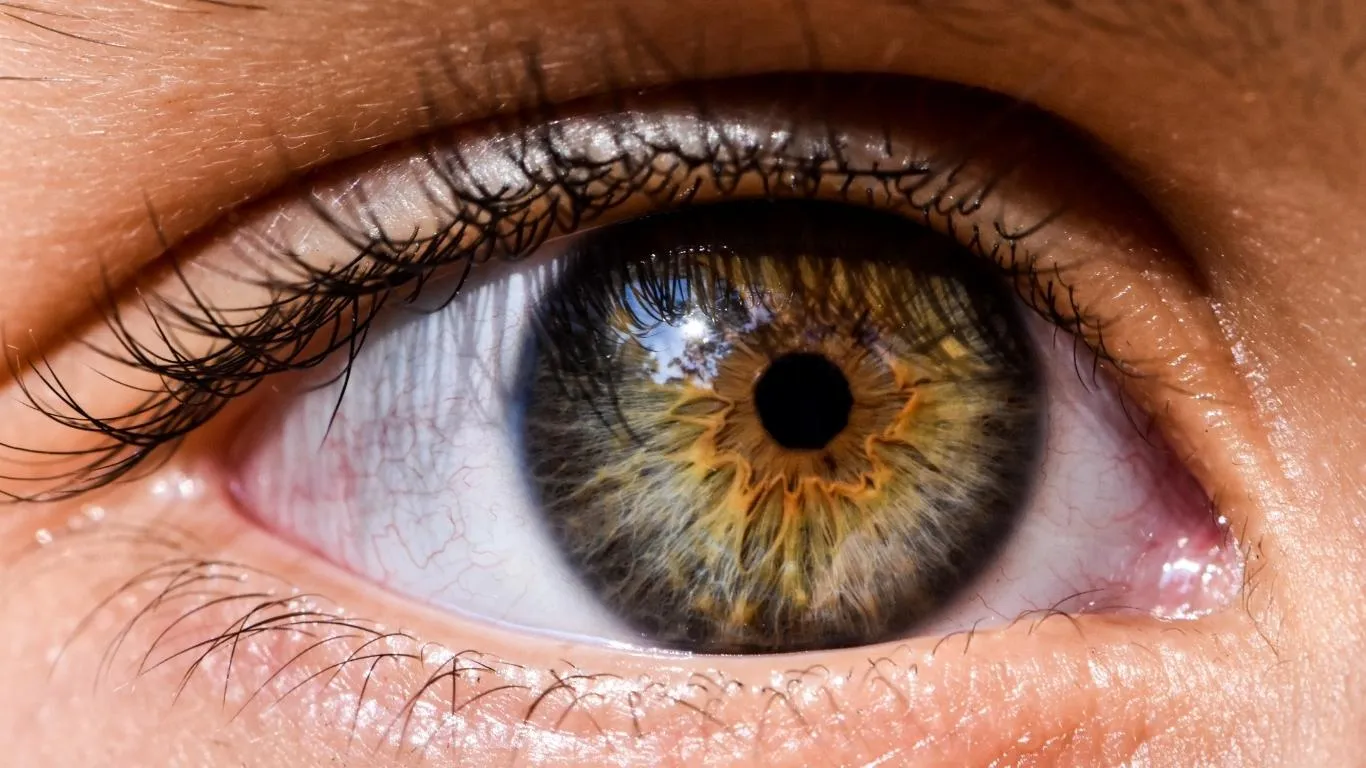
They absolutely can — especially in the early days. Imagine trying to center your breath, and all you can see are shifting strands or spots flickering in your peripheral vision. It can be distracting, frustrating, and even anxiety-inducing.
But here’s where your practice turns into medicine: your response to the floaters is the practice. Instead of pushing them away, witness them without attachment. I once had a guide tell me, “If your floaters are present, let them dance. You focus on the breath anyway.”
Sounds cliché? Sure. But after months of fighting them, accepting them was weirdly liberating. They became just another part of the experience — like a bird outside the window or the creak of a floorboard.
When It’s Time to Get Checked
If you’ve had floaters for a while and they’re stable — not growing or shifting — there’s probably no emergency. But if this is new or escalating, don’t over-spiritualize it. Schedule a comprehensive eye exam. Even just for peace of mind.
The most common cause of noticeable floaters is posterior vitreous detachment (PVD). It’s a natural part of aging, and breathwork just provides the stillness to recognize it more clearly.
Need a full guide that walks you through floater types, causes, and what to watch out for? Head over to this eye floaters breakdown for a reliable, research-backed walkthrough.
Reclaiming the Breathwork Experience
Floaters don’t need to ruin your breathwork or stillness practice. They’re weird, yes. But also manageable. In many ways, they challenge us to go deeper — to notice what arises, to meet discomfort with curiosity, and to sit with what we’d rather ignore.
Here’s what’s helped me:
- Warming up with soft eye movements before a session
- Lowering contrast in the environment (dim lights, beige walls)
- Integrating floaters into the visual field — not resisting them
- Using intentional blinks when they become overwhelming
And perhaps most importantly, I stopped seeing them as enemies. They’re just another part of this very human, very imperfect body. And while I still notice them now and then during breathwork, they’ve lost their power over my focus.
If you’ve ever wondered, “Why do I only see floaters during stillness or in specific lighting?”, you’re not alone. You’re just finally noticing something that’s been patiently waiting in the background.

Camellia Wulansari is a dedicated Medical Assistant at a local clinic and a passionate health writer at Healthusias.com. With years of hands-on experience in patient care and a deep interest in preventive medicine, she bridges the gap between clinical knowledge and accessible health information. Camellia specializes in writing about digestive health, chronic conditions like GERD and hypertension, respiratory issues, and autoimmune diseases, aiming to empower readers with practical, easy-to-understand insights. When she’s not assisting patients or writing, you’ll find her enjoying quiet mornings with coffee and a medical journal in hand—or jamming to her favorite metal band, Lamb of God.