How Floaters After Standing Near Bonfires Affect Your Vision
Ever noticed those annoying specks or squiggly lines floating across your vision after spending time near a bonfire? You’re not imagining it. Last summer, after a long night of marshmallow roasting and storytelling around a bonfire, I woke up with these floaters dancing in my line of sight. It wasn’t just a random occurrence. Turns out, there’s a deeper connection between bonfires, eye irritation, and these pesky floaters that often gets overlooked.
What Causes Floaters After Bonfire Exposure?
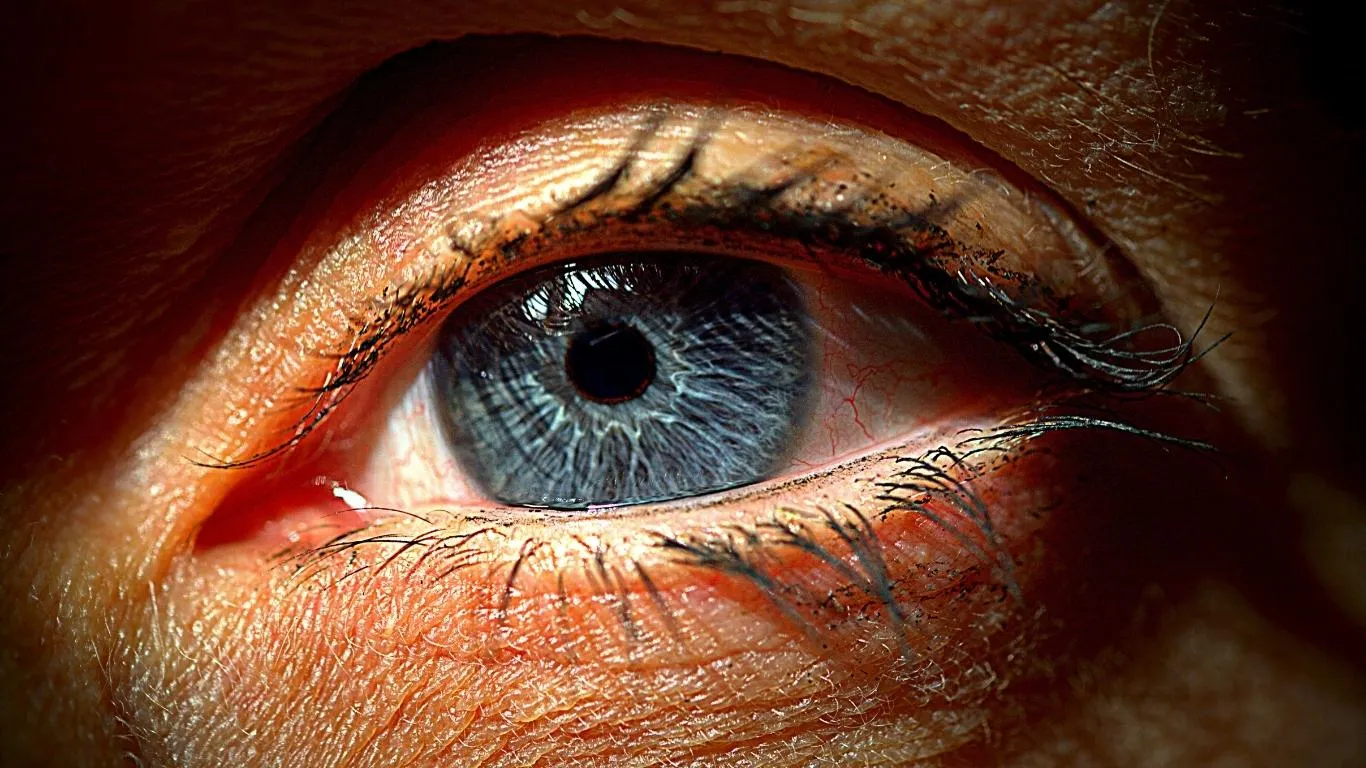
Floaters, in general, are tiny clumps of gel or cells inside the vitreous humor — the clear, jelly-like substance inside your eyes. But after a night near a bonfire, you might notice them becoming more pronounced. Why?
Smoke Particles and Eye Surface Irritation
Bonfire smoke is loaded with microscopic particles, ash, and chemicals. When you’re standing close, these particles can cling to the tear film on your eyes, causing irritation and inflammation. For those who already have a predisposition to floaters, this added irritation can make floaters suddenly more visible.
- Carbon particulates — The tiny black bits in smoke can linger in the eye’s surface layers.
- Dryness induced by heat — Bonfire heat can evaporate the natural moisture in your eyes, making floaters stand out more starkly against a dry background.
- Eye strain — The constant adjustment of your eyes to flickering light and shadows adds to visual fatigue, which can exacerbate floater visibility.
Interestingly, according to this article, exposure to smoke—whether from cigarettes or bonfires—can lead to increased floater perception due to chronic irritation of ocular tissues.
Bonfire Heat and Vitreous Gel Shifts
Another lesser-known factor is how extended heat exposure can influence the vitreous gel inside your eyes. While a single bonfire won’t “melt” your vitreous, it can temporarily alter its consistency. Heat dehydrates your entire body, including ocular tissues, leading to minor shifts in the vitreous that can make floaters more mobile and obvious.
Is It a Sign of Something Serious?

In most cases, floaters after bonfire exposure are benign and temporary. However, if accompanied by sudden flashes of light, a dark shadow (curtain-like) over part of your vision, or if the floaters are unusually dense, it could indicate a more serious issue like a retinal tear or detachment.
Check out this guide on early signs of retinal tears linked to floaters to be on the safe side. It’s better to err on the side of caution when new visual disturbances occur.
Are Certain People More Prone to Floaters After Bonfire Exposure?
Absolutely. Based on both research and personal experience (yes, I fall into this category), several groups are at a higher risk:
- People with Dry Eye Syndrome — Bonfire heat can aggravate dryness, making floaters starkly visible.
- High Myopia Patients — Those with nearsightedness already have a liquefied vitreous, making it easier for floaters to drift into view after external irritations.
- Individuals over 40 — Natural age-related vitreous changes combined with smoke exposure can amplify floater disturbances.
I remember my father, who’s extremely nearsighted, couldn’t enjoy our bonfire nights without noticing a sudden “storm” of floaters afterward. He once described it as looking through a dirty glass window for hours.
How to Minimize Floaters After Bonfire Nights
While you can’t completely eliminate floaters caused by vitreous debris, you can certainly reduce their prominence after a bonfire session.
1. Protective Eyewear Is a Game Changer
Wearing wraparound glasses or clear safety goggles when close to a bonfire can prevent particulate matter from entering your eyes. It’s a simple yet underrated trick.
2. Hydrate More Than Usual
Since bonfire heat dries out your body, extra hydration helps maintain your tear film’s consistency. Sip water consistently throughout the evening.
3. Use Lubricating Eye Drops Post-Event
Artificial tears can flush out lingering particles and soothe irritated eyes. Opt for preservative-free formulas to avoid compounding irritation.
4. Blink Consciously
Sounds odd, but consciously blinking frequently while near the fire helps keep your eye surface moist and clears minor debris naturally. I started doing this after an optometrist casually mentioned it during a visit, and it made a huge difference.
For a deeper dive into natural remedies that can help manage floaters, read this comprehensive article on natural floater management.
When Should You See a Doctor?
If your floaters persist for days after the bonfire, worsen in density, or are accompanied by flashes of light, consult an ophthalmologist immediately. Persistent or worsening floaters post-exposure could be indicative of underlying vitreous or retinal complications.
Refer to our guide on when floaters signal serious eye conditions for symptoms that shouldn’t be ignored.
For a detailed understanding of general floater causes and how they differ from other eye issues, visit our main floater resource page.
Can Floaters After Bonfires Become a Chronic Issue?
Let me be upfront — in most cases, those floaters you notice after a cozy bonfire session are temporary annoyances. However, if you’re like me and attend multiple bonfires throughout the season, you might find these floaters becoming a recurring visual “guest.”
Repetitive exposure to smoke and intense heat can aggravate existing floaters or trigger more noticeable episodes in people predisposed to vitreous degeneration. Over time, if your eye health isn’t prioritized, you may start to notice these floaters sticking around longer than you’d like.
This is especially common in individuals with underlying eye conditions. Vitreous syneresis (age-related vitreous changes) is one key factor that often gets accelerated by environmental triggers like bonfire smoke.
Why Some Floaters Seem to ‘Come and Go’ Post-Bonfire
It’s frustrating, right? One day you’re floaters-free, and after an evening by the firepit, they’re back again. Here’s the thing — floaters are highly sensitive to changes in lighting, hydration, and eye fatigue. The dynamic shadows cast by bonfires combined with eye strain from squinting or smoke-induced irritation can temporarily highlight floaters that were always there but less noticeable.
In my case, floaters often “disappear” when I’m indoors under soft lighting but come roaring back after outdoor gatherings, especially around fires. It’s like they have a mind of their own.
Practical Tips to Enjoy Bonfires Without Aggravating Floaters
Okay, so you love bonfires, but you’re not too thrilled about the aftermath of floaters. Don’t worry, you don’t have to skip the fun. Here are some tried-and-tested methods that have worked wonders for me:
1. Position Yourself Upwind
Always check the wind direction before settling in. Sitting upwind ensures smoke isn’t blowing directly into your face, minimizing direct exposure to irritants.
2. Use Eye Hydration Strategies Beforehand
Pop in lubricating eye drops before the bonfire session begins. This creates a protective moisture barrier, making your eyes less susceptible to dryness and irritation-induced floaters.
3. Limit Exposure Time
Take breaks. Step away from the bonfire every 20-30 minutes to give your eyes a breather. I usually use this time to hydrate or just enjoy the stars — bonus relaxation!
4. Post-Bonfire Eye Rinse Routine
As soon as you’re back indoors, rinse your eyes with a sterile saline solution. It’s an incredibly simple step, but it flushes out residual particles and provides instant relief.
If you’ve been battling with floaters after various activities, this guide dives into actionable post-exposure routines that can help reduce their impact.
When Do Floaters Require Medical Intervention?
Here’s the harsh truth — while floaters caused by external irritants like bonfires are typically harmless, they can sometimes unmask deeper eye problems. If you notice any of these red flags, it’s time to book that eye appointment:
- Sudden increase in floater quantity
- Flashes of light accompanying floaters
- A shadow or “curtain” blocking part of your vision
- Persistent floaters that don’t improve after a few days
These could indicate retinal detachment or vitreous hemorrhage, both of which require immediate medical attention. For a more detailed breakdown of when floaters signal emergencies, explore this guide on distinguishing floaters from other eye conditions.
Could Supplements Help With Bonfire-Induced Floaters?
While there’s no magic pill that will completely eliminate floaters, certain nutrients can support your eye health and potentially minimize their severity. I’ve personally found incorporating lutein, zeaxanthin, and omega-3s into my diet made my eyes feel less “floaty” after bonfire nights.
However, don’t fall for miracle cures. Instead, aim for a balanced approach that includes proper hydration, a nutrient-rich diet, and consistent eye care habits. You can dive into a detailed list of effective supplements and their impact on vitreous health in this comprehensive guide.
Takeaway: Protecting Your Eyes During Bonfire Gatherings is Easier Than You Think

Floaters after standing near bonfires are more common than you might think, especially if you’re already prone to vitreous floaters or suffer from dry eyes. With a bit of preparation and some simple post-bonfire rituals, you can enjoy those magical evenings without worrying about your vision being clouded the next day.
If you’re curious about how floaters can be managed beyond just bonfire scenarios, check out this detailed pillar article on floater treatment options. For a deeper understanding of what causes floaters in the first place, the main floater resource page has everything you need.

Camellia Wulansari is a dedicated Medical Assistant at a local clinic and a passionate health writer at Healthusias.com. With years of hands-on experience in patient care and a deep interest in preventive medicine, she bridges the gap between clinical knowledge and accessible health information. Camellia specializes in writing about digestive health, chronic conditions like GERD and hypertension, respiratory issues, and autoimmune diseases, aiming to empower readers with practical, easy-to-understand insights. When she’s not assisting patients or writing, you’ll find her enjoying quiet mornings with coffee and a medical journal in hand—or jamming to her favorite metal band, Lamb of God.