Why Floaters Get Worse After Staying in Bright Waiting Rooms
Ever noticed those sneaky little specks drifting across your vision, especially after sitting in a bright waiting room for too long? You’re not alone. Last month, after waiting in a clinic with white walls and glaring overhead lights, I couldn’t help but see those floaters dancing around like they owned my eyesight. At first, I brushed it off as just fatigue, but it turns out, these visual intruders—eye floaters—are more common than I thought, and the bright environment wasn’t helping.
Why Do Floaters Get Worse in Bright Waiting Rooms?
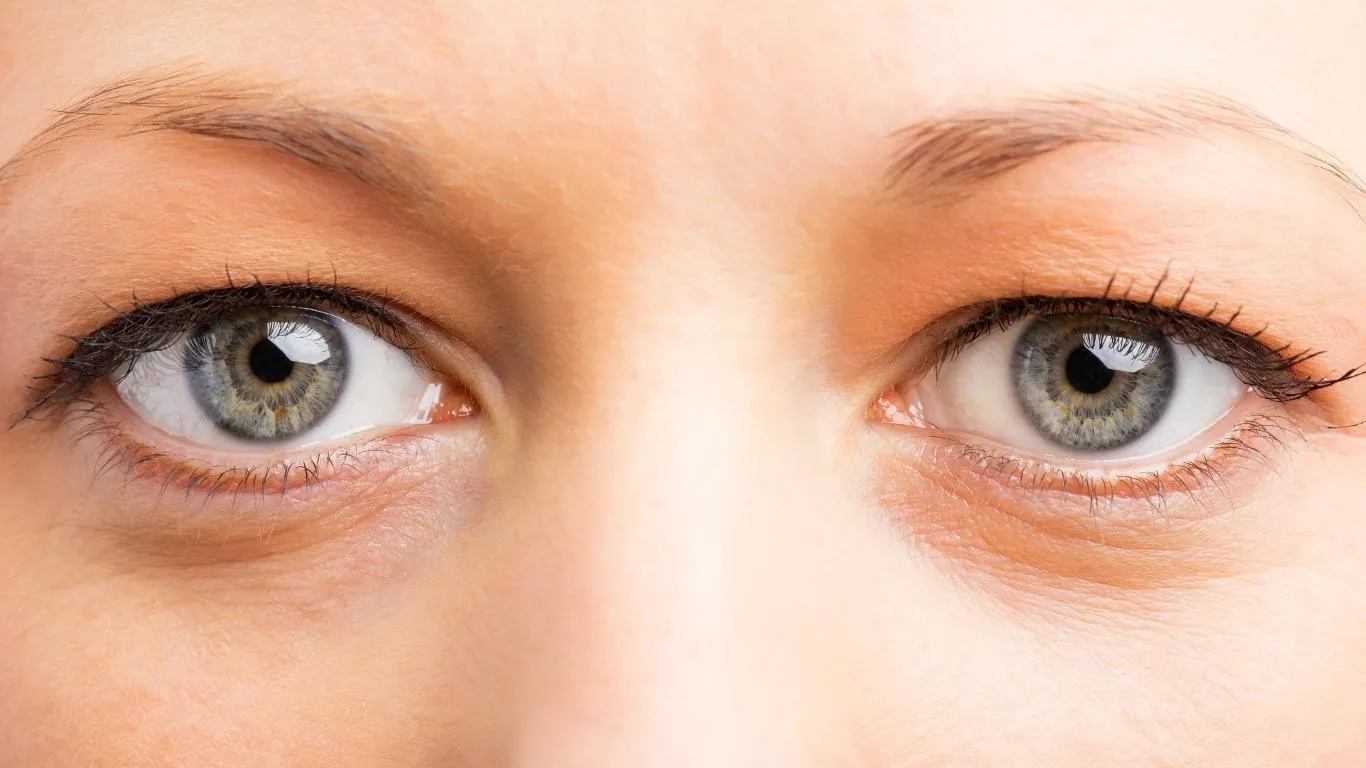
Floaters are tiny clumps or strands of collagen that cast shadows on the retina. When you’re in a brightly lit space, like a clinic’s waiting area, the excess light enhances the contrast between these floaters and your visual field, making them more obvious. I’ve had moments where a simple glance at a sunlit wall felt like watching a swarm of invisible gnats. It’s not just annoying—it can be concerning if you don’t understand why it’s happening.
The Science Behind Bright Light and Eye Floaters
Your eyes are naturally equipped to adapt to varying light conditions. However, bright artificial lighting, especially those cold LED panels common in waiting rooms, amplifies the appearance of floaters. This phenomenon is often worse when the light reflects off white or pale-colored surfaces. It’s similar to how floaters pop up more vividly when looking at a clear blue sky.
There’s actually a physiological reason behind this. The vitreous—the gel-like substance inside your eye—becomes less dense with age or due to certain conditions. These less dense areas allow collagen fibers to clump together, forming floaters. Bright lights just give them a stage to perform. If you’ve ever wondered why bright lights make eye floaters worse, this contrast effect is to blame.
Can Frequent Exposure to Bright Waiting Rooms Cause More Floaters?
Here’s where it gets tricky. Bright rooms don’t cause floaters directly, but they do make existing floaters more noticeable. However, constant strain on your eyes—like squinting or struggling with glare—can lead to eye fatigue. Over time, this fatigue may exacerbate symptoms related to floaters or cause you to notice them more often. I’ve found that after long clinic appointments, my floaters seem to linger longer into the day.
When Should You Be Concerned?
Seeing floaters is normal, but a sudden increase, especially when accompanied by light flashes, could indicate a more serious issue like retinal detachment. If floaters suddenly appear after trauma or you notice a curtain-like shadow in your vision, seek medical attention immediately. Articles like when floaters signal retinal trouble explain this in detail.
Simple Ways to Reduce Eye Strain from Bright Waiting Rooms
While you can’t redesign your doctor’s waiting room, you can take steps to minimize how floaters affect you during your wait.
- Wear light-filtering glasses: Polarized lenses can cut down on glare without darkening your entire visual field.
- Choose seating wisely: Sit away from direct overhead lights or large reflective surfaces.
- Keep your eyes moving: Floaters become more noticeable when you stare at one spot. Gentle eye movements can help “shake” them out of your central vision.
- Hydrate properly: Dehydration can reduce vitreous fluid density, worsening floaters. Here’s an in-depth read on dehydration’s impact on floaters.
Don’t Forget Proper Eye Hygiene
It’s easy to neglect basic eye care habits when you’re caught up in daily routines. However, regularly resting your eyes, maintaining a balanced diet rich in antioxidants, and managing screen time can go a long way in keeping floaters less intrusive. For those who spend long hours indoors, understanding how screen time impacts floaters is a game-changer.
When Floaters Might Indicate Underlying Health Issues
In some cases, floaters becoming more apparent in bright rooms might signal more than just an age-related nuisance. Conditions like posterior vitreous detachment (PVD) or vitreous syneresis could be at play. Additionally, systemic conditions such as diabetes or high blood pressure can manifest floaters as an early symptom. If you’re experiencing floaters frequently in bright settings, it’s worth reading up on how to differentiate floaters from other eye problems.
For a comprehensive breakdown of floaters, their causes, and medical treatments, you can visit our main guide on eye floaters causes and treatment options.
Are There Long-Term Risks of Ignoring Floaters in Bright Environments?
I used to think floaters were harmless specks—annoying, but nothing to worry about. That is, until an optometrist told me ignoring sudden changes in floaters, especially after prolonged exposure to bright environments like clinics or office spaces, could be risky. While most floaters are benign, they can sometimes indicate serious issues like retinal tears or vitreous hemorrhage. Constantly brushing them off might delay detection of these conditions.
One of the most overlooked risks is that chronic exposure to glaring lights can cause visual discomfort that amplifies floater perception. This doesn’t necessarily mean new floaters are forming, but your brain’s heightened sensitivity makes you notice them more. For those curious about the correlation between light sensitivity and floater visibility, this guide on floaters after eye trauma sheds light on the matter.
Can Lifestyle Adjustments Really Help with Floaters?
While no magic fix exists to dissolve floaters overnight, small tweaks in daily habits can genuinely help reduce how often they interfere with your vision. I’ve found that incorporating subtle changes, like using computer glasses with anti-glare coatings and practicing quick eye relaxation exercises during work breaks, makes a noticeable difference. You might be surprised how much simple eye exercises can ease floater-related strain.
Diet and Supplements Matter More Than You Think
One of the most underrated strategies? Nutrition. After experimenting with adding more Omega-3 fatty acids and Vitamin C-rich foods to my meals, the visual discomfort from floaters—especially after hours under bright lights—reduced significantly. Scientific studies back this up, with sources like American Academy of Ophthalmology emphasizing the role of antioxidants in ocular health. There’s even growing evidence suggesting collagen-supporting supplements may improve vitreous clarity over time.
- Lutein and Zeaxanthin: Found in leafy greens, these carotenoids help protect your eyes from oxidative damage.
- Hydration: Simple yet effective—staying well-hydrated can improve vitreous consistency.
- Collagen Supplements: Some patients report fewer floaters after maintaining a collagen-rich diet.
For a practical breakdown, the article on diet changes to improve floaters is a must-read.
When Medical Intervention Becomes Necessary
If you’re like me, you’d probably prefer to avoid invasive procedures. But in certain cases, medical treatments become the most viable option. Floaters that are dense enough to obstruct vision, or those accompanied by light flashes, might require interventions like laser vitreolysis or even vitrectomy. These aren’t casual decisions; consulting an ophthalmologist who specializes in floaters is essential.
For those not ready for surgery, observational management is often recommended. It’s about monitoring changes and adapting lifestyle habits to minimize discomfort. You can explore various treatment options for eye floaters here.
Are Natural Remedies Effective or Just Hype?
I’ve experimented with a few “natural remedies” floating around forums. Some are gimmicks, but others—like maintaining optimal hydration and adopting visual hygiene practices—do have merit. The key is distinguishing fact from fiction. Our article on natural ways to manage floaters dives into this topic.
Tips to Survive Bright Waiting Rooms Without Floater Discomfort
- Bring Anti-Glare Eyewear: Always carry glasses with blue-light filters or photochromic lenses when visiting clinics.
- Avoid Staring at Blank Walls: Focus on textured objects or read printed material to distract from floaters.
- Practice Eye Movements: Simple side-to-side or circular eye rolls can shift floaters out of your direct line of sight.
- Adjust Seating Position: Choose seats away from windows or reflective surfaces.
- Stay Hydrated: Carry a water bottle; hydration isn’t just good for floaters, it combats overall eye dryness in bright settings.
When Are Floaters After Bright Exposure a Red Flag?
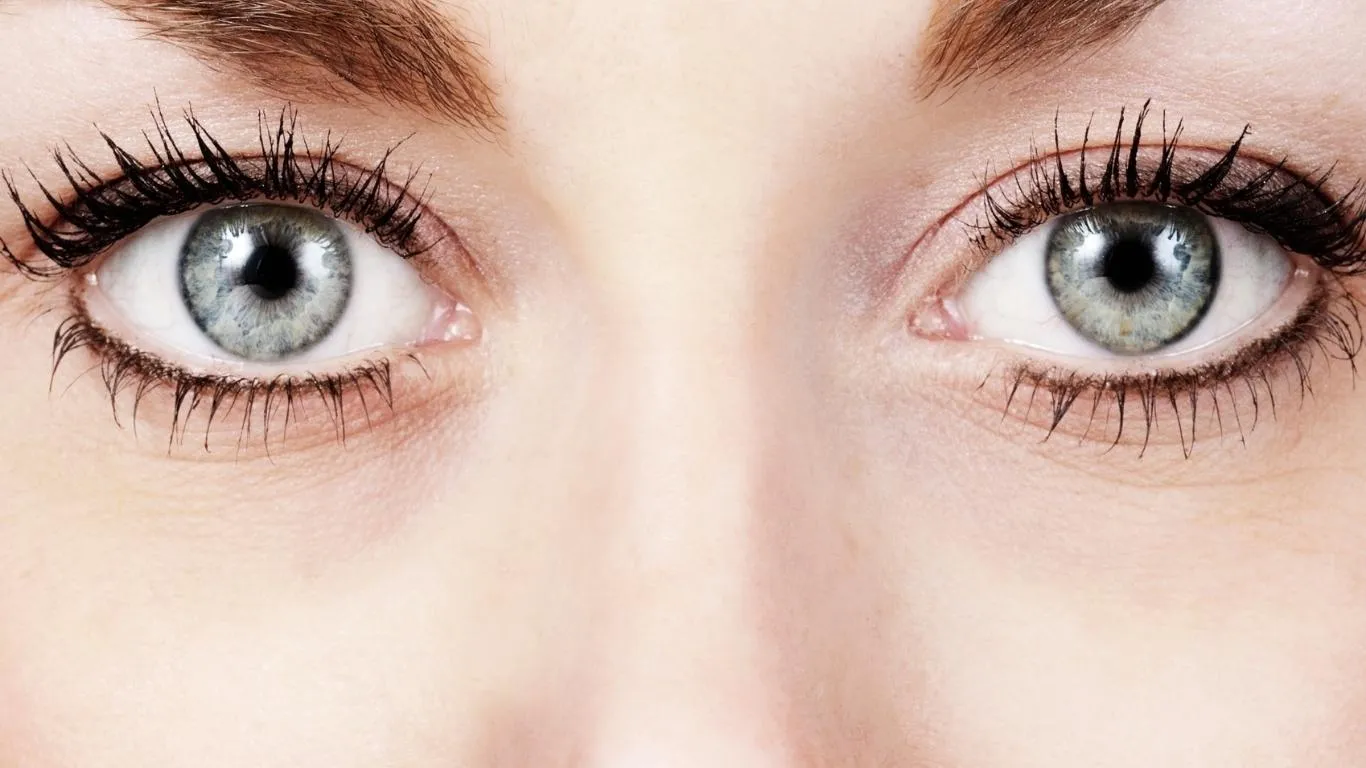
Floaters that suddenly appear in large numbers after spending time in a bright space can sometimes indicate posterior vitreous detachment (PVD) or worse, a retinal tear. If these floaters are accompanied by light flashes, a drop in peripheral vision, or a shadow-like curtain effect, it’s time to book an immediate ophthalmology appointment. Articles like floaters before retinal tears highlight why early detection is crucial.
Moreover, floaters exacerbated by underlying conditions such as diabetes or high myopia require specialized management. Knowing how to distinguish between harmless floaters and those tied to systemic health issues is essential. For a comprehensive understanding, the guide on what causes floaters and treatment options provides in-depth insights.
Final Takeaway: Stay Vigilant, Stay Comfortable
Floaters are part of life for many of us, but that doesn’t mean we have to let them disrupt our routines. By understanding how environments like bright waiting rooms amplify their presence, and adopting proactive strategies, you can minimize their impact. Equip yourself with knowledge, stay observant of sudden changes, and always prioritize eye-friendly habits.

Camellia Wulansari is a dedicated Medical Assistant at a local clinic and a passionate health writer at Healthusias.com. With years of hands-on experience in patient care and a deep interest in preventive medicine, she bridges the gap between clinical knowledge and accessible health information. Camellia specializes in writing about digestive health, chronic conditions like GERD and hypertension, respiratory issues, and autoimmune diseases, aiming to empower readers with practical, easy-to-understand insights. When she’s not assisting patients or writing, you’ll find her enjoying quiet mornings with coffee and a medical journal in hand—or jamming to her favorite metal band, Lamb of God.