Why Floaters After Sudden Blood Pressure Changes Can Be A Warning
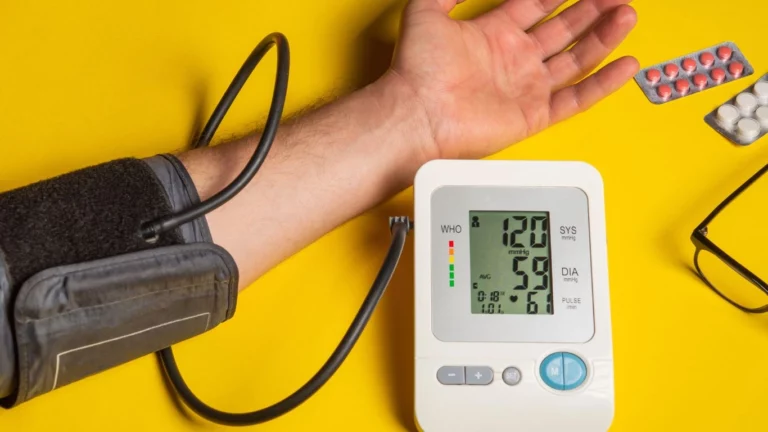
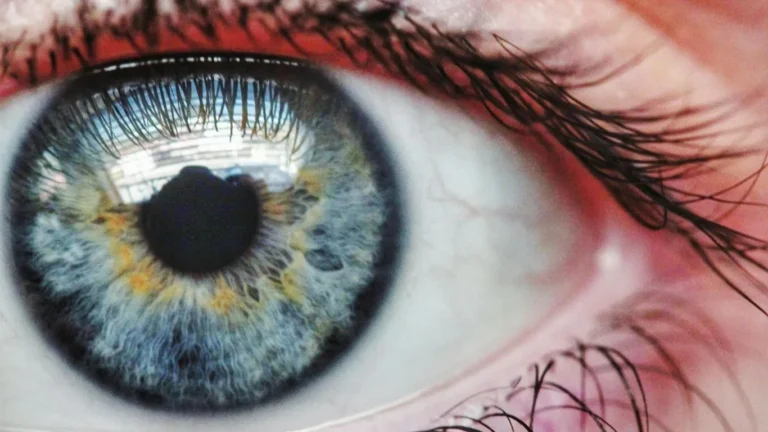
I’ll never forget the first time I saw one. A tiny, squiggly shadow drifted across my vision like a lazy fly refusing to land. I blinked, rubbed my eyes, and looked around—nothing. Turns out, I had just met my first eye floater. And that one harmless speck? It showed up right after a week of erratic blood pressure spikes. Coincidence? Maybe. But that wasn’t the last time I noticed more of them—especially after sudden fluctuations in my BP.
Why Sudden Blood Pressure Changes Might Trigger Eye Floaters
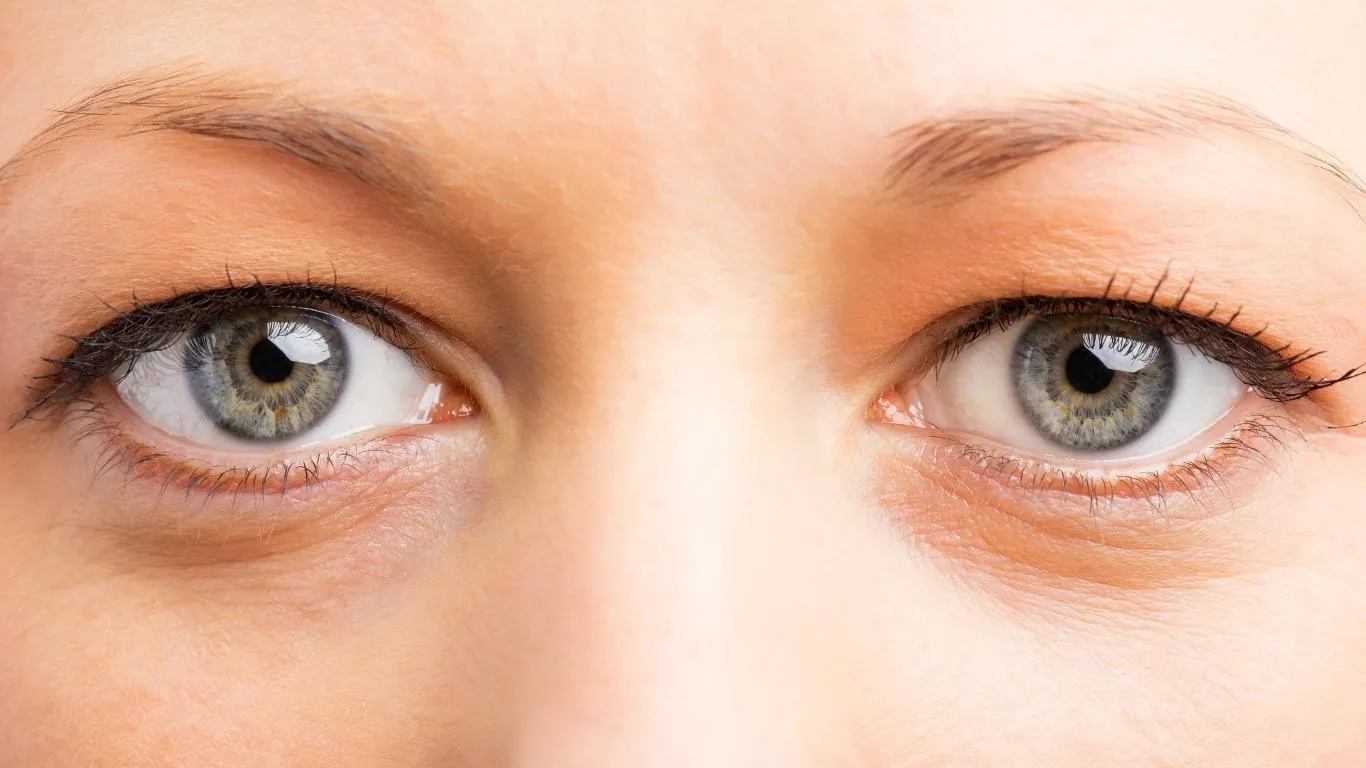
Here’s the thing: eye floaters themselves aren’t a disease. They’re usually harmless little clumps of collagen or vitreous gel inside the eye that cast shadows on your retina. But when they show up suddenly, especially after a jump or drop in blood pressure, it could be a red flag that something’s off. I’m not just talking hypotheticals either—this exact experience is becoming more common, and it’s worth understanding why.
The Connection Between Ocular Health and Blood Pressure
Blood pressure, when not managed properly, can influence every vascular structure in your body—including those in the eyes. A sudden surge in BP can lead to increased intraocular pressure or microvascular strain, which in turn may disrupt the gel-like vitreous inside your eyes. That’s when floaters start to appear or worsen. Sudden drops in blood pressure? Equally concerning, especially if they’re drastic. Reduced perfusion to the retina can make those floaters more noticeable or even permanent in some cases.
My Ophthalmologist’s Take
When I shared my experience with my eye doctor, he didn’t blink. “It’s common,” he said. “Your retinal capillaries are extremely sensitive to vascular changes. If your BP fluctuates, your eyes can react before anything else does.” He explained how floaters aren’t just optical distractions—they’re often early warning signals for something more systemic, like hypertensive retinopathy or posterior vitreous detachment. That made me listen closely.
Common Scenarios When Floaters Follow BP Changes
- After intense workouts: Ever stood up too fast after a HIIT session and saw floaters? Sudden BP shifts during strenuous activity are a known trigger.
- Following emotional stress or panic attacks: Anxiety-induced spikes can momentarily elevate BP, often followed by visual disturbances.
- Medication changes: Especially if you’ve recently started or stopped blood pressure meds without tapering properly.
- During illness or dehydration: Sudden drops in BP, like during fevers or viral infections, can make floaters appear out of nowhere.
Interestingly, one study published on ncbi.nlm.nih.gov emphasized how systemic blood pressure variability is closely tied to ocular perfusion. Translation? Your heart and eyes are way more connected than you think.
Real Cases, Real Warning Signs
I remember reading this article about floaters following trauma or physiological stress. The parallels with sudden BP changes were undeniable. A spike in systolic pressure, even for a few seconds, can increase stress on the retina or vitreous cavity, which might lead to floaters that don’t just “go away.” If you’ve had high blood pressure episodes and noticed more floaters right after, you’re not alone—and it’s not in your head.
Not All Floaters Are Created Equal
The tricky part? Not every floater is dangerous. Some are just byproducts of aging or tired eyes. But others—especially ones that pop up after you’ve had a sudden BP spike—could be masking deeper issues. According to the American Academy of Ophthalmology, floaters that show up with flashes, curtain-like vision loss, or eye pain need immediate medical attention.
- Black floaters can sometimes be related to retinal bleeding.
- Cloud-like floaters may suggest fluid buildup or vitreous detachment.
- Sharp, threadlike floaters are often mechanical changes in vitreous consistency.
The visual difference matters, and it’s worth tracking what you see. A handy reference is this piece on black eye floaters—it helped me distinguish between harmless and potentially dangerous types.
Who’s Most at Risk After BP Spikes?
I wish I had known earlier that some of us are more likely to experience floaters after BP swings. Age plays a big role. As you get older, the vitreous gel becomes more liquid and prone to clumping. Add hypertension or a poorly managed diet, and you’re basically inviting eye floaters to the party. But even if you’re young, sudden dehydration, low blood sugar, or stress-related BP surges can do the trick. Athletes, for instance, often deal with unexpected floaters in their 40s when pushing physical limits.
Also, if you’ve had cataract surgery, LASIK, or use steroid drops, you might already be at a higher risk. This guide on floaters after cataract surgery opened my eyes to how even minor pressure changes post-op can trigger visible effects.
Keeping an Eye on Sudden Floaters
If there’s one piece of advice I’d give anyone noticing floaters after a BP shift, it’s this: don’t ignore them. Keep a simple visual journal—date, time, what the floater looked like, and what you were doing. It helped me figure out my patterns, especially during stress spikes or days I forgot to hydrate. Sometimes the cause isn’t obvious until you connect the dots.
Want a deeper dive into how floaters are tied to overall eye health? I recommend checking out this comprehensive guide on common causes of floaters. It lays out both routine and serious reasons with clarity. For a foundational look at symptoms, treatment, and long-term prevention, this main pillar article is your best starting point.
What to Do When Floaters Show Up After BP Changes
When I first mentioned my post-BP-spike floaters to a friend, she brushed it off—“Oh, those are normal.” But are they really? Sure, they’re common. But when they’re triggered by sudden blood pressure changes, it’s not just “aging.” It could signal something brewing deeper. So what can you actually do about it?
Step One: Don’t Panic, But Do Track
I used to panic every time I saw a new floater. Truth is, most aren’t dangerous. Still, if it shows up suddenly and you’ve recently experienced stress, dehydration, or a med adjustment that affected your BP—it’s worth logging. Start by writing down:
- When you noticed the floater
- What it looked like (shape, color, movement)
- What you were doing before it appeared (intense workout, hot shower, skipped meals?)
- Any blood pressure change—if you monitor it
I found this resource super helpful in building my floaters log. You’ll be surprised how patterns reveal themselves over time.
Step Two: Rule Out Dangerous Causes
Not to scare anyone, but retinal tears and bleeds sometimes present as floaters first. Especially after pressure fluctuations. This is where you absolutely shouldn’t DIY your diagnosis. If you’re seeing:
- Sudden increase in floaters (like a snow globe of spots)
- Floaters combined with light flashes or peripheral vision loss
- Dark or bloody spots that don’t fade
…then call your eye doc immediately. They’ll likely dilate your pupils and do a full retinal exam. Better safe than sorry. I’ve seen too many stories like this one on retinal tears where early intervention made all the difference.
Lifestyle Shifts That Helped Me Reduce Floaters

Okay, floaters might not vanish completely. But here’s what actually helped me see fewer of them—or at least stop them from multiplying after BP swings.
1. Staying Hydrated, Always
I used to underestimate water. Big mistake. Dehydration messes with blood volume and ocular pressure. Now I keep a bottle on my desk, one in the car, and track intake using an app. Bonus: it helped stabilize my BP too. You can read more on that in this hydration-related floater guide.
2. Magnesium and Potassium-Rich Foods
Not preaching supplements here—just real food. Bananas, avocados, spinach. I noticed fewer BP spikes and steadier energy. Since then, I’ve been more mindful about mineral balance, especially after reading insights on how blood pressure dips contribute to vision issues.
3. Breathwork Over Caffeine
Caffeine used to be my crutch. But truthfully, it made things worse—spiking my BP, and my anxiety. Now, when I feel pressure build, I sit and do 4-7-8 breathing. It sounds simple, but it works. Interestingly, this article helped connect those dots for me.
4. Eye Rest Intervals
Eye strain isn’t just uncomfortable—it seems to make floaters more visible. I now follow the 20-20-20 rule (every 20 mins, look 20 feet away for 20 seconds) and noticed better clarity. If you’re glued to screens like I am, you’ll want to check this guide on screen-time-induced floaters.
Floaters, Hormones, and BP—A Complex Trio
This surprised me the most: hormones. Especially during PMS or menopause, BP can shift subtly but significantly. And I swear, every time it did, new floaters came creeping in. If you’ve noticed floaters intensifying during hormonal changes, you’re not imagining it. Here’s a great breakdown on why menopause-related floaters get worse.
Even pregnancy can cause BP shifts and new floater episodes—just check out this article if that’s relevant to your situation.
When It’s More Than Just a Floater
At one point, I started questioning whether what I was seeing were even floaters. Turns out, not everything that floats in your vision is a “floater.” Conditions like posterior vitreous detachment (PVD), retinal bleeding, or even temporary ocular migraines can mimic the same symptoms. One of the more surprising articles I read, right here, saved me from self-misdiagnosis.
Your best bet? Pair floaters with context: BP changes, lifestyle, and systemic health. Sometimes the dots connect. Other times, they drift—just like the floaters themselves.
Learning to Live With Floaters—Without Ignoring the Signs
I still get floaters now and then, especially after long flights or late nights. But they no longer freak me out. Why? Because I understand what causes them. I monitor my BP regularly, I eat better, I hydrate more than ever, and I take screen breaks even if I’m mid-project. Floaters don’t run my life anymore—they just tag along sometimes.
If you’ve been seeing floaters after sudden changes in blood pressure, I strongly recommend digging into this treatment-focused guide. And for a broader perspective on symptoms and care, this pillar overview is a must-read.

Camellia Wulansari is a dedicated Medical Assistant at a local clinic and a passionate health writer at Healthusias.com. With years of hands-on experience in patient care and a deep interest in preventive medicine, she bridges the gap between clinical knowledge and accessible health information. Camellia specializes in writing about digestive health, chronic conditions like GERD and hypertension, respiratory issues, and autoimmune diseases, aiming to empower readers with practical, easy-to-understand insights. When she’s not assisting patients or writing, you’ll find her enjoying quiet mornings with coffee and a medical journal in hand—or jamming to her favorite metal band, Lamb of God.