How To Reduce Floaters After Sunrise Contemplation Practice
There’s something magical about those early morning moments, when the world is still quiet and the sunlight slowly starts to creep across the horizon. For me, sunrise contemplation practice has become a grounding ritual — a time to slow down, breathe deeply, and let my mind wander in a peaceful, intentional way. But I’ll be honest, there’s been a curious twist to this serene routine: I started noticing these tiny, drifting specks and cobweb-like strands in my vision. At first, I brushed them off as a quirk of early morning grogginess. Then, after a few weeks, I realized they weren’t going anywhere. That’s when I learned more about eye floaters, especially how they can become noticeable during something as mindful as watching the sunrise.
Why Floaters Stand Out During Sunrise Contemplation
Floaters are those small, shadowy shapes that drift across your field of vision. You might see them as faint threads, rings, or squiggly lines, and they tend to move when your eyes move. The reason they suddenly stand out during sunrise contemplation is partly environmental and partly physiological. When the sun rises, the combination of low-angle light and clear sky creates the perfect backdrop for floaters to become more pronounced. This is especially true if you’re gazing at a bright area like the sky or the sun’s halo.
From my own experience, the soft glow of early sunlight can act like a spotlight for these little intruders. It’s not that they appear out of nowhere — they’re always in your eye’s vitreous gel — but the lighting conditions make them far easier to notice.
The Role of Contrast and Light Angle
Floaters become more visible against bright, uniform backgrounds. The pale golden wash of the sky at sunrise offers that kind of backdrop. When the light hits at a low angle, it enhances contrast in ways our brain interprets as more “noticeable” movement within the eye. This explains why you might not see them as much when staring at a patterned wall or a busy street scene, but they seem to pop into view when you’re in calm, open spaces.
Are Sunrise Floaters a Cause for Concern?
In most cases, floaters are harmless and simply a result of natural changes in the eye’s vitreous gel. However, if you notice a sudden increase in floaters, flashes of light, or a shadow that seems to sweep across your vision, that could be a sign of something more serious, like a retinal tear or detachment. If you’ve had a recent head injury or eye trauma, it’s worth reading about why blunt eye trauma floaters should never be ignored.
For many people — myself included — these morning floaters are a minor annoyance rather than a medical emergency. Still, it’s good to understand when you should get them checked out. Resources like the guide on dangerous floater signs offer a helpful baseline.
Factors That May Intensify Floaters at Sunrise
- Dehydration: Overnight fluid loss can slightly change the eye’s internal environment, making floaters more noticeable. If you tend to skip morning water, this could make things worse.
- Eye strain: If you meditate after checking your phone in bed, your eyes might already be fatigued.
- Underlying conditions: Issues like high myopia or recent eye surgeries can make floaters more visible. In fact, there’s a connection between age-related vitreous changes and morning floater awareness.
My Personal Adjustments for a Clearer Sunrise View
When I first noticed these specks during my morning practice, I tried ignoring them. That didn’t work. What helped instead was a mix of mindful adaptation and small lifestyle tweaks:
- Hydrating before sunrise: A simple glass of water about 20 minutes before my contemplation made a surprising difference.
- Changing my gaze angle: Instead of looking directly at the brightest part of the sky, I focus on the edges or foreground elements like trees.
- Adding gentle eye movements: Slowly moving my gaze can shift floaters away from my central vision, giving me short “clear” moments.
If your sunrise routine is your non-negotiable daily ritual, you might also find value in exploring natural floater management options. While they may not work for everyone, certain habits like improving overall eye health and reducing screen time can help minimize distractions.
When Floaters Interrupt Mindfulness
Sunrise contemplation is supposed to be a mental decluttering, but persistent floaters can sometimes make you more aware of your eyes than your thoughts. In my case, there were mornings when I’d spend more time tracking the movement of a dark speck than focusing on my breathing. If you relate, you’re not alone.
Some practitioners intentionally close their eyes for parts of their sunrise practice to give their vision a break. Others incorporate focal shifts — looking at the sky for a minute, then briefly at the ground, then back again. These shifts can make floaters less bothersome because they change how the vitreous gel moves.
Of course, if floaters are starting to interfere with your day-to-day life beyond your sunrise sessions, exploring treatment options such as those outlined in the floater treatment guide may be worth considering.
Knowing Your “Normal” Baseline
One of the best pieces of advice I got from my optometrist was to get familiar with my normal floater pattern. That way, I’d immediately recognize if something changed — like a sudden burst of new floaters or an odd shape appearing. For anyone doing regular mindfulness practices in bright morning light, this awareness becomes second nature over time.
Related Resources and Further Reading
If you want a deeper understanding of why floaters appear and when they’re worth medical attention, the main guide to eye floaters is a good starting point. It covers causes, symptoms, and the range of treatment options available. For a more focused take on causes that range from natural aging to injuries, see this detailed breakdown.
And if you want an external perspective, reputable health resources like American Academy of Ophthalmology and Mayo Clinic also provide balanced, medically-reviewed information.
After adjusting my sunrise contemplation routine to live more peacefully with floaters, I started wondering if there was more I could do beyond subtle gaze shifts and hydration. Over time, I discovered a few strategies, some grounded in science and some in personal trial and error, that can make a big difference in how floaters affect your sunrise practice — and your vision in general.
Lifestyle Tweaks That Minimize Sunrise Floater Distraction
The truth is, there’s no single “magic fix” for floaters, especially when they’re simply a natural byproduct of aging eyes or minor vitreous changes. But small, consistent habits can shift the balance in your favor:
- Consistent hydration: I keep a refillable bottle by my bedside. Drinking before and after my sunrise session helps my eyes feel more comfortable.
- Reducing sugar and processed foods: While diet isn’t a cure, lowering systemic inflammation has made my floaters less noticeable over months.
- Wearing a brimmed hat at sunrise: This reduces the direct glare, making the sky less of a high-contrast canvas for floaters to dance across.
- Managing screen exposure: I’ve noticed too much screen time can make floaters feel more intrusive the next morning, especially during bright light meditation.
Incorporating Gentle Eye Exercises
It’s not about “curing” floaters with exercise, but rather supporting healthy circulation and reducing stiffness in the eye muscles. I’ll occasionally integrate slow, controlled eye movements into my meditation — moving my gaze in small circles, shifting focus between near and far objects. This has a surprisingly calming effect and, for me, sometimes moves a stubborn floater out of my central vision.
When Sunrise Floaters Hint at an Underlying Condition
Most floaters are benign, but if you notice they’ve changed — either in number, shape, or accompanied by other symptoms — it’s worth considering a professional exam. This is particularly important if they’re paired with light flashes or peripheral vision loss, as explained in the differences between floaters and retinal detachment guide.
From my own experience, a routine eye check turned into a valuable baseline record. Even though my floaters were harmless, I now have comparison data for future visits. That peace of mind alone is worth the time.
Possible Triggers Beyond Sunrise Light
If you only notice floaters in the morning, the sunrise might not be the sole cause. Other factors can be at play:
- Morning dehydration from overnight breathing.
- Post-sleep eye dryness, especially in air-conditioned rooms.
- Lingering effects of previous day’s eye strain.
Understanding your patterns is key. I once blamed my sunrise routine for a spike in floater visibility, only to realize it was tied to a weekend of binge-watching late at night.
Practical Coping Strategies for Mindful Mornings
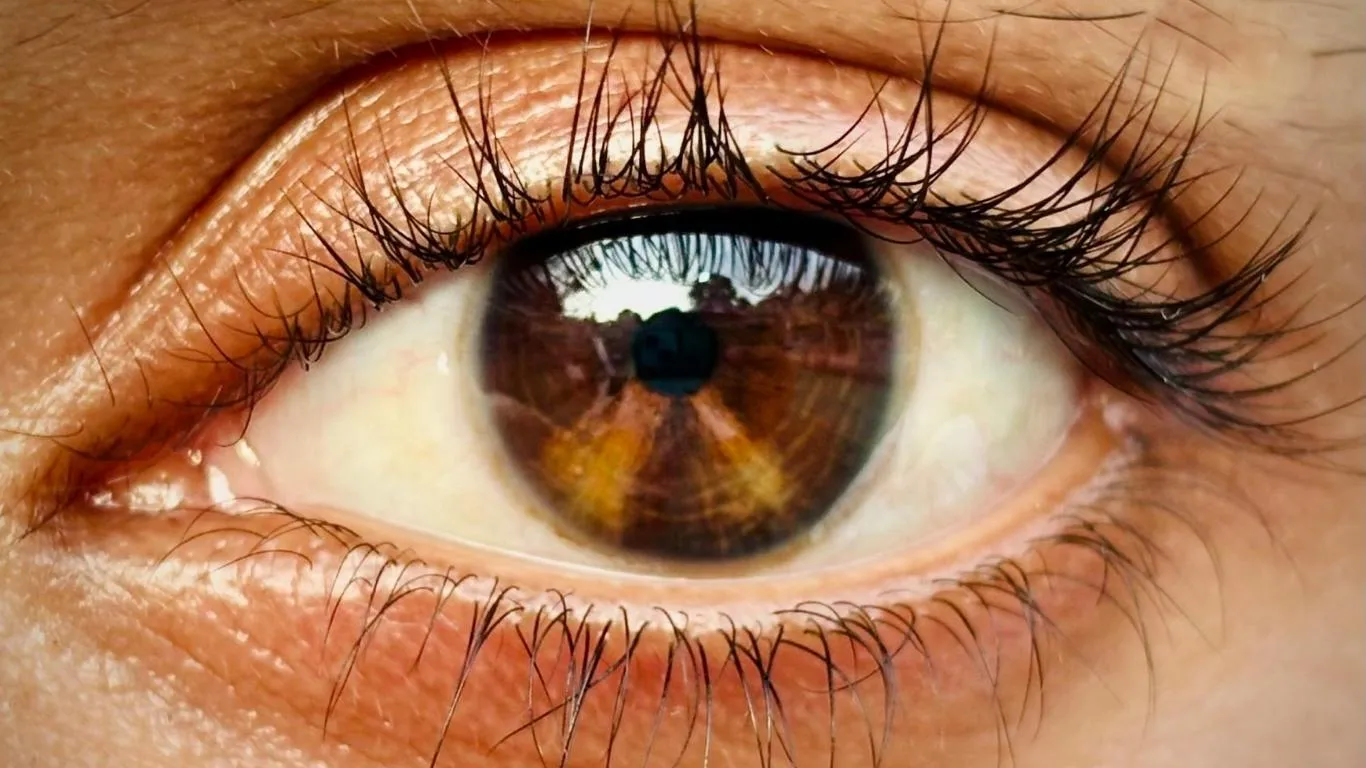
Living with floaters during a practice that’s meant to calm you can feel ironic, but a few small adjustments can keep your sessions restorative:
- Focus on movement: Instead of holding a static gaze, incorporate slow visual sweeps across the horizon.
- Shift attention inward: Direct more focus to breath and body sensations rather than visual perfection.
- Alternate open and closed eyes: A short closed-eye interval can reset your visual field.
I’ve even experimented with practicing near textured natural elements like tall grass or rippling water. The visual complexity makes floaters blend in more, giving my mind a break.
Exploring Treatment Options — If Needed
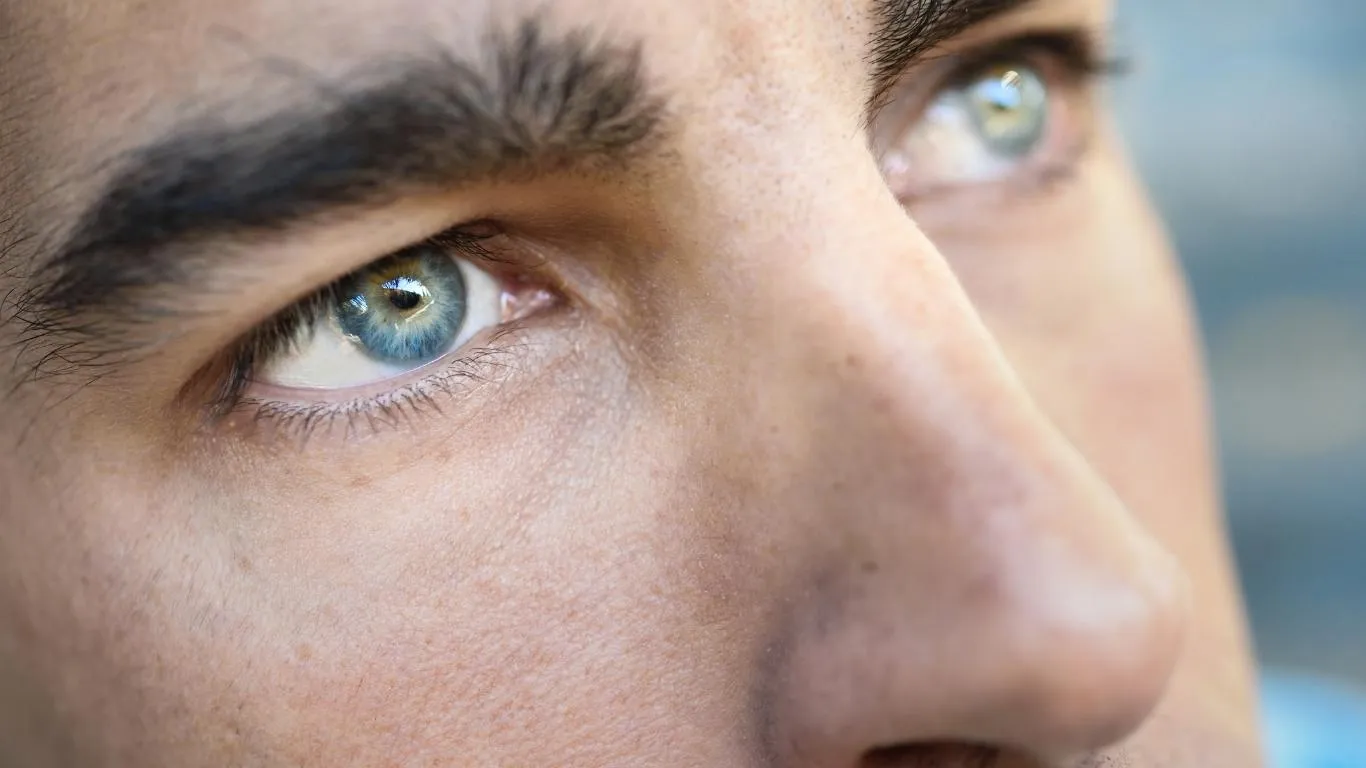
While most people don’t require intervention for floaters, some do choose treatment if they become too disruptive. Options range from simply monitoring them to more involved procedures like laser vitreolysis or vitrectomy. The treatments overview outlines the pros and cons in detail.
I personally haven’t pursued medical treatment because my floaters aren’t severe enough, but it’s comforting to know there are solutions if they ever cross that threshold.
Maintaining Eye Health for the Long Term
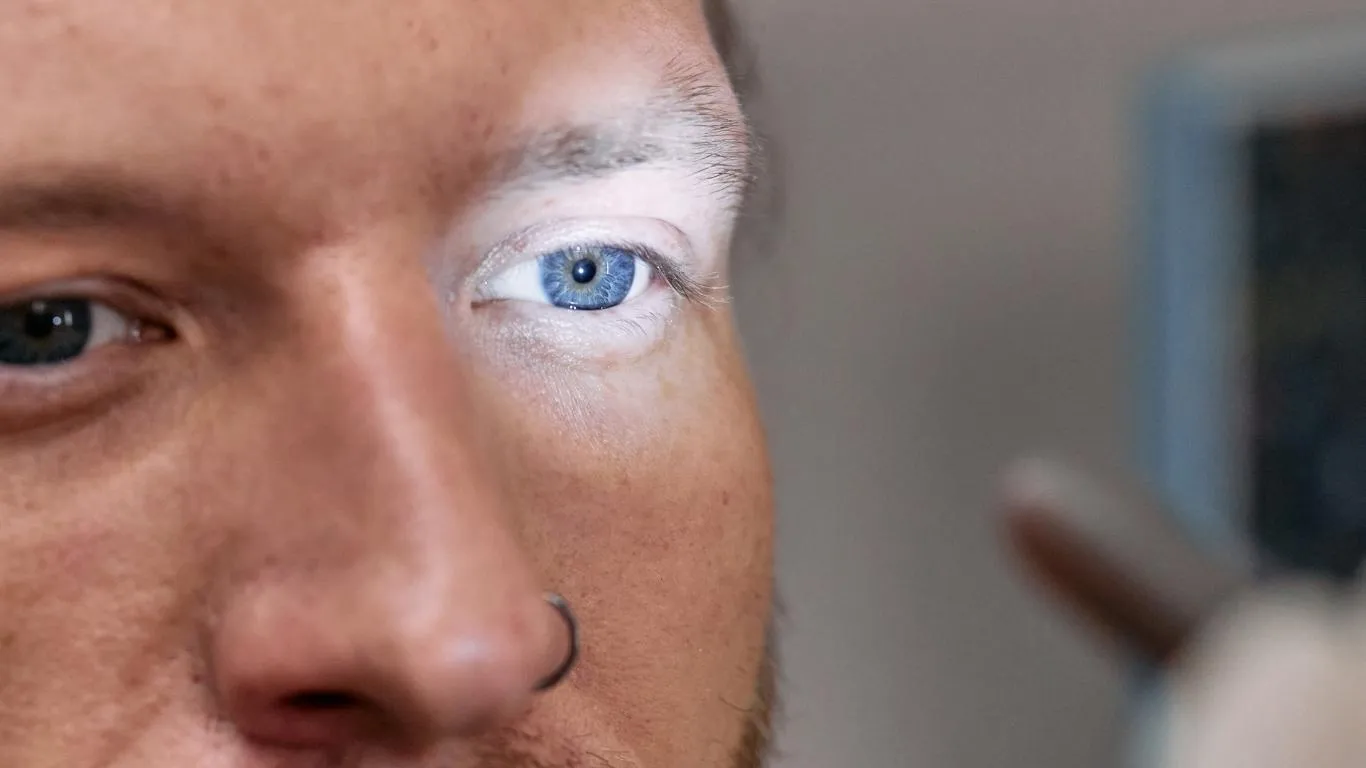
Your sunrise contemplation practice can be a perfect reminder to check in with your overall eye health. Here are a few ongoing habits I’ve adopted:
- Regular eye exams, even if nothing feels “wrong.”
- Including antioxidant-rich foods like spinach and blueberries in my diet.
- Wearing sunglasses that block 100% UV rays, even during early morning hours.
- Managing stress, since stress can make floaters more noticeable.
By treating my eyes with the same care I give my mental health during meditation, I’ve found a comfortable balance between visual distractions and inner stillness.
Further Reading and Resources
If sunrise is your favorite time for reflection but floaters keep stealing the spotlight, I recommend diving into this in-depth guide to causes and treatments for a well-rounded perspective. It pairs well with the detailed discussion on how to recognize symptoms you shouldn’t ignore.
For additional trusted insight, the All About Vision site and NHS offer accessible, evidence-backed articles that cover everything from prevention to when it’s time for an urgent eye check.

Camellia Wulansari is a dedicated Medical Assistant at a local clinic and a passionate health writer at Healthusias.com. With years of hands-on experience in patient care and a deep interest in preventive medicine, she bridges the gap between clinical knowledge and accessible health information. Camellia specializes in writing about digestive health, chronic conditions like GERD and hypertension, respiratory issues, and autoimmune diseases, aiming to empower readers with practical, easy-to-understand insights. When she’s not assisting patients or writing, you’ll find her enjoying quiet mornings with coffee and a medical journal in hand—or jamming to her favorite metal band, Lamb of God.