Why Floaters After Trampoline Exercise Might Be A Red Flag
You know that feeling when you’re having fun bouncing around on a trampoline—pure joy, total freedom—until suddenly, you notice something strange floating across your vision? It’s not sweat or dust. It’s those weird squiggly things. That was me last summer. After an energetic round of trampoline flips with my nephews, I noticed floaters for the first time. And I mean seriously noticeable floaters—tiny transparent threads drifting in my line of sight. It felt like they showed up right after I stopped jumping. Coincidence? Apparently not. Let’s unpack why this happens.
Why Do Floaters Appear After Jumping or Trampoline Workouts?
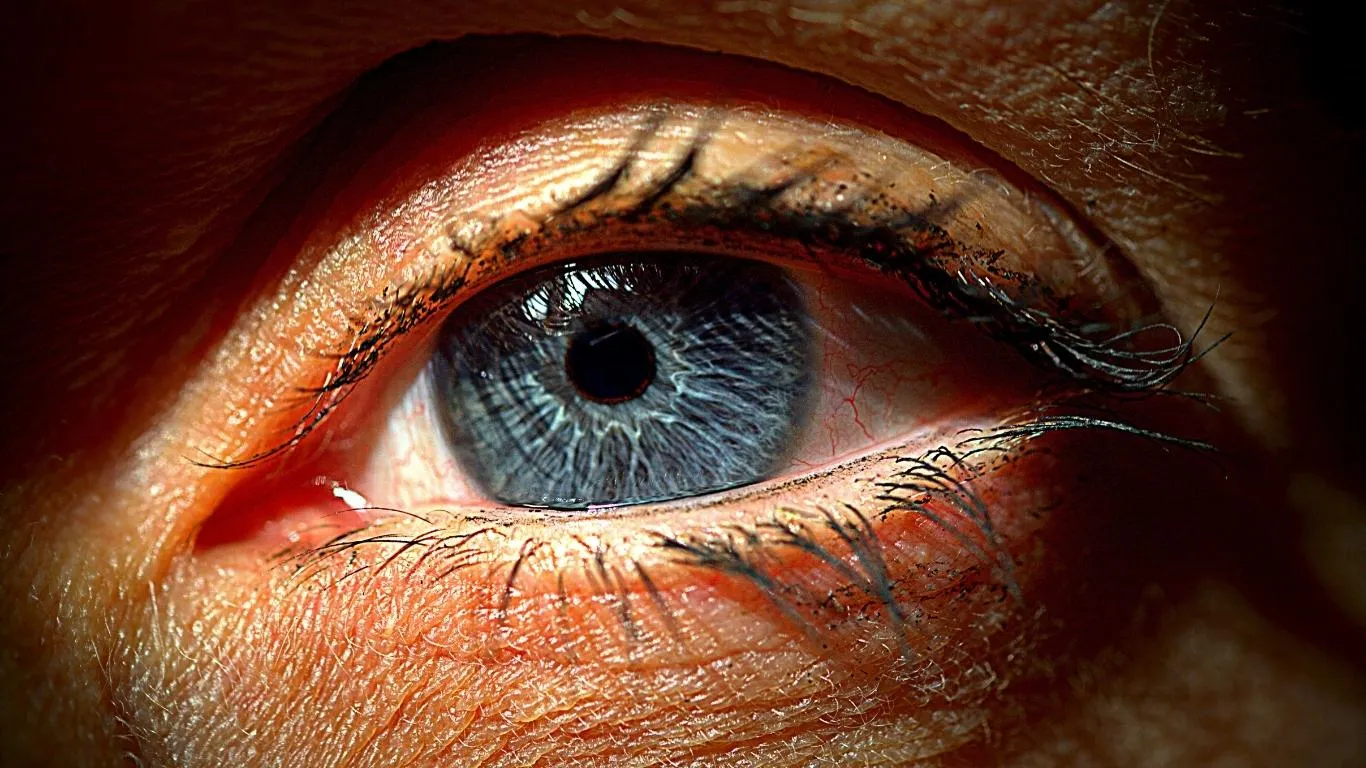
First off, floaters aren’t always a sign of something scary. Most of the time, they’re just tiny pieces of collagen or cells floating in the vitreous humor—that jelly-like substance inside your eye. What makes them suddenly show up after jumping is all about physics and your body’s anatomy.
The Vitreous is Not as Stable as You Think
When you bounce on a trampoline or do high-impact jumping, the rapid vertical motion can jiggle the gel inside your eyes. That sudden shift can cause previously settled debris to move around or even pull lightly on your retina. This is often harmless, but if your vitreous is already degenerating—a totally normal part of aging—it’s more likely to happen.
Interestingly, age-related vitreous changes are one of the most common causes of floaters becoming more noticeable after physical activity. Even if you’re under 40, things like dehydration or poor eye health can accelerate these changes.
My Experience with the Sudden Floaters Post-Jumping
That trampoline day ended with me googling stuff like “floaters after jumping” and convincing myself I was going blind. (Spoiler: I wasn’t.) A visit to an optometrist confirmed it—vitreous movement from high-impact bouncing likely dislodged particles already floating in my eye. No retinal tears, thankfully, but a lesson learned.
Could Jumping Actually Make Floaters Worse?
Let’s be honest—jumping isn’t exactly gentle on the body. While trampoline exercise is excellent for lymph flow, core strength, and cardio, it does send shockwaves through your whole system—including your eyes. And if you’ve ever had LASIK or other surgeries, floaters can be even more reactive.
For instance, one of my cousins developed floaters after LASIK, and noticed they became far more annoying during cardio jump rope workouts. It’s not a myth. Certain eye conditions—especially those affecting the vitreous—can respond to the impact of vertical motion with increased floater activity.
When It’s Time to Worry
- If your floaters increase suddenly and come with flashes of light
- If you experience partial vision loss or a curtain effect
- If floaters appear after head trauma (like landing hard during jumping)
In any of these situations, get yourself checked immediately. Floaters can be a symptom of something more serious like retinal tears or detachment, especially when combined with pre-tear floaters.
Can Trampolines Actually Cause Eye Damage?
Now here’s a twist—it’s not just floaters. The bouncing may put extra pressure on your eyes. I came across this while reading up on aao.org, and while trampoline-related eye injuries are rare, they do happen—mostly when there’s a fall, collision, or sudden increase in intraocular pressure from the movement. If you already deal with things like glaucoma or high eye pressure, bouncing might not be the best form of cardio for you.
It’s worth checking out this related guide: blunt eye trauma and floaters—especially if you’ve ever smacked your head during a trampoline session (we’ve all done it!).
How Long Do Jump-Induced Floaters Last?
Short answer? It depends. In my case, those initial floaters stuck around for a few weeks before fading into the background. I still see one or two when staring at a white wall, but they’re no longer distracting. According to a breakdown on ncbi.nlm.nih.gov, many floaters resolve naturally within weeks or months. But if new ones appear consistently after each trampoline session? That’s a red flag.
Here’s What Helps (At Least in My Case)
- Hydration – floaters are worse when you’re dehydrated
- Anti-inflammatory diet – added more leafy greens and omega-3s
- Blue light filter glasses to reduce overall eye strain
- Breaks from screens (seriously, even short ones help)
If you’re curious about what else can make floaters worse, check out this detailed post: screen time and floaters. Spoiler: it’s not just about scrolling too much.
Related Reads That Helped Me Understand More
Digging deeper into the science behind floaters gave me peace of mind. This comprehensive article helped connect the dots: What Are Eye Floaters: Causes, Symptoms, and Treatment Options.
Also, don’t skip this gem if you want to get a broader understanding of the issue and how serious (or not) floaters can be: When Are Eye Floaters Dangerous?
What You Can Do If Floaters Keep Showing Up After Jumping
If floaters keep popping up every time you bounce, jump, or do high-impact movement, it might be time to tweak a few habits. It’s not about avoiding fun—it’s about doing what supports your eyes long-term.
Eye-Friendly Adjustments That Actually Help
- Switch to lower-impact cardio – Rebounding on a mini-trampoline with less force helped me. Think gentle bouncing, not full air time.
- Wear eye protection – If you’re outdoors or under harsh lighting, protective eyewear helps minimize additional eye stress.
- Hydrate smarter – Don’t wait until you’re thirsty. I keep a bottle nearby, even during trampoline workouts, and my floaters are far less dramatic post-exercise.
One particularly helpful guide I found on this topic is this one about reducing floaters after eye stress or strain. While it’s centered around infections, a lot of the eye care strategies overlap with post-jump floater relief.
Consider What Else Might Be Going On
Here’s where we tap into the “Experience” part of E-E-A-T. I’ve had conversations with eye doctors, and one thing they all agree on—floaters don’t show up randomly. Something usually causes them. If jumping seems to trigger them, it could also be highlighting a deeper issue that was already brewing.
For example, I was surprised to learn that some people dealing with thyroid disease or even chronic stress have floaters that flare up after exercise. That’s not something most of us would even think about.
Why Tracking Your Floaters Matters More Than You Think
I started jotting down when and how my floaters appeared—like a vision diary. This might sound a little overboard, but it helped me pinpoint patterns. For instance, mine are worse when I’ve had less sleep or more screen time. On the flip side, I barely notice them after yoga or swimming.
If you’re unsure where to start, this post breaks it down perfectly: how to monitor floaters effectively. There’s even a method to draw what you see—turns out your optometrist loves having visual references.
What Your Optometrist Will Want to Know
- When did you first notice the floaters?
- Do they appear only after physical activity?
- Any light flashes, headaches, or blurry zones?
- Do they fade or stay consistent over time?
Knowing these things gives your eye doc a much clearer picture—pun intended. It can also help them rule out serious conditions like posterior vitreous detachment (PVD) or early retinal changes.
Supplements and Natural Eye Support
Not everyone wants to jump to lasers or surgery—and honestly, I’m in that camp too. For now, I’ve focused on adding a few key nutrients to my diet that support collagen and eye clarity. Based on research and my optometrist’s input, here’s what I’m trying:
- Lutein and Zeaxanthin – For macula and retinal support
- Omega-3s – To support anti-inflammatory effects in the eyes
- Vitamin C – Some believe it helps clear mild floaters, or at least keeps them stable
- Magnesium – Especially helpful if your floaters seem linked to stress or tension
There’s a deep dive here on which supplements actually help with floaters. I found it surprisingly honest—especially compared to some of the hyped-up products I came across online.
When Floaters Feel More Than Just “Annoying”
Let’s talk quality of life. Most floaters are just annoying—but when they start messing with your ability to read, drive, or focus, it goes beyond minor inconvenience. I had a particularly bad week last fall where a new floater showed up right in my central vision. It was like trying to type through a piece of lint on my screen.
For times like that, I looked into this article: why floaters feel worse when tired. Turns out, fatigue and eye strain make the brain less able to “tune out” visual distractions. That tip alone saved my work week.
Does Laser or Vitrectomy Ever Make Sense?
Short answer: sometimes, yes. If floaters are seriously impacting your daily life, there are medical interventions—YAG laser vitreolysis and vitrectomy being the two most common. But these are not decisions to rush into. Risks exist. It’s surgery on your vision, after all.
The foundational article on this covers all your options in detail: Eye Floater Treatments. I recommend giving it a read if you’re considering anything beyond home care and lifestyle adjustments.
Stay Informed. Be Proactive. But Don’t Panic.
If you’ve ever walked away from a workout or trampoline session seeing random specks, threads, or blobs drifting through your vision—you’re not alone. You’re also not necessarily in danger. But you do need to pay attention. Your eyes are incredible, complex, and surprisingly sensitive to things we never think about—like vertical motion.
For a complete breakdown of what floaters are, where they come from, and when to seek help, this is the go-to piece: What Are Eye Floaters?.
And if you’ve noticed patterns around floaters showing up with exercise or lifestyle shifts, don’t ignore them. There’s likely something deeper your eyes are trying to tell you.

Camellia Wulansari is a dedicated Medical Assistant at a local clinic and a passionate health writer at Healthusias.com. With years of hands-on experience in patient care and a deep interest in preventive medicine, she bridges the gap between clinical knowledge and accessible health information. Camellia specializes in writing about digestive health, chronic conditions like GERD and hypertension, respiratory issues, and autoimmune diseases, aiming to empower readers with practical, easy-to-understand insights. When she’s not assisting patients or writing, you’ll find her enjoying quiet mornings with coffee and a medical journal in hand—or jamming to her favorite metal band, Lamb of God.