Why Floaters After Using Cheap Sunglasses Shouldn’t Be Ignored
It started one summer afternoon. I had just grabbed a pair of trendy, super-affordable sunglasses from a beachside kiosk—nothing fancy, just something to block the sun while I walked the boardwalk. A few days later, I noticed odd specks drifting across my vision, especially in bright light. At first, I thought it was dust. But no matter how much I blinked or rubbed my eyes, those little shadows stuck around. That’s when I started wondering: could those cheap sunglasses have triggered something more serious?
Why Cheap Sunglasses Can Lead to Eye Floaters
Let’s clear this up right away—cheap sunglasses aren’t inherently evil. But the wrong kind, especially those lacking proper UV protection or made with substandard lenses, can contribute to eye strain, oxidative stress, and potentially trigger or worsen floaters. And trust me, once you start seeing floaters, you’ll never unsee them.
The UV Deception
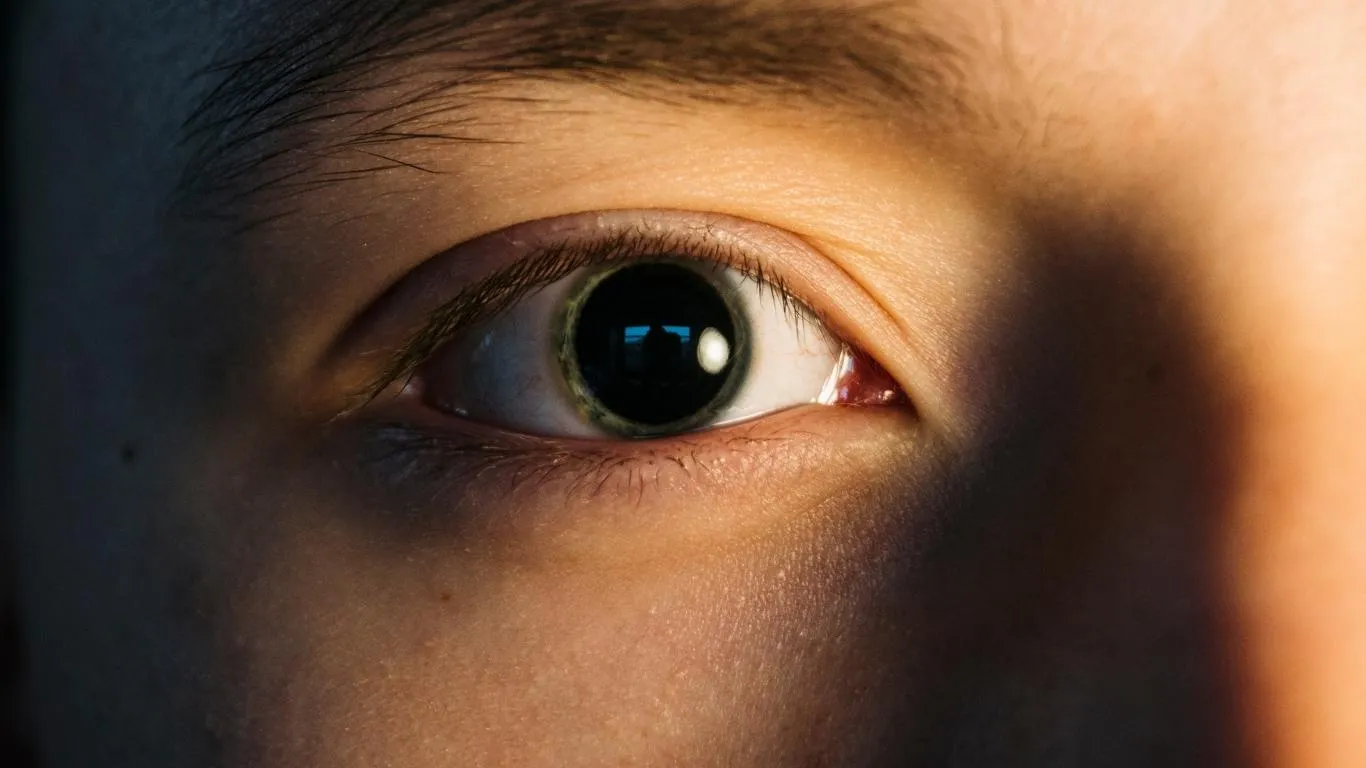
Not all sunglasses labeled “UV400” actually protect your eyes. Low-quality lenses might darken the world around you, causing your pupils to dilate, but without real UV blocking. That means more ultraviolet rays enter your eye—putting your retina and vitreous humor at risk.
- Unfiltered UV rays can speed up vitreous degeneration.
- Collagen fibers in the eye may clump together, casting shadows we perceive as floaters.
- UV exposure also accelerates oxidative stress, impacting eye tissue health.
Ever heard of blue light filter glasses causing similar issues? It’s often not about the concept—but poor execution in design.
Are Floaters a Common Side Effect of Bad Lenses?
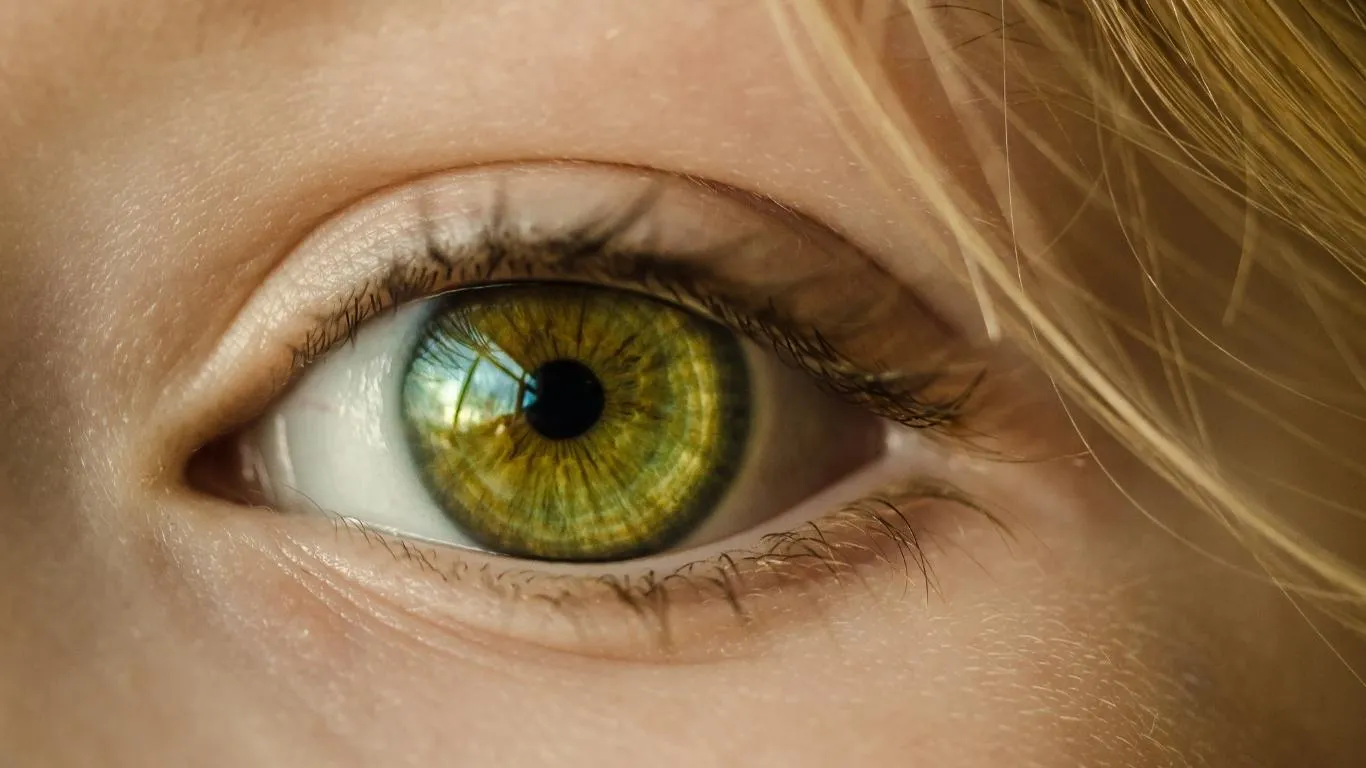
We’re not just talking UV here. Cheap sunglasses also tend to distort images slightly, making your eyes work harder to focus. That strain doesn’t just give you headaches—it can alter your internal ocular rhythm, causing tension in the vitreous gel.
And here’s the kicker: dilated pupils under cheap lenses let in more ambient light glare. That overexposure can disrupt the delicate visual system, especially in people already prone to floaters.
- Visual distortion makes your eyes constantly refocus.
- Excessive squinting causes pressure changes inside the eye.
- Internal shadows (floaters) become more visible under light strain.
My Optometrist’s Take
After experiencing persistent floaters for weeks, I finally visited my eye doctor. He wasn’t surprised. “I see this often in younger adults using off-brand glasses,” he said. “Poor lens quality can absolutely contribute to visual disturbances like floaters, especially when combined with sun exposure and dehydration.”
Which, by the way, totally explains why dehydration makes floaters worse.
Signs Your Sunglasses Are Harming Your Eyes
It’s not always obvious. I mean, the pair I wore looked stylish and felt fine. But over time, you may notice:
- Increased light sensitivity
- Headaches after sun exposure
- Visual floaters in bright environments
- Glare or double vision that fades indoors
If this sounds familiar, you’re not alone. Many people mistake these symptoms for normal aging, when in reality they could signal the need to differentiate floaters from other eye problems.
One More Thing: Floaters Might Be a Red Flag
If those floaters show up suddenly, especially with flashes of light or peripheral shadowing, it could indicate something more serious like posterior vitreous detachment (PVD) or a retinal issue. Cheap sunglasses may not directly cause these, but they can contribute to underlying factors that make these issues more likely to manifest sooner.
How to Protect Your Eyes—Even on a Budget
You don’t need to splurge on designer shades to keep your eyes safe. Here’s what I wish I knew earlier:
- Check for certified UV400 protection—don’t just take the label’s word for it. Look for reputable retailers or test them with a UV flashlight.
- Choose lenses made from polycarbonate or other optically clear materials.
- Go with polarized lenses to reduce glare, especially if you’re prone to floaters in sunlight or bright environments.
Bonus tip? Stay hydrated, avoid excessive eye rubbing, and try not to stare into screens too long without breaks. Studies suggest even lifestyle tweaks can reduce floater visibility over time (nei.nih.gov).
What to Do If You Already Have Floaters
First off, don’t panic. Most floaters are harmless, though annoying. But if they started after wearing low-quality sunglasses, schedule an eye exam just in case. You can also explore treatment options outlined in this detailed guide on eye floater treatments, ranging from simple observation to more involved procedures.
For a deeper understanding of causes behind persistent floaters, the main article on eye floater causes and symptoms is a great place to start.
Can Floaters from Cheap Sunglasses Go Away?
Here’s the honest truth: sometimes they do, sometimes they don’t. When my floaters first appeared, I assumed they were temporary. But weeks later, some were still hanging around like uninvited guests. My optometrist explained that floaters caused by vitreous changes—especially from environmental stressors like UV or poor lens optics—often fade as your brain adapts to ignoring them.
But, if they’re due to deeper degeneration or trauma, they might stick around. And trust me, you don’t want to guess your way through this. Sudden bursts of floaters can also be a sign of something more urgent.
Tracking Your Floaters Over Time
I started keeping a journal, noting when the floaters worsened—often after driving during peak sunlight with those cheap lenses or staring into my phone screen at night. That pattern made it clear: these weren’t just random dots. If you’re experiencing the same, consider using this simple self-check:
- Morning clarity? Better vision after a good night’s sleep could indicate strain-related floaters.
- Worsening after bright light exposure? That’s a red flag your lenses may be failing you.
- New shapes or sudden clusters? May require a retinal check-up.
You can also read more on how to track changes in your floaters before they become problematic.
Natural Remedies: Hope or Hype?
Look, I’m all about natural health—but only if it works. I tried lutein supplements, eye-friendly antioxidants, even eye yoga (yes, that’s a thing). Some days it helped, others not so much. But one thing I learned? Lifestyle matters.
- Diet changes (especially leafy greens and omega-3s) helped my eye clarity.
- Staying hydrated actually made a difference—less dry-eye floaters during afternoon work hours.
- Cutting screen time at night lowered the harsh contrast strain that made floaters more visible.
There’s still debate about whether vitamin C helps or harms when it comes to floaters, so approach with caution and speak with your optometrist before loading up on supplements.
When Should You Be Concerned?
This is where E-E-A-T really kicks in—because your health decisions should always be backed by real expertise. If you experience:
- Sudden onset of multiple floaters
- Light flashes or curtain-like shadows
- Blurred vision that doesn’t improve with rest
Don’t guess. Get to an ophthalmologist immediately. These symptoms may suggest retinal detachment or vitreous hemorrhage. Articles like this one explain the difference between harmless floaters and true emergencies.
Are You at Higher Risk?
Several factors can make you more sensitive to the effects of bad sunglasses:
- High myopia (which I have—thanks, genetics!)
- History of eye surgeries
- Dry eye syndrome or allergy-prone eyes
- Excessive sun exposure due to outdoor work
In fact, even people with perfect vision can develop floaters if they consistently use poor-quality eye protection.
How to Choose Floaters-Safe Sunglasses
Lesson learned? Never compromise on eye protection again. Here’s what to look for when buying sunglasses that won’t come back to haunt your vision:
- Legit UV400 label with third-party certification
- Polarized lenses to cut glare and reduce eye fatigue
- High optical clarity ratings (look for ANSI Z80.3 or CE EN 1836 standards)
- Comfortable fit with no distortion across the lens field
And if you’re already dealing with floaters, it’s worth checking out the natural ways to manage floaters that combine lifestyle, nutrition, and behavioral changes for long-term relief.
Bottom Line: Your Eyes Deserve Better
If there’s one takeaway here—it’s that your vision isn’t something to gamble on for fashion or convenience. Floaters after using cheap sunglasses aren’t just a myth or coincidence; they’re a warning sign that your eyes need better care, better lenses, and a bit more respect.
Whether you’re in your 20s buying trendy shades or in your 50s just wanting better sun protection, take it from someone who learned the hard way: that $10 pair isn’t always worth the long-term tradeoff.
For a deeper dive into causes behind floaters related to aging, trauma, and environmental factors, check out this full article on common causes of eye floaters. And if you’re new to the topic, the comprehensive overview on what eye floaters are and how to treat them is a must-read foundation.

Camellia Wulansari is a dedicated Medical Assistant at a local clinic and a passionate health writer at Healthusias.com. With years of hands-on experience in patient care and a deep interest in preventive medicine, she bridges the gap between clinical knowledge and accessible health information. Camellia specializes in writing about digestive health, chronic conditions like GERD and hypertension, respiratory issues, and autoimmune diseases, aiming to empower readers with practical, easy-to-understand insights. When she’s not assisting patients or writing, you’ll find her enjoying quiet mornings with coffee and a medical journal in hand—or jamming to her favorite metal band, Lamb of God.