How Jaw Misalignment May Worsen Eye Floaters and Visual Strain
So here’s the weird thing I never saw coming: jaw issues and eye floaters. Yep, I said it. A few months back, I started noticing more floaters than usual. At first, I brushed it off—probably just another side effect of staring at screens too much, right? But then, out of nowhere, a sharp, popping sensation in my jaw while yawning made me connect some dots. A rabbit hole of research, consultations, and a bit of trial-and-error later, and here I am, piecing together what might actually be a surprisingly overlooked connection—your jaw, specifically TMJ issues, might be messing with your eyes more than you think.
Can Jaw Misalignment Really Affect Your Vision?
If someone told me last year that a misaligned jaw could cause weird vision symptoms, I would’ve laughed. But when floaters start appearing around the same time your jaw feels like it’s clicking out of place every time you chew, it starts to make you curious. And it turns out—there might be more to this connection than most people realize.
The Anatomy Behind the Connection
Your jaw joint, known as the temporomandibular joint (TMJ), is located super close to a bunch of critical stuff—muscles, nerves, and blood vessels that also serve your eyes. When your jaw is misaligned or under strain, it can compress or irritate these surrounding structures. That irritation? It doesn’t just cause facial tension—it might impact eye pressure, nerve signals, and even the circulation that keeps your vitreous humor healthy.
Nerves, Tension, and the Trigeminal Link
The trigeminal nerve is a big player here. It’s a massive cranial nerve that affects facial sensation and motor control. It branches right near your TMJ and connects to parts of your eye. So, TMJ dysfunction might overstimulate or strain the trigeminal nerve, potentially influencing how your eyes feel and function—including visual disturbances like floaters or eye fatigue.
How Floaters Might Be More Than Just an Eye Issue
I always assumed floaters were purely an internal eye issue—something to do with aging or maybe screen strain. But when my dentist pointed out the tightness in my jaw muscles and asked if I’d been having weird vision lately, it felt like a light bulb moment. Floaters are technically shadows cast by debris in the vitreous gel of your eye, sure, but the causes might be more systemic than we think.
Circulation Disruption from Jaw Tension
One theory I found particularly compelling relates to blood flow. TMJ issues can tighten nearby muscles, like your sternocleidomastoid and temporalis, which in turn can impact blood circulation near your eyes. Less blood flow? Less oxygen and nutrients getting to the eye. And that might contribute to faster vitreous degeneration—basically, the stuff that leads to floaters in the first place.
- Restricted blood flow impacting vitreous health
- Inflammation leaking into orbital regions
- Nerve compression altering visual perception
Interestingly, one article on how uveitis affects eye floaters discussed inflammation’s role in floater formation. It made me wonder—what if chronic jaw inflammation is doing something similar, but just flying under the radar?
Signs Your Jaw Might Be Contributing to Eye Floaters
It’s not always easy to tell if your jaw is to blame. I didn’t feel like I had “TMJ,” but looking back, I had a dozen little red flags that I ignored.
- Clicking or popping when chewing
- Jaw stiffness in the morning
- Eye strain that feels worse after eating or yawning
- More floaters after high-stress days
- Random facial tension or headaches near the temples
Turns out, that’s not just stress—it could be your jaw throwing your ocular system out of balance. And it aligns with what’s covered in this article on floaters after trauma, where indirect factors can still wreak havoc on your vision.
What Helped Me Get It Under Control
Let’s be real—there’s no one-size-fits-all fix. But here’s what helped me:
- Seeing a myofunctional therapist to realign my jaw muscles
- Switching to softer foods temporarily to reduce jaw strain
- Daily jaw stretches and light TMJ massage
- Hydration—seriously, this matters way more than I thought
- Cutting back on screen time and blue light exposure
Hydration especially stood out after I read this piece on dehydration and floaters. Combine that with jaw inflammation, and it’s like a recipe for ocular drama.
It might not be something every ophthalmologist talks about, but the jaw-vision link is gaining attention. If you’re seeing more floaters than usual and also dealing with jaw tension, check out the full overview on what floaters are and how they form, as well as this deep-dive into what causes eye floaters—it’s helped me connect dots I didn’t even know existed.
For external insights, Johns Hopkins Medicine and Mayo Clinic provide helpful breakdowns of TMJ’s wider systemic impacts (check out their main pages at hopkinsmedicine.org and mayoclinic.org).
So What Can You Actually Do About It?
Alright, so we’ve made the connection between floaters and jaw misalignment. But what now? It’s not like you can snap your jaw into place and watch the floaters vanish. I tried that (well, not literally), and let’s just say it takes more intention and a bit of patience.
Start With the Jaw—Not the Eyes
This one felt backwards to me at first. I had floaters, so naturally I was googling “best vitamins for eye floaters,” “laser treatment,” and “should I panic?” What finally made a difference was zooming out. My eye doctor told me everything looked “fine” inside my eye. But when I mentioned jaw pain? She raised her eyebrows like I’d finally said the magic word.
Fixing the underlying misalignment or tension in the jaw is often the hidden piece. I ended up working with a TMJ specialist who told me it wasn’t uncommon for their patients to report visual disturbances, including floaters. One session in, and I already noticed less tension around my temples—and yeah, slightly fewer floaters too.
TMJ Treatment Approaches That Helped (Without Going Overboard)
If the thought of another expensive medical rabbit hole makes your wallet flinch, you’re not alone. But the good news is that there are practical, affordable ways to start addressing this without jumping straight to surgery or fancy splints.
- Jaw Relaxation Exercises: You’d be surprised how tight your facial muscles are. Just massaging my jawline and temples before bed made a huge difference.
- Posture Correction: TMJ and bad posture go hand in hand. Once I started adjusting my sitting position, especially when using my phone or laptop, I felt a noticeable reduction in strain.
- Myofascial Release: Working with a specialist who uses gentle pressure to relieve tension in facial muscles gave me more relief than any painkiller ever did.
- Sleep Positioning: Switching to sleeping on my back and using a supportive pillow helped relax my jaw overnight.
One piece that reinforced this direction for me was an article on floaters triggered by trauma. It reminded me that trauma doesn’t always mean “major injury.” Chronic tension, daily micro-strain—it all counts and adds up in your ocular system too.
Other Surprising Symptoms That Might Be Related
Once I paid attention, it was like this invisible network of symptoms started lighting up—stuff I’d ignored for years suddenly made more sense:
- Eye twitching that got worse after chewing gum
- Ear pressure or mild ringing, especially when clenching jaw
- Blurry vision after eating chewy foods (I swear!)
- Feeling like one eye was “off” even though my vision was perfect
Those little weird symptoms weren’t in my head (well, technically they were), and turns out, others are experiencing the same. A related article on floaters from eye trauma validated that these micro-strains can create real visual effects—without a direct eye problem.
Don’t Skip Hydration and Nutrition
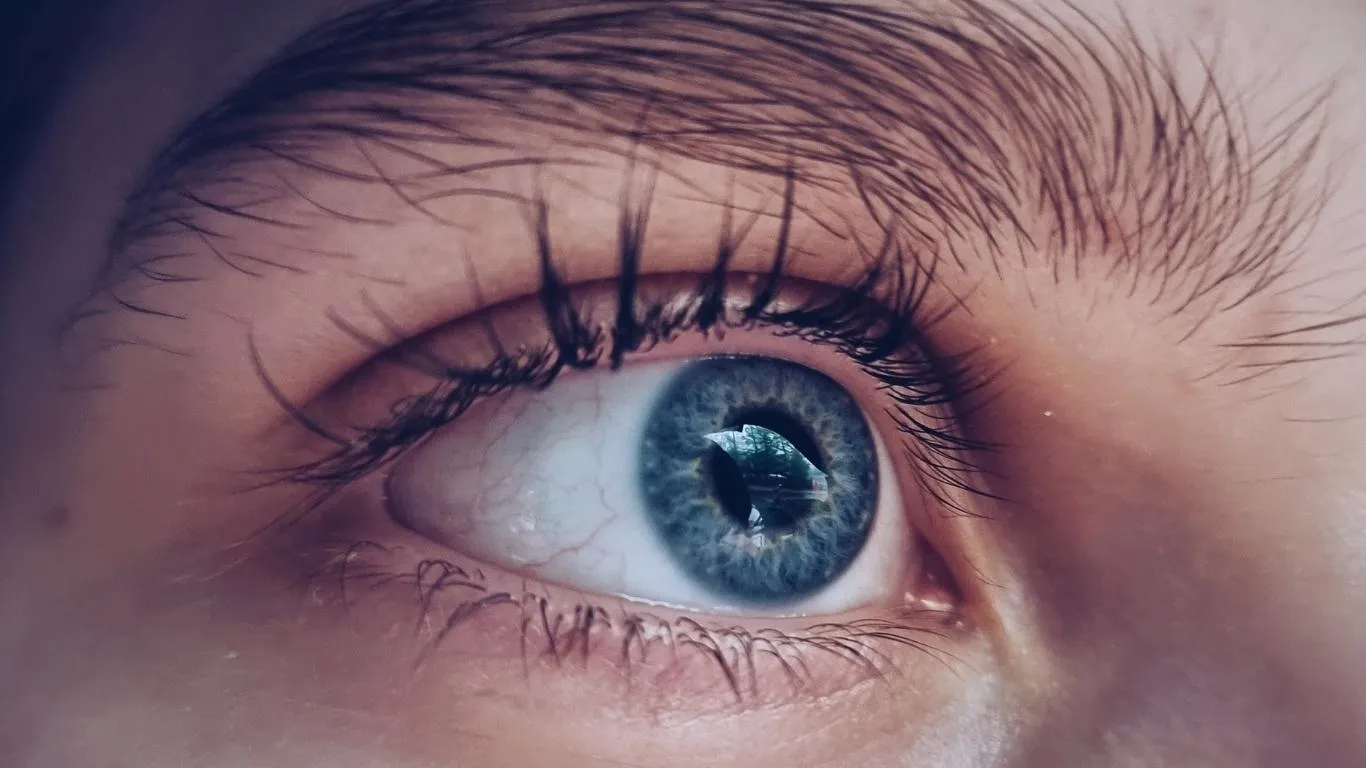
Yeah, yeah, we’ve heard it before—but hear me out. Staying hydrated was something I never took seriously until I read how dehydration can spike floater visibility. Combine jaw tension with dry eyes or poor nutrient absorption and you’ve got a real storm brewing behind your vision.
Here’s what I added into my routine:
- Magnesium – helps with muscle relaxation (jaw & eye!)
- Vitamin C – supports collagen and eye fluid health
- Omega-3s – for anti-inflammatory support
- Lutein – eyes love this stuff
I also cut way back on caffeine. Tough, but honestly worth it—my eye tension dropped noticeably. Backed up by the breakdown on caffeine and floaters, which finally made me commit.
When It’s Time to See a Specialist
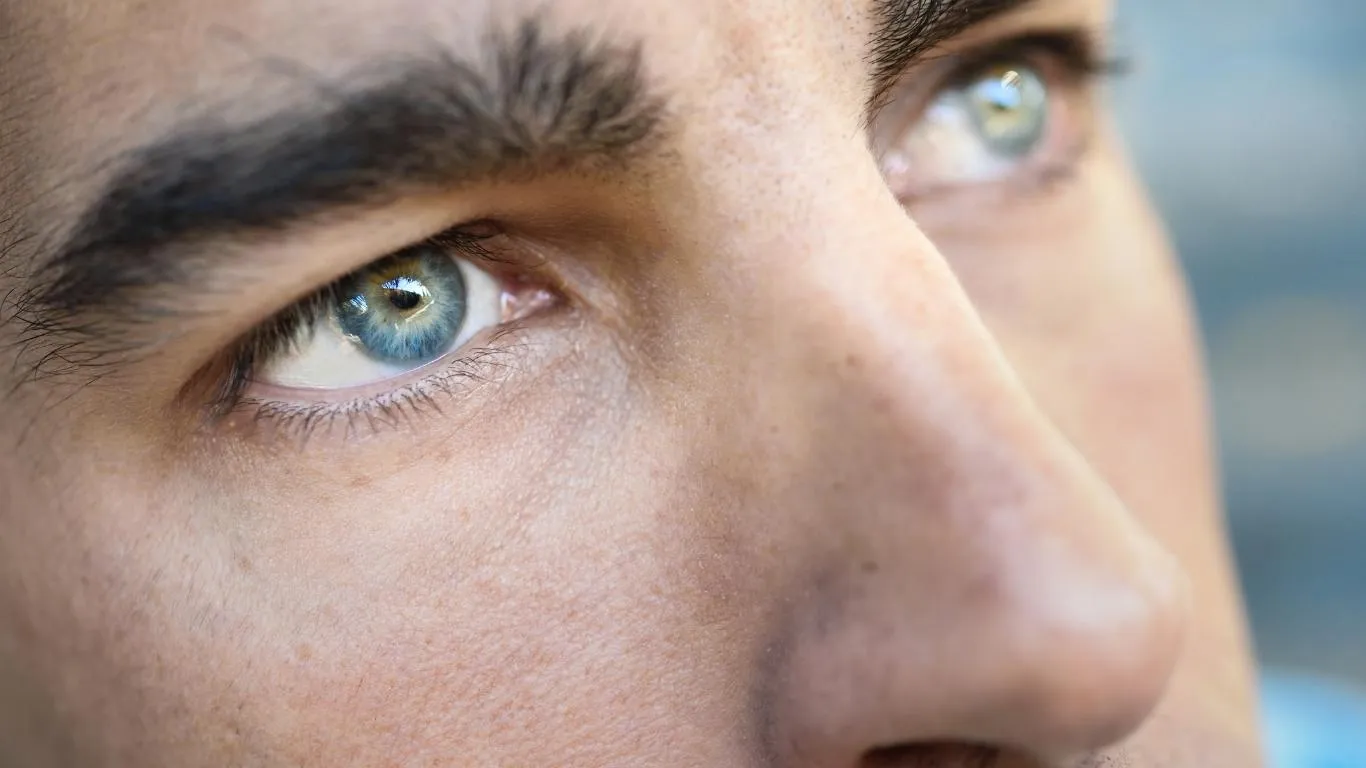
Most people go to either a dentist or an eye doctor—but if you’re dealing with both floaters and jaw tension, a multidisciplinary approach might be your best bet. I didn’t make real progress until I looped in:
- A TMJ-focused dentist or orofacial pain specialist
- An optometrist who understands neurological and structural links
- Sometimes, even a chiropractor or physiotherapist trained in TMJ dynamics
And if your floaters are suddenly increasing or paired with light flashes, definitely check out this essential guide on when floaters can be dangerous. Safety first—don’t self-diagnose everything as “just TMJ.”
I also recommend revisiting this foundational piece on what floaters are and how they form, as well as the detailed breakdown on treatment options—especially if yours persist despite jaw improvements.
For more clinical guidance, resources from aao.org and clevelandclinic.org offer medically-backed advice worth digging into, especially when things feel a bit more complex than everyday tension or stress.

Camellia Wulansari is a dedicated Medical Assistant at a local clinic and a passionate health writer at Healthusias.com. With years of hands-on experience in patient care and a deep interest in preventive medicine, she bridges the gap between clinical knowledge and accessible health information. Camellia specializes in writing about digestive health, chronic conditions like GERD and hypertension, respiratory issues, and autoimmune diseases, aiming to empower readers with practical, easy-to-understand insights. When she’s not assisting patients or writing, you’ll find her enjoying quiet mornings with coffee and a medical journal in hand—or jamming to her favorite metal band, Lamb of God.