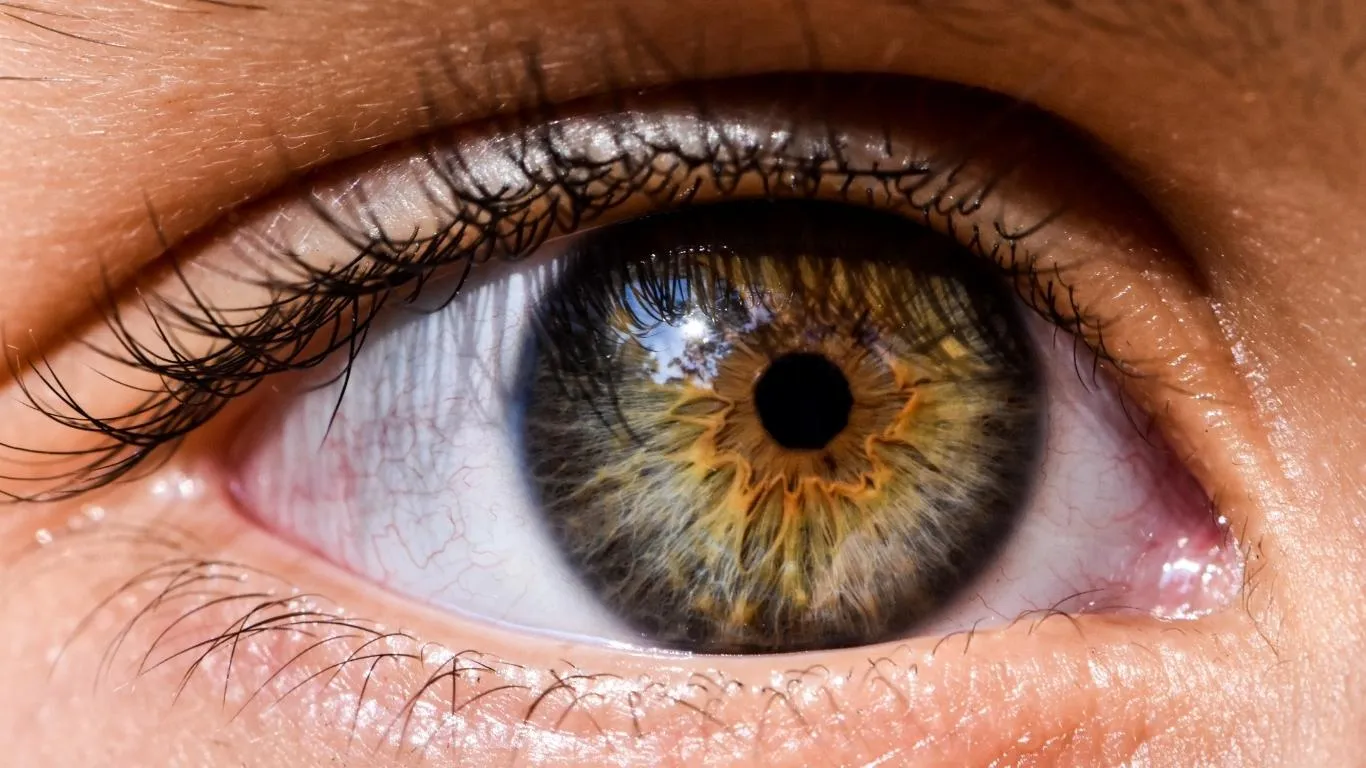
Why Floaters And Tingling Behind The Eyes Could Signal Trouble
Ever caught yourself blinking a little too often because something’s drifting across your vision? Almost like a speck of dust or a translucent cobweb that just won’t go away—especially when looking at a bright background? I remember the first time I noticed them. It was right after a week of staring at spreadsheets under harsh office lighting. Not only did I see floaters, but I also started feeling this strange, tingling pressure right behind my eyes. Sound familiar?
What Are Floaters and Why Do They Come With Tingling Behind the Eyes?

Floaters, in simple terms, are tiny clumps of collagen or cells inside the vitreous humor—the gel-like substance in your eye. When light enters your eye, it casts shadows of these clumps on your retina, creating those drifting shapes.
Now, add “tingling behind the eyes” into the mix, and it becomes a bit more complex. That tingling sensation could stem from something as simple as eye strain or as involved as a neurological trigger. When both symptoms appear together, they often point to interconnected causes that deserve attention.
What Floaters Actually Look Like
- Transparent squiggly lines
- Small dots that drift when you move your eyes
- Web-like shadows, especially in bright environments
In my case, it looked like a clear worm floating lazily across my field of vision. It became most noticeable during video calls when I stared at white digital backgrounds for too long.
Possible Causes for Both Floaters and Tingling
1. Visual Overload and Digital Eye Fatigue
Staring at screens for hours causes eye muscles to tense up. That tension might be what’s causing the tingling feeling. Combine that with poor hydration, and you’ve got the perfect storm for floaters to appear. If you’ve ever wondered whether screen time can worsen floaters—yep, it can.
2. Dehydration and Eye Discomfort
Dehydration thickens the vitreous gel, making floaters more prominent. It can also reduce blood flow and lead to nerve sensitivity, hence the tingling. According to this deep dive into dehydration and floaters, it’s more common than most people think.
3. Sinus Pressure or Inflammation
Your sinus cavities are right behind your eyes. When they’re inflamed—maybe from allergies, a cold, or weather shifts—that pressure can press on surrounding nerves and cause a tingling sensation. Combine that with fatigue and voila, welcome to floater-land. Here’s more on how sinus infections relate to floaters.
4. Neurological Triggers
Sometimes the tingling isn’t about the eyes at all. Migraines and tension headaches can produce visual disturbances, including floaters. And yes, tingling behind the eyes. If you’ve ever had a migraine aura, this guide to telling floaters from migraine aura is worth a look.
5. Hormonal or Circulatory Changes
Pregnancy, menopause, and even thyroid conditions can affect circulation and fluid balance in the eyes. Tingling and floaters could be the first indicators something’s off. One helpful resource dives deeper into thyroid-related floaters.
When Is It Time to Worry?
If you notice any of the following, it’s best to contact a specialist:
- Sudden explosion of new floaters
- Light flashes or curtain-like shadows in vision
- Persistent or worsening tingling behind one eye
- Blurred vision, eye pain, or redness
Sometimes, floaters are a warning sign. One example? Retinal tears. They can lead to retinal detachment if ignored, and that’s vision-threatening territory.
How I Managed My Floaters and That Annoying Tingling
Here’s what helped me personally—and what most ophthalmologists recommend as a first approach:
- Hydration: I started tracking water intake. Floaters became less distracting.
- Screen breaks: The 20-20-20 rule (every 20 minutes, look 20 feet away for 20 seconds) helped reduce tingling.
- Eye-friendly supplements: I added lutein and omega-3s. According to this supplement guide, they can support eye health long-term.
- Mindful posture: Slouching less and raising my screen lowered tension behind my eyes.
On the clinical side, treatments for eye floaters range from doing nothing (yes, observation is a valid approach) to laser therapy or vitrectomy in serious cases. But always consult with a pro first.
Want to dig into the core causes and types of eye floaters? Start here with the full guide on floaters, symptoms, and treatment options. For a detailed look at specific triggers like infections, trauma, or aging, don’t miss the insights in this foundational article.
What Else Might Be Causing That Tingling Behind Your Eyes?

Once you’ve ruled out dehydration and screen fatigue, it’s time to dig deeper. That tingling pressure behind your eyes isn’t always about eye strain. Sometimes, it’s your body waving a little red flag. I found this out the hard way after weeks of blaming my floaters and tingling on poor sleep—turns out it was more than just tired eyes.
1. Optic Nerve Sensitivity
Your optic nerve is like a high-speed highway between your eyes and brain. Inflammation or pressure on this nerve—called optic neuritis—can sometimes cause tingling and visual disturbances like floaters. Conditions like multiple sclerosis (MS) are often tied to optic nerve inflammation. If you’re noticing MS-related floaters or other symptoms, don’t put off getting it checked.
2. Cervical Spine and Neck Tension
This one surprised me. After some physical therapy sessions, my specialist pointed out that poor neck alignment from my desk setup was causing both nerve compression and eye-related symptoms. There’s even evidence linking neck strain to floaters in some cases.
3. Eye Allergies and Inflammation
It’s allergy season. Your eyes know it before your sinuses do. Allergic conjunctivitis can cause eye floaters to be more noticeable due to increased inflammation. And let’s not forget the weird tingling or itchy pressure that often comes along. Here’s more on how allergies contribute to eye floaters.
4. Autoimmune Conditions
Not the most obvious cause, but if your immune system is attacking your own tissues (including nerves and eye structures), floaters and tingling might be just the beginning. Conditions like lupus or rheumatoid arthritis often affect the eyes. Check out this eye-autoimmune connection for more clarity.
5. Mental Fatigue and Anxiety
Ever noticed how floaters seem to pop up more when you’re anxious? There’s a good reason for that. High cortisol levels mess with circulation and fluid retention in the body—including the eyes. The tingling? That’s often just overstimulated nerves. Been there. When I was juggling deadlines and sleeping less than five hours a night, the tingling got worse. This breakdown on anxiety-linked floaters hit home for me.
What Your Daily Habits Might Be Doing to Your Eyes
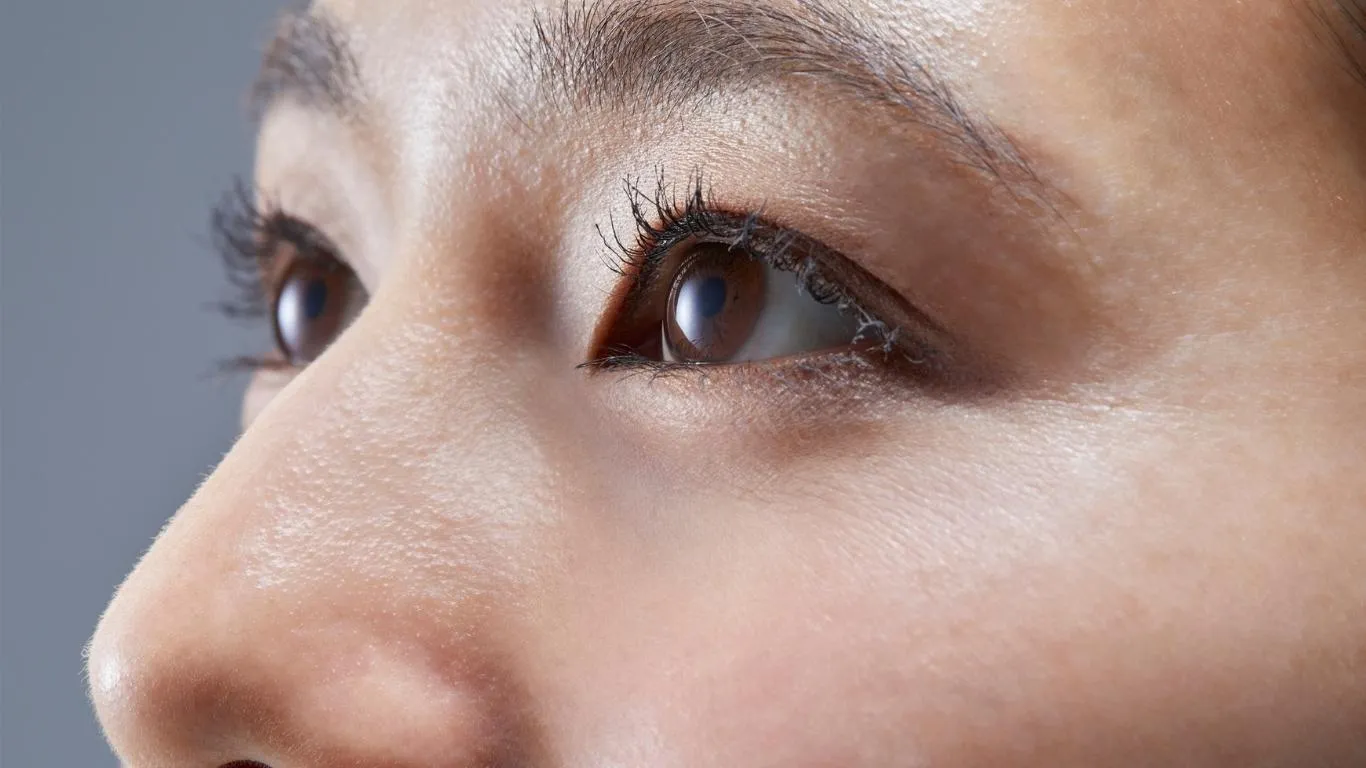
Your lifestyle choices might not cause floaters directly, but they can absolutely make them worse—especially when combined with neurological symptoms.
Posture and Desk Ergonomics
Don’t underestimate this. Your head-forward posture can compress nerves and reduce circulation to your eyes. After I fixed my screen height and switched to a proper chair, I noticed a visible drop in symptoms.
Not Drinking Enough Water
Yes, again. Water matters. More than I ever gave it credit for. A dry vitreous equals more pronounced floaters and sluggish nutrient delivery around your eyes and optic nerves. If you notice more floaters after travel or workouts, consider how dehydration plays a role.
Over-Reliance on Painkillers or Eye Drops
Believe it or not, some medications have been linked to increased floater activity or nerve-related eye effects. In fact, some antibiotics and steroid eye drops have been noted for their unexpected side effects on eye comfort and visual clarity.
Bright Light Exposure
Especially artificial or fluorescent light. It’s brutal on already strained eyes. If you’re noticing symptoms spike in harsh indoor settings, you’re not imagining things. Learn how bright light can amplify floaters.
Should You See a Specialist?
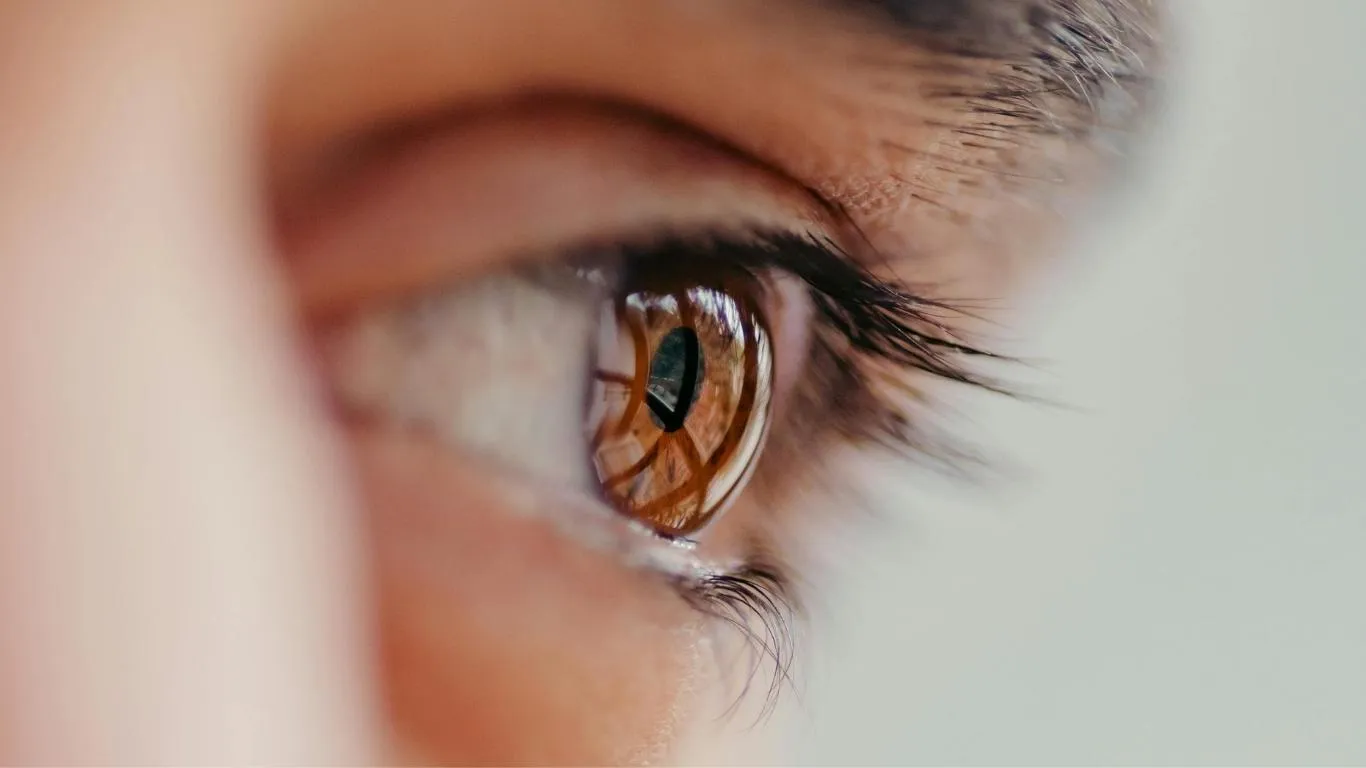
In a word—yes, especially if the tingling is persistent or paired with new floaters. You’re better off having a professional rule out something serious. Sometimes, symptoms that seem minor are signs of changes in the retina or optic nerve health. According to the American Academy of Ophthalmology (via aao.org), early diagnosis is crucial when sudden visual changes occur.
If you’re navigating recurring floaters, tingling, or both, there’s a very real chance your symptoms are pointing to underlying inflammation or structural changes within your eye. And in some cases, floaters can be an early warning sign before more serious visual disruptions kick in.
Need a clearer picture of where your floaters are coming from? Start with the main guide on eye floaters and cross-reference that with the detailed breakdown in when floaters become dangerous. If nothing else, it’ll give you peace of mind—or a reason to get checked.

Camellia Wulansari is a dedicated Medical Assistant at a local clinic and a passionate health writer at Healthusias.com. With years of hands-on experience in patient care and a deep interest in preventive medicine, she bridges the gap between clinical knowledge and accessible health information. Camellia specializes in writing about digestive health, chronic conditions like GERD and hypertension, respiratory issues, and autoimmune diseases, aiming to empower readers with practical, easy-to-understand insights. When she’s not assisting patients or writing, you’ll find her enjoying quiet mornings with coffee and a medical journal in hand—or jamming to her favorite metal band, Lamb of God.