Why Floaters Appearing After Power Naps Might Signal Eye Stress
So, picture this: I’m waking up from what was supposed to be a refreshing 20-minute power nap—feeling great… until I open my eyes and notice a few strange, squiggly shadows drifting across my vision. At first, I thought it was just a speck or dust. But then it happened again. And again. And guess what? I learned I wasn’t the only one. Eye floaters that appear right after a short nap are a thing. Weird, right? But let’s dig into what might be causing it, and whether you need to worry—or not.
What Are Eye Floaters, Really?
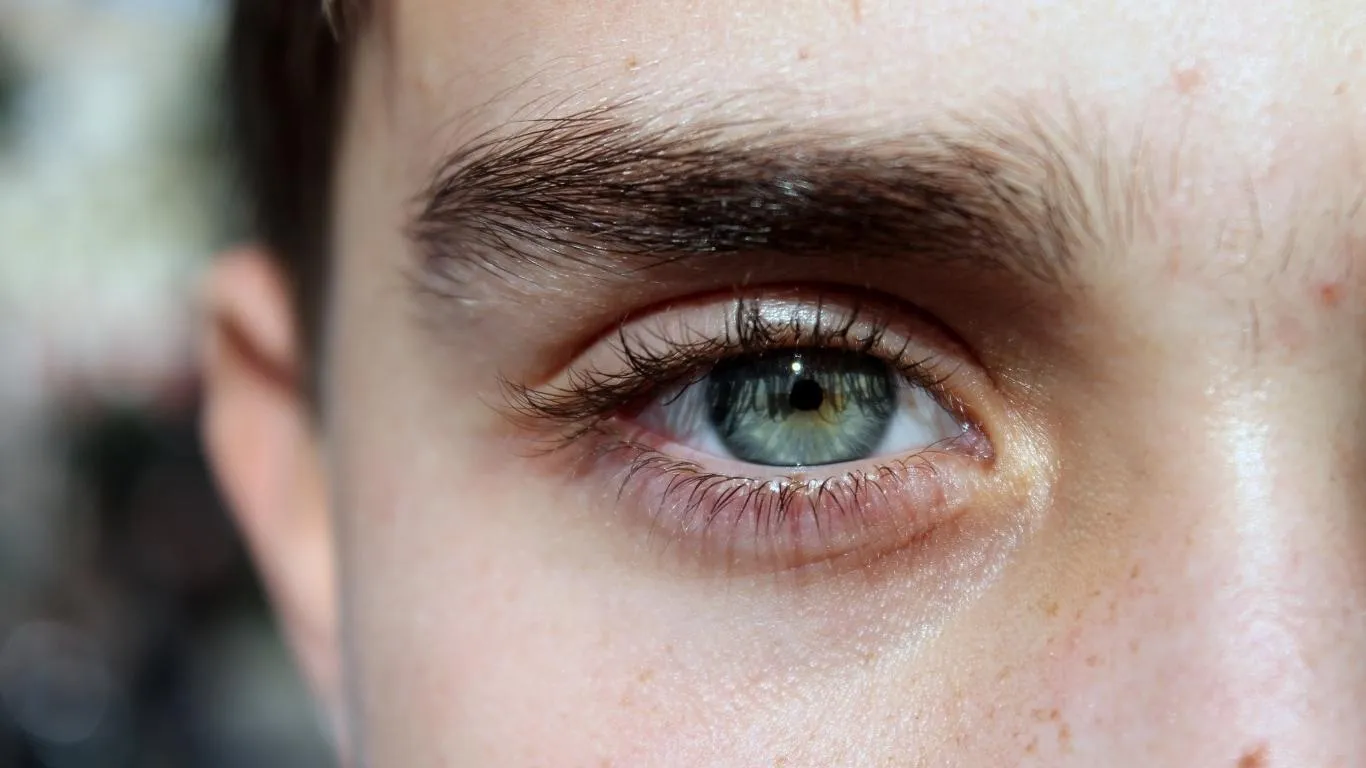
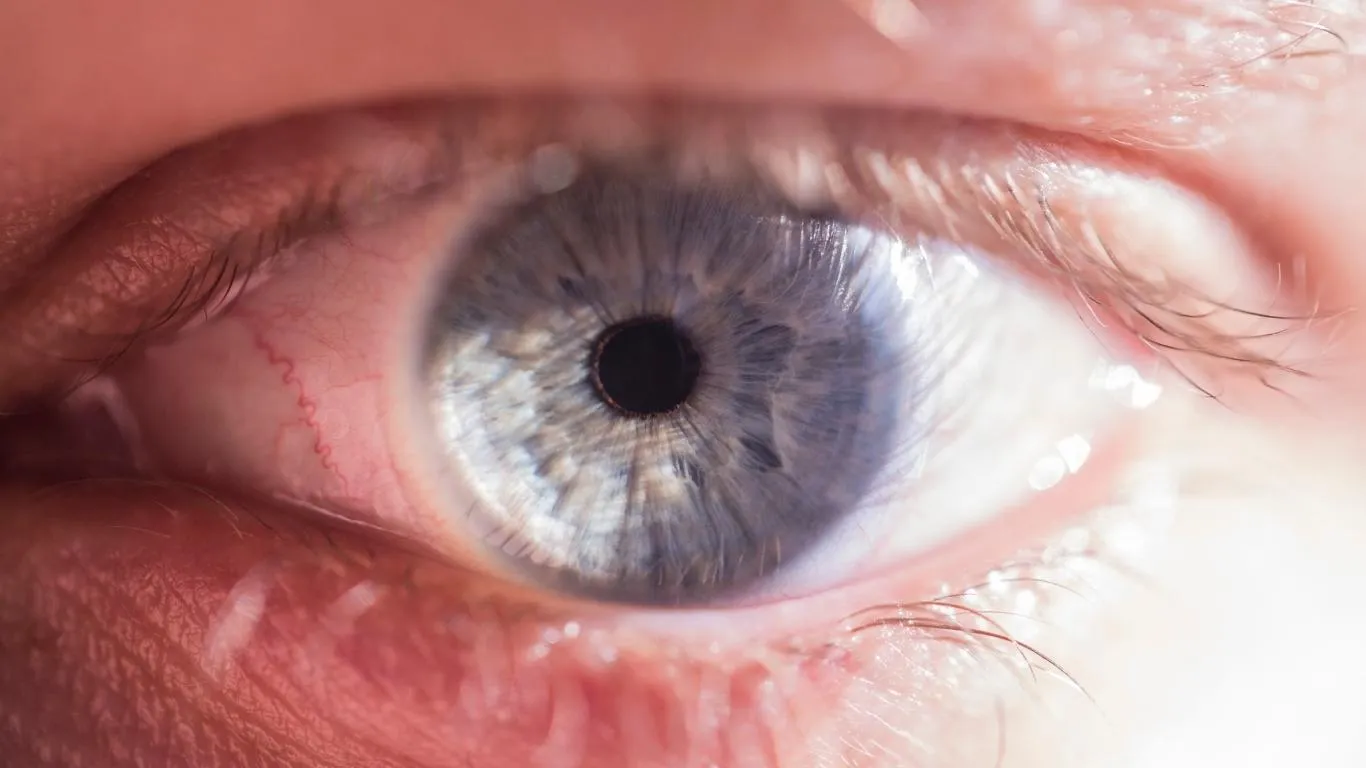
In simple terms, eye floaters are those transparent or shadowy specks, strands, or cobweb-like shapes that seem to float in your field of vision. They tend to drift when you move your eyes, and dart away when you try to look at them directly. Most of the time, they’re harmless and a totally normal part of aging—or just part of being human, frankly.
They’re usually caused by posterior vitreous detachment, where the gel-like vitreous inside your eye starts to shrink and pull away from the retina. And while this usually happens slowly over time, certain triggers can make them appear more suddenly or more noticeably—like right after waking up.
Why Do Floaters Show Up After Power Naps?
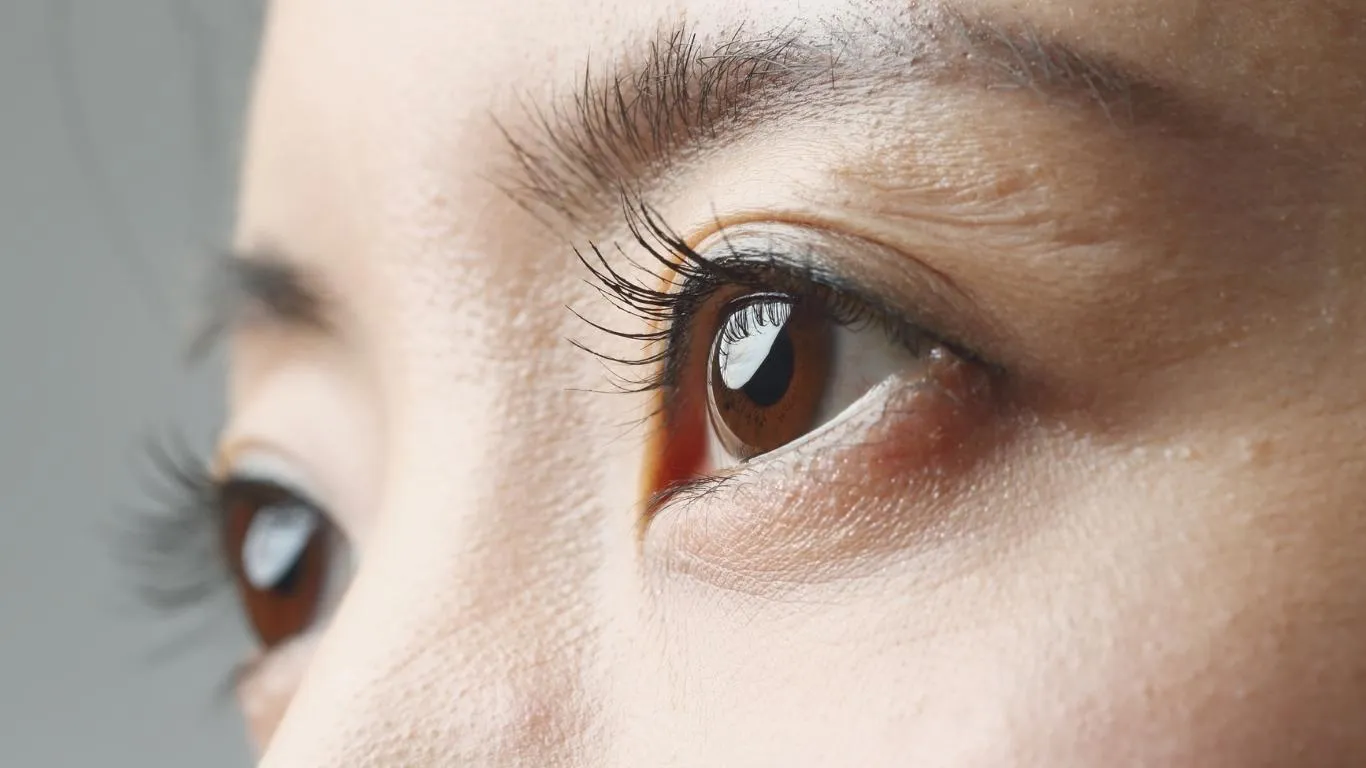
1. Vitreous Movement from Eye Positioning
When we nap—even for 10 to 30 minutes—our eyes are mostly still. If you tend to sleep on your side or stomach, gravity and pressure could shift the vitreous gel ever so slightly. Then, when you open your eyes and start moving them again, voila—floaters become visible.
2. Light Contrast Right After Waking
This one’s sneaky. You’re in a dim or dark space for a bit, then suddenly you’re looking at bright lights, maybe your phone, or just daylight pouring in. That sudden high contrast can make floaters *pop* into view, even ones that were already there but less noticeable before.
3. Circulatory Shifts During Sleep
Even short naps can impact blood flow and ocular pressure. A quick pressure change—like getting up too fast—can shift fluid in the eye. It’s similar to why some people experience floaters after staring at screens in dark rooms or when standing up quickly from lying down.
4. Dehydration or Eye Dryness
Quick naps, especially in dry environments (think AC or fan blowing), can dry out your eyes just enough to mess with your tear film. That dry sensation can accentuate existing floaters or make new ones more noticeable. And yes, a single power nap in a dry room could do it. Been there.
When Should You Actually Worry?
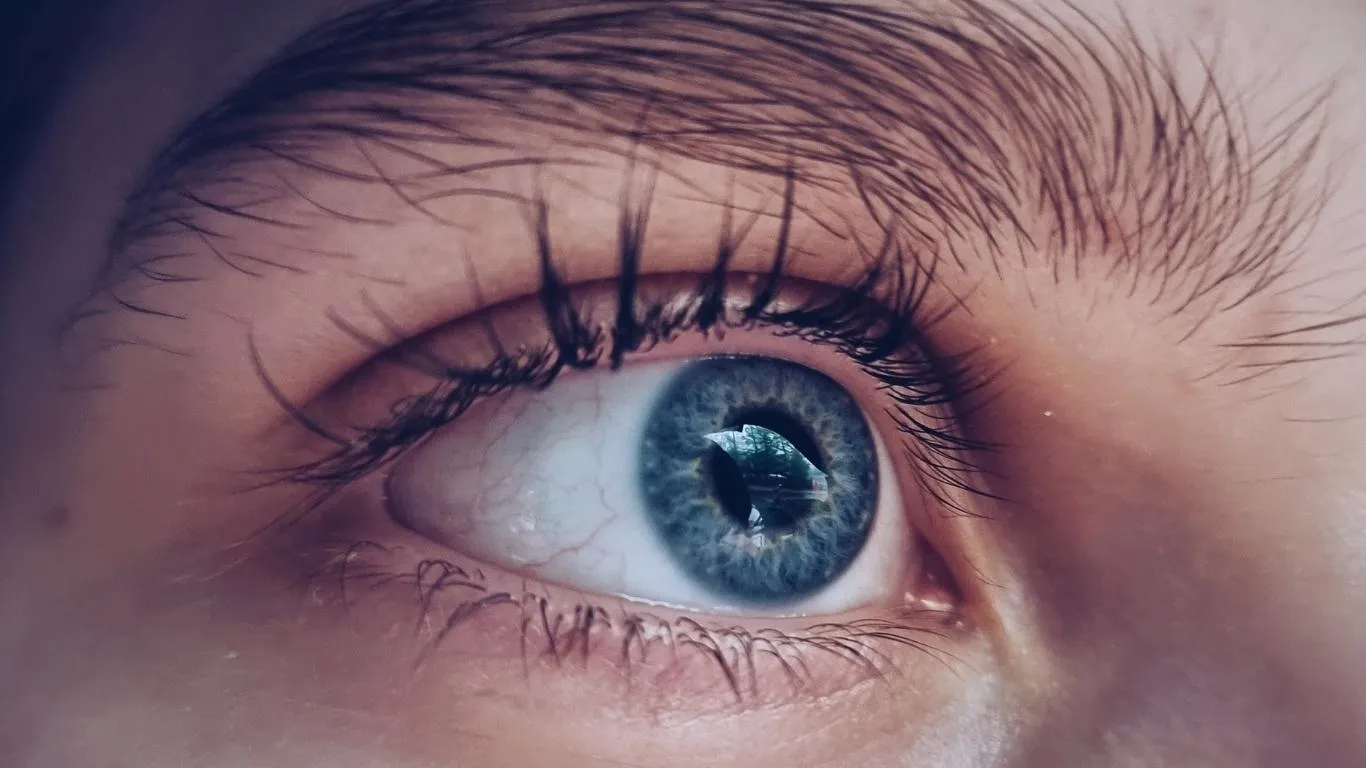
Let’s get this out of the way: most floaters, even ones that show up after naps, aren’t dangerous. But sometimes, they can signal something more serious. If your floaters come on *very suddenly*, or if you notice them along with flashes of light, dark curtains in your vision, or vision loss, it could mean a retinal tear or detachment.
For a full breakdown of when to worry, check out this in-depth piece: When Are Eye Floaters Dangerous?
Could Power Naps Be a Trigger Long-Term?
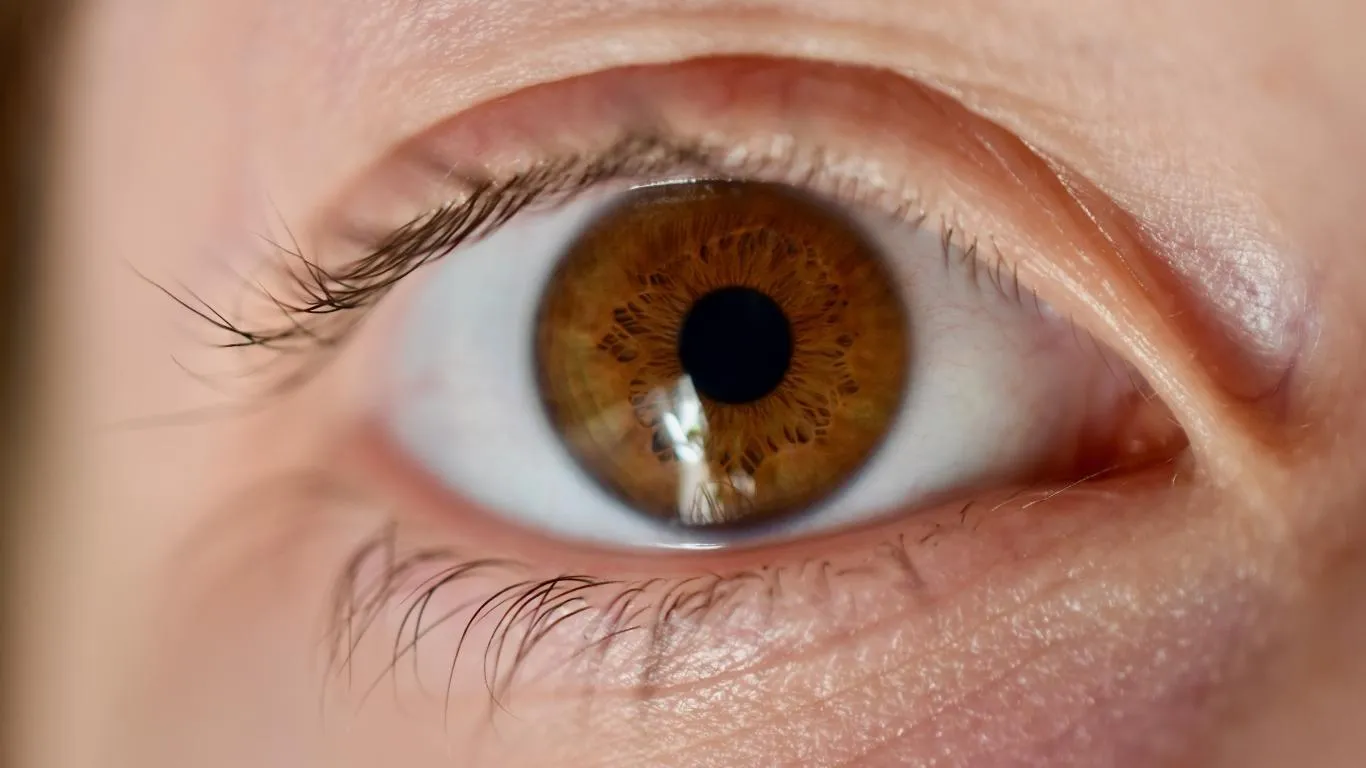
This was the question I kept asking myself. Was it the naps themselves, or something else about my routine that was bringing these floaters to the surface?
- Nap Position – Always on my right side, which probably compressed one eye more than the other.
- Lighting – I napped with blackout curtains, then jumped straight to screen time after waking.
- Hydration – Totally guilty of skipping water in the afternoon.
Turns out, these little habits can all play a role. Floaters can appear more prominently due to lifestyle tweaks—like sleep cycles, fluid intake, and posture. It’s not the nap that’s the problem—it’s the combo of other things happening around it.
What You Can Do To Reduce the Annoyance
- Hydrate, always – Your eyes need fluid just like your skin and muscles. Especially after naps or sleep.
- Stretch your eyes – Try gentle side-to-side movements before getting up. It helps shift the gel slowly.
- Avoid jumping into bright screens – Let your eyes adapt to light gradually. Open a curtain instead of grabbing your phone first.
- Track frequency – If the floaters seem worse after naps consistently, start jotting it down.
- Talk to your eye doc – Even if it seems minor, mention the floaters—especially if they show a pattern.
In some cases, persistent floaters have been linked to underlying eye conditions like past eye trauma or fluctuating vitreous clarity. If you’re over 40, there’s also a natural age-related process called vitreous syneresis that might be playing a role.
Want to Understand the Deeper Causes?
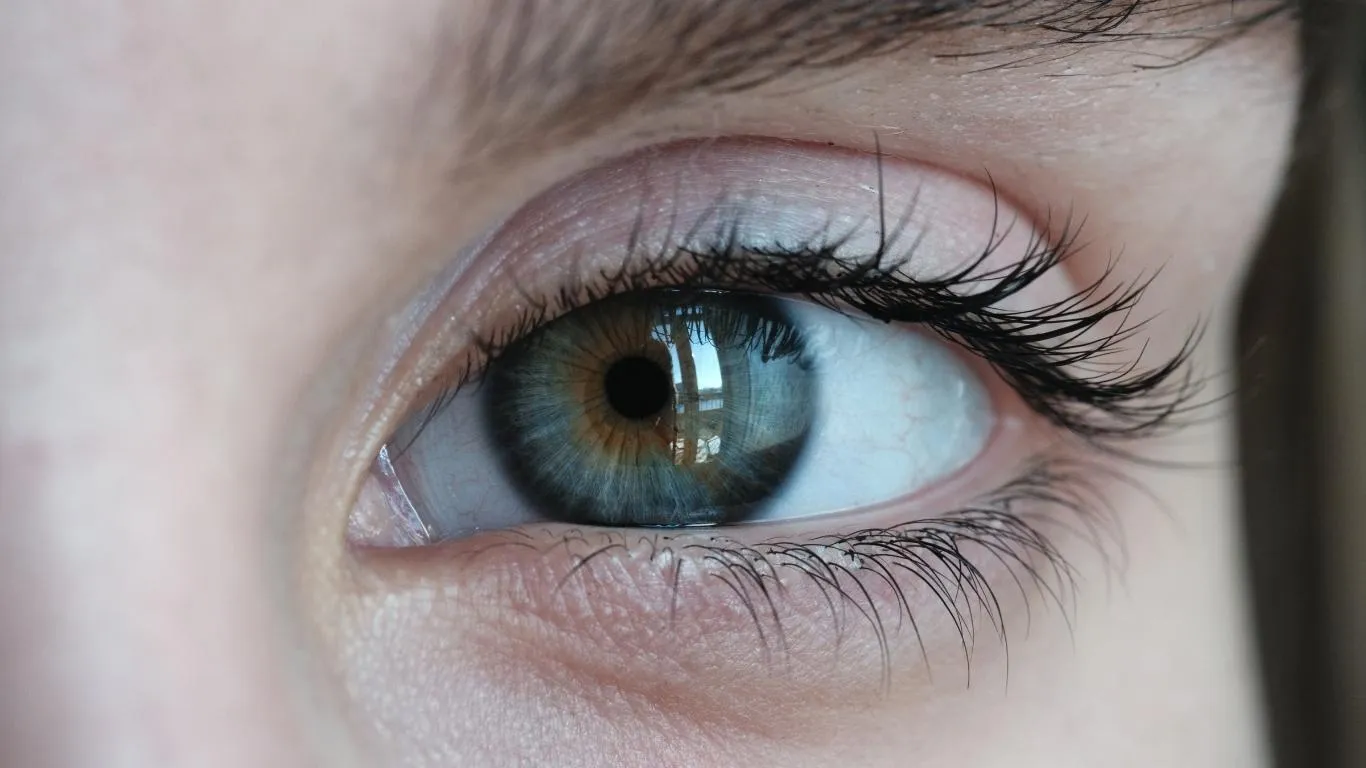
For a full breakdown of causes—ranging from aging and genetics to inflammation and injury—check out the comprehensive article here. It’s packed with expert insights, and it helped me stop second-guessing myself.
And if you’re new to this whole “floaters” thing and want the big picture—causes, symptoms, treatment options, and everything in between—this guide is gold: What Are Eye Floaters?
Also worth noting: new floaters after activities like crying, screen time, or lying flat might indicate sensitivity to sudden visual shifts—so don’t rule out multiple triggers happening at once.
Are Floaters After Power Naps More Common Than We Think?
Turns out, I’m not the only one doing a double-take after waking up. I’ve had several friends mention something similar—little floaty things drifting around their vision after their midday snooze. At first, they dismissed it. But when it kept happening, they got curious (and a little worried).
This made me dig even deeper. While floaters themselves aren’t new, the timing—right after a nap—might be a pattern more people experience but just never talk about. It’s not like we wake up and run to the optometrist every time we see a squiggle. But maybe we should be more aware.
Why Afternoon Naps Might Highlight Floaters
Interestingly, floaters after power naps might be more visible due to how the light in your environment changes throughout the day. Afternoon sunlight tends to create higher contrast shadows indoors, especially if you’re waking up in a semi-lit room and then stepping into brighter conditions.
And here’s something fascinating—some people experience floaters only in certain types of lighting. It’s not that the floaters suddenly appear, but rather that your eyes and your environment make them stand out more. This includes things like early morning light, white walls, or backlit screens. Yup, guilty again.
Could Stress Be Involved?
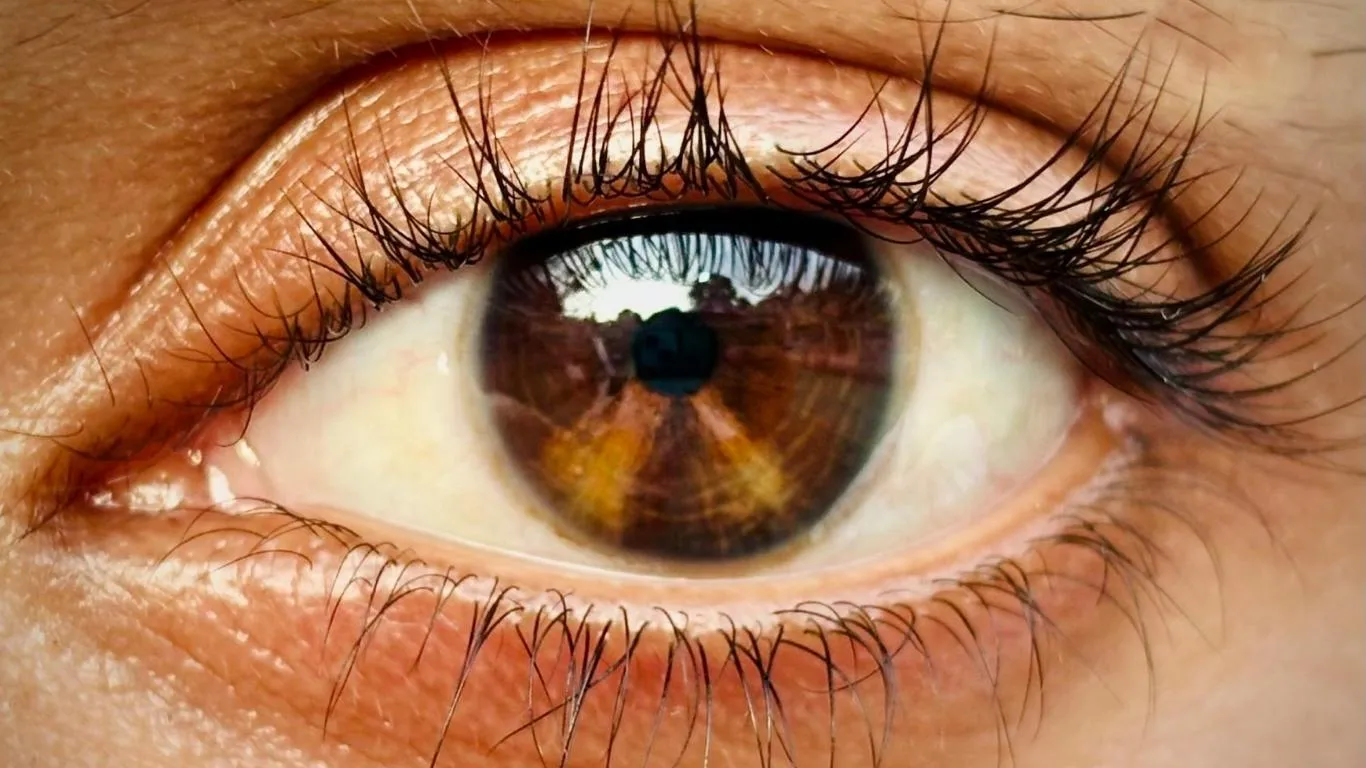
Let’s talk about stress for a sec. Because even a “relaxing nap” isn’t always that relaxing when your mind is running laps in the background. And believe it or not, chronic stress can mess with eye health too. It’s been linked to making floaters more noticeable, especially if you’re also dealing with dry eye or high blood pressure.
I noticed my floaters were far worse after naps when I was under work stress. My guess? My sleep wasn’t actually restful, and my body probably didn’t get enough quality downtime to help my eyes reset. If this rings true for you, it might be worth exploring how stress or even screen time before naps is affecting your eyes.
Are Some Eyes Just More Sensitive?
Absolutely. Some people just have more sensitive vitreous structures—especially those with high myopia or early signs of vitreous syneresis. I learned this the hard way. My eye doctor told me my floaters were probably more prominent because of my mild nearsightedness and years of staring at computer screens. Whoops.
Age, of course, plays a role. But so do things like eye rubbing, allergies, or sinus pressure. I know someone who started getting floaters after allergy flare-ups from their cat. Another friend blames their floaters on intense screen sessions. The point is: your eyes don’t need a dramatic injury to react. Sometimes, it’s the subtle stuff.
When to Call an Eye Specialist
- You suddenly see a shower of floaters after a nap, especially if they’re new and dense.
- You notice flashes of light or feel pressure behind the eyes.
- There’s a dark shadow or curtain in your peripheral vision.
- Floaters don’t fade or move as they usually do.
These symptoms might mean more than just sleep-related floaters—they could indicate a retinal tear or another condition that needs urgent attention.
Tips That Actually Helped Me
- Blue light glasses – I use these regularly now, especially if I nap near screens.
- Conscious hydration – I started keeping a water bottle next to my nap couch.
- Nap lighting tweaks – I ditched full blackout curtains for soft-filtered light to reduce harsh transitions.
- Regular eye exams – Even if you think it’s nothing, getting your retina checked yearly is a game-changer.
- Magnesium boost – I take it at night, and I swear my floaters are less noticeable now. (Also helps with sleep!)
For more natural strategies that don’t involve surgery or meds, I highly recommend reading this deep dive on natural ways to manage floaters. Some tips may surprise you (hint: diet matters more than you think).
Can Power Naps Still Be Good For You?
Yes—and honestly, I still nap most days. But now I’m more mindful. I don’t crash in weird positions or under harsh lighting. I give my eyes a moment to adjust before jumping into screens, and I’m not brushing off what they’re trying to tell me. That’s part of what I’ve learned through this floater journey—it’s less about fearing symptoms and more about understanding your visual rhythm.
So if you’re seeing floaters after your naps, don’t panic. Take a step back, track the pattern, tweak your nap habits, and get your eyes checked if things feel off. The better you get at listening to your eyes, the less they’ll try to scream for attention. And for anyone curious how floaters differ from other eye symptoms, here’s a fantastic resource: Eye Floaters vs. Other Eye Problems.

Camellia Wulansari is a dedicated Medical Assistant at a local clinic and a passionate health writer at Healthusias.com. With years of hands-on experience in patient care and a deep interest in preventive medicine, she bridges the gap between clinical knowledge and accessible health information. Camellia specializes in writing about digestive health, chronic conditions like GERD and hypertension, respiratory issues, and autoimmune diseases, aiming to empower readers with practical, easy-to-understand insights. When she’s not assisting patients or writing, you’ll find her enjoying quiet mornings with coffee and a medical journal in hand—or jamming to her favorite metal band, Lamb of God.