Floaters as a Symptom of Neurological Stress Can Disrupt Vision
It started as just a tiny squiggle drifting across my vision while I was reading an article one afternoon. Harmless, I thought—just another floater, right? But within days, it multiplied. And oddly enough, this came right when I was under serious stress juggling deadlines, a lack of sleep, and a nonstop stream of back-to-back meetings. Could there really be a link between stress and those annoying floaters dancing around my line of sight?
What Are Eye Floaters, Really?
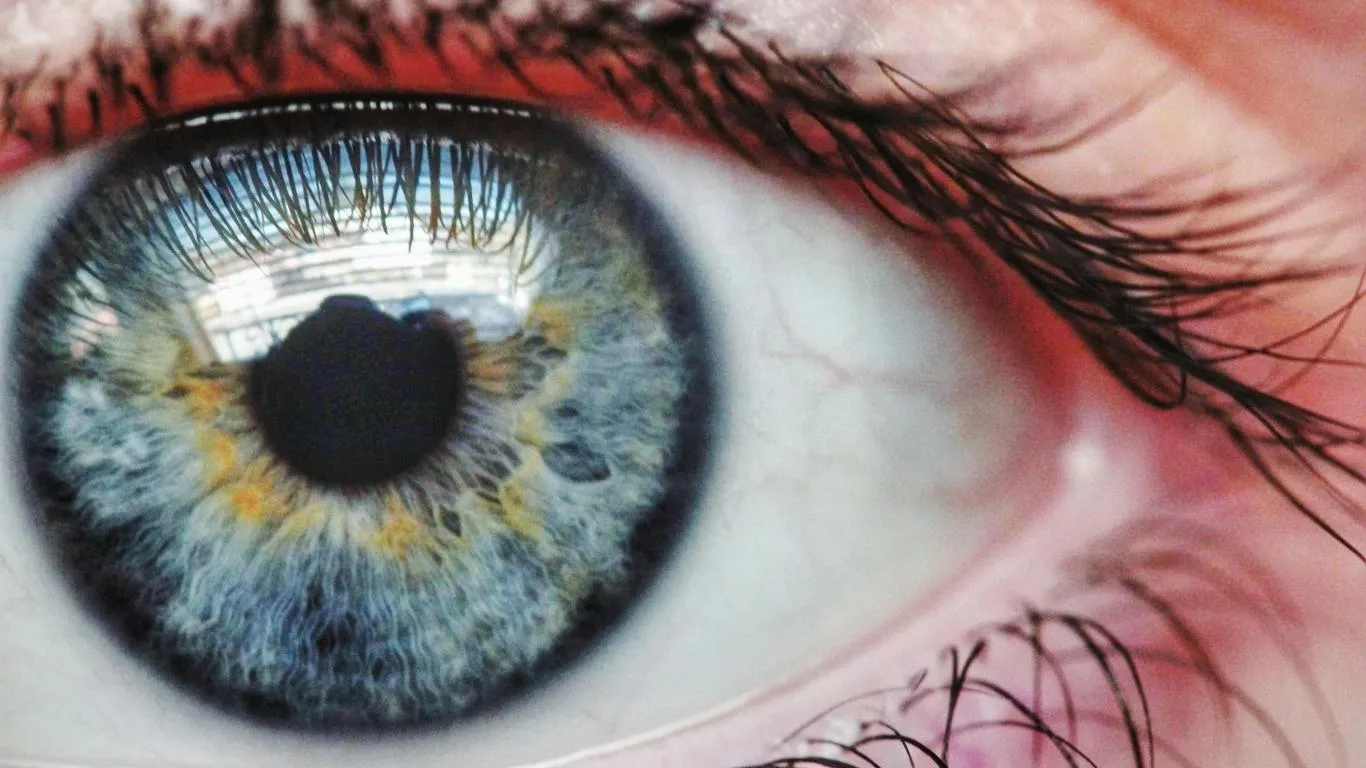
Eye floaters are small, shadowy shapes that drift across your vision. They can look like specks, threads, cobwebs, or translucent blobs that move when your eyes move. These pesky visual interruptions are typically caused by clumps of collagen fibers inside the vitreous— the gel-like substance filling your eyeball—casting shadows on the retina.
Most people get floaters as they age, especially if they’re over 40. But what if you’re young, healthy, and suddenly see floaters after a week of mental burnout and emotional stress? That’s where things get interesting. There’s mounting evidence—and real-life experience like mine—suggesting that neurological stress can play a surprising role in triggering or worsening floaters.
Is Stress Messing With Your Vision?
We all know stress takes a toll on our health—tight shoulders, tension headaches, trouble sleeping. But when it comes to your eyes, stress might do more than just make them feel tired. Under prolonged neurological stress, your body releases an excess of cortisol and other stress hormones. These affect blood flow, increase oxidative stress, and can subtly impact the nervous system that connects your brain and your eyes.
For some people (me included), this neurochemical cascade could be contributing to floaters. It’s not just speculation—research in neuro-ophthalmology is beginning to show that visual disturbances like floaters can be part of a broader stress response in the central nervous system.
Want to know more about how floaters can arise in unexpected ways? You might want to read about floaters triggered by anxiety episodes or hormonal imbalances. These examples make it clear: it’s not always your eyes—it might be your nervous system waving a red flag.
The Brain-Eye Connection
Here’s the kicker: your eyes are an extension of your brain. Literally. The retina is considered neural tissue, and the optic nerve connects directly to your brain’s visual cortex. So it’s not a stretch (pun intended) to consider that stress affecting your brain could also impact your visual experience.
Neurological stress doesn’t just live in your head. It travels through your body, influencing blood vessels, oxygen flow, and the way your sensory systems function. Under sustained stress, the delicate balance inside your eye—especially the vitreous—may become disrupted. This might explain why some people experience a sudden burst of floaters during periods of high emotional intensity.
Think about this: your nervous system goes into survival mode when you’re stressed. Blood flow is diverted from “nonessential” functions like digestion and even vision clarity, prioritizing muscles and organs critical to survival. In some people, this physiological shift may cause dehydration in the vitreous, leading to clumping and—you guessed it—floaters.
Signs You Might Be Dealing With Stress-Induced Floaters
- Floaters suddenly appear during high-stress periods
- Symptoms fade or lessen with rest or relaxation
- Floaters are accompanied by dry eyes or tension headaches
- There’s no history of eye injury or obvious cause
If this sounds like you, you’re not imagining things. You might also find this helpful: floaters after emotional breakdowns—yes, it’s a thing.
Don’t Overlook Your Lifestyle Habits
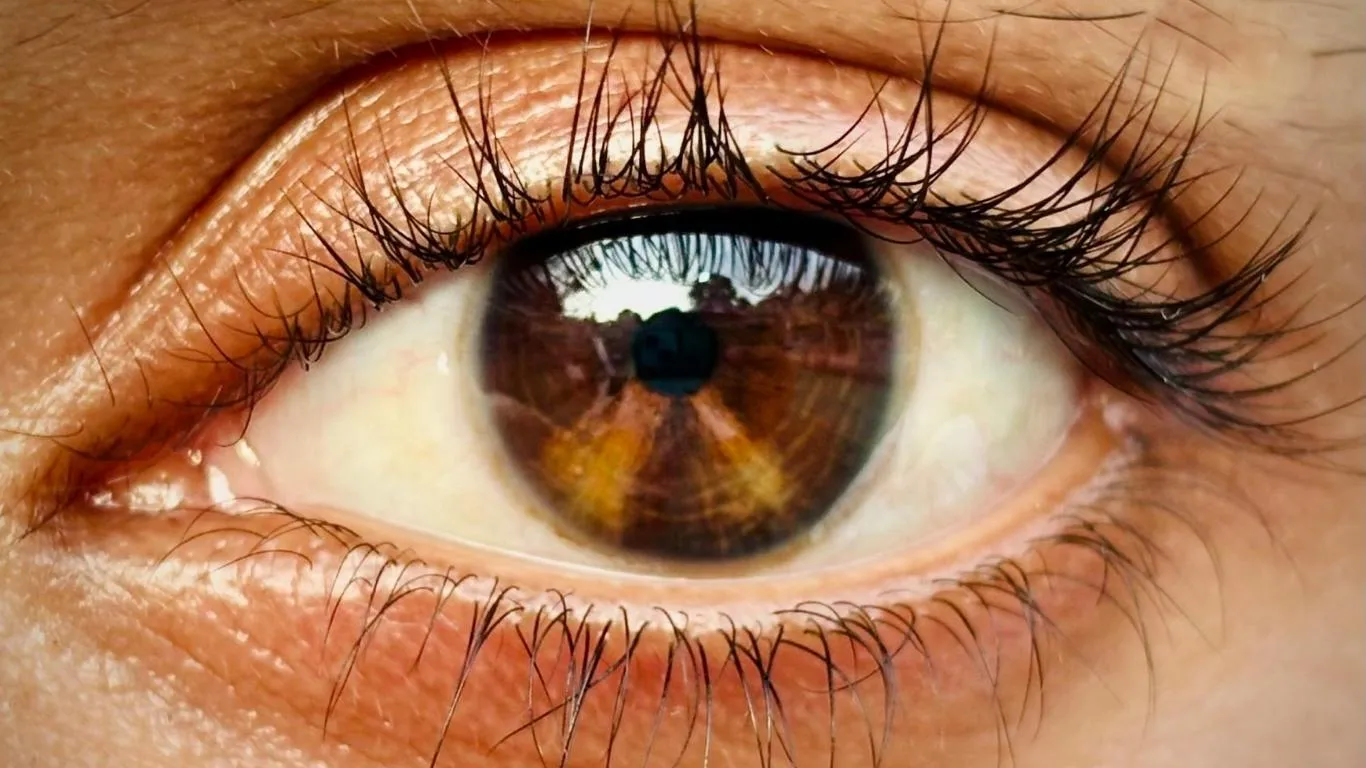
Something I learned the hard way: sleep deprivation, staring at screens for hours, and skipping meals do more than just make you cranky. These habits tax your nervous system and your eyes. In fact, one night after pulling an all-nighter, I noticed a particularly annoying floater appear. Coincidence? Maybe. But considering what we know about how stress disrupts your body’s internal balance, I don’t think so.
According to the American Academy of Ophthalmology, while most floaters are harmless, a sudden increase—especially under stress—warrants attention. There’s also growing recognition that lifestyle choices impact eye health more than we used to believe.
Simple Shifts That May Help
- Hydrate consistently—dry vitreous gel is a real issue
- Practice stress-relief techniques like yoga or meditation
- Use blue-light blocking glasses if you’re screen-heavy
- Improve your sleep hygiene (no screens an hour before bed!)
For more science-backed solutions, you might want to check out this guide on relieving stress-induced floaters.
Could There Be an Underlying Condition?
While stress may be the trigger, in some cases, floaters could be pointing toward deeper neurological concerns. Chronic stress may be associated with conditions like migraines, vestibular disorders, and even optic neuritis. If your floaters come with other symptoms—light sensitivity, vision loss, dizziness—it’s time to see a specialist.
Here’s an excellent resource on the topic: migraine aura vs floaters. It helped me differentiate between a harmless floater and something worth calling my doctor about.
Want to dig deeper into broader causes and treatments? Head over to this comprehensive breakdown of floater treatment options from our Eye Floaters Pillar series, or check out the main floaters guide for a big-picture understanding.
How Stress Alters Your Visual Processing
Here’s something wild I didn’t expect: when I started tracking my floaters, I noticed they weren’t just showing up randomly. They often flared up during moments of high cognitive load—after a difficult conversation, too many browser tabs open (literally and mentally), or just trying to power through brain fog. Turns out, this isn’t just my anecdotal quirk. There’s science to back it up.
Chronic neurological stress can cause visual information to be processed less efficiently. Your brain, overwhelmed by cortisol and neurotransmitter imbalance, may start perceiving normal floaters as more intense or frequent. Some researchers suggest this could be due to altered activity in the occipital lobe, the part of the brain that interprets vision.
If you’ve ever thought your floaters feel worse when you’re mentally exhausted, you’re probably right. Here’s more about this: why floaters seem worse when tired.
When to Actually Worry
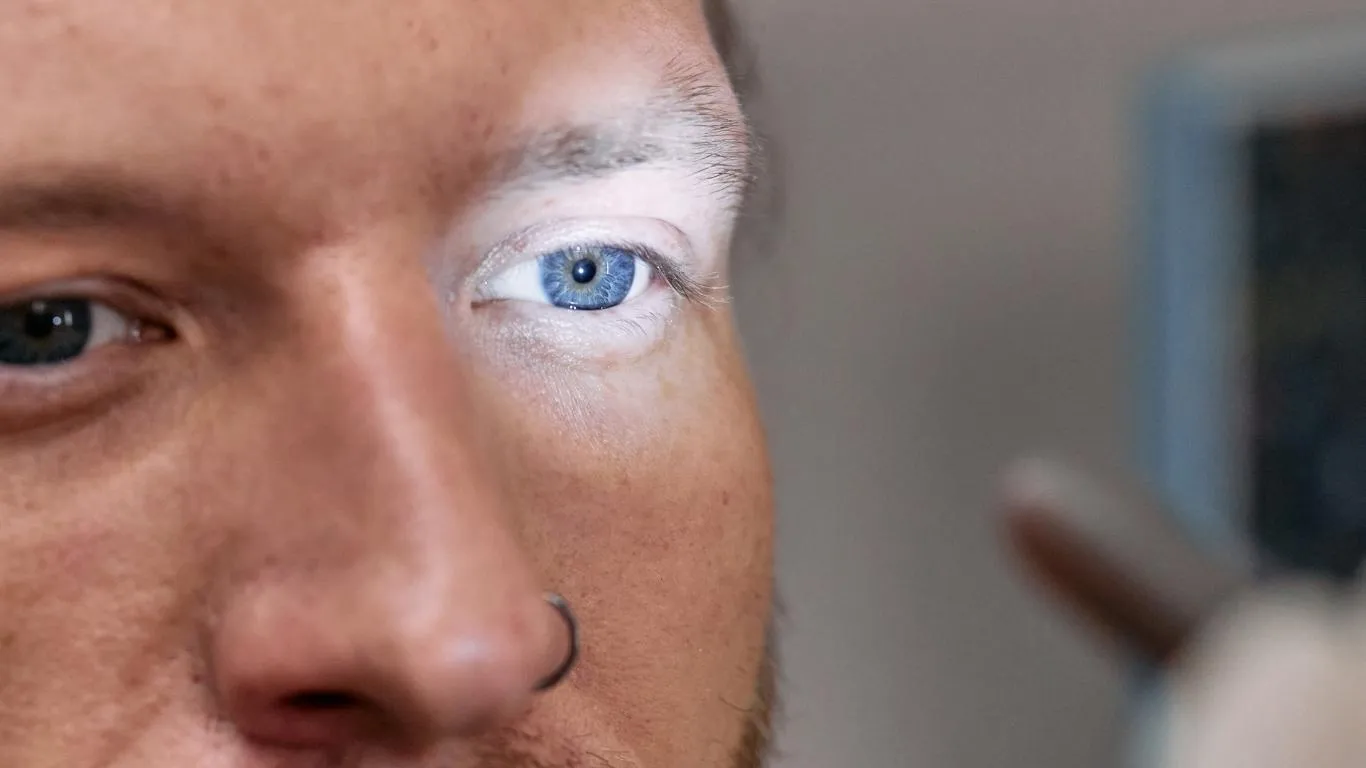
Let’s be real—most floaters are annoying, not dangerous. But there are times when those shadowy squiggles deserve a little more attention. I remember one evening when a burst of floaters appeared, followed by what looked like flashing lights in my peripheral vision. That was my cue to call an eye doctor, fast.
Here’s what should never be ignored:
- Sudden shower of new floaters
- Flashes of light (like lightning in your vision)
- Dark curtain or shadow blocking part of your sight
- Floaters paired with severe headache or confusion
These can be signs of retinal tears, optic nerve issues, or even signs of neurovascular problems. This article breaks it down well.
Also, floaters that pop up after trauma—like a concussion or car accident—shouldn’t be brushed off. There’s a strong link between trauma and vitreous instability. Read more in floaters after head trauma—super eye-opening (no pun intended).
What Can You Actually Do About It?
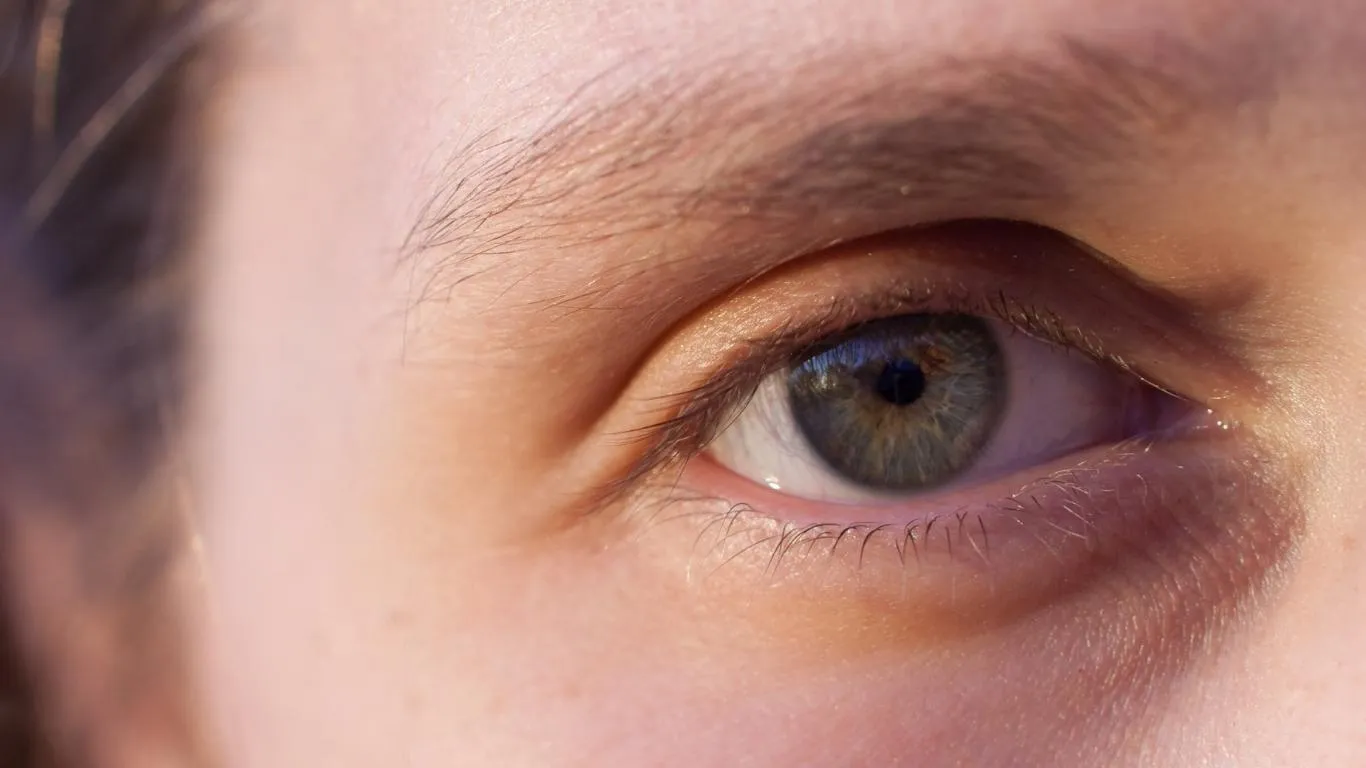
If you’re like me, you probably Googled “how to make floaters go away” about 20 times. While there’s no miracle cure, there are practical ways to manage floaters—especially if they’re linked to neurological stress.
Things that made a real difference for me:
- Daily walks without screens – just 20 minutes helps reset my eyes and brain
- Adaptogens like ashwagandha – helped level out stress hormones (but always check with your doctor)
- Ocular massage + warm compress – improves circulation around the eyes
- Screen hygiene – dimming brightness, using blue light filters, and taking 20/20/20 breaks
Some people also report improvements with dietary changes, like increasing antioxidant-rich foods or collagen-supportive nutrients. For example, omega-3s and vitamin C have known benefits for eye tissue. Check out this nutrition guide for floaters if you’re ready to support your vision from the inside out.
And don’t underestimate sleep. Chronic sleep deprivation is one of the fastest ways to overload your nervous system and amplify visual sensitivity. Poor sleep = worse floaters. I learned this the hard way.
Expert Opinions Back This Up
Leading ophthalmologists and neuro-visual specialists are beginning to connect the dots between emotional wellbeing and eye health. While floaters have traditionally been labeled a purely ocular issue, the rise in stress-related cases—especially in people under 40—has forced a closer look at the brain-eye connection.
Studies published in journals like ncbi.nlm.nih.gov and discussed at neuro-ophthalmology conferences show correlations between autonomic nervous system dysfunction and increased floater perception. This doesn’t mean stress causes floaters in everyone—but it might be the amplifier that makes them unbearable for some.
I also came across research shared by the Mayo Clinic suggesting that visual perception is more susceptible to neurological interference than we thought. Makes sense, right? Your nervous system runs the show.
Putting It All Together
If you’ve been seeing floaters more frequently during periods of stress, you’re not alone—and no, it’s not all in your head. (Well, it sort of is, but not in a bad way.) Your visual system is deeply intertwined with your neurological and emotional state. Paying attention to those little black dots might be a clue your nervous system is overworked.
I’ve had days where my floaters were barely noticeable and others when they felt like clouds I couldn’t escape. But the difference always came down to how I was feeling, how I was sleeping, and how much I was trying to do without a break.
Want a deeper look into eye health patterns and root causes? I recommend diving into treatment options that go beyond the surface, and if you haven’t yet, start with the complete guide to eye floaters to get a solid understanding of where these things come from—and what you can realistically do about them.

Camellia Wulansari is a dedicated Medical Assistant at a local clinic and a passionate health writer at Healthusias.com. With years of hands-on experience in patient care and a deep interest in preventive medicine, she bridges the gap between clinical knowledge and accessible health information. Camellia specializes in writing about digestive health, chronic conditions like GERD and hypertension, respiratory issues, and autoimmune diseases, aiming to empower readers with practical, easy-to-understand insights. When she’s not assisting patients or writing, you’ll find her enjoying quiet mornings with coffee and a medical journal in hand—or jamming to her favorite metal band, Lamb of God.