Why Floaters Disrupt Focus During Group Meditation Settings
So there I was, sitting cross-legged in a circle with about a dozen others, eyes closed, the hum of collective breathing filling the room. Just as I began to sink into that sweet spot of stillness during our weekly group meditation, bam — floaters. You know, those sneaky little squiggly lines and transparent blobs that drift through your vision like ghost jellyfish? Yeah, those. At first, I thought it was just my mind playing tricks on me — but nope, they kept showing up, especially during long sessions. Turns out, I’m not alone.
Why Floaters Show Up in Group Meditation Settings
Floaters during meditation are surprisingly common, especially in dimly lit group environments. It’s not just the silence or the eye-closing — it’s the perfect cocktail of visual stillness, heightened awareness, and, weirdly enough, relaxation-induced attention to your inner visual field. That’s when these floaters really make themselves known.
Stillness Makes Them Obvious
When we’re sitting quietly, particularly with eyes half-open or closed, the brain starts to tune out external stimuli. Our internal sensors go into overdrive — that includes the retina and visual cortex. Any floating speck or fibrous thread in your vitreous suddenly takes center stage. It’s not that they weren’t there before; it’s that you finally notice them.
Group Settings = Longer Stillness + Dim Lighting
Group meditations often happen in rooms with soft lighting or candlelight. That low contrast environment? It’s basically floaters’ playground. According to this piece on floaters during candle meditation, reduced contrast and lack of eye movement amplify floater visibility.
Are These Floaters Dangerous?
Not necessarily. Most floaters are harmless — part of the natural aging of the vitreous, that gel-like substance inside your eye. But when they’re accompanied by flashes, eye pain, or rapid increase in number, they could be signaling something serious like retinal tears. If you’ve never had them before and suddenly see them while meditating, don’t panic — but do pay attention.
That said, the frequency of floaters appearing after intense activity or stillness has been observed across a wide range of meditative and physical practices. Meditation doesn’t cause floaters, but it sure does make them more obvious.
My Personal Floaters “Checklist”
- Are they new?
- Do they come with light flashes?
- Any eye pain?
- Any vision loss or dark curtain?
If you check “yes” to any of those, don’t mess around — get them checked. Otherwise, they’re probably just your retina’s way of telling you, “Hey, things are aging in here.”
What Actually Causes These Floaters?
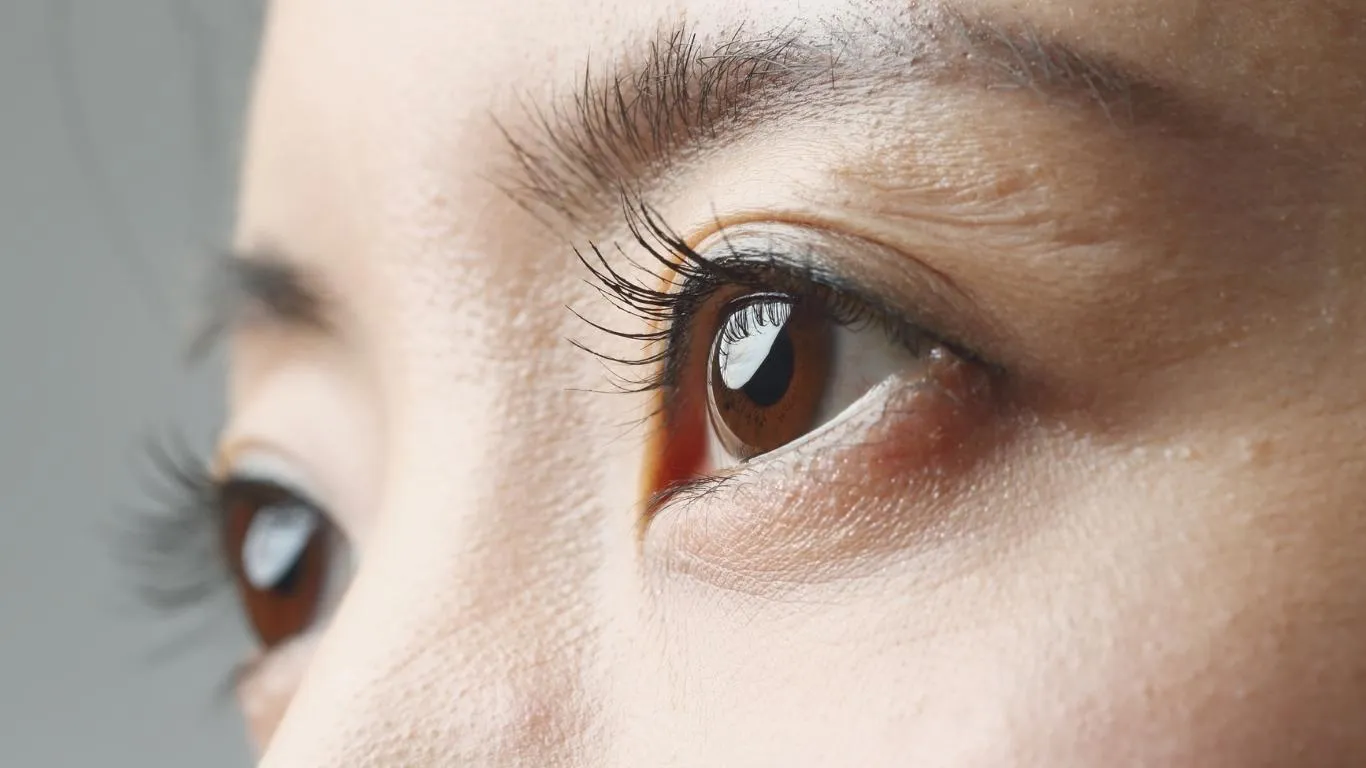
According to the Healthusias breakdown of common floater causes, the main culprits are:
- Age-related vitreous changes (vitreous syneresis)
- Eye trauma or inflammation
- Post-surgical changes
- High myopia
- Eye strain from excessive focus or light contrast
In group meditation, we’re often in dim rooms, possibly staring at a fixed point like a candle or simply maintaining a forward gaze with closed eyes. That lack of eye motion means debris in your vitreous settles and floats slowly — right into your field of view. Add some anxiety (yup, even in meditation!), and it gets worse.
How to Deal With Them Without Ruining Your Meditation
Try Open-Eye Meditation
This helped me big time. Keeping your eyes slightly open during meditation may reduce floater intrusion. Your brain still chills out, but your visual cortex stays anchored to the room’s edges rather than focusing inward where floaters dominate.
Micro Eye Movements
I learned this from a yoga therapist — gently shifting your gaze left and right (with eyes closed) can cause floaters to move out of your center of vision. It’s subtle, but it works, especially if you’re struggling to stay focused.
Use Brighter Lighting
While it may mess with the vibe a bit, upping the ambient light just a little can help reduce floater visibility. It increases contrast between the floaters and background, making them less annoying. Or choose morning meditation outdoors.
Know When to See a Specialist
There’s a big difference between annoying floaters and floaters that signal danger. If you’re in doubt, get them checked. The info at this guide on dangerous floaters is worth bookmarking.
What Helped Me Long-Term
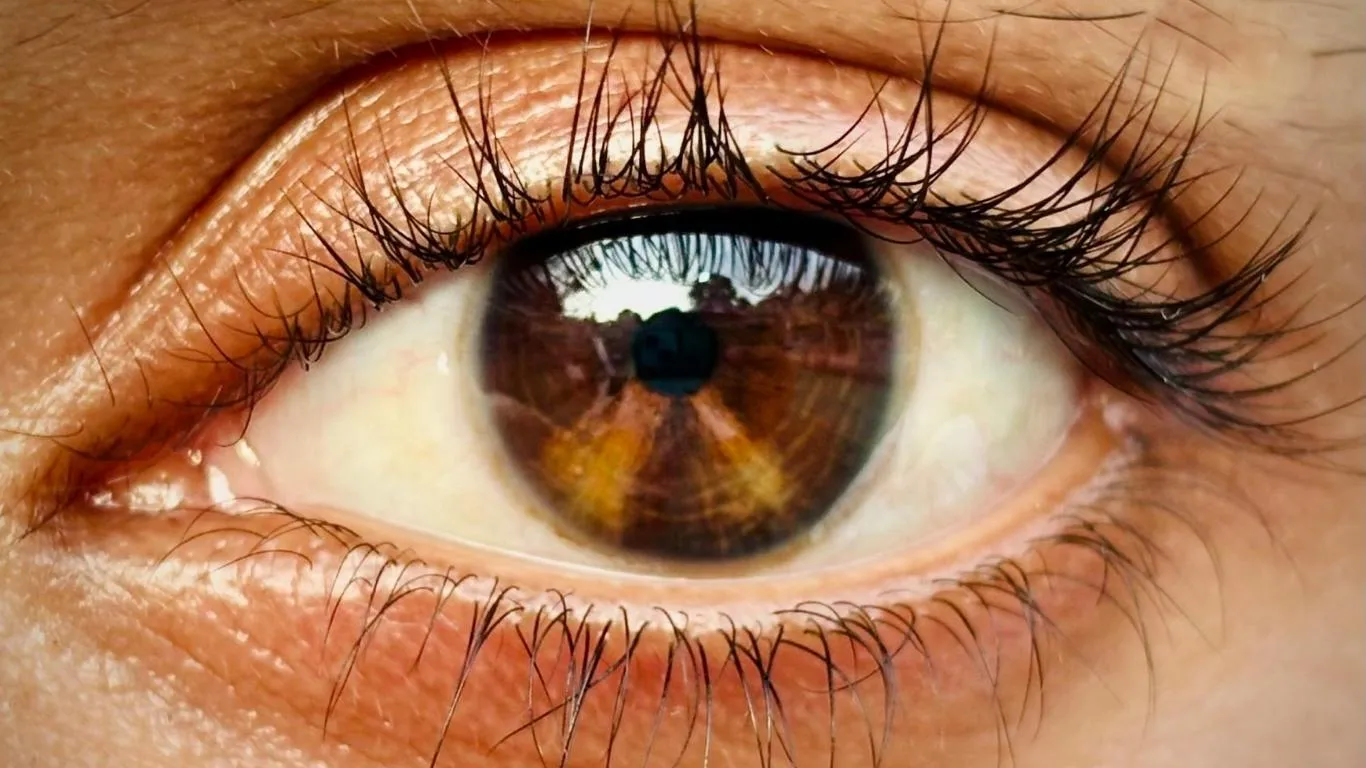
I started integrating a few supplements like lutein and vitamin C after reading a study on their impact on vitreous clarity (PubMed has some great peer-reviewed sources). I also tried some natural floater remedies outlined in the natural floater remedies pillar, and honestly, a few of them worked better than expected.
If you want to dig deeper into symptoms and causes — not just floaters but how they differ from other visual disturbances — check out this main pillar resource. It’s solid, backed with medical insight, and easy to understand even if you’re not an eye geek.
And yeah — the floaters haven’t magically disappeared. But I’ve learned to understand and manage them, especially when they try to crash my zen in group meditation.
By now, you’re probably wondering: “Alright, so floaters are annoying during group meditation — but what can I actually do about them?” Good question. I’ve spent months meditating with these little visual gremlins floating around, and while I can’t promise they’ll vanish (spoiler: they probably won’t), I’ve definitely learned some tricks to make them less intrusive.
Daily Habits That Actually Made a Difference
I used to think floaters were just something I had to accept. Turns out, there’s a whole lot you can do to support your eye health — and it doesn’t require fancy treatments or laser surgery. Here’s what I changed:
Hydration (Seriously, It Helped)
This is so basic it’s almost embarrassing, but dehydration was definitely making my floaters worse. Meditation sessions after I hadn’t had enough water? Way more floaters. Since I started consistently hydrating (especially before evening sits), they’ve been noticeably reduced in both frequency and intensity. Check out this in-depth breakdown on dehydration and floaters if you’re skeptical.
Less Screen Time Before Meditation
Our group usually meets in the evening, and I realized I was walking into the circle straight from back-to-back Zoom meetings and Instagram scrolling. My eyes were already fatigued. Now, I go screen-free for at least 30–45 minutes before. It’s helped a lot. According to research on screen time and floaters, excessive digital use can make them more noticeable — especially in low-light settings like meditation rooms.
Eye Exercises — Simple but Effective
- Rolling your eyes in slow circles (5 each direction)
- Focusing near and then far
- Palming the eyes to relax them before meditation
It’s not rocket science, but over time it really makes a difference. Here’s a helpful guide with other options: eye exercises for floaters.
Supplements & Nutrition for Supporting Vitreous Health
I’ll admit I was skeptical of supplements at first. But after some research (and trial and error), I landed on a few that seem to help — or at least didn’t hurt. These were the ones I kept in my routine:
- Lutein + Zeaxanthin: Known for protecting the retina and filtering blue light.
- Vitamin C: Supports collagen synthesis and may reduce vitreous degeneration.
- Omega-3 fatty acids: Helps with overall eye lubrication and inflammation reduction.
There’s no miracle cure here, but I found a solid list in this resource on supplements for floaters. Talk to an eye specialist before starting anything new, though — especially if you’re already on meds or have existing conditions.
Natural Light Vs. Artificial Light
This was huge for me. Our meditation space used to have dim yellow lighting — basically a floaters disco. One day, we tried early morning sessions with soft natural sunlight coming through the window, and the difference was massive. Artificial light tends to highlight floaters, especially in settings where you’re not blinking much.
If you’re leading a meditation group or have any control over the environment, try switching things up — even soft daylight can make floaters less noticeable. For more context, here’s a helpful read on artificial lighting and floaters.
When You Might Need Medical Help
Look, I’m all for natural management, but sometimes you just need a professional. I saw an optometrist when I noticed a sudden cluster of new floaters and was worried it was more than just an annoyance. Turned out it was normal — but they also showed me a few things to look out for:
- Sudden flashes of light
- A gray “curtain” over part of your vision
- Floaters that look like ash falling from the sky
That last one? Could signal a retinal tear. You can read more in this medically-reviewed post about dangerous signs of floaters. If you even suspect something’s wrong — especially if floaters appear during rest or emotional shifts — don’t hesitate. Get your eyes checked. Your meditation practice can wait.
Managing Floaters Without Losing the Zen
Look, I won’t lie — floaters can mess with your inner peace. But what I’ve found is that they lose their power when you stop fighting them. The more I tried to “unsee” them, the more they danced right in front of me. Now, I notice them, acknowledge them, and then let them drift out of focus — literally and mentally.
Understanding what floaters are, what causes them, and how your unique environment makes them better or worse is honestly empowering. I recommend diving deeper into this comprehensive guide on eye floaters for a full picture.
And if you’re like me — someone who just wants to enjoy the silence, the breath, the shared stillness of group meditation without floating distractions — know this: you’re not alone, and you’re not stuck with it forever. Even tiny changes can bring massive shifts in how you experience both your vision and your practice.

Camellia Wulansari is a dedicated Medical Assistant at a local clinic and a passionate health writer at Healthusias.com. With years of hands-on experience in patient care and a deep interest in preventive medicine, she bridges the gap between clinical knowledge and accessible health information. Camellia specializes in writing about digestive health, chronic conditions like GERD and hypertension, respiratory issues, and autoimmune diseases, aiming to empower readers with practical, easy-to-understand insights. When she’s not assisting patients or writing, you’ll find her enjoying quiet mornings with coffee and a medical journal in hand—or jamming to her favorite metal band, Lamb of God.