Why Floaters During Intense Focus Moments Disrupt Clear Vision
I remember sitting in a quiet café, fully locked into a complex spreadsheet when, out of nowhere, tiny shadowy specs started dancing across my vision. It wasn’t the first time. Over the years, these floaters tend to show up whenever I’m laser-focused—whether I’m editing photos for hours or buried deep in a book. And from the emails I get and the online chatter I’ve seen, I’m definitely not alone in this. Let’s talk about why floaters during intense focus moments aren’t just common—they’re fascinating.
Why Do Floaters Appear When You’re Deeply Focused?
There’s something oddly specific about when floaters make their entrance. It’s not always during bright sunlight or after a bad night’s sleep. For many, it happens right when they’re focusing hard on something. Think: working on a detailed sketch, coding for hours, or even staring at a whiteboard during a strategy session.
This isn’t some spooky coincidence. There are real physiological and environmental reasons why floaters become more visible at those times:
- Eye position and strain: Long focus sessions can make your eyes hold still for extended periods. This causes floaters—those tiny clumps of collagen in your vitreous—to shift more subtly, making them more noticeable.
- Lighting and contrast: When you’re staring at screens, white pages, or any high-contrast background, floaters stand out more clearly. The contrast reveals their ghostly outlines.
- Reduced blinking: When we’re concentrating, our blink rate drops. This dries out the eyes and makes the visual field feel “clearer”—ironically, making floaters more distracting.
Not Just Annoying: The Science Behind Floaters and Hyper-Focus
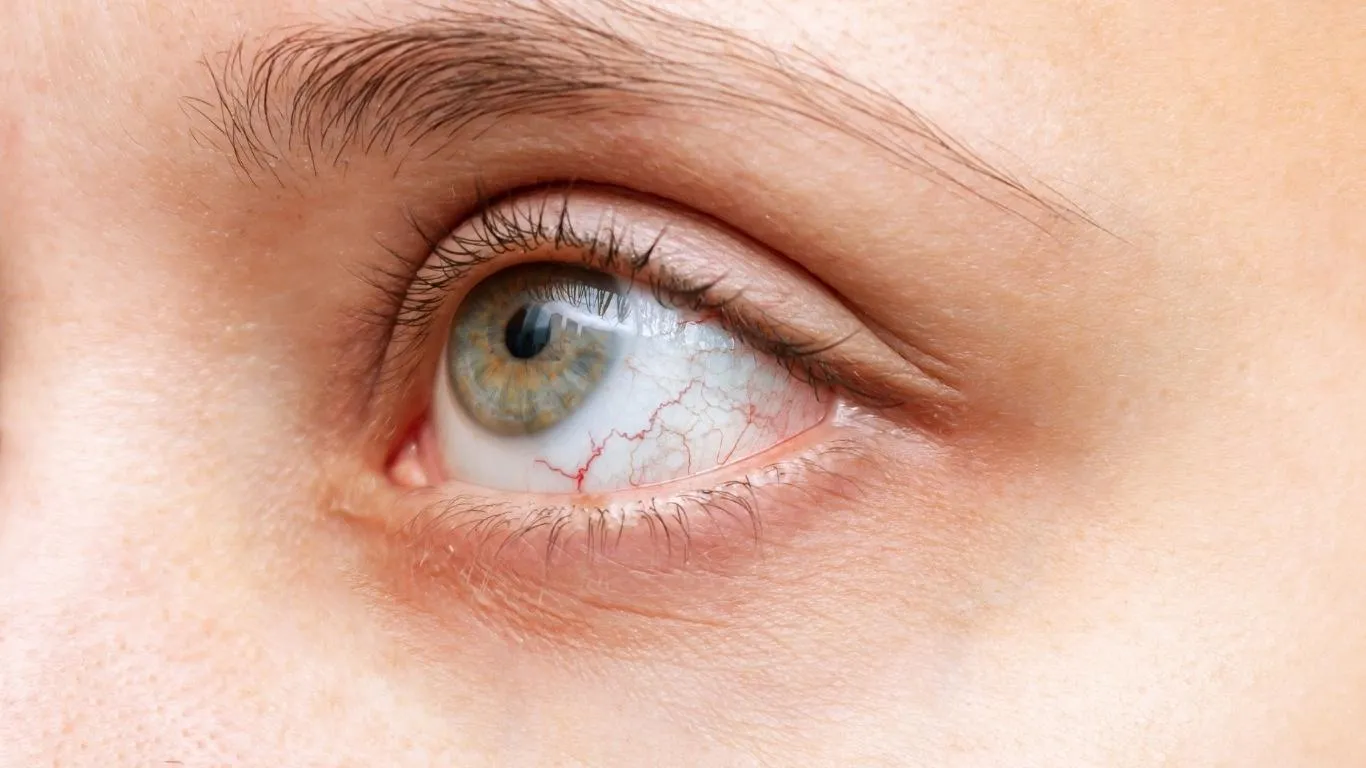
Floaters form when the gel-like vitreous inside your eye starts to shrink or change. This is totally normal with age, but can also be influenced by other factors like dehydration, stress, or even minor trauma.
During intense visual tasks, your brain is filtering out noise to help you concentrate. But guess what it doesn’t filter well? Floaters. These little bits of protein or collagen floating in the vitreous don’t stay still—they drift. And when your visual system is ultra-sensitive (like during high concentration), they become more visible.
Interestingly, people with high myopia (yup, like me) or those spending a ton of time focusing on screens report even more frequent floater disruptions. The more you push your visual system into “focus mode,” the more those specks seem to dance around your periphery. You might be surprised to know there’s even a term being explored informally among eye specialists: Focus-Triggered Visual Interference.
When Are Focus-Linked Floaters a Sign of Something Bigger?
Okay, so floaters during intense focus aren’t always just annoying—sometimes, they can be a subtle signal. I’ve had readers tell me they ignored new or rapidly increasing floaters for weeks thinking it was just work fatigue. But sudden bursts of floaters, especially when accompanied by light flashes or blurry zones, could point to something like a retinal tear.
You can dive deeper into this in the detailed article on floaters that precede retinal issues, but here’s a quick checklist:
- Are you seeing way more floaters after focusing for 10+ minutes?
- Do they move in clumps or “curtains” instead of single specs?
- Are there flashing lights in your side vision?
- Is one eye affected more than the other?
If the answer is yes to any of those, stop reading and call your eye doctor. Floaters can be harmless—but they can also be the only warning before vision-threatening problems arise. According to American Academy of Ophthalmology, sudden onset floaters should always be examined.
What You Can Actually Do About It

So let’s say you’ve ruled out anything dangerous, but these floaters are still breaking your concentration. Here’s what’s helped me and plenty of others I’ve spoken to:
- Switch your background: Floaters are more visible on white or bright screens. Try switching to a dark mode or soft grey to reduce contrast glare.
- Blink breaks: I use a 20-20-20 technique—every 20 minutes, look at something 20 feet away for 20 seconds. Helps rehydrate the eyes and shift your visual plane.
- Hydrate and stretch: Believe it or not, dehydration and poor circulation can worsen floater awareness. Drink water, do a quick shoulder roll, and get blood flowing again.
- Improve lighting: Avoid high-glare setups. Indirect lighting or using a desk lamp with warm tones can actually reduce how floaters stand out.
- Eye-specific vitamins: Some research suggests nutrients like lutein, omega-3s, and vitamin C might support vitreous health. I talk more about that in this supplements for floaters guide.
It’s also worth checking out how treatment options vary depending on floater type and cause. If it’s affecting your work or mental focus, you don’t have to just “live with it.”
For more background on the science of floaters in general—including symptoms, medical causes, and standard treatments—check the main article here: what are eye floaters.
And for an even closer breakdown of what floaters mean during visually demanding situations, this deep-dive is a must-read: eye floaters vs other eye problems.
How Long Do Focus-Induced Floaters Typically Last?
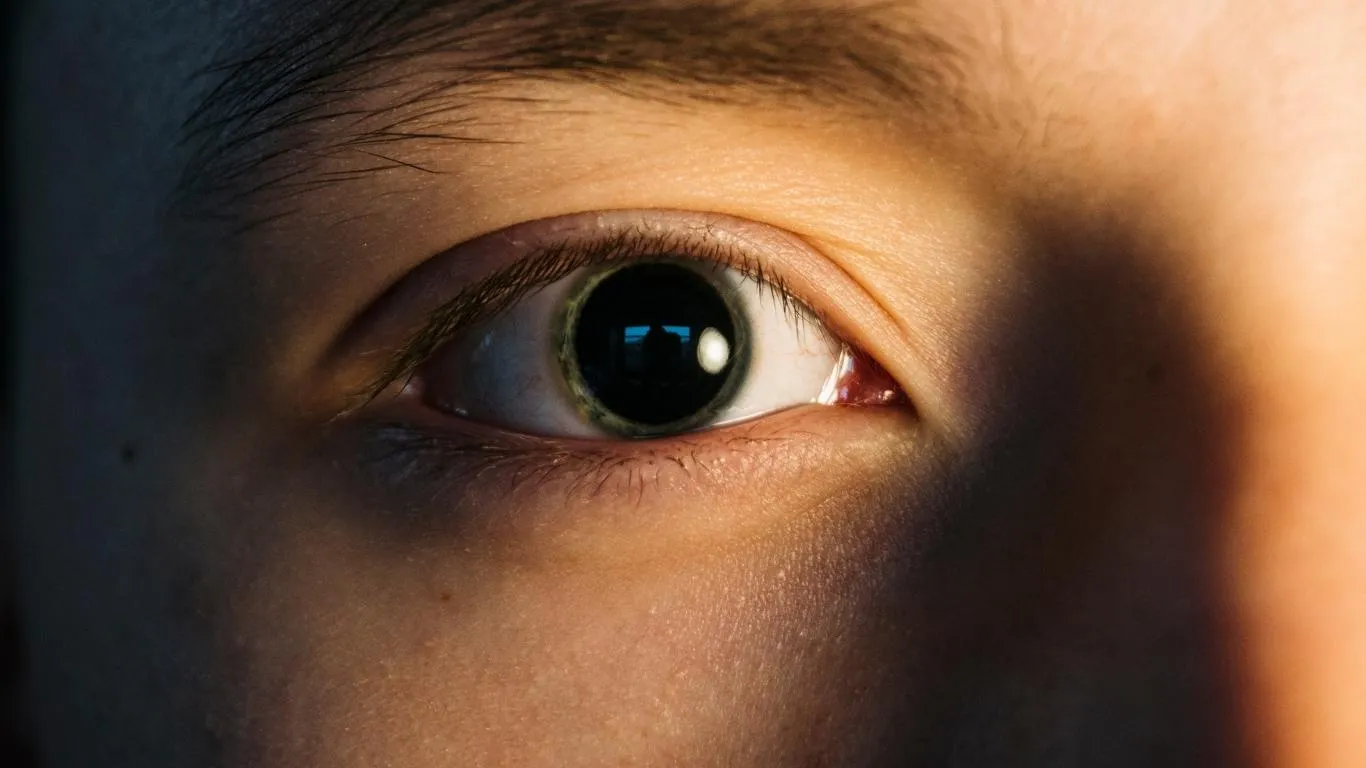
Here’s the thing—most floaters that show up while you’re focusing hard? They vanish the moment you change your gaze or lighting conditions. That’s because their visibility isn’t always tied to actual changes in your eye structure. Often, it’s about perception. When your eyes are in a steady, concentrated position, those little floaters have a stable “screen” to float across. But as soon as you shift, they drift away—just like that.
But if you’re noticing floaters that linger even when you blink, rest, or look around? That’s when it may be more than just focus-induced annoyance. I’ve had days where floaters felt like they were “stuck,” only to find out I was severely dehydrated. A simple hydration fix, and boom—clearer vision. Still, it’s worth digging deeper if they persist. Here’s one reason they might linger longer than expected.
Do Floaters Change With Mental Fatigue or Visual Stress?
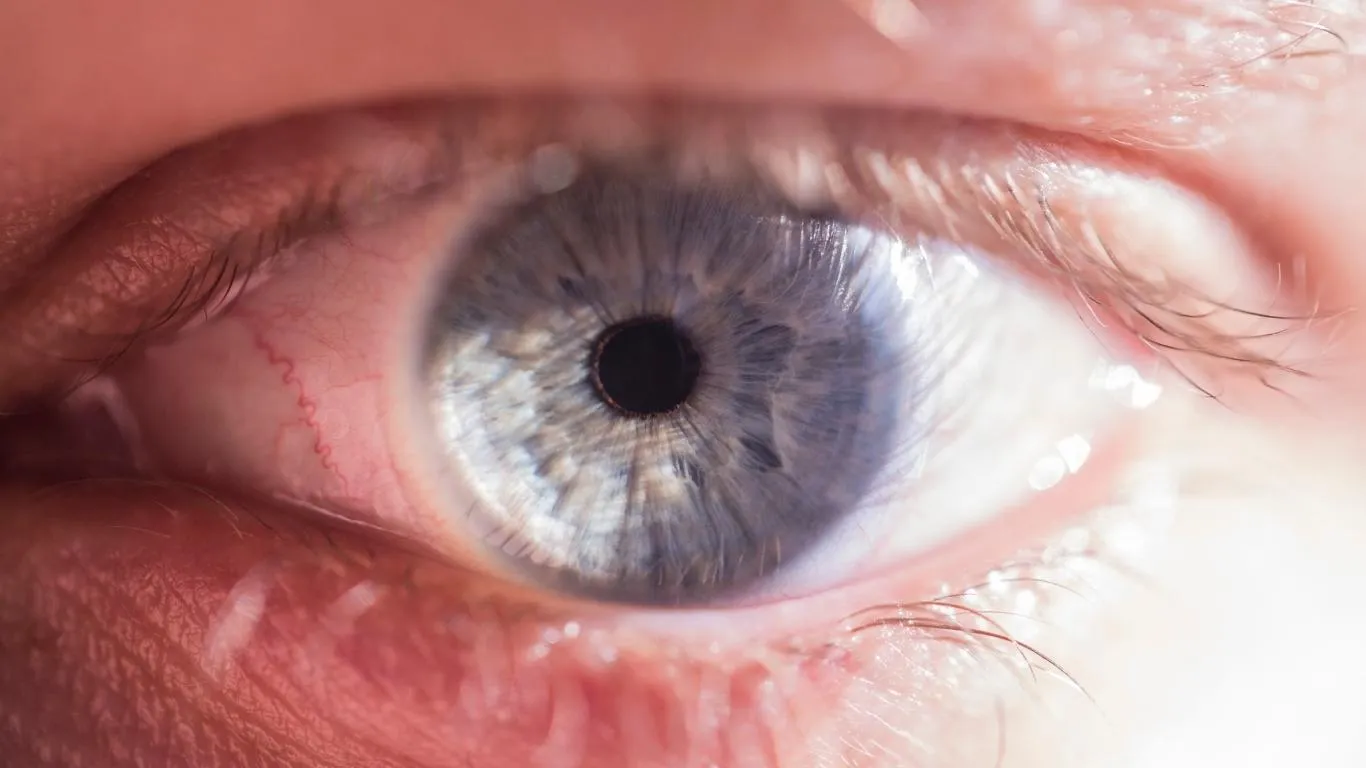
Absolutely. In fact, floaters can feel like they’re multiplying when your brain is on overload. On days when I’ve worked 10+ hours in front of a screen, floaters appear faster and stay longer. It’s not your imagination—it’s about how your brain and visual cortex process sensory input when they’re tired.
Visual stress leads to reduced saccadic movement (quick eye motions), which normally “shake off” floater interference. With stress or eye fatigue, your eye motions get slower, more predictable—and floaters seize that opportunity to show up.
For those who feel floaters kick in toward the end of their workday, especially in fluorescent lighting or open-office settings, check out this article on how environment and eye sensitivity can amplify floater symptoms. It goes deep into why certain indoor conditions make things worse.
Common Myths About Floaters While Focusing

There’s a lot of noise online about floaters. I’ve fallen for some of these myths too, so let’s bust a few:
- Myth #1: Floaters mean you’re going blind. While floaters can be linked to serious conditions, especially if sudden or severe, most are benign and just irritating.
- Myth #2: Only older people get floaters. Nope. Even young, healthy adults get them—especially if they spend hours focusing visually every day.
- Myth #3: There’s nothing you can do. Floaters can be managed, reduced, and in some cases, treated. From nutrition to minor lifestyle tweaks, you’ve got options.
If you’ve ever wondered whether phone usage in the dark makes floaters worse, you’re not imagining it. The contrast boost and eye strain from screen glow definitely highlight them. Worth a read if your evenings are floater-heavy.
What I Do Now When Floaters Interrupt Deep Work
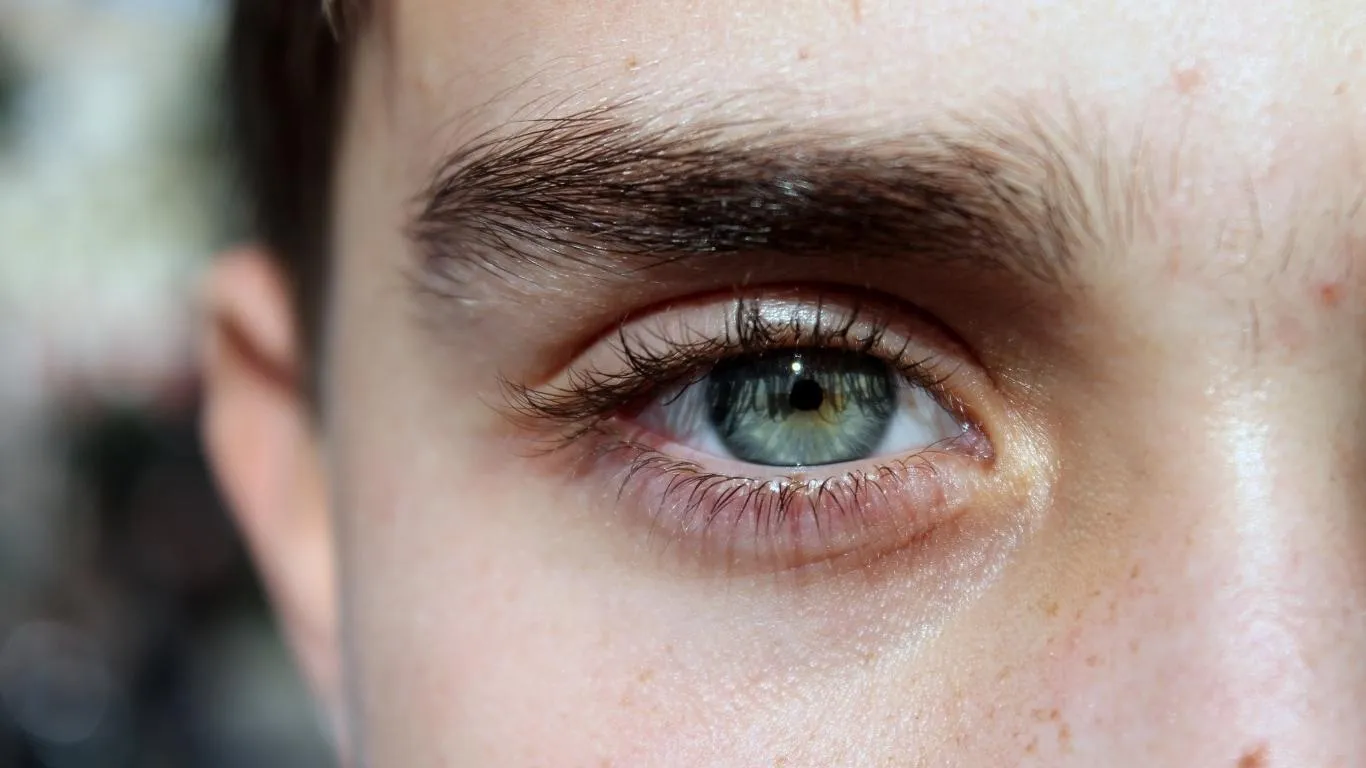
After years of trial and error, I’ve developed a kind of “floater defense playbook” for those moments when I’m deep in a project and these little visual gremlins show up. Here’s what’s actually worked for me:
- Change posture: I noticed that certain head positions made floaters worse. A slight tilt forward with my chin down? Almost always triggers them. Sitting upright or reclining slightly can make a huge difference. See this piece on head position and floater visibility.
- Warm compress breaks: I use a microwavable eye mask for 5 minutes during lunch. It sounds small, but it improves blood flow and seems to reduce the “fog” in my vision.
- Ambient lighting shifts: I use bias lighting behind my monitor now—soft, indirect LED light that reduces strain and makes floaters less harsh on my field of vision.
- Track and journal symptoms: Sounds nerdy, but noting when and why they show up helped me pinpoint triggers. You’d be amazed how consistent the patterns can be. This article on tracking changes in floaters walks you through the process.
When You Might Want to See a Specialist
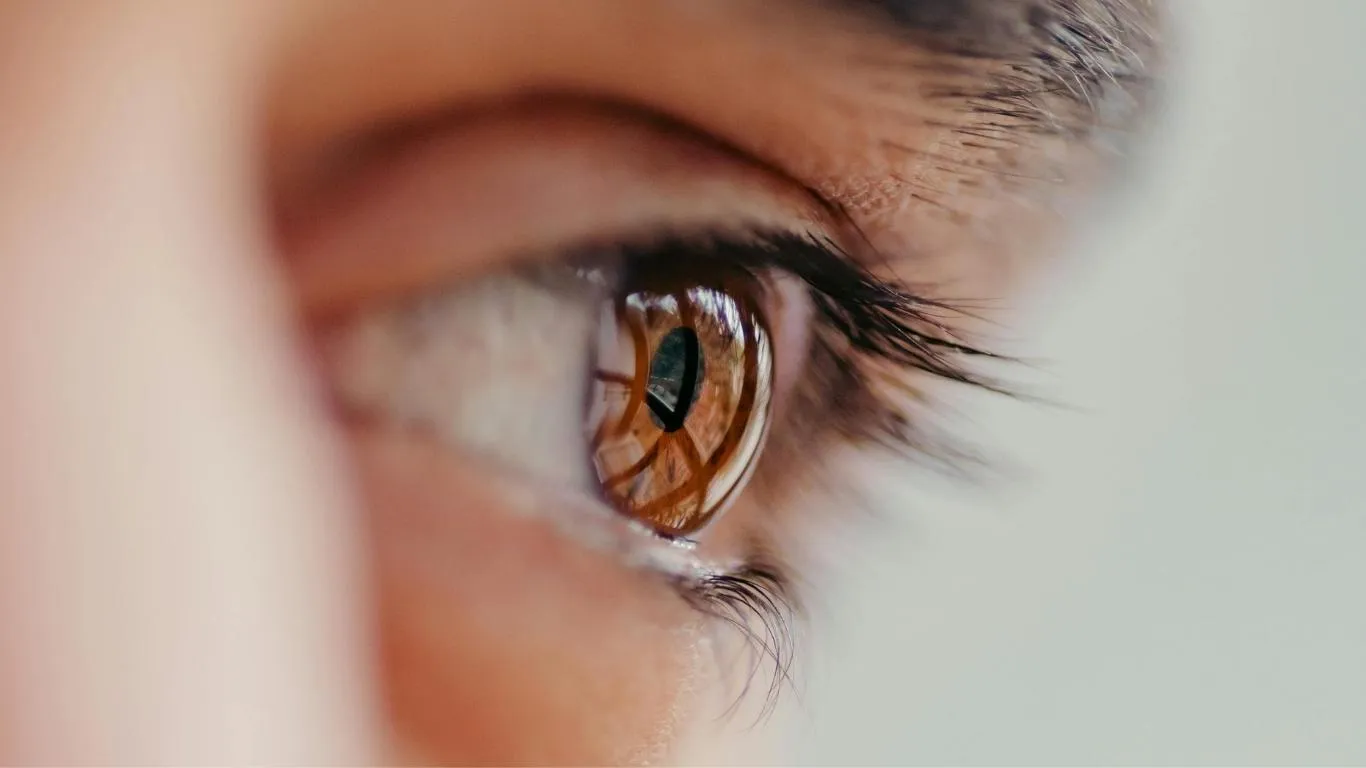
Let’s be real—not all floaters are harmless. I always suggest erring on the side of caution. If you’re noticing:
- A sudden cluster of floaters, especially after head or eye trauma
- Floaters followed by a curtain or veil effect in your vision
- New floaters after intense coughing, sneezing, or strain
Then go get checked. There’s a fine line between floaters that are a harmless byproduct of focus—and floaters that signal deeper retinal issues. Check this reference on curtain vision warning signs if you’re ever unsure.
And if you want a broad overview of how floaters are treated from simple monitoring to surgery, don’t skip this complete guide: eye floater treatments.
Key Takeaway: Know Your Vision and Don’t Panic
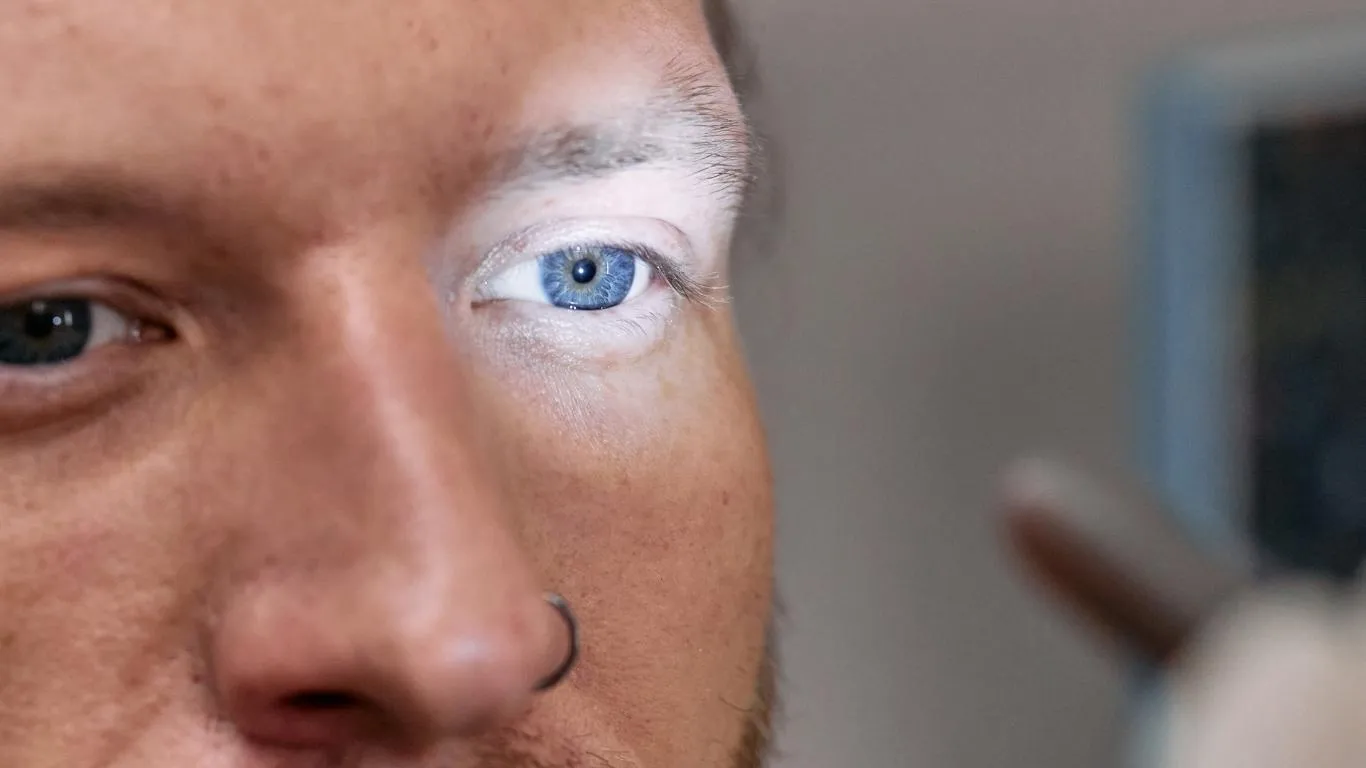
The truth is, floaters during intense focus are usually more of a perception problem than a vision one. The key is knowing your baseline, paying attention to when things change, and making smart adjustments to your routine. I’ve learned to treat them like background noise—not worth stressing over, but not to be ignored if they start shouting for attention.
If you’re trying to separate floaters from other confusing eye symptoms (like flashes, halos, or aura), check out this deep-dive: eye floaters vs other eye problems. And for the foundational breakdown of what causes floaters and when to worry, refer to the main pillar article on eye floaters.

Camellia Wulansari is a dedicated Medical Assistant at a local clinic and a passionate health writer at Healthusias.com. With years of hands-on experience in patient care and a deep interest in preventive medicine, she bridges the gap between clinical knowledge and accessible health information. Camellia specializes in writing about digestive health, chronic conditions like GERD and hypertension, respiratory issues, and autoimmune diseases, aiming to empower readers with practical, easy-to-understand insights. When she’s not assisting patients or writing, you’ll find her enjoying quiet mornings with coffee and a medical journal in hand—or jamming to her favorite metal band, Lamb of God.