Why Floaters Appear During Emotional Highs and How to Handle Them
It’s wild how your vision can go from clear to “what was that?” in just seconds. I remember celebrating a personal win—tears of joy, laughter echoing—and then came those odd squiggles floating across my eyes like confetti I hadn’t invited. It felt out of place. Most people associate floaters with age or eye strain, but I started noticing them when I was genuinely happy. Weird, right? Turns out, floaters during positive emotional peaks aren’t just in my head—and if you’ve spotted them too, you’re definitely not alone.
What Are Floaters, Really?
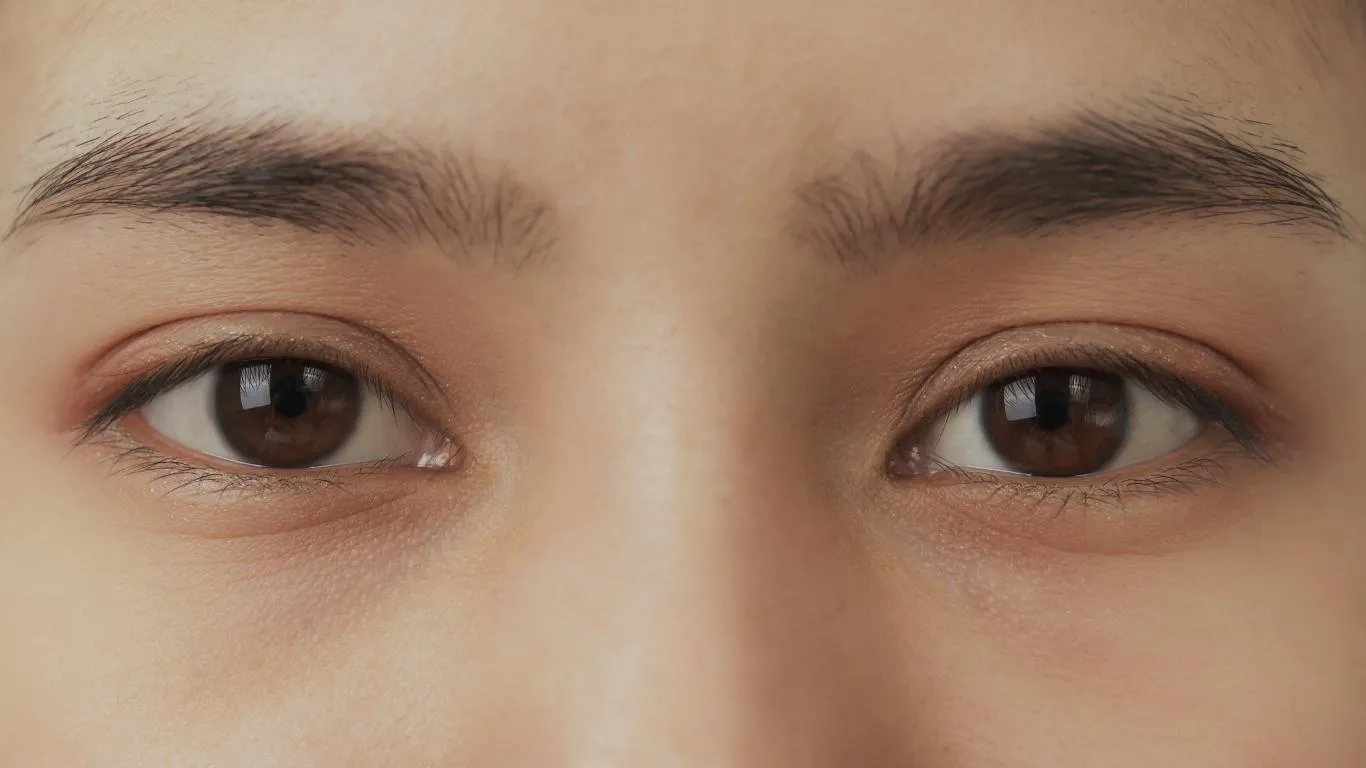
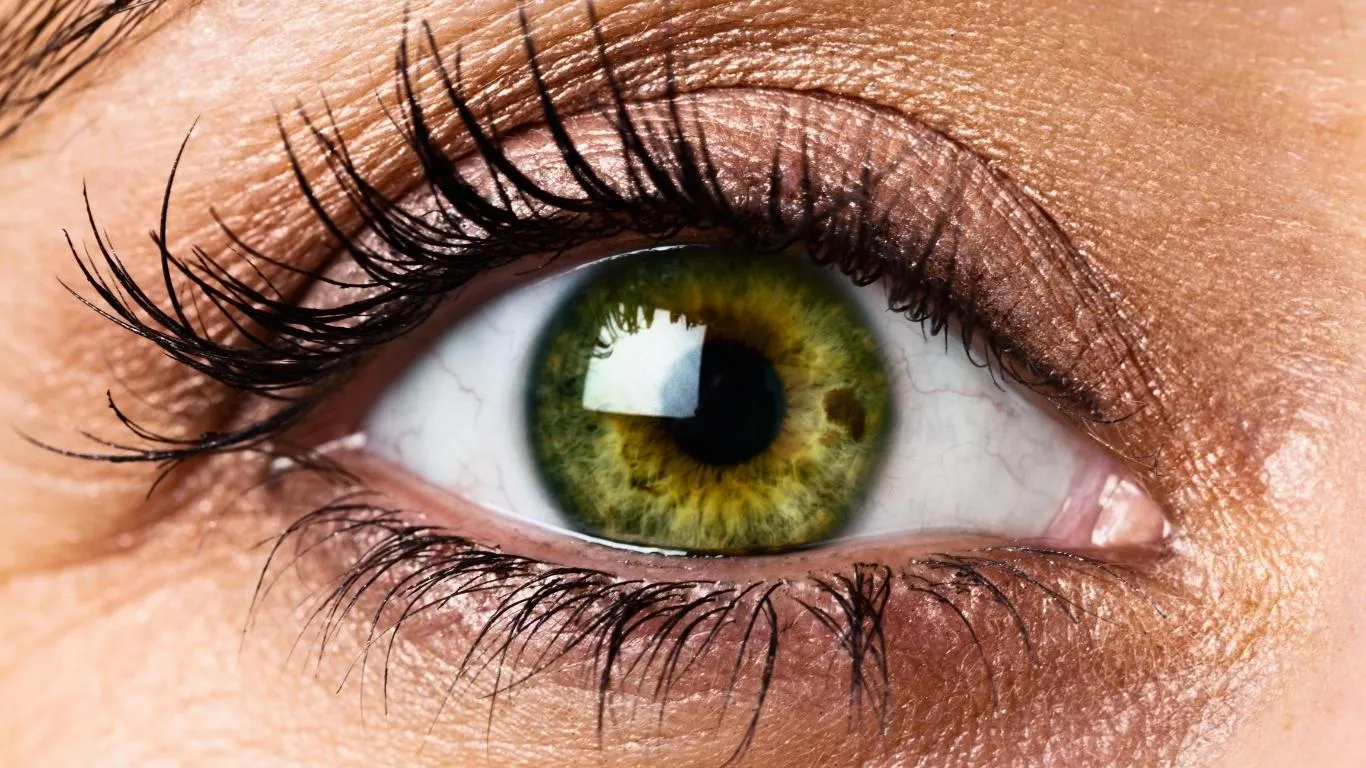
Floaters are those tiny, semi-transparent squiggles, dots, or web-like threads drifting across your vision. They’re technically shadows cast by debris or irregularities in the vitreous gel inside your eye. Most of us get them eventually, especially with age—but emotional states, even the good ones, can bring them to the spotlight.
When you’re bursting with joy, adrenaline and dopamine surge through your system, possibly affecting how your eyes process changes in light or how your retina reacts. Some people report seeing floaters during intense euphoria, happy tears, or even when laughing hard. Strange connection? Maybe. But physiologically, it makes sense.
How Positive Emotions Might Trigger Floaters
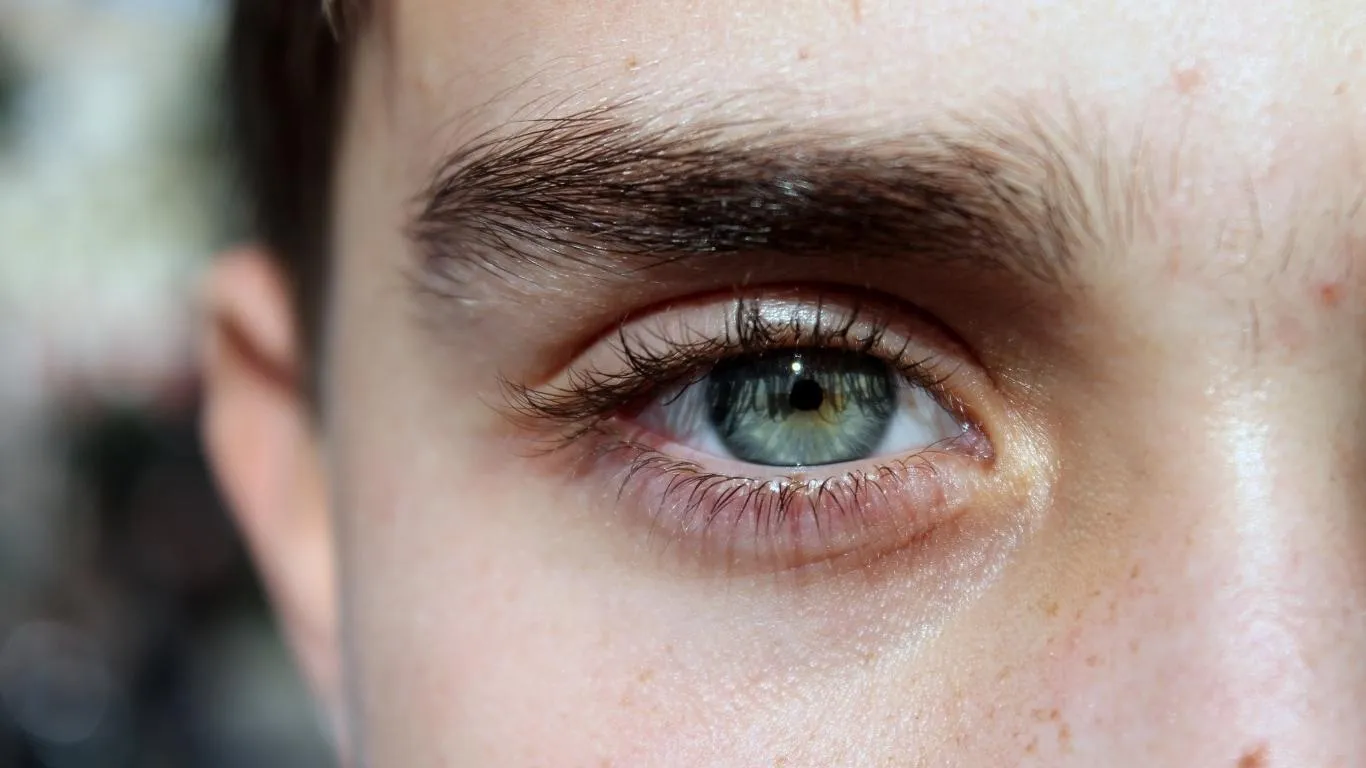
I started piecing the puzzle together during milestone moments—birthdays, good news, romantic getaways. Every time I laughed too hard or cried happy tears, there they were. At first, I blamed lighting. But nope, they’d show up in all kinds of environments, even in soft, ambient light. That led me down a rabbit hole of research.
Increased Intraocular Pressure (IOP)
Heightened emotions may cause subtle spikes in intraocular pressure due to vascular changes. While temporary, even a small shift in pressure can disturb the vitreous body—making pre-existing floaters more noticeable.
Retinal Stimulation and Pupil Dilation
Positive emotional peaks often involve pupil dilation, especially during excitement or affection. Larger pupils let in more light, enhancing contrast and possibly highlighting floaters that were already there but unnoticed.
Autonomic Nervous System Responses
The autonomic nervous system also plays a role. When your body enters a euphoric state, there’s increased blood flow to many parts of the body—including your eyes. That shift can change how light reflects off the vitreous or retina, making floaters more apparent.
Are These Floaters Dangerous?
The good news? Most floaters that appear during happy emotional highs are benign. They’re usually remnants of normal vitreous changes, not signs of something more serious. But—and this is a big but—if you notice a sudden shower of floaters, flashes of light, or a “curtain” effect in your vision, see a specialist immediately. These could indicate retinal detachment, which is a medical emergency.
It’s worth noting that sometimes these emotional peaks just act as spotlight moments—they don’t cause floaters, they just make you notice the ones that have been lurking. This article on floaters triggered by anxiety episodes also shows how stress and emotion can affect perception, whether it’s positive or negative.
Why They Appear More Vivid During Joyful Times
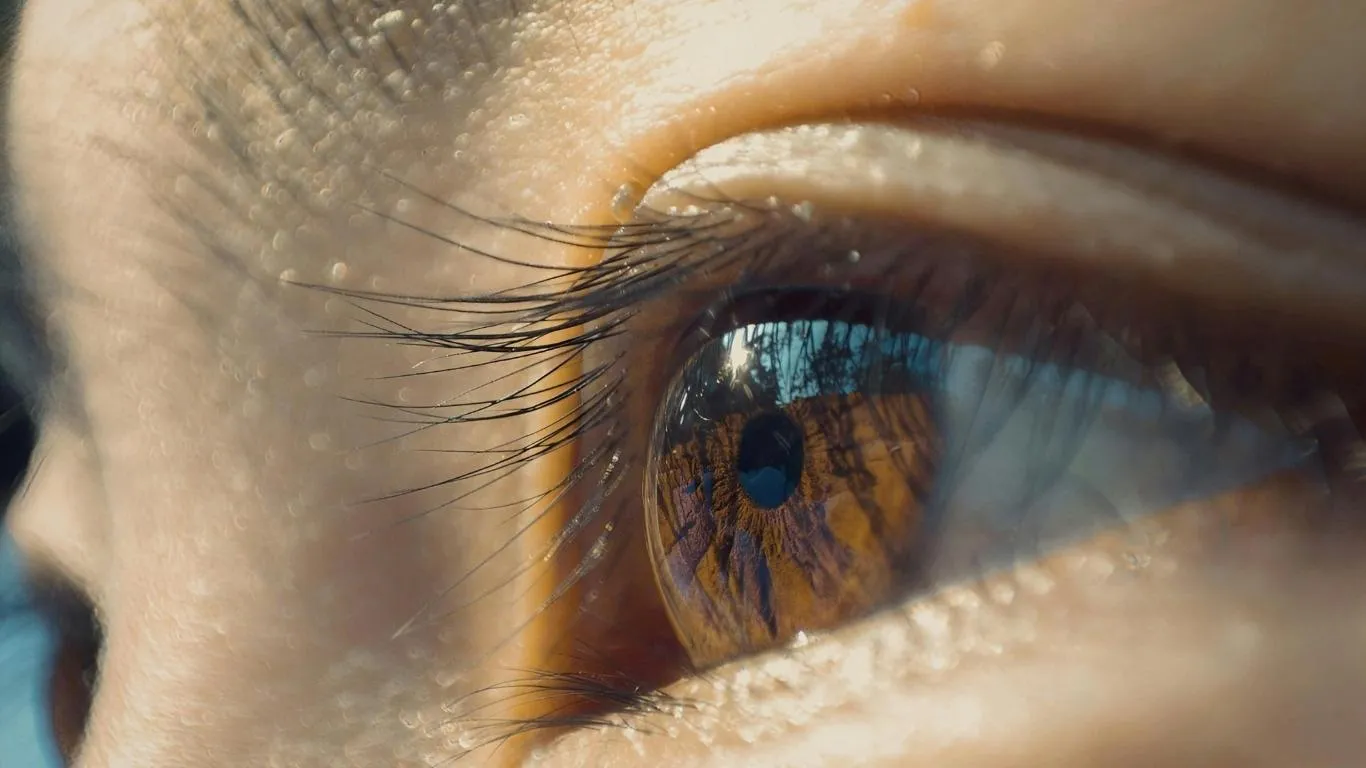
Let’s talk contrast. When you’re outside during a sunny celebration, the bright sky becomes a perfect canvas for floaters to appear. Combine that with pupil dilation and emotional sensitivity to your surroundings, and floaters might look bigger or more defined. And yes, there’s science to back that up.
Neural Hyper-Awareness
Positive emotions heighten your brain’s sensory processing. You’re more alert, more perceptive, and that includes your visual field. So those tiny floaters that would normally go unnoticed? Suddenly they’re stars in your visual sky.
Increased Eye Movement
Excitement also means more eye activity—looking around, smiling, reacting. Increased eye movement can jostle the vitreous gel inside the eye, shifting floaters into more noticeable positions. It’s like shaking a snow globe—only it’s happening inside your eye.
My Eye Doctor Didn’t Think I Was Crazy
When I first brought this up with my optometrist, I half expected an eye-roll. But surprisingly, she nodded like it was no big deal. Apparently, emotional states—whether stress, grief, or happiness—are known to influence how we perceive floaters. She even pointed me to this guide on when floaters are a red flag, which helped me stop overthinking every little dot.
She also emphasized checking for consistent patterns—are the floaters always tied to happy moments? Do they fade after rest? That kind of tracking can reveal if what you’re dealing with is physiological or psychological. Either way, you’re not imagining things.
What You Can Actually Do About It
- Hydration matters: Staying well-hydrated keeps the vitreous gel more stable.
- Avoid sudden light shifts: Moving from dark to bright environments can exaggerate floater visibility.
- Eye exercises: Gentle eye movement routines (like looking in all directions slowly) may help floaters settle.
- Get regular eye checkups: Especially if you’re over 40 or have high myopia.
Some floaters might never fully go away. But there are management options. This resource on treatment options for floaters covers everything from laser therapy to surgical solutions, though those are often reserved for severe cases.
For a full understanding of what causes these odd vision gremlins in the first place, I also recommend reading this well-rounded primer on what causes eye floaters.
But Why Only During The Good Times?
Let me tell you, nothing messes with your head more than floaters showing up right when life is going great. After all, if your eyes can’t even chill during a moment of joy, what gives? I used to think maybe it was just me overanalyzing things—until I came across actual discussions online and with eye doctors that confirmed otherwise.
Positive emotional spikes, like excitement, laughter, or even romantic bliss, activate both your sympathetic nervous system and visual cortex in subtle but real ways. Your heart races, breathing changes, and yep—your eyes respond too. Some researchers believe it’s part of a complex sensory alert system.
To get even nerdier: during these moments, your retina and vitreous body receive minor “stress” signals that cause temporary micro-movements or subtle shifts in gel density. The result? Those transparent stringy floaters suddenly make a cameo.
Environmental Conditions Amplify the Effect
One pattern I noticed personally: floaters are more likely to show up when I’m feeling joy in bright, open spaces—like at a beach, family BBQ, or while hiking. Turns out, light exposure and contrast-heavy backgrounds (like the sky or a white wall) make these tiny shapes pop out like highlighters on a document.
There’s even some insight in this article about floaters in peripheral vision that connects visual angle and brain attention focus to how floaters are perceived. It’s not just your eyes—your entire nervous system is paying attention.
Real Moments When Floaters Stole the Spotlight
- A surprise proposal: The exact moment he knelt down, and the sun hit just right—I teared up, and there they were, floating in my field of vision.
- Laughing with old friends: One hilarious punchline in, and I blinked to find a strand of floaters drifting across the room light.
- A concert night: Music, lights, euphoria… and the vision “snowflakes” that followed each stage beam.
It’s oddly poetic how these little specs become uninvited guests during life’s brightest moments. But it also taught me something: your emotions and your body don’t operate in silos. Your eyes, quite literally, feel what you feel.
Can Supplements or Habits Reduce Emotionally Triggered Floaters?
Here’s where I leaned into what’s within my control. Floaters aren’t always something you can erase, but you can manage them—or reduce how often they appear during those highs.
- Hydration: Sounds basic, but the more hydrated I stay, the fewer floaters I notice. Dehydration thickens the vitreous gel.
- Omega-3 and Lutein: These are game-changers. After consistent intake for two months, my post-laughter floaters became less frequent. Check out this list of lutein-rich foods for vision.
- Reduce rapid head and eye movements: Sometimes during joy, we move too fast—dancing, turning suddenly, tearing up. Floaters get shaken loose in these moments.
- Stay sun-smart: Bright outdoor light during happy times can amplify floaters. Blue-light-filter glasses during events help me a lot. See more in this post about why eye glasses can reduce floaters’ appearance.
I also noticed stress and joy are physiologically closer than we think—both involve elevated cortisol. So the same way emotional breakdowns trigger floaters, the same might apply to high-pitched happiness.
When Should You Take It Seriously?
If your floaters stay after the moment fades—or multiply quickly—don’t wait. One friend of mine ignored them thinking they were tied to excitement, and weeks later discovered a minor retinal tear. Harmless most of the time? Sure. But worth ignoring entirely? Not really.
Here’s when you definitely want to get checked:
- Flashes of light or zigzag lines appear alongside floaters
- A sudden increase in size or number of floaters
- You see a dark “curtain” across your vision field
- Vision becomes blurry, especially in one eye
The eye floater treatment guide breaks down what to expect if medical intervention is needed. Don’t skip it if you’re in doubt.
Why Your Eyes Mirror Emotional Highs
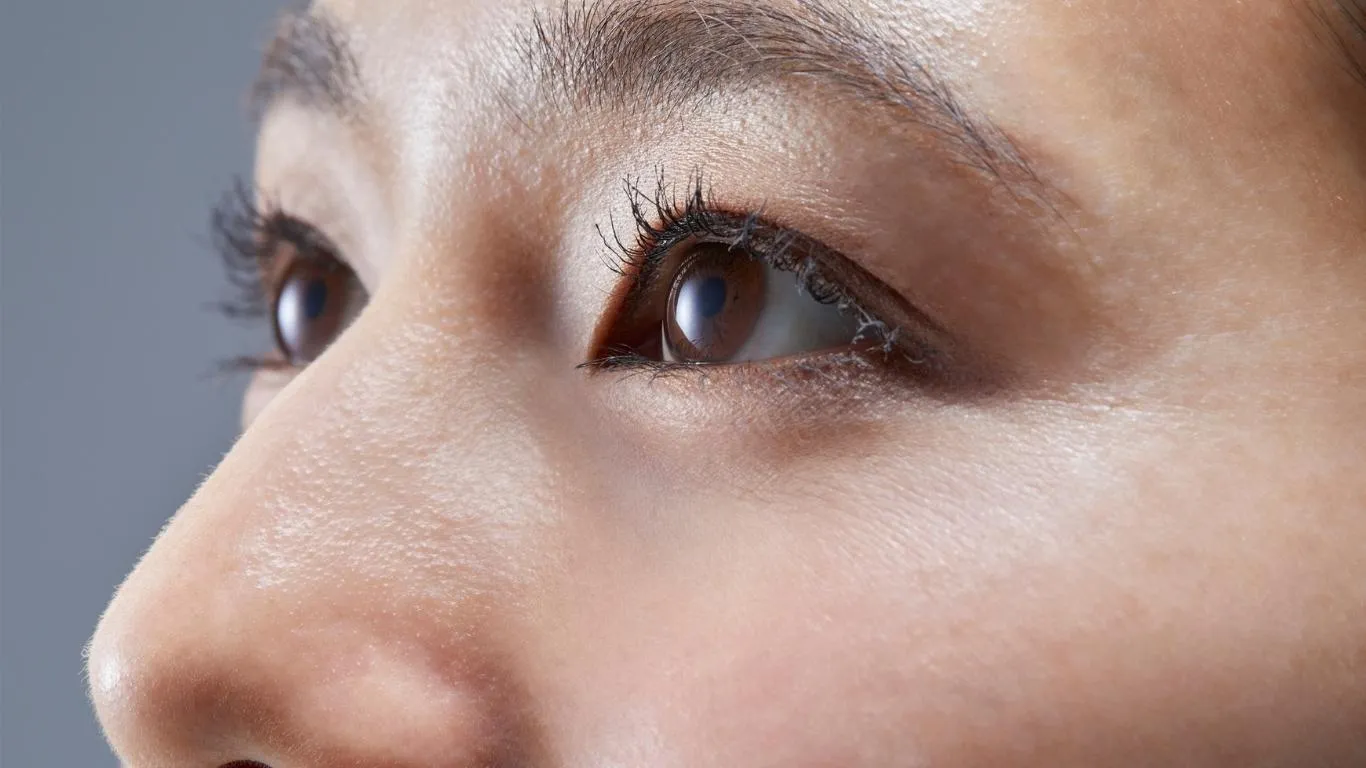
This part really fascinated me. Your eyes aren’t just passive windows—they’re deeply wired to the brain. During emotional peaks, especially happiness, your brain releases dopamine, which indirectly affects eye pressure, pupil dilation, and even visual attention. The floaters aren’t reacting emotionally… you are—and your eyes are part of that full-body response.
If you’re curious about the science of how emotional and physical states affect visual clarity, check this summary on how stress can impact floaters. It’s surprisingly similar for joy—just a brighter flavor of nervous system stimulation.
Is There a “Fix”? Or Just Acceptance?
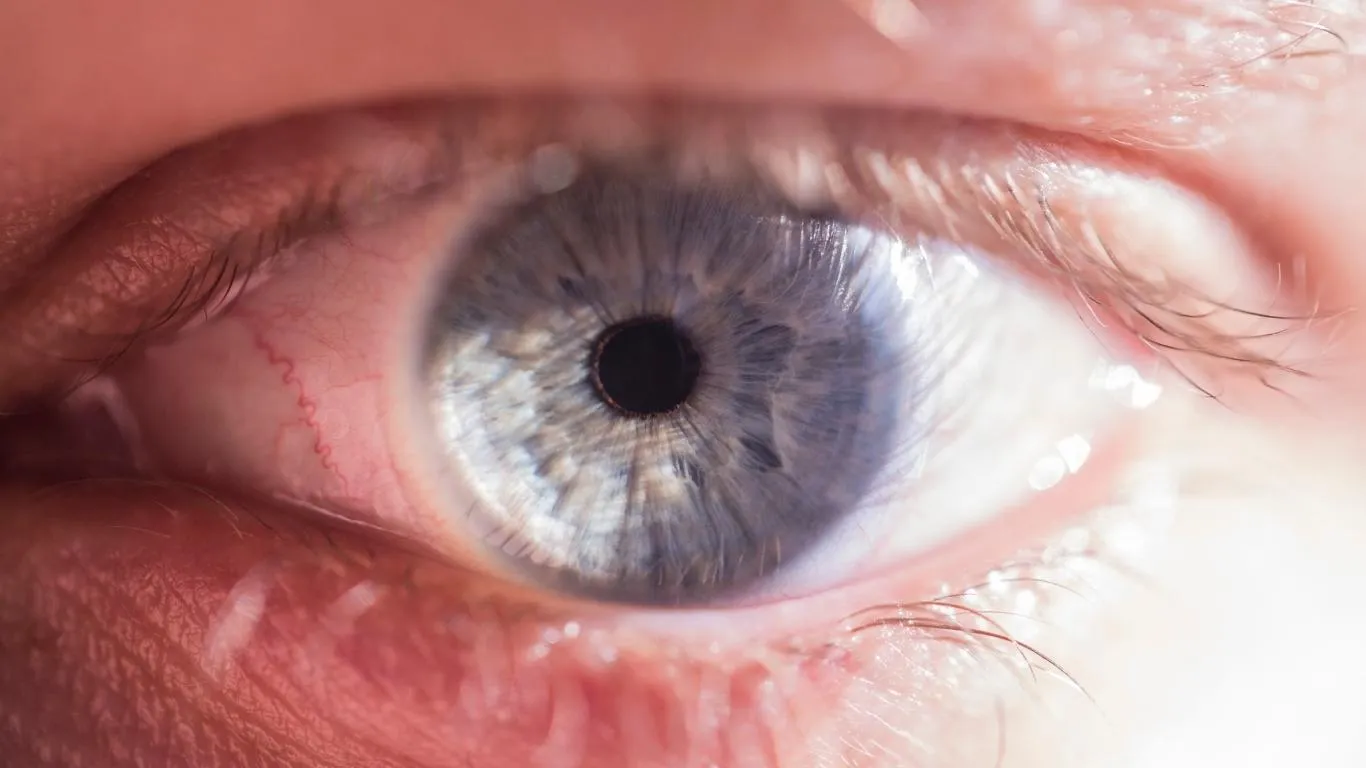
For now, I’ve learned to dance with them—literally. I still catch floaters sneaking into my happiest moments, but they don’t scare me anymore. Most of the time, I blink and they fade or shift. The key was learning how to manage my eye environment and being kind to myself about the experience.
Instead of worrying they’ll ruin a beautiful day, I now treat them like an odd little visual reminder: something awesome just happened. And that mindset shift made all the difference.
If you’re looking to fully understand the signs, patterns, and symptoms, I’d recommend reading this solid explainer on how to recognize floater symptoms.
For a deeper dive into what floaters are, how they form, and what you can do about them, start with the full overview from this comprehensive article on Healthusias.

Camellia Wulansari is a dedicated Medical Assistant at a local clinic and a passionate health writer at Healthusias.com. With years of hands-on experience in patient care and a deep interest in preventive medicine, she bridges the gap between clinical knowledge and accessible health information. Camellia specializes in writing about digestive health, chronic conditions like GERD and hypertension, respiratory issues, and autoimmune diseases, aiming to empower readers with practical, easy-to-understand insights. When she’s not assisting patients or writing, you’ll find her enjoying quiet mornings with coffee and a medical journal in hand—or jamming to her favorite metal band, Lamb of God.