Why Floaters During Quiet Reflection Time Feel Worse And How To Fix It
Have you ever sat quietly, enjoying a moment of peace, and suddenly noticed those pesky squiggly lines drifting across your vision? I remember my first encounter with eye floaters during a mindfulness session — it felt like my eyes were playing tricks on me. Turns out, these floaters are more common than you think, especially during quiet reflection time when your mind slows down, but your eyes start to pick up on every little detail. But what exactly causes this visual phenomenon? Let’s dive deeper.
What Are Eye Floaters and Why Do They Appear During Still Moments?
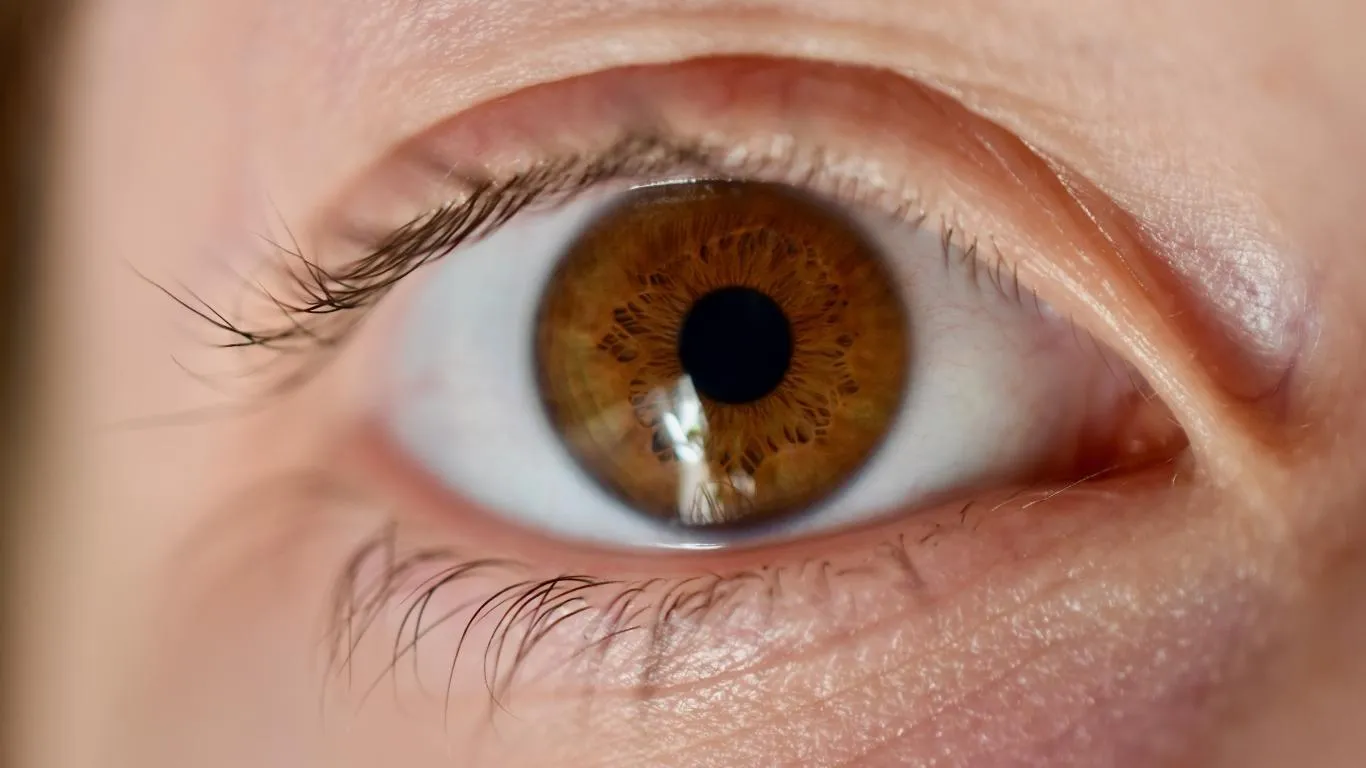
Floaters are tiny clumps of collagen fibers that float in the vitreous — the gel-like substance inside your eyes. Most of the time, they’re harmless, but their appearance becomes alarmingly noticeable when you’re staring at a plain surface or simply sitting in a quiet, meditative state. Why? Because there are no distractions. Your brain is not preoccupied, so it tunes into these subtle imperfections floating around.
During active moments, your brain tends to filter out minor visual “noise.” But when you’re in stillness, like during yoga or quiet reading, your visual awareness heightens, making floaters more pronounced. For many, it can disrupt the very peace they seek during these reflective times.
Common Triggers: Why Floaters Love Silent Environments
1. Bright, Uniform Backgrounds
Ever noticed how floaters are most visible when you’re gazing at a white ceiling or a clear blue sky? The same applies to softly lit meditation rooms. The uniformity of the background gives floaters the perfect canvas to become visible. It’s like they suddenly gain a spotlight.
2. Eye Movement Slows Down
When you’re calm and your eyes aren’t darting around, floaters tend to “settle.” But here’s the catch — this settling effect actually makes them move more sluggishly across your field of vision, giving you enough time to notice them.
3. Increased Visual Awareness
Practices like meditation or quiet journaling sharpen your senses. This heightened awareness is a double-edged sword. While it helps with mindfulness, it also brings floaters to your attention. I often find that the more I concentrate on being still, the more these visual nuisances make their grand appearance.
Are Floaters During Quiet Reflection a Warning Sign?
For the most part, floaters are benign. However, if you experience a sudden surge of them, especially accompanied by flashes of light or partial vision loss, it could be an indicator of something more serious like a retinal tear. That’s when you need to consult a specialist — no “wait and see” approach here. For more detailed warning signs, this guide on dangerous eye floaters is a must-read.
Interestingly, floaters that pop up after long reading or meditation sessions might simply be due to eye fatigue rather than an underlying condition. This article discussing floaters during menstruation also highlights how physiological changes can intensify their appearance in calm settings.
Can Lifestyle Factors Make Floaters Worse During Stillness?
Absolutely. Lifestyle habits play a sneaky role in how prominent floaters appear during those serene moments. Here are a few culprits you might not expect:
- Dehydration: When your body lacks proper hydration, your vitreous humor loses its consistency, making floaters more mobile and noticeable. Learn more in this dehydration and floaters article.
- Screen Fatigue: Long hours of screen time can strain your eyes, making floaters seem more vivid when you finally take a break.
- Stress & Anxiety: Emotional tension doesn’t just affect your mind — it impacts your vision clarity too. Surprisingly, stress-induced floaters are a thing, especially noticeable during reflective pauses.
Managing Floaters When All You Want is Peace and Quiet
Practical Tips to Minimize Floater Distractions
- Change Focus Frequently: Subtly shifting your gaze during reflection can prevent floaters from settling into your central vision.
- Adjust Lighting: Dim lights that reduce harsh contrasts make floaters less noticeable. Soft ambient lighting works wonders.
- Practice Eye Rolls: Gentle circular eye movements can disperse floaters temporarily.
For those who find floaters affecting their meditative focus consistently, natural remedies have been a popular discussion point. Though scientific backing is limited, methods like targeted eye exercises and dietary adjustments are explored in depth in this eye floaters natural management guide.
When Should You Worry? Recognizing Floaters That Signal a Bigger Issue
While the occasional floater during quiet time is nothing to panic over, certain scenarios should raise red flags. These include:
- Sudden bursts of multiple floaters
- Flashes of light resembling lightning streaks
- A shadow or curtain effect creeping into your peripheral vision
Such symptoms could indicate a retinal detachment in progress. You’ll want to familiarize yourself with detailed symptom breakdowns in this comprehensive main eye floater guide.
Effective Techniques to Reduce Floater Distractions During Quiet Reflection
Floaters may never fully disappear, but you can absolutely reduce their impact during those cherished moments of stillness. Over the years, I’ve learned a few practical techniques that have made a world of difference.
1. Eye Hydration: The Overlooked Game-Changer
It might sound too simple, but staying hydrated is one of the easiest ways to keep floaters in check. Dry eyes tend to exaggerate floater visibility, especially in calm, controlled environments. I always keep a bottle of water nearby during my meditation sessions, and believe me, it helps.
For those suffering from chronic dry eyes, artificial tears or eye drops may provide temporary relief. Here’s a detailed piece on how dry eye syndrome worsens floaters.
2. Mindful Distraction Techniques
Rather than focusing directly on the floaters, gently divert your attention. Soft background music or ambient nature sounds can subtly pull your focus away from your visual field, making floaters less bothersome during reflection time.
3. Adjust Your Sitting Position
One thing I learned the hard way: posture matters. Slightly tilting my head downwards reduces the angle at which light hits the eye, making floaters less intrusive. Experiment with slight head movements during quiet moments, and you might find your “sweet spot” where floaters fade into the background.
Diet & Supplements: Can They Really Help Floaters?
While there’s no miracle supplement to eliminate floaters overnight, certain nutrients can support overall vitreous health. Incorporating foods rich in antioxidants, vitamin C, and Omega-3 fatty acids may help maintain the eye’s internal clarity over time. I’ve noticed less floater interference after consistently including lutein-rich greens in my meals.
For an in-depth look at which nutrients genuinely benefit floater-prone eyes, I highly recommend reading this floater supplements guide.
Foods That Promote Eye Clarity
- Spinach and kale (rich in lutein and zeaxanthin)
- Fatty fish like salmon (loaded with Omega-3s)
- Carrots and sweet potatoes (excellent beta-carotene sources)
- Citrus fruits (vitamin C for collagen support)
Medical Interventions: When Lifestyle Tweaks Aren’t Enough
For those whose floaters disrupt daily life, even beyond quiet reflection time, medical options do exist. While I personally prefer conservative approaches, I know several people who opted for advanced treatments after floaters became too overwhelming.
1. Laser Vitreolysis
This non-invasive procedure uses laser pulses to break down floaters into smaller, less noticeable fragments. It’s generally safe but may not be effective for all floater types. Discussing this option with a seasoned ophthalmologist is crucial.
2. Pars Plana Vitrectomy
A more invasive surgical procedure, vitrectomy involves removing the vitreous gel entirely and replacing it with a saline solution. This is typically reserved for severe cases where floaters significantly impair vision.
If you’re considering medical interventions, this comprehensive floater treatment guide offers a balanced overview of all available options.
Floaters and Mental Well-being: The Overlooked Connection
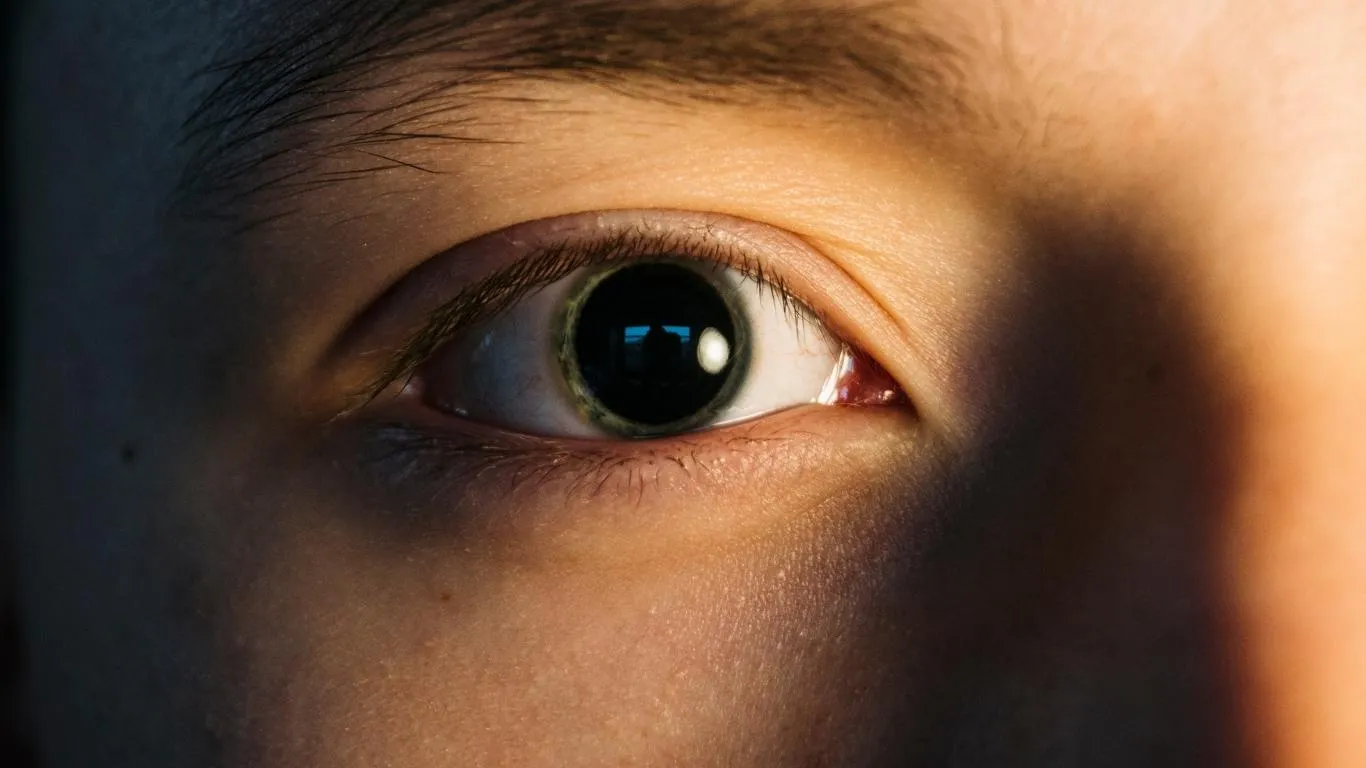
It’s surprising how often the psychological impact of floaters gets ignored. I’ve had moments where the frustration of persistent floaters during meditation disrupted my emotional balance entirely. It’s not just a visual issue; it can be mentally exhausting too.
Practicing mindfulness without visual fixation, shifting focus to auditory or tactile sensations, can be immensely helpful. Techniques like guided meditations that don’t require closing your eyes can reduce floater-induced distractions significantly.
Moreover, stress and anxiety tend to amplify the perception of floaters. Relaxation techniques, deep breathing exercises, and even short mindful walks post-reflection sessions can ease visual awareness of these nuisances. For those struggling, stress-induced floater management strategies are worth exploring.
Keeping Floaters in Check: My Personal Reflection Routine
Over time, I’ve crafted a simple yet effective routine to minimize floater distractions during my reflection periods:
- Hydrate — Start with a glass of water to ensure my eyes are well-lubricated.
- Set Ambient Lighting — Avoid harsh overhead lights; soft indirect lighting works best.
- Gentle Eye Rolls — A few slow eye movements help dislodge floaters from my central vision.
- Posture Adjustments — Slight head tilts to find an angle where floaters are less intrusive.
- Mindful Distractions — Low-volume background sounds to gently pull focus from my vision.
Consistency is key. What started as an annoying interruption has now become a manageable part of my quiet reflection time. The key isn’t to eliminate floaters — it’s learning to coexist with them without letting them hijack your peace.
For those new to dealing with floaters, understanding the full scope of causes, symptoms, and treatment options is essential for making informed decisions.

Camellia Wulansari is a dedicated Medical Assistant at a local clinic and a passionate health writer at Healthusias.com. With years of hands-on experience in patient care and a deep interest in preventive medicine, she bridges the gap between clinical knowledge and accessible health information. Camellia specializes in writing about digestive health, chronic conditions like GERD and hypertension, respiratory issues, and autoimmune diseases, aiming to empower readers with practical, easy-to-understand insights. When she’s not assisting patients or writing, you’ll find her enjoying quiet mornings with coffee and a medical journal in hand—or jamming to her favorite metal band, Lamb of God.