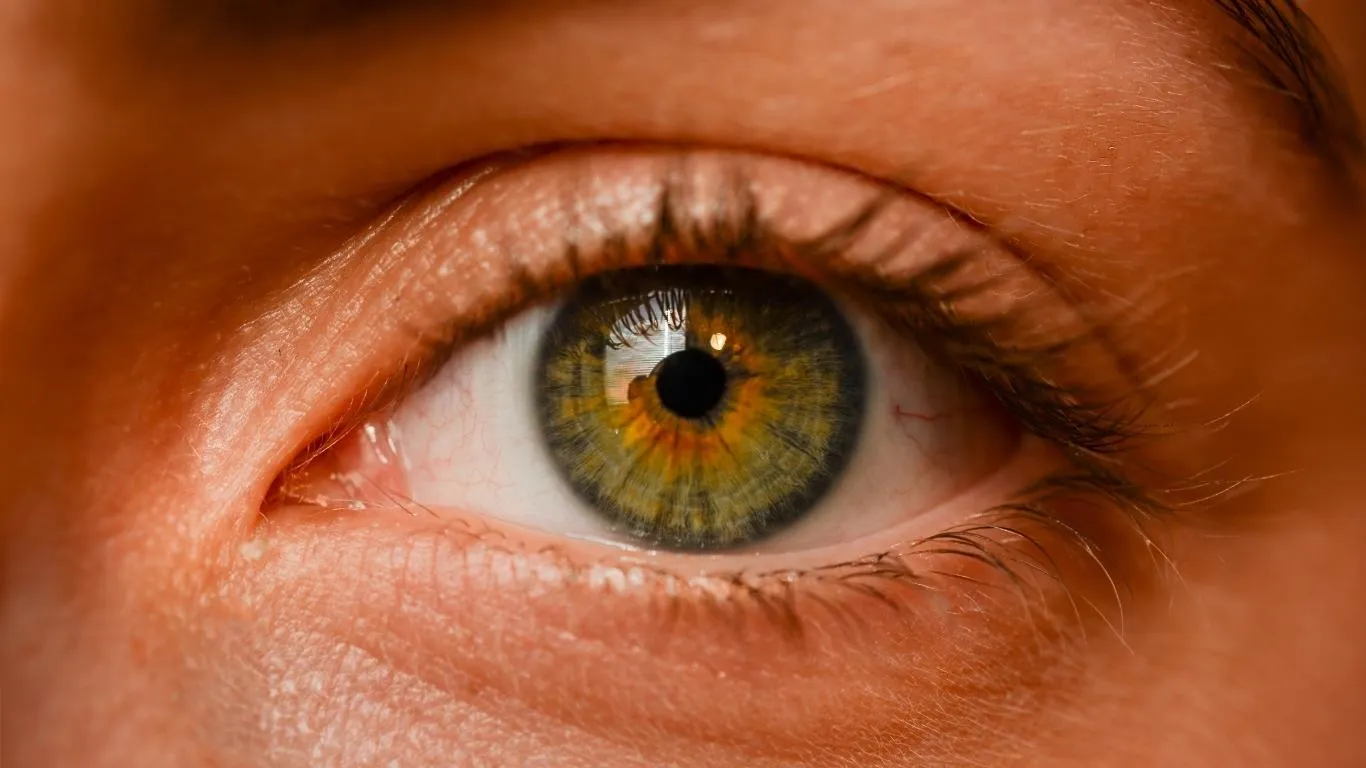
Why Floaters During Silent Room Meditation Disrupt Focus
You ever sit in total silence—like, really quiet—and suddenly notice those weird, drifting specs in your vision? Like little threads or specks floating around when you try to focus? Yeah, me too. It’s like the quieter the environment, the louder those floaters seem to get. For me, it started during silent room meditation sessions. I was expecting calm and clarity but ended up distracted by these shadowy shapes drifting across my field of vision. If you’re nodding your head, you’re not alone—and more importantly, you’re not imagining things.
Why Eye Floaters Become Noticeable During Silent Meditation
Let’s break it down. When you’re in a room that’s still, dimly lit, and free of visual or auditory distractions, your senses heighten. With meditation, you’re often closing your eyes or gazing softly. And what happens then? Your brain has less external data to process, so it picks up more internal cues—like the shadows cast by floaters moving through the vitreous gel of your eye.
These floaters don’t suddenly appear during meditation—they’re always there. But it’s the hyper-awareness and lack of stimulus that brings them front and center. It’s not a spiritual awakening—it’s your biology doing its thing.
My Personal Experience With Floaters in Quiet Spaces
I remember one particular session during a 3-day mindfulness retreat. The room was designed to block out every possible noise. No ticking clocks, no creaky floors, just pure silence. About 20 minutes into a session, my focus was entirely hijacked by a single, wiggly floater. I’d never seen it before, or maybe I had but didn’t notice. It moved every time my eyes shifted slightly. That little guy followed me the entire session—and honestly, I spent more time observing it than achieving any kind of meditative peace.
Later, I googled it (you probably did too if you’re here), and found out this is more common than most people think. Especially among those with mild nearsightedness or who spend a lot of time in low-stimulation environments like meditation rooms or even sensory deprivation tanks.
How Meditation Triggers Floater Awareness

The act of meditating—whether it’s with eyes closed or slightly open—slows your breath, relaxes your muscles, and minimizes distractions. As your visual system enters “idle” mode, floaters become more pronounced. They’re not multiplying, but they feel more intrusive.
Common Scenarios Where This Happens
- Silent retreats or Zen-style meditation with no music
- Yoga Nidra or body scan sessions with closed eyes
- Transcendental meditation in low light settings
- Mindfulness apps with dark screen visuals
In each case, the reduced input increases your awareness of internal visual activity—especially when the background is a clean white ceiling or a softly lit window shade.
Are Floaters During Meditation a Sign of Eye Trouble?
Now before you spiral into an anxiety loop (been there), let me say this: floaters are often benign. But if you notice sudden changes—like a shower of new floaters, flashes of light, or a curtain-like shadow across your vision—you need to get that checked immediately. These could be signs of retinal detachment, which is a real emergency.
For the rest of us just dealing with floaters that pop up in meditative silence, it’s a bit annoying but not necessarily dangerous. Still, it doesn’t hurt to be informed. Here’s a guide on when floaters might actually mean something more serious.
Tips to Meditate Without Letting Floaters Distract You
- Adjust the lighting: Try meditating with soft ambient light instead of total darkness. Harsh contrasts make floaters stand out more.
- Eyes closed, but gently: Avoid squeezing your eyes shut. Just let the eyelids rest naturally. Less eye movement = less floater disruption.
- Accept and release: Noticing the floaters isn’t failure. Acknowledge them, then shift your attention to breath or body sensations.
- Use focus anchors: Sound cues like soft bells or a white noise machine can help shift attention from visual distractions.
If you’re struggling to tell whether what you’re seeing are floaters or migraine aura (that’s another one I confused at first), here’s a helpful breakdown on floaters vs migraine aura.
Is Meditation Making Floaters Worse or Just More Obvious?
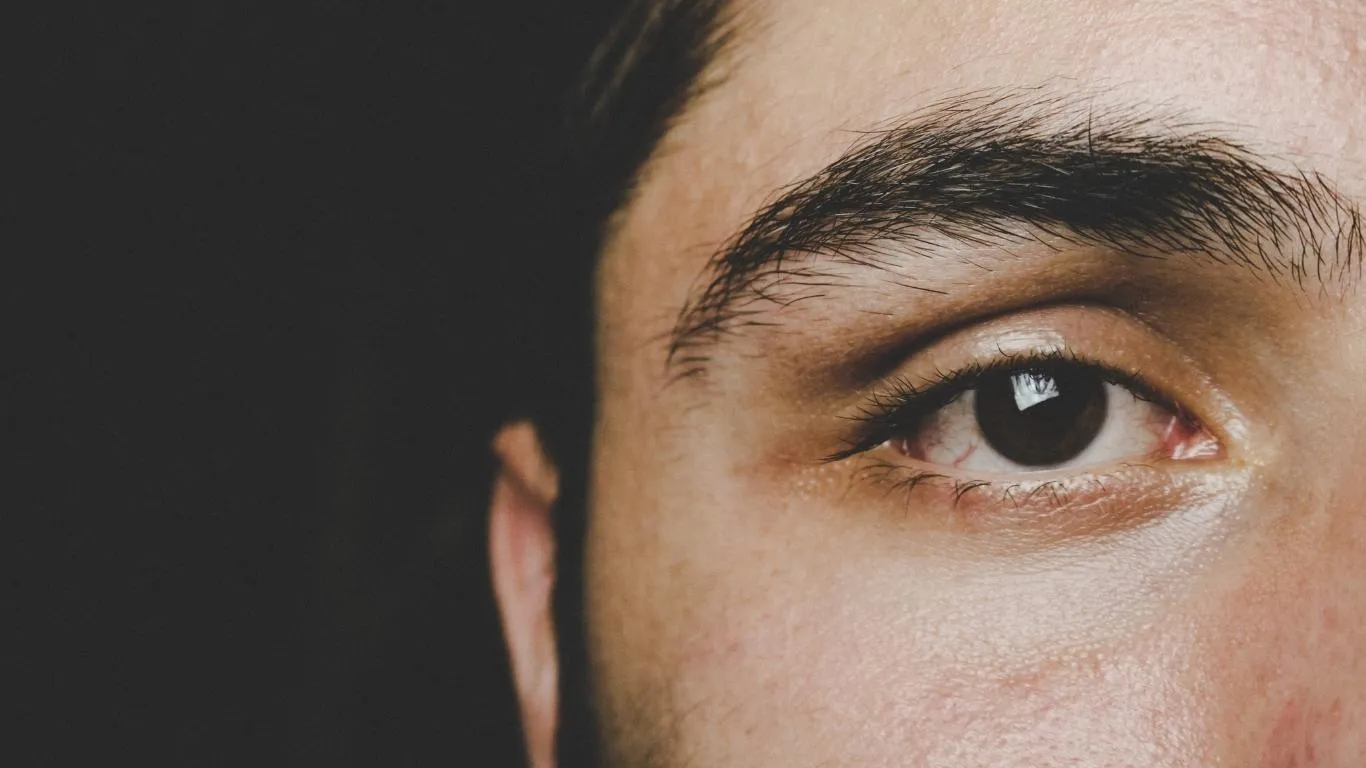
Short answer? It’s not making them worse. You’re just noticing them more. But if they feel more frequent lately, especially in specific conditions like dim lighting or post-screen time, there may be underlying contributors like dehydration or fatigue. Dehydration is a sneaky culprit that not many people link to floaters, but trust me, I’ve tested this—staying well hydrated helped reduce their intrusiveness during meditation sessions.
Another thing I looked into was nutrition. Turns out, lacking nutrients like lutein or omega-3s could be playing a role in how healthy your vitreous is. Here’s a look at some diet tweaks that might help minimize floater impact.
If this whole topic is new to you, it might be helpful to explore the complete breakdown of what floaters are, what causes them, and how to deal with them in more detail. And for a deeper dive into the ways meditation and floaters interact—especially when it gets concerning—start with this trusted guide on how to tell the difference between floaters and other eye issues.
What to Do When Floaters Distract You Every Time You Meditate
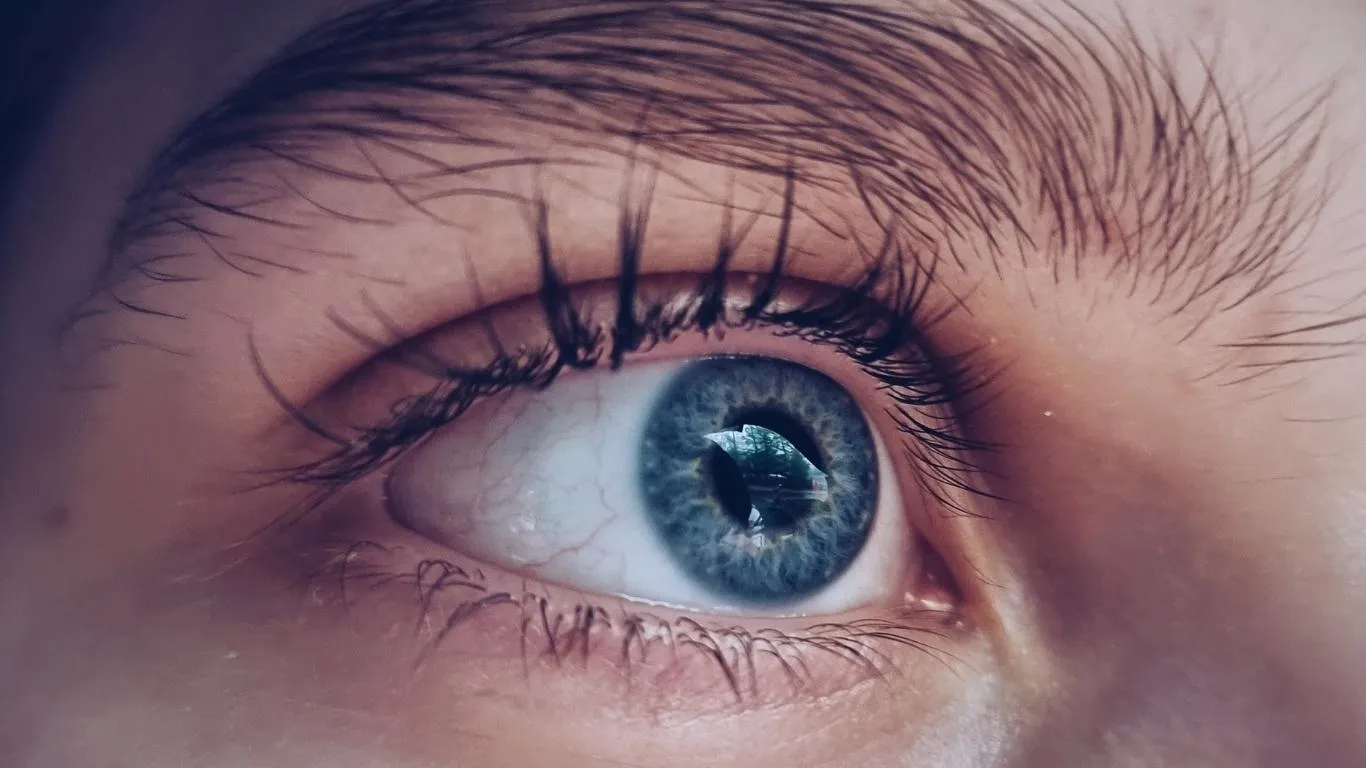
There was a phase where I literally gave up meditation for a while. Every session started with good intentions, but ended with frustration as I found myself tracking floaters across my vision instead of focusing on my breath. If that sounds familiar, you’re not failing at mindfulness—you just haven’t adjusted your approach yet.
One thing that helped me tremendously was changing the visual anchor of the session. Instead of closing my eyes, I began meditating with my gaze soft-focused on a candle or neutral object in the room. This diffused the appearance of floaters while still allowing me to remain centered.
Try These Alternative Meditation Techniques
- Candle gazing (Trataka): Keeps your eyes engaged without strain. Floaters often fade from focus.
- Sound-based meditation: Focus on a mantra, singing bowl, or nature track instead of visual stillness.
- Movement meditation: Tai Chi or slow walking allows mindfulness without prolonged staring or closed eyes.
Changing the method can be just what you need to stay consistent without getting visually overwhelmed. If you’re into breathwork, try pairing it with guided audio instead of total silence.
Can You Reduce Floaters So They’re Less Distracting?
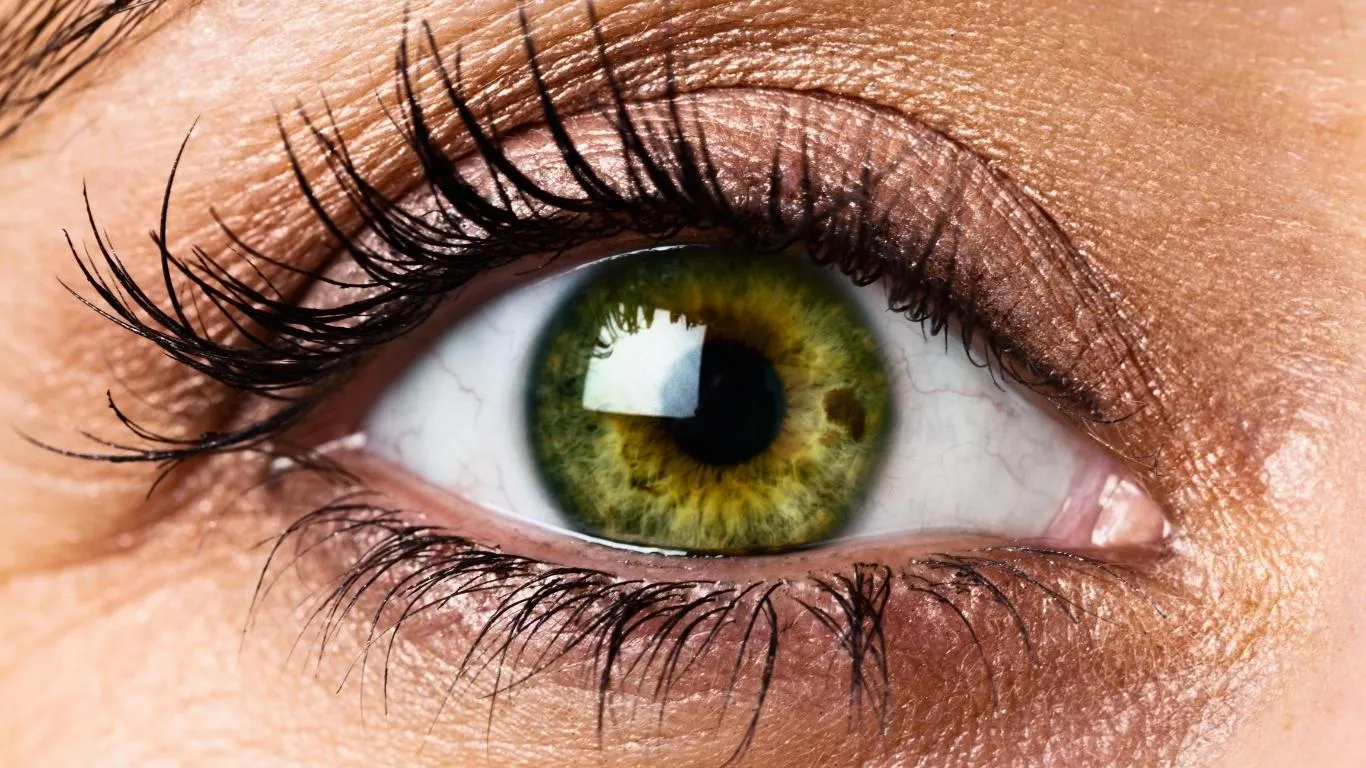
Here’s where it gets practical. No, you can’t blink floaters away or rub them out of your eyes. But you can make lifestyle shifts that seem to reduce how much they interfere with your vision during mindfulness sessions.
- Stay hydrated: Vitreous fluid consistency changes with hydration. I personally notice fewer floaters after a high-water intake day.
- Reduce screen time before meditating: Your eyes need a reset. Try a 15-minute no-screen buffer zone before each session.
- Boost nutrition: Nutrients like omega-3s, lutein, and vitamin C may support eye clarity. Collagen-supporting supplements also show promise.
Some eye specialists argue floaters naturally dissolve over time due to gravity and cellular processes. While that’s encouraging, it’s not exactly helpful when you’re trying to focus on your inner peace and getting bombarded by shadowy swimmers in your visual field.
When Floaters Go From Annoying to Concerning
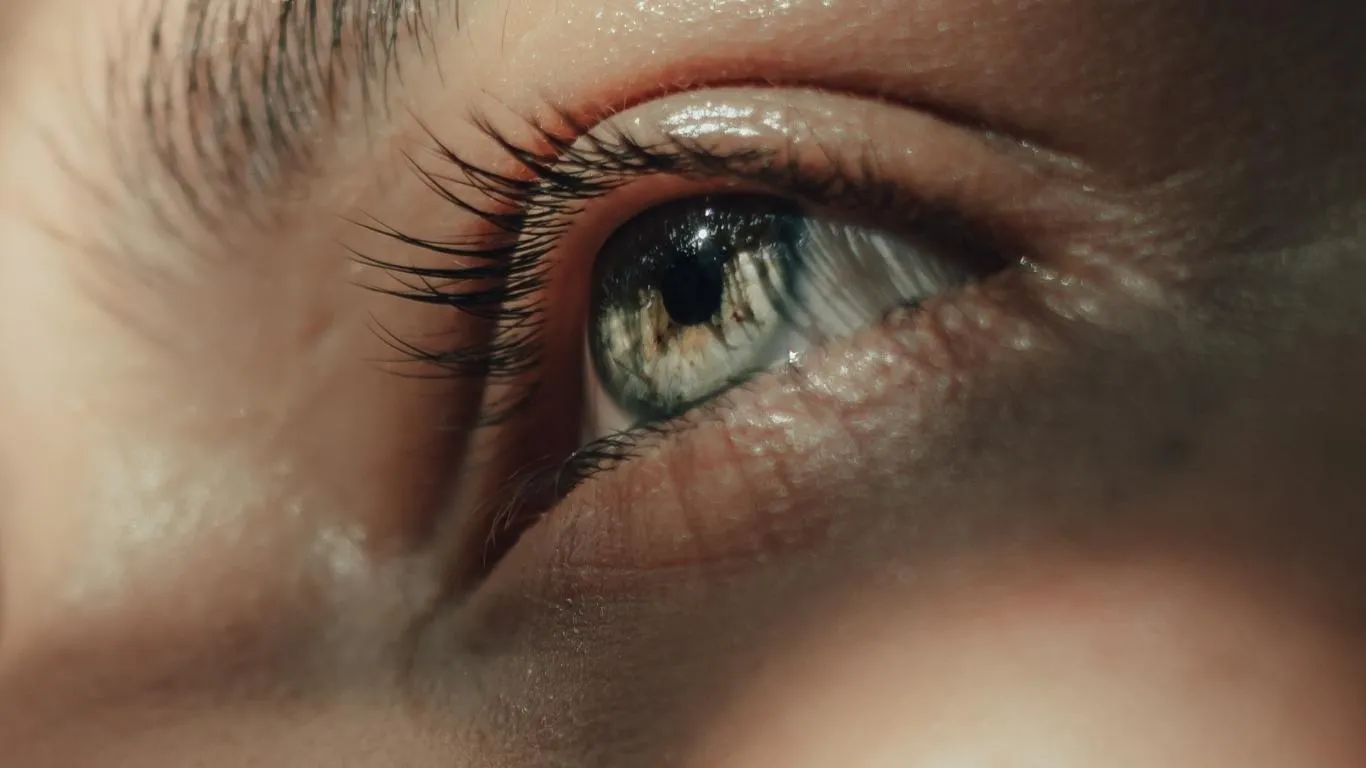
There’s a fine line between “harmless” floaters and something more serious. When in doubt, always check in with an eye care professional. I made that call after noticing a sudden increase in floaters after an intense yoga session followed by silence and stillness—it turned out fine, but it gave me peace of mind.
If you’re ever in doubt, look for these signs:
- Sudden, rapid increase in floaters
- Accompanying flashes of light
- Vision blackouts or “curtain” effect
- Eye pain or discomfort
These aren’t meditation side effects—they’re medical emergencies. Read more about warning signs in this comprehensive guide: Floaters Before Retinal Tear.
Floaters and Stress—A Two-Way Relationship
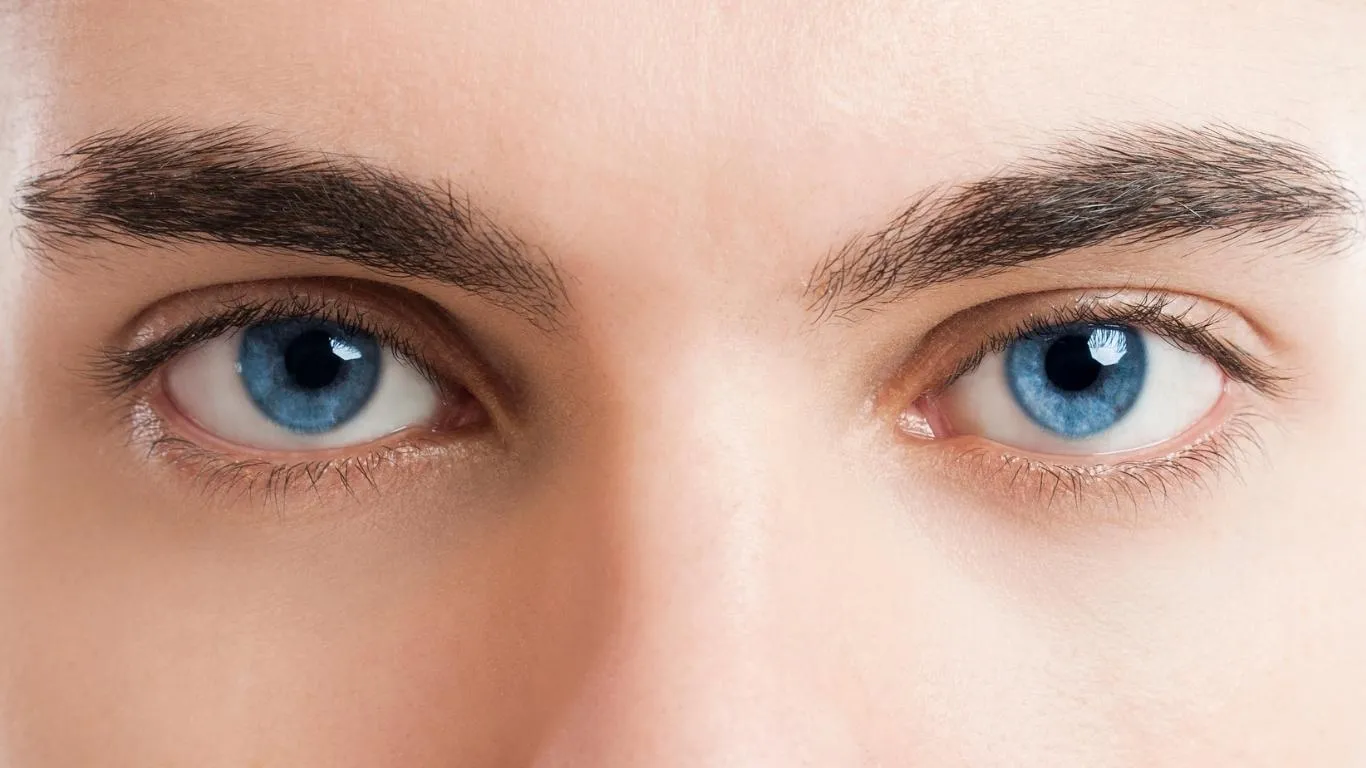
Here’s something that caught me off guard: stress can make floaters feel worse. The more stressed I felt, the more I noticed them—and the more I noticed them, the more frustrated I became. It’s a vicious loop. Turns out, you’re not imagining that connection. Elevated cortisol affects fluid retention, inflammation, and possibly even eye pressure—all things that can affect floater intensity.
If meditation is your chosen stress relief tool, it’s still worth sticking with. You just need to manage expectations and make adjustments. I found shorter sessions—like 5-7 minutes at a time—worked better until my floaters became less mentally dominant. You can also try incorporating these calming practices:
- Gentle yoga with soft lighting
- Mindful journaling post-session
- Alternate nostril breathing (Nadi Shodhana)
For a closer look at this connection, this piece offers real insights: Stress-Induced Eye Floaters Relief.
Why You Might Be Seeing More Floaters Now Than Before
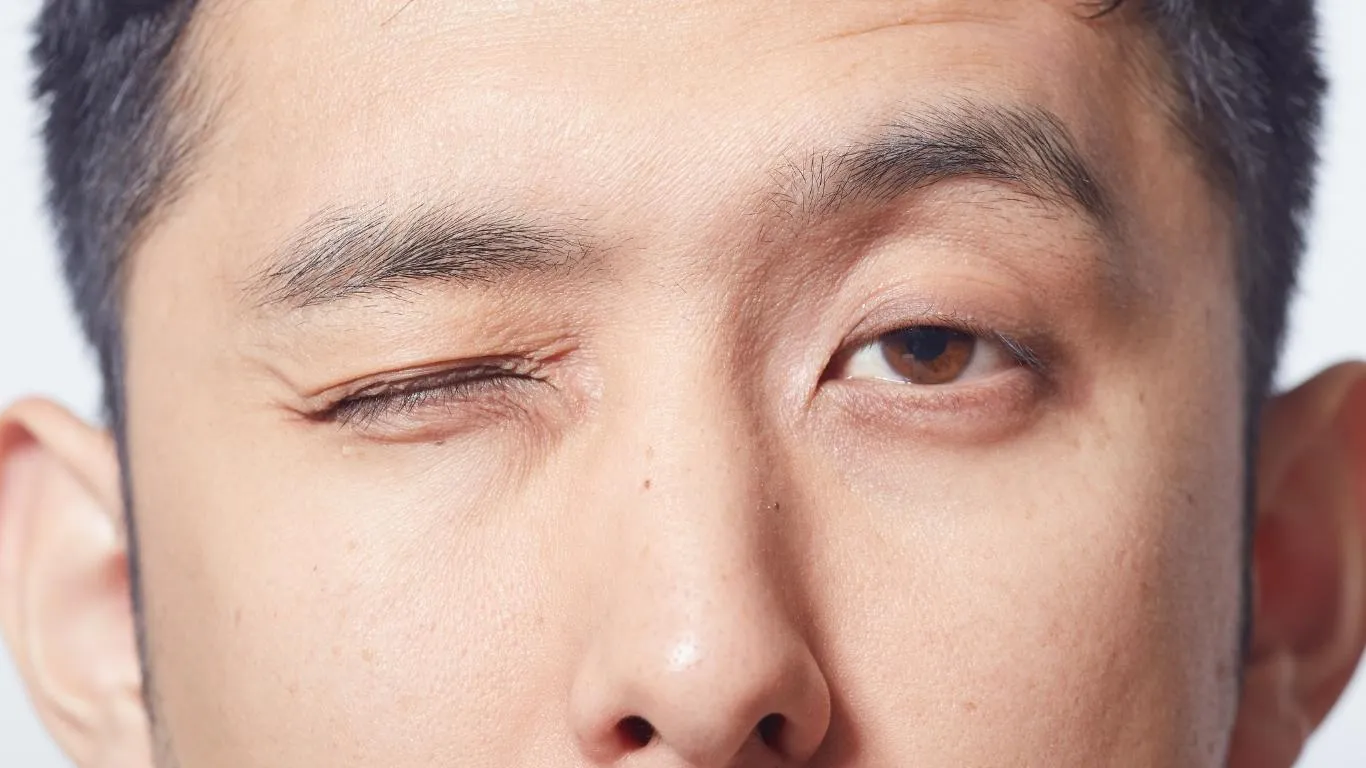
As we age, our vitreous—the jelly-like substance in the eye—begins to shrink and pull away from the retina. This process, known as posterior vitreous detachment (PVD), is incredibly common and often leads to floaters becoming more noticeable. But here’s the catch: you don’t have to be old for it to start.
It’s happening earlier than it used to. More screen time, less sleep, and nutritional imbalances are likely accelerating the process for many of us. If you’re seeing floaters only in quiet or specific environments, you may be catching early signs. For a deep dive into this aging-vitreous link, check out this well-rounded breakdown: Floaters in One Eye vs Both.
What Eye Doctors Actually Say About Meditation and Floaters
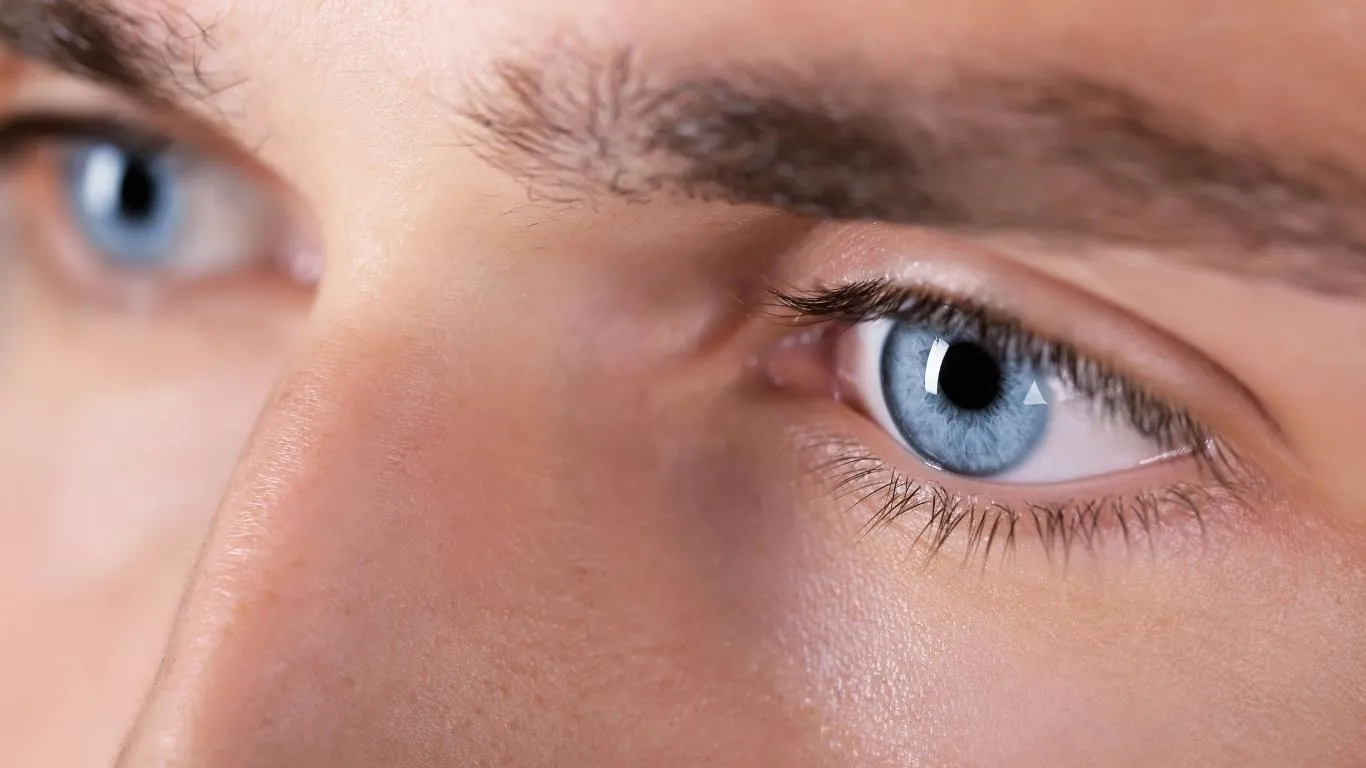
According to professionals from sites like aao.org and clevelandclinic.org, floaters becoming more noticeable during rest or meditation doesn’t automatically point to pathology. But consistent observation is encouraged. Track their appearance—when they increase, what triggers them, whether they change in shape, etc.
If you want to understand the full scope of treatments available—from monitoring to surgical options—this main resource will walk you through it all: Eye Floater Treatment Options. You might find peace of mind in simply knowing what’s possible if they get worse.
And if you haven’t already explored the foundation of what floaters are and why they exist in the first place, the main eye floaters guide gives an excellent overview.

Camellia Wulansari is a dedicated Medical Assistant at a local clinic and a passionate health writer at Healthusias.com. With years of hands-on experience in patient care and a deep interest in preventive medicine, she bridges the gap between clinical knowledge and accessible health information. Camellia specializes in writing about digestive health, chronic conditions like GERD and hypertension, respiratory issues, and autoimmune diseases, aiming to empower readers with practical, easy-to-understand insights. When she’s not assisting patients or writing, you’ll find her enjoying quiet mornings with coffee and a medical journal in hand—or jamming to her favorite metal band, Lamb of God.