Why Floaters During Sunset or Sunrise Light Feel More Noticeable
So, the other day I was jogging just before sunset—those golden hours when everything glows a little more magical—and there it was again. That squiggly shadow floating across my vision like it had a mind of its own. You know what I mean, right? Those annoying little specs or thread-like things that drift around, especially when you’re staring at the bright sky or, in my case, when the sunlight hits just right. Turns out, floaters during sunset or sunrise light are more common than people think. And no, you’re not losing your mind.
Why Do Floaters Get More Noticeable During Sunrise or Sunset?
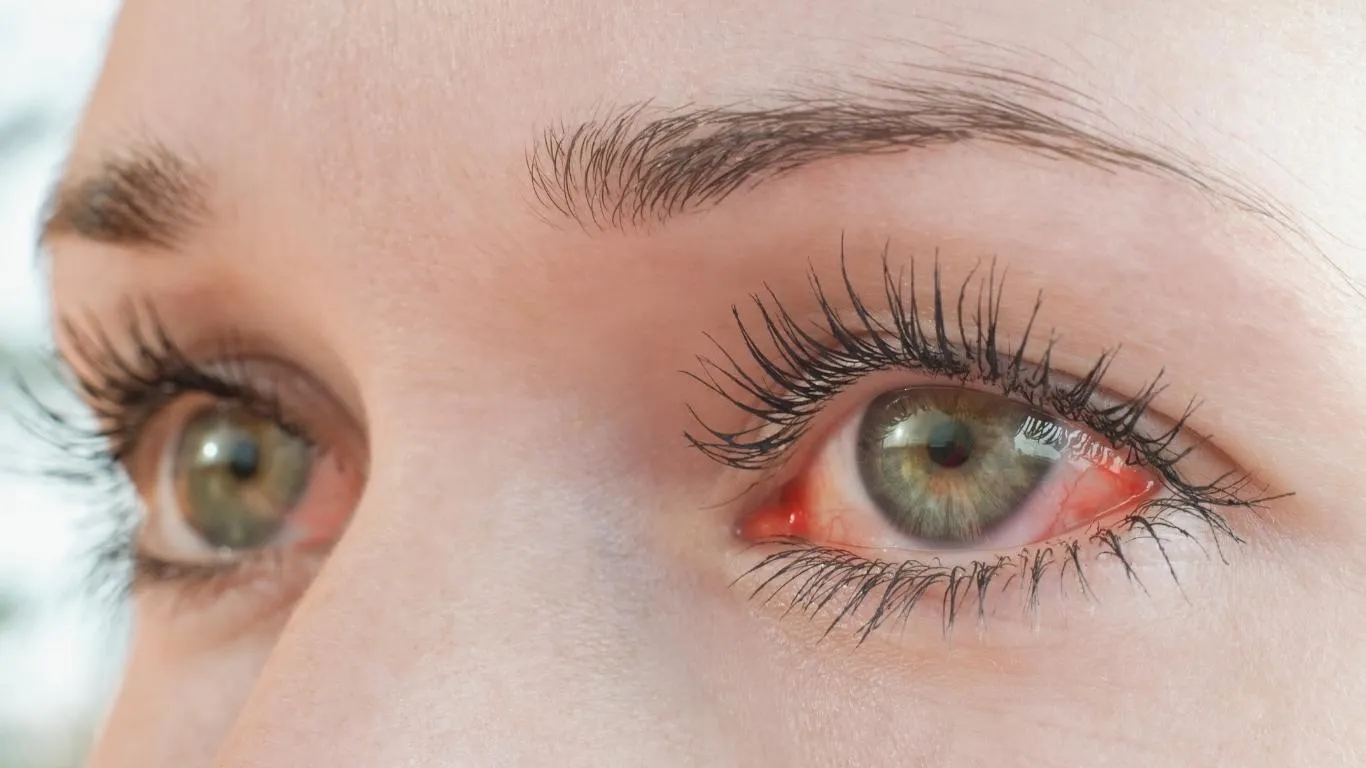
The light during sunrise and sunset is angled in such a way that it floods your eye with soft, golden rays, increasing the contrast between the floaters and the background. Unlike noon light, where brightness is more uniform, the low sun creates the perfect backlight for those little vitreous floaty things to put on a full performance.
Here’s the deal: The floaters aren’t suddenly appearing—they’re just more noticeable. Why? Because the retina gets more light input from those horizontal beams at lower sun angles. This illuminates the vitreous humor differently, making even the faintest specks pop into view like they’re on stage.
It’s Not Just You—It’s the Physics
When I finally talked to my optometrist about this (because I seriously thought I was overthinking), they explained how the human eye processes contrast and scattered light. And during dawn or dusk, the changes in pupil size, retinal light distribution, and even dryness in the eye surface all combine to give those floaters a little extra edge. Think of it like stage lighting—but for your eye’s internal junk.
- Low-angle light highlights suspended particles in the vitreous humor.
- Pupil dilation at lower light intensities increases floater visibility.
- Higher contrast between dark floaters and the golden sky.
Are Floaters Worse at Certain Times of Day?
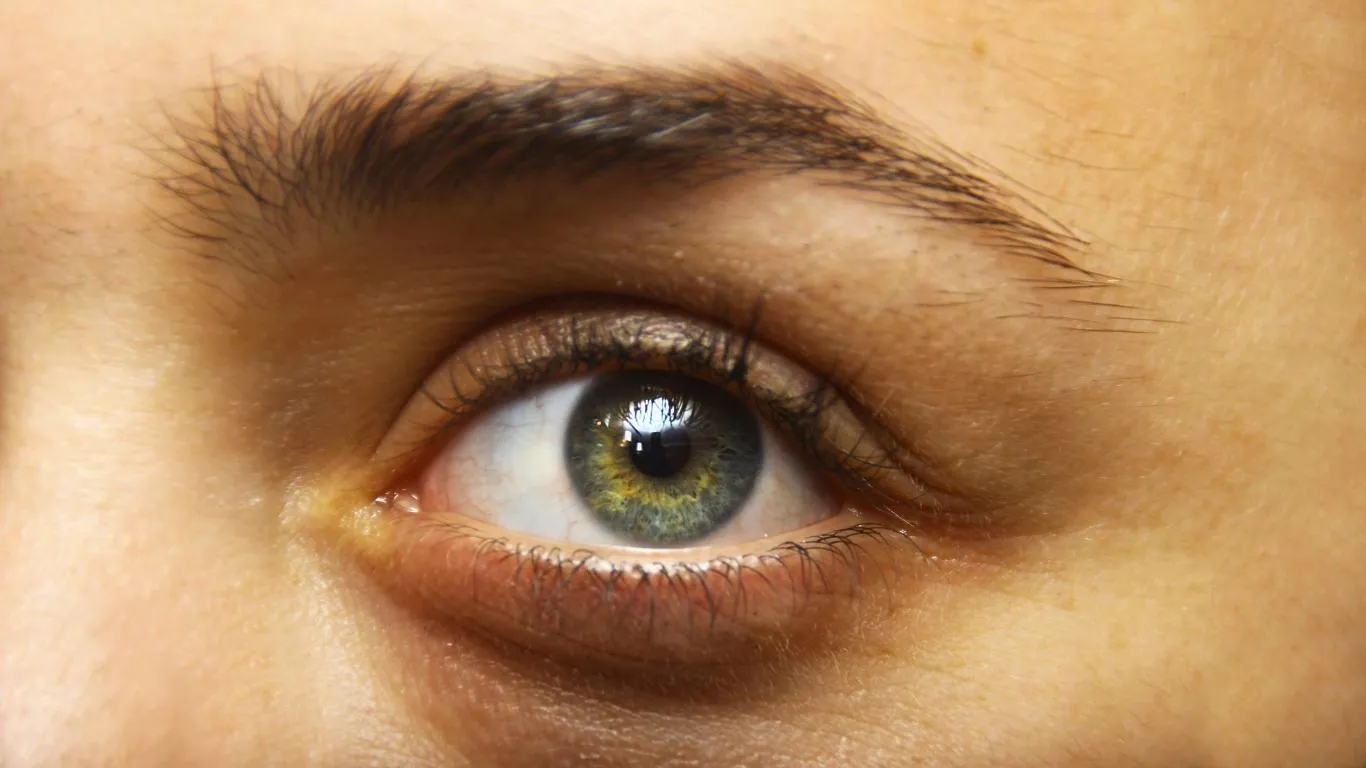
Yup, and sunrise/sunset are prime time. I used to think I was just tired or dehydrated (and okay, sometimes I was), but floaters are very sensitive to lighting changes. Especially those that involve glare or directional light. That’s why you might also notice them when you walk out of a dark building into bright daylight or while working near a big window during golden hour.
For some, it gets particularly intense if you have a large number of floaters or you’ve had cataract surgery—something that affects how light enters the eye and scatters.
Common Triggers That Make Floaters More Noticeable:
- Sunlight coming in at sharp angles
- Dry eye surface from windy or open-air environments
- Changes in vitreous clarity due to age or eye stress
- Looking at bright or white backgrounds
One lesser-known trigger I discovered recently is phone use in the dark. That sudden shift in lighting confuses your eye’s internal environment, making floaters more visible the next morning when you’re staring into a sunrise.
How I Deal with Sunrise Floaters Without Losing My Mind
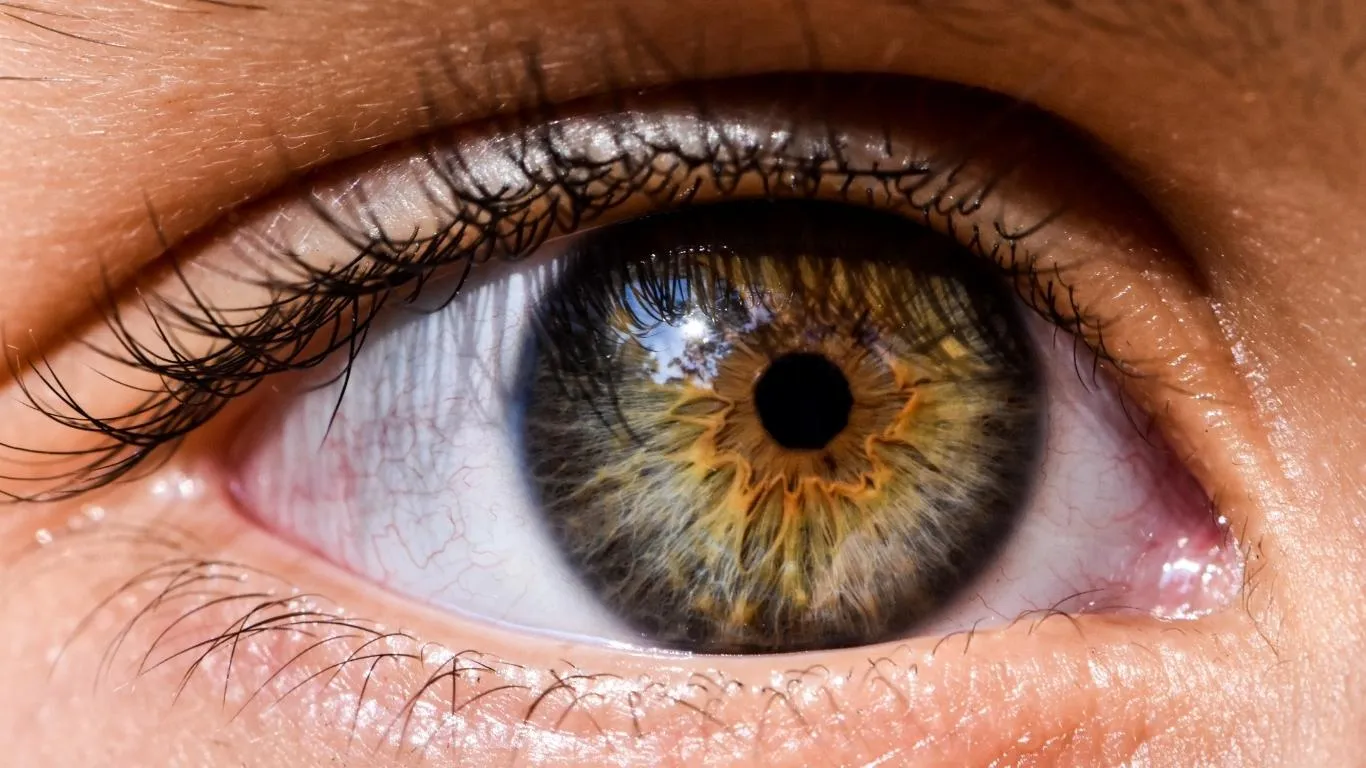
Honestly, I’ve tried a few things that help, especially when I know I’ll be outdoors around dawn or dusk. You can’t eliminate floaters completely (unless you go the surgical route), but there are ways to make them less annoying:
- Polarized sunglasses: These reduce glare and soften contrast, making floaters less harsh to notice.
- Stay hydrated: Dehydration can make eye floaters appear worse. This one hit me hard after a long evening hike with no water bottle.
- Look around slowly: Quick eye movements can stir floaters into view. Gentle tracking reduces that effect.
- Use eye drops: Especially if you’re in windy or dry environments. Keeps the surface of the eye comfortable and reduces scatter light.
Some people I know have benefited from tracking their symptoms and identifying patterns—kind of like a visual diary. Not a bad idea if you’re noticing floaters more consistently in the same lighting conditions. You can also check this guide on how to track floaters effectively.
When Should You Be Concerned?
Okay, here’s the real talk: Most floaters, even the annoying ones during sunrise or sunset, are harmless. But if you suddenly notice a burst of them—especially with flashes of light or vision loss—don’t wait it out. That’s potentially a retinal tear warning sign.
There’s also a condition called posterior vitreous detachment (PVD), which becomes more common after 40. That’s what I had, and my doctor said it’s usually not vision-threatening but still worth watching closely.
For a comprehensive breakdown of floater causes and how they can differ from other eye conditions, check out this guide on floaters vs other eye issues.
Understanding the Science Behind the Shadows
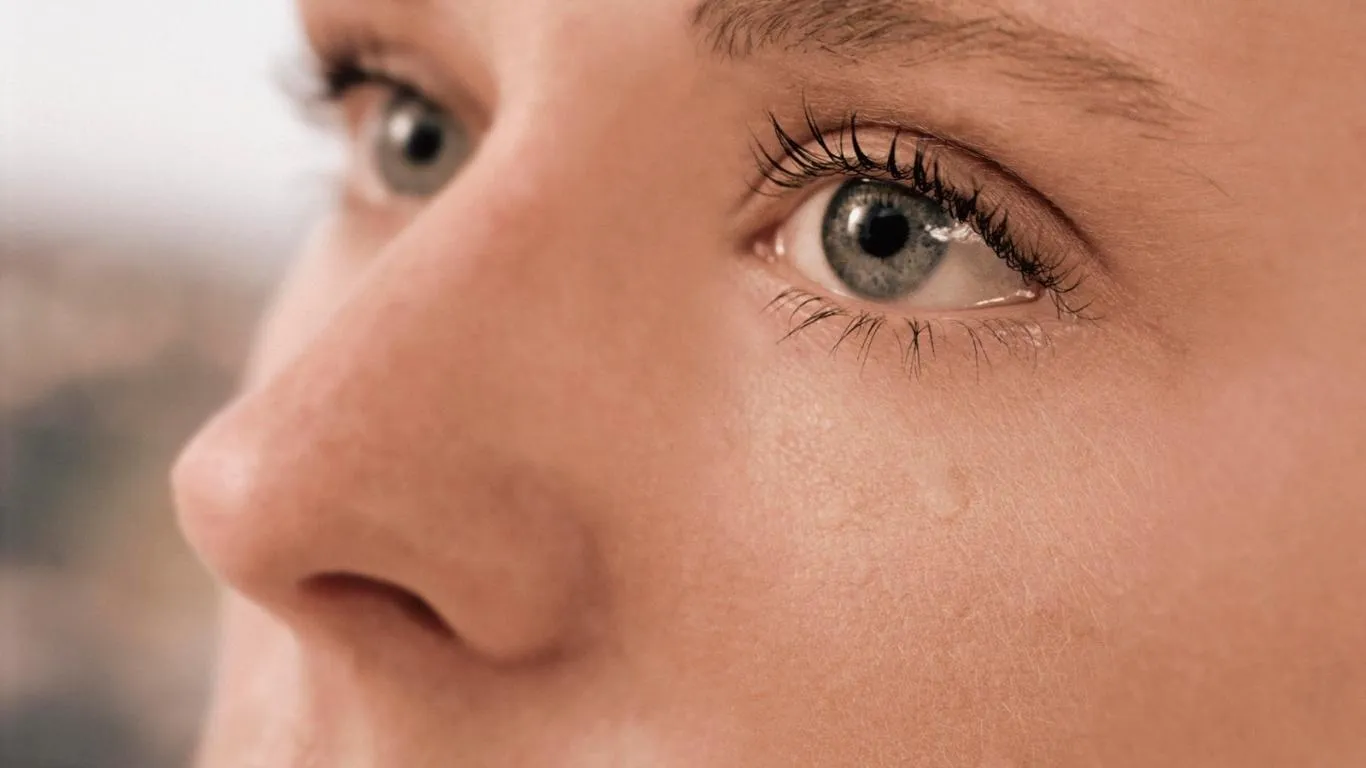
Floaters aren’t just random. They’re made up of collagen fibers or cell debris suspended in the vitreous—the gel-like substance inside your eye. As we age, this gel starts to liquefy, and the fibers clump together. During moments of intense contrast, like watching the sun rise behind a hill or peeking out the window in the early morning, these clumps cast shadows on the retina. Hence, the dance of shadows we call floaters.
This detailed guide is a must-read if you’re curious about the science and treatment options for floaters in general.
Also, don’t miss the deep dive into common floater causes—from aging to injury, it’s all covered in a very digestible way.
Can You Prevent Floaters from Getting Worse in Certain Light?
Honestly, you can’t completely stop floaters from forming—especially if you’re over 30, have myopia like me, or have had any kind of eye trauma or surgery. But what you *can* do is reduce how obvious they are, especially when they feel like they’re having a party in your vision during sunrise or sunset.
Here’s what’s helped me (and might help you too):
- Wear brimmed hats or caps: It sounds simple, but keeping harsh horizontal light out of your direct line of sight works wonders.
- Use anti-reflective lenses: I switched to these in my glasses and instantly noticed fewer floaters making guest appearances in my morning commute.
- Monitor blood sugar and pressure: According to this article, poor circulation and blood pressure swings can affect eye health more than you’d think.
- Quit (or reduce) smoking: Trust me, it’s not just about lungs. Smoking has been shown to worsen floaters by accelerating vitreous degeneration.
And no, this doesn’t mean you need to overhaul your lifestyle overnight—but even tweaking little things can make a noticeable difference.
Don’t Forget Nutrition
Your eyes feed off your bloodstream, so what you eat absolutely matters. I used to snack on salty junk before my evening walks—until I read about how better dietary choices could ease floaters and general eye fatigue. Now I throw in more lutein-rich foods like spinach, and I swear I’ve had fewer floater episodes at sunset since then.
Also worth reading: diabetes-related floaters—a really eye-opening article if blood sugar is part of your health equation.
How Lighting Tricks You into Seeing More Floaters
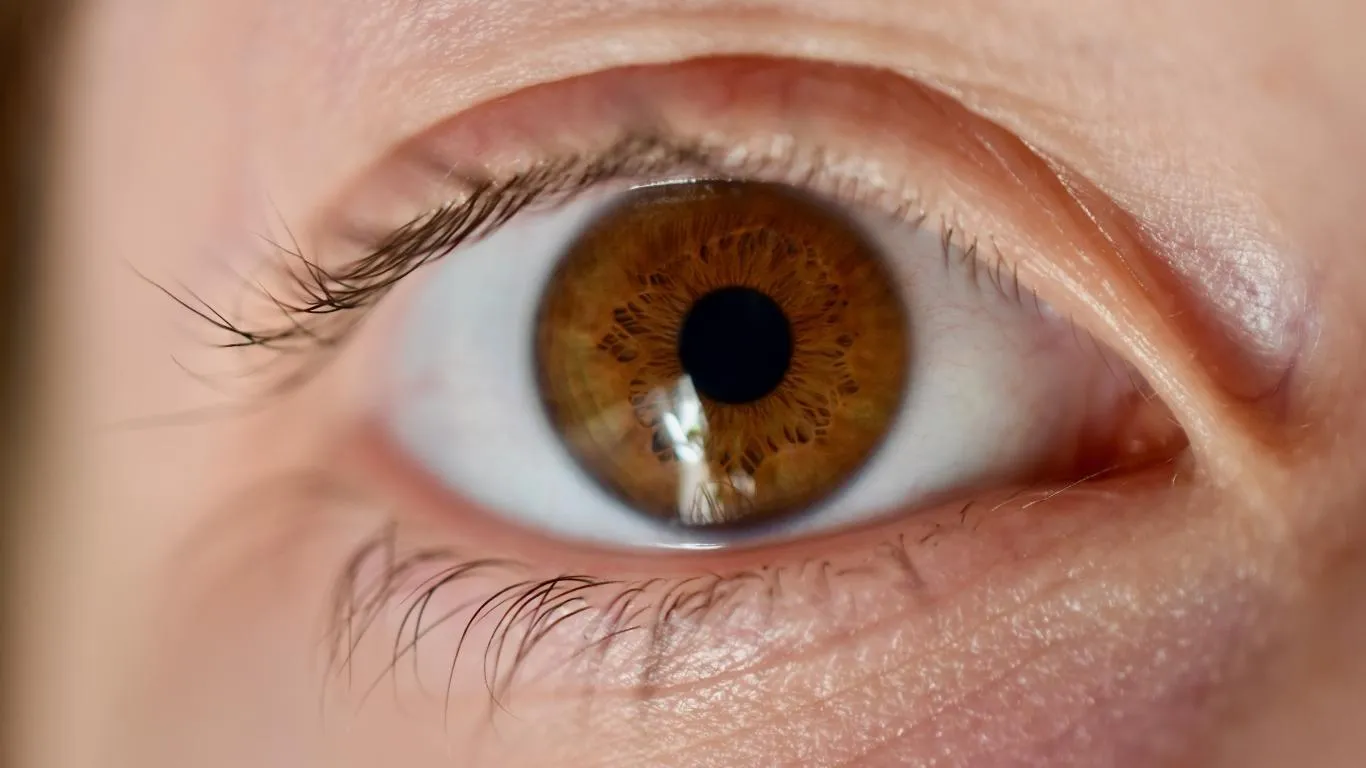
This is the geeky bit—but bear with me because understanding this really helped me feel less paranoid. The problem isn’t always your eyes. It’s how light hits them. When sunlight is low on the horizon, it creates glare, shadow, and contrast patterns your brain doesn’t love. This messes with how it filters “background noise” like floaters.
Kind of like when you walk into a dusty room and suddenly see every little particle floating in a sunbeam—same idea. Floaters are like that dust, and the sunrise or sunset acts as the beam of light that reveals them. Your eyes aren’t making more floaters. They’re just putting them in the spotlight.
Try This Simple Test
Next time you go outside during sunrise, look at a tree silhouette or building outline with the sun behind it. Blink and move your eyes slightly. See those streaks and blobs dancing around? That’s them. But as the sun rises and light evens out, they’ll fade back into the background.
That’s why you rarely notice them in low-light indoor settings unless you’re staring at a bright screen or white wall.
When to Call Your Eye Doctor (Seriously)
Not to be dramatic, but sudden changes in floaters should never be brushed off. I once had a friend who ignored a quick burst of new floaters with flashing lights and ended up with a retinal tear. Thankfully, it was treated in time, but it’s not something you want to wait on.
Red flags to watch for:
- A sudden “shower” of floaters
- Bright flashes of light, especially in peripheral vision
- Loss of part of your vision (like a curtain closing)
- Floaters after eye trauma, like a sports injury
If you’re experiencing floaters that worsen after a change in pressure (like scuba diving or even a long-haul flight), that’s also a good reason to get things checked out.
What Treatments Actually Work?

There’s no magic eye drop to dissolve floaters, unfortunately. But there are options, depending on severity. I considered laser vitreolysis for a while—sounds sci-fi, I know—but decided against it after reading this very helpful piece on treatment options. Sometimes, the best treatment really is observation—at least if your floaters aren’t affecting your daily life too much.
That said, here are some approaches people actually use:
- Laser Vitreolysis: Targets and breaks up larger floaters with light pulses.
- Vitrectomy: More invasive; removes vitreous gel entirely, used in severe cases.
- Nutritional support: Some claim lutein, zeaxanthin, and even omega-3s help (jury’s still out, but I’m giving it a shot).
Also worth noting: Eye infections and even systemic issues can cause or worsen floaters. So it’s not always just age or genetics.
Living with Floaters (and Why It’s Not the End of the World)
Floaters during sunset or sunrise light might feel more dramatic than they are. I used to panic about them. Now, I treat them like background noise—annoying but manageable. It’s about knowing the patterns, working with your environment, and keeping your eye health in check.
Keep an eye on changes, of course, and stay on top of regular checkups. But trust me—once you stop giving them all your attention, they stop being the star of your vision. And that morning jog I mentioned? Still worth it—even with the floaters tagging along for the view.
For a full breakdown on how floaters develop and what signs to never ignore, start with the main eye floaters article on Healthusias. And if you’re concerned about aging, injuries, or triggers like dry eye or allergies, this guide on common causes breaks it down perfectly.

Camellia Wulansari is a dedicated Medical Assistant at a local clinic and a passionate health writer at Healthusias.com. With years of hands-on experience in patient care and a deep interest in preventive medicine, she bridges the gap between clinical knowledge and accessible health information. Camellia specializes in writing about digestive health, chronic conditions like GERD and hypertension, respiratory issues, and autoimmune diseases, aiming to empower readers with practical, easy-to-understand insights. When she’s not assisting patients or writing, you’ll find her enjoying quiet mornings with coffee and a medical journal in hand—or jamming to her favorite metal band, Lamb of God.