Why Floaters Get Worse in Patients With Adrenal Fatigue
I remember waking up one morning with this weird little speck floating across my vision. I blinked. Rubbed my eyes. But it was still there. Just drifting. At first, I thought it was just a piece of dust or a side effect of staring at my phone too long the night before. But then, it kept happening—especially on those days when I was totally burnt out, running on coffee and three hours of sleep. That’s when I stumbled into the rabbit hole of adrenal fatigue and how it might be connected to those annoying eye floaters.
How Adrenal Fatigue Can Mess With Your Eyes
If you’re someone juggling stress, burnout, and hormonal chaos, chances are, your adrenal glands are screaming for help. And here’s the twist—when those little glands underperform, your vision might suffer too. Weird? Absolutely. But let’s break it down.
What’s Really Going On in Adrenal Fatigue?
Adrenal fatigue isn’t officially recognized by every medical institution (cue the controversy), but many functional medicine practitioners and fatigue-stricken folks will tell you: it’s real. Basically, after long-term stress, your adrenals—the glands responsible for pumping out cortisol and adrenaline—start lagging behind. It’s like your internal battery gets permanently stuck on 5%.
- Constant exhaustion
- Brain fog
- Lightheadedness
- Sugar cravings
- Low blood pressure
But what most people don’t realize is how this hormonal spiral can wreak havoc on eye health—specifically, the vitreous fluid in your eyes.
The Floaters Connection: What’s Happening Behind the Scenes
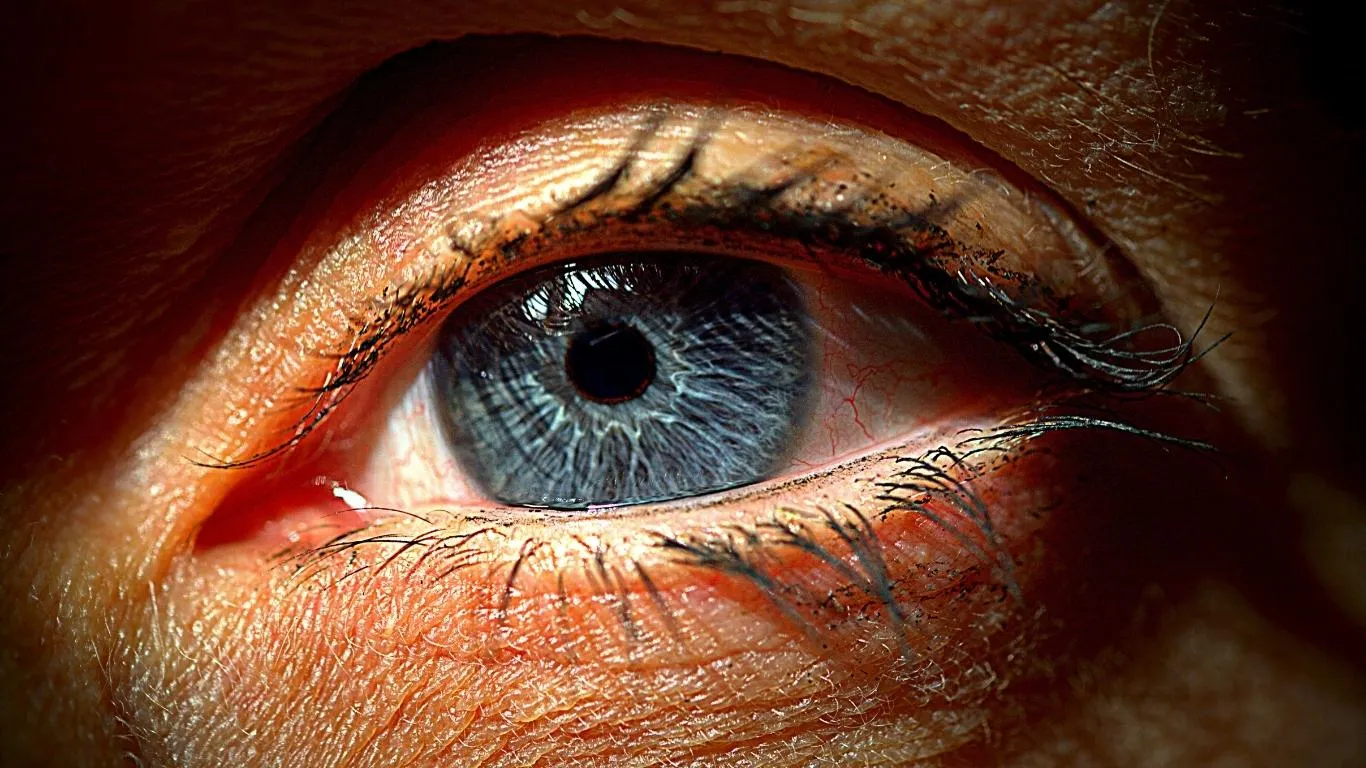
Ever noticed those wiggly, semi-transparent shapes floating around in your vision when you’re staring at a white wall or the sky? Those are floaters. They’re clumps or strands inside the vitreous gel that fills your eye. Now, normally, floaters are common with age. But with adrenal fatigue, things get more… interesting.
Hormonal Stress and the Vitreous Gel
Your adrenal glands help manage your body’s stress response. When they’re sluggish, the hormonal balance shifts—especially cortisol and aldosterone. These two play a role in electrolyte regulation and inflammation, which impacts fluid retention in the eye.
Here’s what might be happening:
- Dehydration: With adrenal fatigue, you’re often dehydrated—either because of low aldosterone or just plain forgetfulness. Dehydration can cause the vitreous gel to shrink, leading to floaters.
- Oxidative stress: Chronic stress increases free radicals, which break down collagen in the eye, contributing to those little floaty specs.
- Inflammation: A stressed-out system is more inflamed. That affects ocular tissues and may trigger or worsen floaters.
And it’s not just a theory—some case studies have observed increased floaters in patients with adrenal burnout symptoms.
Symptoms That Link the Two Together
I noticed the pattern pretty quickly: the more exhausted and wired I felt, the more floaters I saw. Turns out, that’s not just coincidence. If you’re struggling with adrenal fatigue, keep an eye out (literally) for these signs:
- Floaters that increase during stress spikes
- Blurred or foggy peripheral vision during energy crashes
- Sensitivity to bright light or digital screens
- Floaters worse after poor sleep or dehydration
Some people even experience floaters after emotional breakdowns or intense focus periods—which makes sense, considering how tightly linked cortisol is with your visual perception.
What You Can Do (That Actually Helps)
I’ve tested quite a few things—some helped, some were a waste of time (looking at you, random eye drops). Here’s what actually moved the needle:
- Hydration: Basic, but crucial. Electrolyte-balanced water (especially with magnesium and potassium) seems to help reduce the frequency of floaters during adrenal crashes.
- Lower stress load: Meditation, cold showers, or even just turning off notifications made a difference in cortisol spikes—and floaters.
- Supplements: I found relief with antioxidant blends, especially those high in Vitamin C and lutein.
- Sleep hygiene: Rest is like a recharge button for your adrenals. Poor sleep? Expect floaters to show up uninvited the next day.
In more serious cases, some people turn to medical floaters treatment options like vitrectomy or laser therapies, but those are a last resort, and not usually recommended just for floaters triggered by fatigue.
When It Might Be Something More
Most floaters are harmless, but if you suddenly see a burst of them, especially with flashes of light or partial vision loss, that’s a red flag. It could be a retinal tear or something more serious. Adrenal fatigue might be annoying, but it doesn’t cause those extreme symptoms directly. Check out this guide on when floaters become dangerous.
For a complete breakdown of floaters from hormonal and systemic issues, the common causes guide is a helpful reference. And if you’re curious about the overall floater spectrum, check out the main floaters resource from Healthusias.
Want to dive deeper into how your body, vision, and stress levels are all more connected than we thought? You’re not alone—and you’re not imagining it.
Why Floaters Get Worse When You’re Already Burned Out
Here’s something I noticed that blew my mind a little—my floaters weren’t just there randomly. They were practically shouting at me every time I pushed past my limits. After skipping meals, working late, or stressing over deadlines, boom—those squiggly lines would dance across my vision like a warning light.
Turns out, when your cortisol is on a rollercoaster (common with adrenal fatigue), your body doesn’t handle inflammation well. Systemic inflammation impacts every part of your body, including your eyes. Even more, poor circulation can reduce oxygen supply to your retina, potentially worsening visual symptoms.
On top of that, eye fatigue from exhaustion or too much screen time makes floaters more obvious. Especially when the background is light—white walls, digital screens, or bright sunlight? Nightmare fuel.
Do Floaters Move With Fatigue?
Short answer? Yes. Mine would shift positions or become more noticeable the more exhausted I felt. Some mornings they’d be subtle. By afternoon, after meetings and stress, they’d turn into full-blown distractions. If this sounds like you, it’s not in your head. Eye floaters can become more frequent in one eye depending on sleep position or even your dominant side.
Practical Tips That Worked For Me (No Snake Oil)
I tried everything from cutting out caffeine (ouch) to staring at distant trees every 20 minutes. Not everything helped—but here’s what I still do today that makes a noticeable difference:
- Take mini resets during the day: Five minutes away from screens or work stress every hour actually helped my floaters chill out. No joke.
- Use warm compresses at night: It sounds too simple, but this trick helped my tired, dry eyes stay hydrated—and floaters less annoying the next day.
- Balance blood sugar: Skipping meals is a bad idea for adrenal fatigue. I started packing protein-heavy snacks, and the afternoon floater flare-up lessened. Also check this guide on how blood sugar affects floaters.
- Screen filters: Blue light filters actually help reduce visual stress. If you’re sensitive like me, try them during evening hours—it’s a game changer.
Want a left-field tip that worked weirdly well? Post-meditation floaters were less intense when I meditated in low light versus bright rooms. It helped me reset my nervous system and visual perception.
Supplements That Actually Made a Dent
Let me preface this by saying: I’m not a doctor, just someone who tried a lot and tracked what worked. But I did get input from an integrative optometrist who helped me zero in on what my eyes might be missing nutritionally. Here’s what showed the most promise:
- Magnesium: Supports nervous system recovery and reduces adrenal stress load. Also helps with light sensitivity.
- Lutein + Zeaxanthin: Found in the retina, these antioxidants protect against oxidative stress from chronic fatigue.
- Vitamin C: Helps with collagen integrity in the vitreous body. You can read more here.
- Adaptogens (ashwagandha, rhodiola): These didn’t remove floaters, but I swear they helped with the underlying fatigue that made them worse.
One study I came across on ncbi.nlm.nih.gov even suggests that oxidative stress is a key player in vitreous degeneration. Makes sense why antioxidants help.
When Floaters Change Shape or Behavior

Here’s something that surprised me: not all floaters are equal. Sometimes mine would look like faint cobwebs, other times like tiny dark bugs. What’s wild is that shape and size shifts often followed major changes in my stress or sleep cycle.
Some patterns to look for:
- Floaters worse on bright days or after screen-heavy tasks
- Changing from transparent to black dots after emotional episodes
- Appearing in waves during caffeine crashes or post-anxiety
If your floaters are zigzagging, flashing, or suddenly increasing, it’s worth ruling out issues like retinal tears—especially if you’ve had recent trauma or high blood pressure episodes.
Is It Really Adrenal Fatigue—or Something Else?
Let’s be real—not all floaters are adrenal-related. Sometimes, they’re due to normal aging, myopia, past injuries, or even eye surgeries. That’s why it helps to look at the big picture. For instance, if you’ve had eye surgery or an autoimmune condition, the floaters may come from inflammation or vitreous syneresis instead.
But if you’re feeling chronically tired, wired-but-tired, or stuck in stress mode, and you start seeing floaters more often, there’s likely a connection. I found the most comprehensive explanation in this floater and lifestyle guide—it helped connect the dots between lifestyle and vision.
And if you’re just learning about floaters for the first time, bookmark this complete breakdown on symptoms and causes. Super helpful as a baseline.
What Eye Specialists Won’t Always Tell You
I’ll be honest: not every optometrist or ophthalmologist will take you seriously when you mention fatigue and floaters in the same sentence. I had one tell me flat out, “That’s just aging.” But after seeing patterns and tracking symptoms, I knew there was more to it. You don’t have to wait for your floaters to get scary to take action.
Some practitioners are now open to the idea that systemic stress, hormonal imbalance, and adrenal dysfunction can create the perfect storm for visual disturbances. If your specialist dismisses it, don’t be afraid to get a second opinion—or work with someone who looks at the whole body, not just the eyes.

Camellia Wulansari is a dedicated Medical Assistant at a local clinic and a passionate health writer at Healthusias.com. With years of hands-on experience in patient care and a deep interest in preventive medicine, she bridges the gap between clinical knowledge and accessible health information. Camellia specializes in writing about digestive health, chronic conditions like GERD and hypertension, respiratory issues, and autoimmune diseases, aiming to empower readers with practical, easy-to-understand insights. When she’s not assisting patients or writing, you’ll find her enjoying quiet mornings with coffee and a medical journal in hand—or jamming to her favorite metal band, Lamb of God.