Why Floaters Worsen in People Exposed to Dry Indoor Heating
So, there I was in the middle of another dry winter, bundled up like a human burrito, windows shut tight, heater blasting, and boom — those tiny squiggly shadows dancing across my vision made their comeback. Floaters. If you’ve ever stared at a bright wall or a screen only to notice drifting dots, strands, or cobweb shapes, you’re not alone. Especially if your home or office relies on dry indoor heating all winter long. Let’s talk about how indoor heating plays into all this, why some of us notice floaters more in those conditions, and what you might be able to do about it.
What Are Eye Floaters, Really?
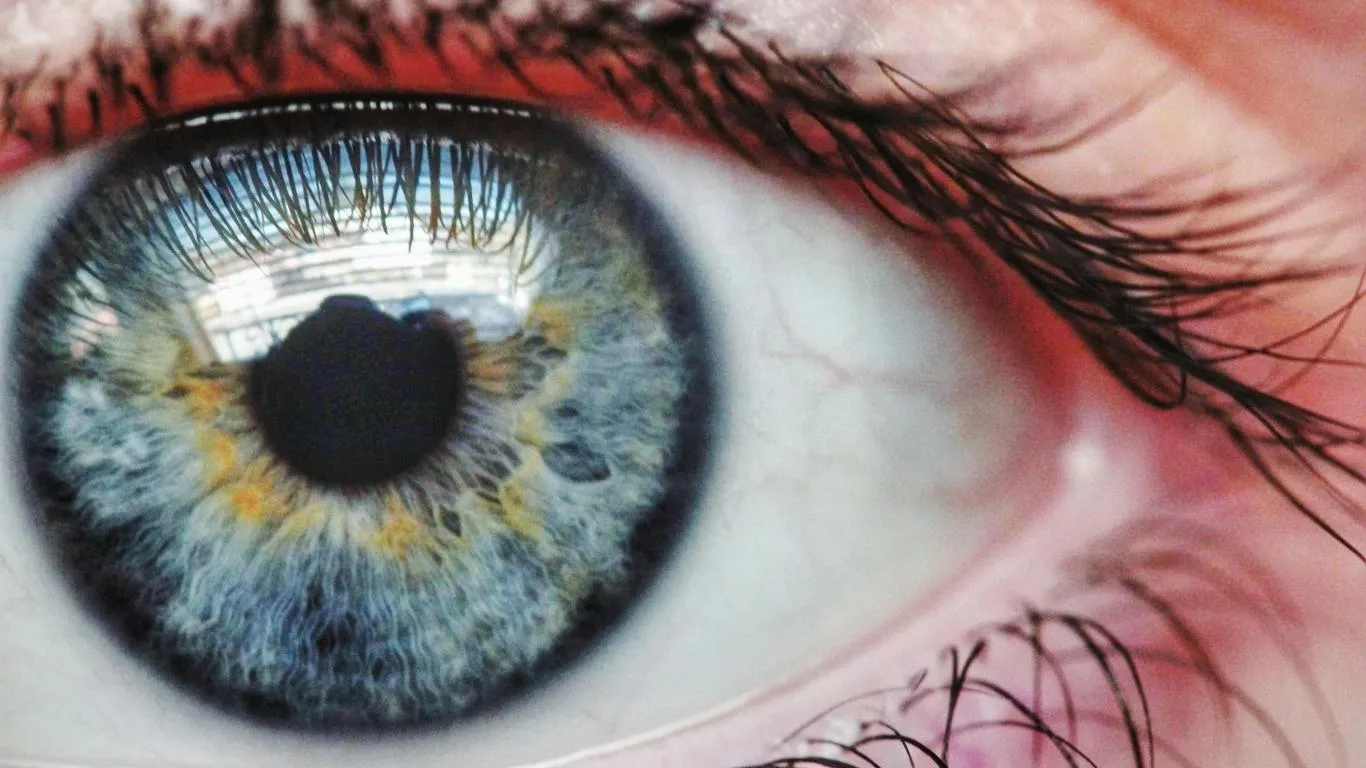
Eye floaters are those odd little shapes you see drifting through your field of vision. They can look like specks, strands, circles, or even web-like squiggles. Most of the time, they’re caused by tiny bits of collagen or gel clumps inside your vitreous — that’s the clear, jelly-like substance that fills your eyeball. As we age, or when our eyes are exposed to certain stressors (yep, like dry heated air), that vitreous starts to shrink and clump, casting shadows on the retina. That’s what we see as floaters.
If you’ve been wondering why your floaters seem to show up more often when the heat’s on and the air is bone-dry, it’s not your imagination. Dry indoor heating environments can create the perfect storm for eye irritation and visual distractions.
Why Floaters May Appear More in Dry Indoor Heating Conditions
Dry Air = Dry Eyes
Let’s start with the basics. Central heating systems — especially forced-air ones — strip moisture from the air. You might not feel it right away, but your eyes definitely do. Dry air depletes your tear film, leaving the surface of your eyes less lubricated. This not only causes irritation and redness but also makes floaters more noticeable. A dry ocular surface can actually magnify the way light scatters around floaters, making them more prominent.
Less Blinking Indoors
Funny enough, when we’re inside with the heat on, watching TV, reading on tablets, or working from a screen, we blink less. Way less. That reduced blinking rate doesn’t help your eyes stay hydrated. And with that dryness, again, comes increased floater visibility. If you’ve ever noticed floaters more while staring at your phone in a warm room, you’re not imagining it. That’s a real thing, and it’s something I’ve personally had to manage during long writing sessions.
Light Contrast in Heated Rooms
Another strange but true phenomenon — floaters tend to stand out more in bright, evenly lit rooms. Heated environments often mean closed curtains and artificial lighting, which can create high-contrast conditions that make floaters jump out. This is especially true if you’re looking at a white wall or a bright screen. Combine that with eye dryness, and your brain’s like, “Hey, what are all these floating specs?”
How to Manage or Reduce Floaters When You Can’t Avoid Dry Indoor Heat

1. Use a Humidifier
This one’s been a game-changer in my winter routine. Keeping the indoor humidity level between 40-50% helps prevent your eyes (and your skin) from drying out. Bonus: houseplants love it too.
2. Stay Hydrated
Dry eyes start from the inside out. If your body’s dehydrated, your eyes are more likely to feel the burn. Sip water regularly — and don’t count that extra coffee as hydration. It doesn’t work that way, sadly.
3. Blink More Consciously
When you’re bingeing Netflix or replying to a work email, remind yourself to blink. Set screen-time breaks and consider apps that prompt you to rest your eyes. Sounds silly, but your tear film (and floaters) will thank you.
4. Add Omega-3s to Your Diet
Several studies suggest that omega-3 fatty acids can help improve overall eye health and reduce dry eye symptoms. I started taking fish oil capsules a few winters ago, and while it didn’t make my floaters vanish, it did reduce that gritty, tired-eye feeling I used to get at night.
5. Try Eye Drops — but Choose Wisely
Not all eye drops are created equal. Artificial tears without preservatives are usually your best bet. Avoid anything that claims to “get the red out” — they tend to make things worse over time.
For more insight into how eye dryness can make floaters more noticeable, check out this article on dry eyes and floaters. It breaks it down even further.
When Should You Actually Worry About Floaters?

Most of the time, floaters are annoying but harmless. That said, if you suddenly see a lot more of them, or they’re accompanied by flashes of light, shadows in your peripheral vision, or any kind of vision loss, don’t wait it out. That can be a sign of a retinal tear or detachment — both of which need immediate medical attention. Learn more about when floaters are actually dangerous.
And yeah, this isn’t just random internet advice. I had a friend ignore a sudden burst of floaters after a long flight, and it turned out to be the early stages of a retinal detachment. He caught it just in time, but it was a wake-up call for both of us.
Understanding the Root Causes Helps
If dry heated air is just one piece of your floater puzzle, it might help to understand other common contributors too — like aging, trauma, or certain medications. I highly recommend diving into this breakdown of common causes of floaters. It’s clear, easy to digest, and surprisingly eye-opening.
And for a more complete understanding of eye floaters — from what they are to how they’re treated — this comprehensive guide on what causes eye floaters and how to manage them is worth bookmarking. It’s one of the best rundowns I’ve found, especially if you’re trying to connect the dots between symptoms and potential treatment paths.
External references like American Academy of Ophthalmology, NCBI, and CDC offer authoritative insight on floaters and ocular health if you’re digging deeper into the science behind all this.
Can Dry Indoor Air Actually Worsen Existing Eye Floaters?
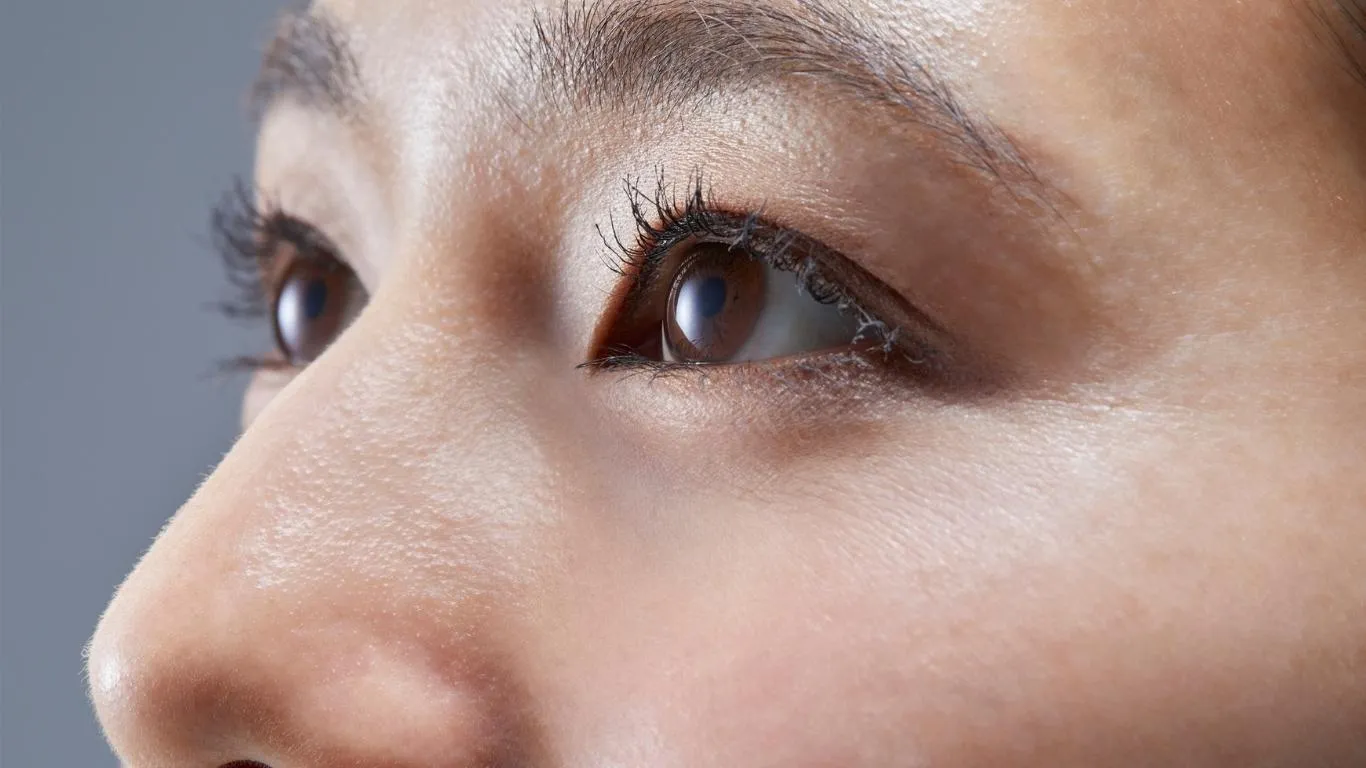
Absolutely — and I say that from personal experience. For years, I chalked up my winter floaters to coincidence. But after tracking patterns, it became pretty obvious: whenever the heat cranked up and the indoor humidity dropped, the floaters not only reappeared but became more distracting. It’s not just that dry air creates new floaters — it’s more about how dry eyes interact with existing ones.
When your tear film is compromised due to dry air, the optical environment of the eye changes. That thin layer of moisture helps smooth out your vision. Take it away, and light starts bouncing around floaters in unpredictable ways, making them look darker, bigger, or just plain more annoying. And if you’re someone already dealing with vitreous degeneration, these effects can feel amplified.
In fact, some reports suggest dry eye syndrome may make existing floaters appear worse due to ocular surface inflammation. That means your eyes are irritated — not necessarily from the floaters themselves, but from being dried out, and your perception of floaters becomes more intense as a result.
What I’ve Tried — and What’s Actually Helped
I’ve gone through all kinds of hacks and routines over the years trying to dial down my floater visibility during winter. Some things helped. Others, not so much. Here’s what made a noticeable difference:
- Switching from Forced-Air Heating to Infrared Panels: Okay, this one was a big leap, but it worked. Infrared panels don’t dry out the air as much, and I noticed less floater distraction during peak winter.
- Daily Use of Preservative-Free Artificial Tears: I didn’t believe in eye drops until I found the right kind. One in the morning, one midday — it seriously cut down the gritty-eye sensation and the high contrast glare that made floaters pop out.
- Blue Light Filters: I used to think floaters were worse on screens because of brightness. Turns out, blue light plays a role in eye strain too. After adding a blue light filter on my laptop and switching to warmer tones at night, I noticed a measurable decrease in floater visibility.
For those who struggle with floaters under artificial lighting, this guide explains why some light conditions make them worse. It even helped me adjust my home setup to something much more eye-friendly.
What Science Says About Floaters and Environmental Triggers
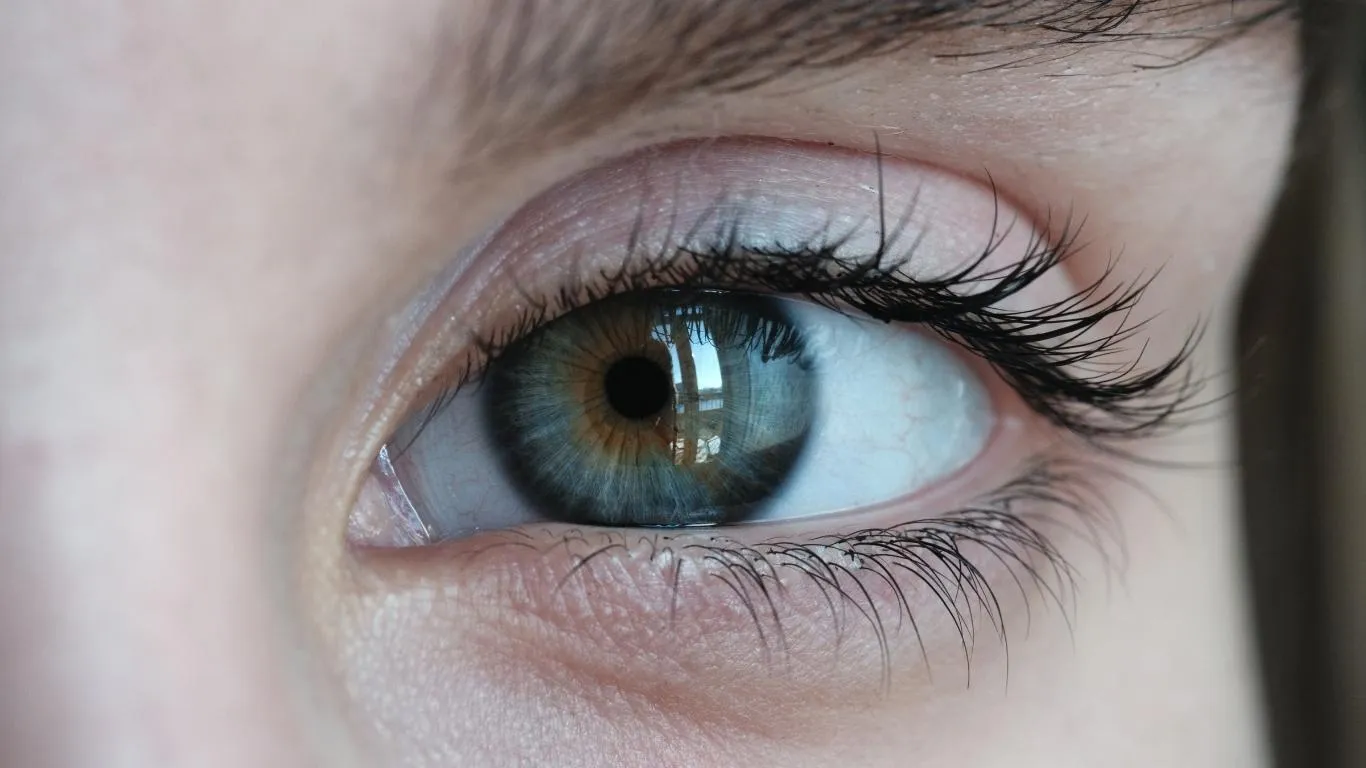
There’s growing recognition in the ophthalmology field that environmental factors like low humidity, bright indoor lighting, and high screen time can make floaters more pronounced. While these elements don’t cause floaters directly, they do affect how we perceive them.
Researchers at NCBI have explored the role of ocular surface hydration in optical clarity. Their findings suggest that eyes exposed to continuous low-humidity environments tend to develop more visual disturbances, even if the underlying vitreous remains unchanged. It’s all about perception and how dryness exaggerates those shadows and floaty bits.
Meanwhile, experts from the American Academy of Ophthalmology note that while floaters are mostly benign, sudden changes — especially when triggered by environmental stress — shouldn’t be ignored. This is especially true if accompanied by pressure, pain, or peripheral shadows.
Common Myths People (Still) Believe About Floaters and Dryness

- “Dry air causes floaters.” — Not quite. It makes existing ones more visible, but floaters form inside your eye, not on the surface.
- “If floaters go away in the summer, they’re not real.” — They’re very real. You’re just not seeing them as often because higher humidity helps reduce irritation and glare.
- “There’s nothing you can do.” — Also not true. You might not erase them, but managing the indoor environment can make a big difference in comfort and visibility.
If you’ve been dealing with unexplained floater flare-ups during the colder months, check out why floaters seem worse in certain lighting and morning conditions. That post helped me connect the dots between light, humidity, and how I slept — stuff I never would’ve linked to floaters before.
When Floaters Interfere with Daily Life
Most people can ignore floaters, but if they begin to impact your ability to read, work, or just feel comfortable in your own head, it might be time to look at treatment options. For some, observation is enough. For others, laser vitreolysis or even surgery (vitrectomy) could be considered.
Before jumping to invasive options, it’s always worth reading up on eye floater treatments from mild to surgical. It offers a full breakdown of when it makes sense to consider treatment and what the risks actually are.
And if you’re still trying to make sense of what’s “normal” floater behavior and what isn’t, this complete guide to causes and symptoms is a solid reference point.
There’s no one-size-fits-all solution, but if you live in a dry climate or spend winters surrounded by artificial heat, don’t underestimate how much your environment affects your eyes. Small changes go a long way.

Camellia Wulansari is a dedicated Medical Assistant at a local clinic and a passionate health writer at Healthusias.com. With years of hands-on experience in patient care and a deep interest in preventive medicine, she bridges the gap between clinical knowledge and accessible health information. Camellia specializes in writing about digestive health, chronic conditions like GERD and hypertension, respiratory issues, and autoimmune diseases, aiming to empower readers with practical, easy-to-understand insights. When she’s not assisting patients or writing, you’ll find her enjoying quiet mornings with coffee and a medical journal in hand—or jamming to her favorite metal band, Lamb of God.