Why Floaters Get Worse In People With Low Eye Blinking Rate
You ever stare at your screen for hours—work, doom-scrolling, streaming—then suddenly catch something floating in your vision? Like a shadow or a thread that disappears the moment you try to focus on it? If your blink rate is lower than average (yup, happens more than you think), those annoying little floaters can become front and center. And honestly, as someone who edits late into the night with coffee in one hand and barely a blink to spare, I’ve noticed these floaters get more frequent, more visible, and way more distracting. Let’s break down why your blink habits might be part of the problem.
What Are Eye Floaters, Really?

Floaters are tiny clumps or strands inside the vitreous—the clear gel-like fluid in your eye. They cast shadows on the retina, which is why you see them dancing around. Common descriptions include cobwebs, squiggly lines, translucent circles, or dust-like particles. If you’ve experienced them only after blinking less while glued to screens, you’re not alone.
While aging is a primary cause, floaters can also be amplified by habits like infrequent blinking. That’s right—your Netflix marathon or editing session may not be as harmless as it feels.
Why Blinking Matters More Than You Think
Blinking isn’t just an automatic reflex; it’s essential eye maintenance. Each blink spreads tears evenly across the surface of the eye, keeping it lubricated and nourished. On average, we blink about 15–20 times per minute. But when you’re staring at screens? That number can plummet to just 5 blinks per minute or less.
So, what happens when you blink less? You dry out your eyes. And dry eyes can make floaters more noticeable. The contrast between the dehydrated tear film and the floating particles sharpens their visibility, especially in bright environments like a white Word document or a sunlit screen.
Here’s the kicker:
- Low blinking = Dry eyes
- Dry eyes = Reduced contrast tolerance
- Reduced tolerance = More noticeable floaters
That nagging floater that was barely visible before? It now feels like it’s putting on a light show.
My Experience: From “Eh” to “What the heck is that?”
I didn’t even notice my blink rate until I started editing video full-time. After hours of staring, I’d get this jellyfish-shaped floater sliding around whenever I glanced at something bright. I tried rubbing my eyes (big mistake), and drinking more water (helpful, but not enough). Eventually, I stumbled upon this piece on floaters after long screen use that honestly hit a little too close to home.
Turns out, low blinking doesn’t just make floaters more visible—it may also contribute to more floaters developing over time due to chronic dryness, inflammation, and vitreous degeneration.
Is There a Science-Backed Link?
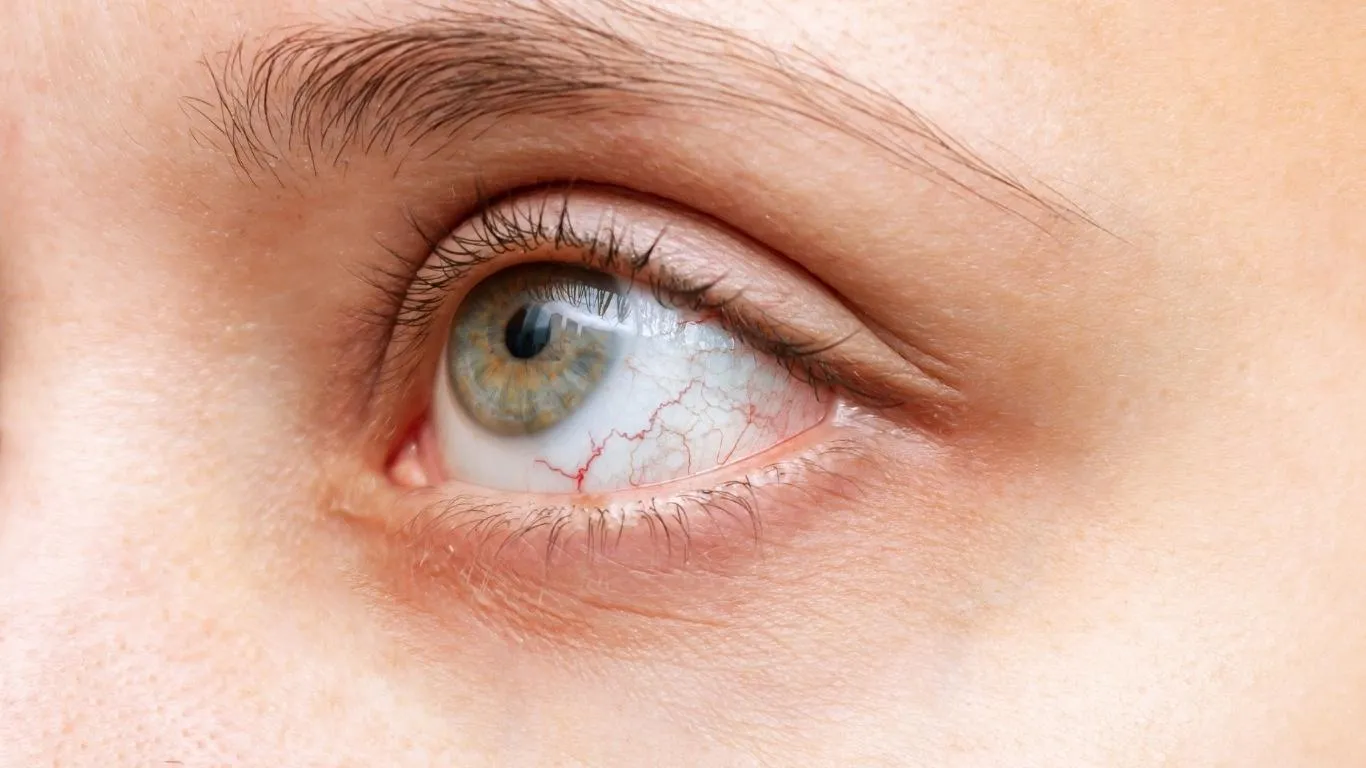
There isn’t a flood of research that screams “low blinking causes floaters,” but ophthalmologists have acknowledged how chronic eye dryness and inflammation contribute to vitreous deterioration. According to American Academy of Ophthalmology, dry eye syndrome is a significant factor in various visual disturbances. And when your tear film is compromised, floaters can appear sharper, more mobile, and downright frustrating.
Some newer literature, like research compiled on NCBI, highlights that prolonged visual tasks reduce blink rates, resulting in increased ocular surface stress. Combine that with age or myopia, and you’ve got a recipe for visual static that never quite goes away.
Still skeptical?
Check out how dry eye syndrome affects floaters to see how interconnected this all really is.
Who’s Most at Risk?
Floaters due to low blink rate tend to creep up on:
- Remote workers glued to their monitors (guilty).
- Gamers who rarely blink during high-focus sessions.
- Coders and editors—intensely focused, often in dark rooms.
- People with dry eye syndrome or existing refractive issues.
Basically, if your screen time is higher than your step count, you’re in the club.
And no, floaters aren’t just an “old people thing.” I’m in my 30s, and I’ve already noticed a pattern: more time on-screen = more floaters making uninvited appearances.
Can Low Blinking Cause Long-Term Eye Changes?
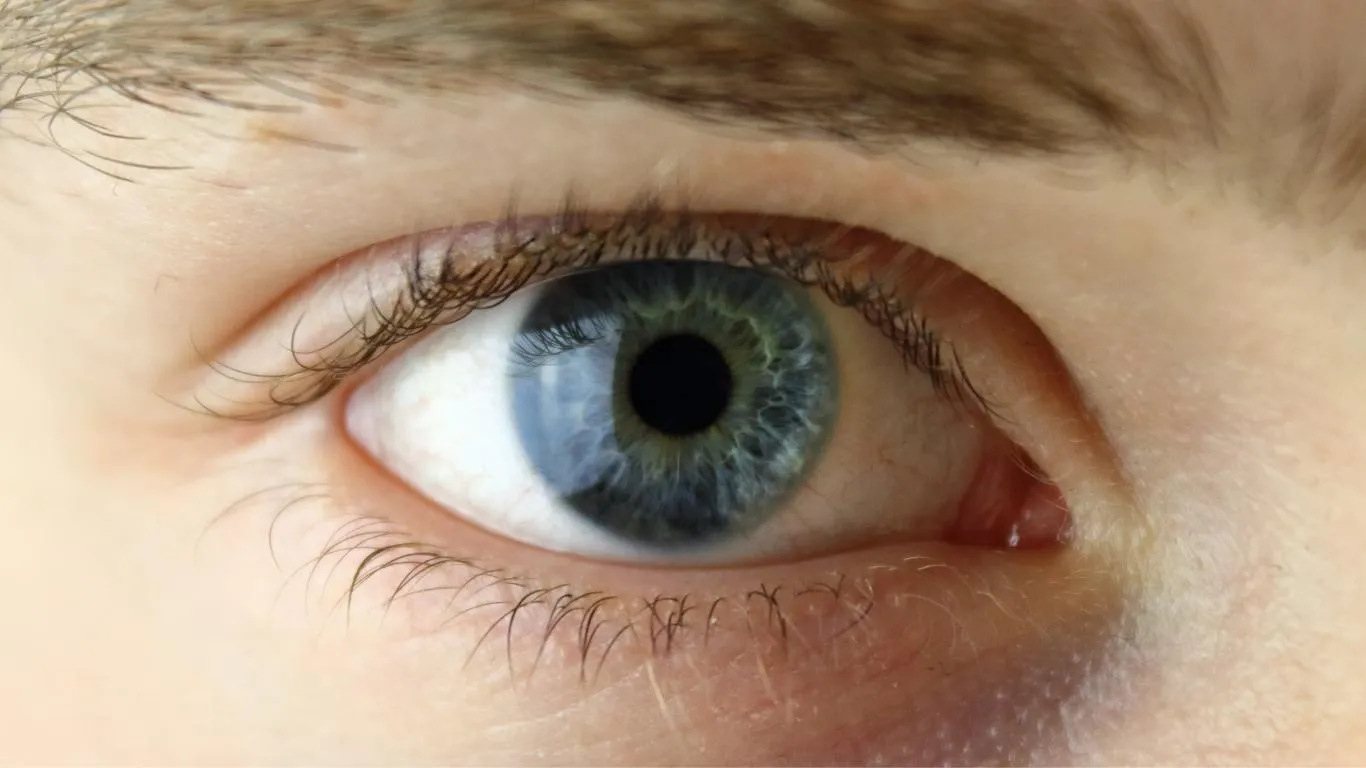
Maybe. While occasional floaters are common and mostly harmless, the combination of dry eyes and poor blinking habits may contribute to chronic floaters, especially when you’re already dealing with high myopia, hormonal changes, or collagen degradation. Vitreous syneresis—the slow breakdown of the eye’s gel—can accelerate under oxidative stress, and yep, dryness adds to that stress.
Here’s an excellent breakdown on vitreous syneresis and floaters.
And if you’re worried whether that shadow in your eye could be something else, it might help to read about the differences between floaters and other eye problems that can mimic them.
So, What Can You Actually Do?
It’s not hopeless. Managing your blink rate and hydrating your eyes can make a significant difference.
Quick fixes I swear by:
- 20-20-20 rule: Every 20 minutes, look at something 20 feet away for 20 seconds.
- Deliberate blinking every few minutes. Yes, even force-blinks help.
- Use preservative-free artificial tears during heavy screen time.
- Eye yoga or palming—don’t knock it till you try it.
But the deeper insight into managing floaters lies in understanding all potential triggers, not just blinking. You can explore more comprehensive strategies in this complete guide on floater treatments, which I’ve referred to when mine got extra annoying.
For the bigger picture on what causes these pesky floaters, especially in the context of eye health in general, you’ll want to check out this overview from our main guide on floaters, symptoms, and treatment.
Advanced Causes Behind Floaters and Low Blink Rate
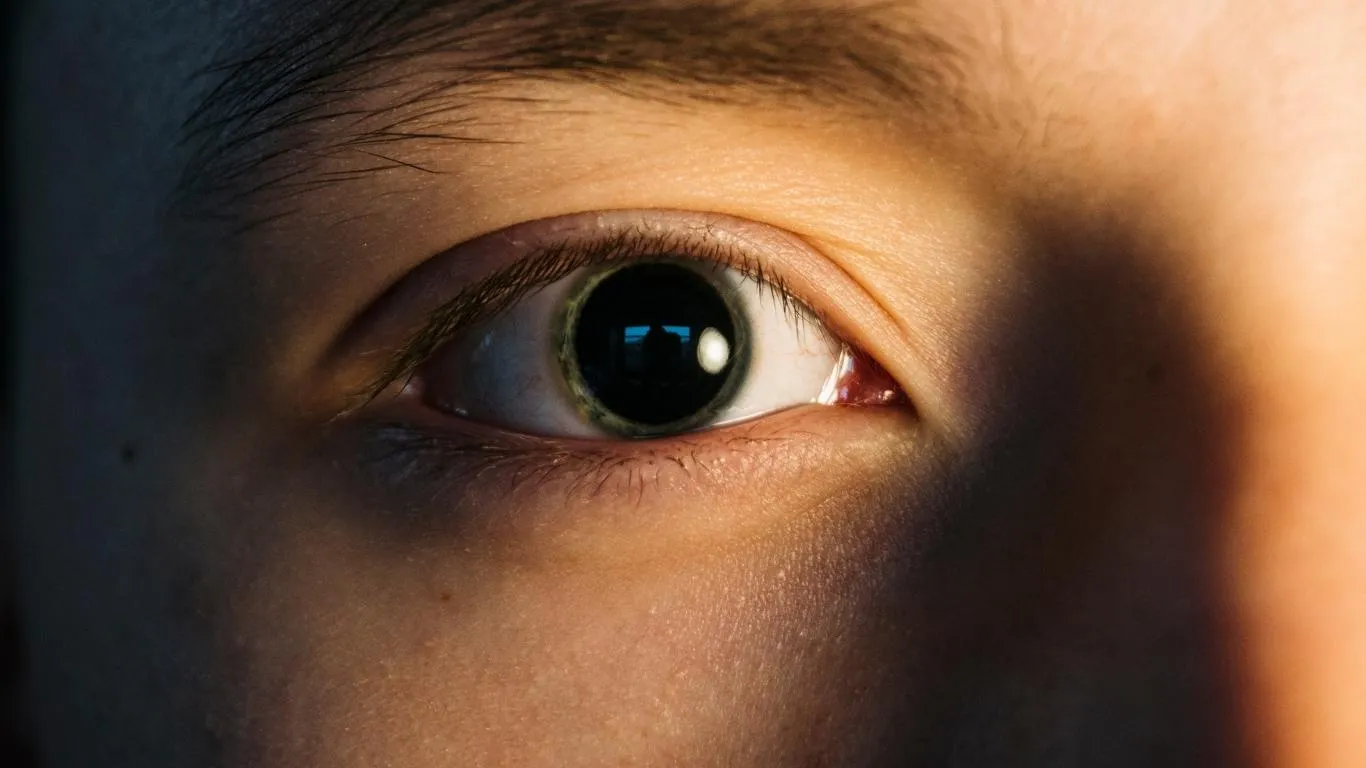
Let’s get a bit more technical—not boring, promise. If you’ve been dealing with floaters that seem to come and go with how focused you are, it’s not just about blinking. There’s often a combo of deeper stuff happening behind the scenes. One key factor? Reduced ocular fluid movement.
Your eyes need circulation, just like the rest of your body. Blinking plays a role in encouraging fluid motion within the eye. When you barely blink for extended periods, the stagnant vitreous gel can lead to increased floaters, especially in folks with early vitreous degeneration. Fun, right?
Also, inflammation from dryness and digital eye strain may compromise the collagen matrix of the vitreous body. The result? More floaters, stickier floaters, and floaters that hang around longer.
Additional suspects worth watching:
- Blue light exposure: It doesn’t just mess with your sleep; it contributes to eye strain and fatigue, compounding the dryness effect.
- Oxidative stress: Think poor diet, low hydration, and stress—yep, they all chip away at your eye’s health.
- Chronic dehydration: Honestly, not drinking enough water shows up in your eyes before it shows up on your skin.
Check out this related dive on how dehydration can make eye floaters worse. Been there, forgot to drink for hours while editing—regretted it big time.
How Screen Time Supercharges the Problem

Let’s be real—screens aren’t going anywhere. But they’re a major culprit when it comes to lowering your blink rate. One study published by NCBI showed participants blinking less than half as often during computer use compared to casual conversation. Add in poor lighting, blue light overload, and long stints without breaks, and you’ve got the perfect storm.
I noticed this myself: long Zoom meetings or deep-dives into code made floaters more persistent. I wasn’t blinking. My posture was trash. And the lighting? Like a cave. It wasn’t until I read this deep dive into screen-time floaters that I realized the patterns matched up exactly.
Bottom line: You don’t need to ditch your job, but you do need to train your eyes like you train your body. Reset them regularly.
Is There a Fix for the Floaters Themselves?

This is where things get spicy. Floaters don’t have a magical cure (yet), but there are treatments—some mainstream, some natural—that people swear by. I’ve dabbled in a few after mine got so annoying I mistook them for flying bugs more than once.
Options include:
- Vitrectomy: Surgical removal of the vitreous gel. Effective, but comes with serious risks. Not a first option.
- Laser vitreolysis: Zaps floaters with a laser. It’s not widely available, but results are promising for some types of floaters.
- Natural remedies: Hydration, antioxidants, eye exercises, and anti-inflammatory diets. Slower, but lower risk.
I personally found the best relief through lifestyle tweaks. Upping my hydration, using high-quality preservative-free eye drops, and adding omega-3s and lutein-rich foods helped tone things down significantly. Oh, and I now blink on purpose when reading emails.
If you’re considering treatment routes, this in-depth guide on eye floater treatments is a solid start.
What You Can Start Doing Today
If you’re in the “I blink maybe five times an hour” club, don’t panic—but don’t ignore it either. Here are a few small, doable things I added to my routine that helped lower floater visibility and improve overall eye comfort:
- Set a reminder to blink every few minutes. Seriously, it works.
- Install blue light filters or use screen dimming apps like f.lux or Night Shift.
- Hydrate like it’s your job. Your eyes will thank you.
- Use a humidifier if your room is Sahara-level dry.
- Eat for your eyes: leafy greens, citrus, eggs, fish.
Need more inspiration? Here’s a helpful resource on the best diet changes for floaters. Honestly, I was surprised at how much gut health and eye clarity seem to go hand in hand.
When to Worry (and When Not To)
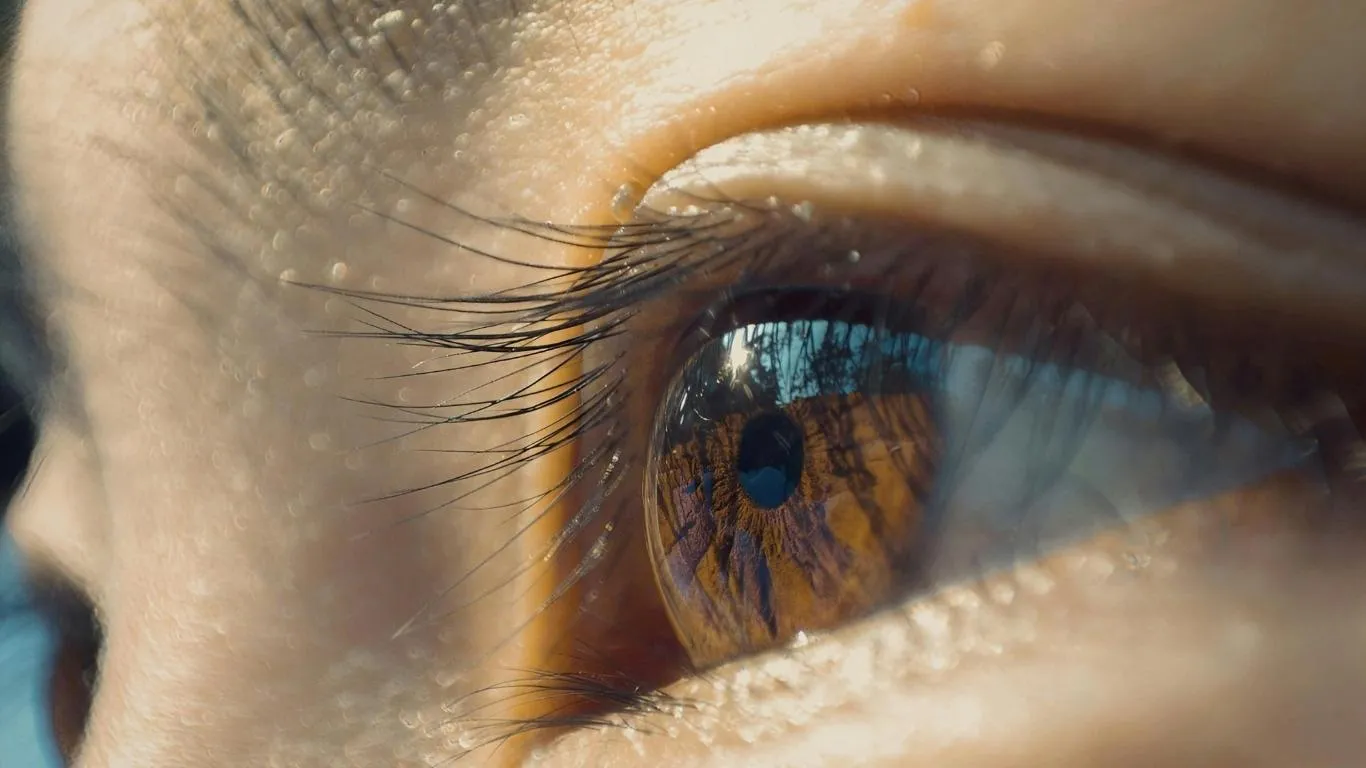
If your floaters suddenly increase, look like flashes, or are paired with any sort of vision loss or eye pain, don’t wait. These are signs of something more serious, like a retinal tear. I once had floaters go from “meh” to “is my eye collapsing?” and booked an emergency eye exam. Turned out okay, but it reminded me how important it is to be proactive.
Some signs to watch out for:
- Flashes of light in your peripheral vision
- Sudden storm of floaters
- A dark curtain moving across your vision
This breakdown on when floaters are dangerous is a must-read if you’re unsure whether to call your eye doc.
Keep Your Vision—and Your Blink Rate—In Check
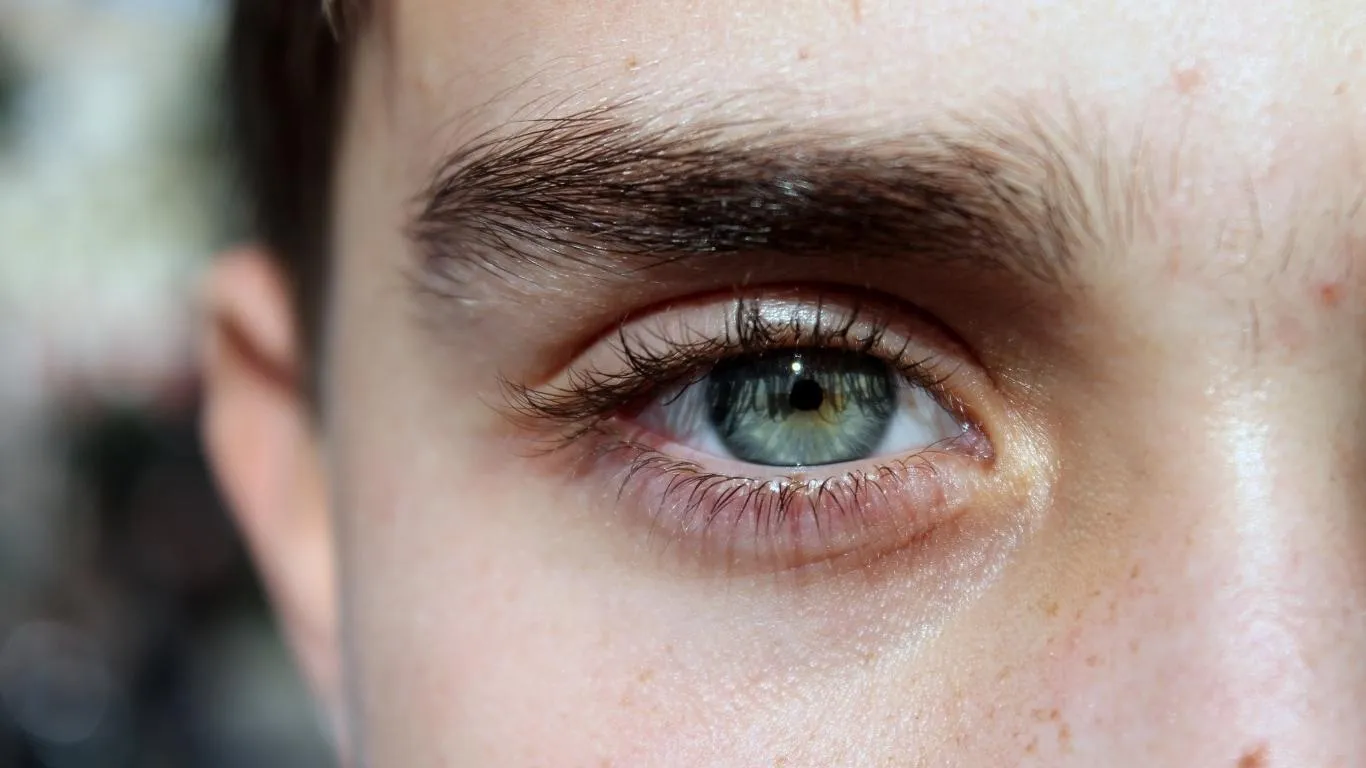
Your eyes are resilient, but they’re not invincible. Floaters in people with low eye blinking rate are real, frustrating, and completely manageable if you know what’s going on and act early. Your blink rate might seem like a minor detail, but it’s a big deal in the long run.
And if you want to take a full look at what sets floaters apart from other visual issues—and why it’s important to know the difference—don’t miss the full explainer on eye floaters vs. other eye problems.
Oh, and don’t forget to bookmark our full guide on eye floaters, causes, symptoms, and treatment options to keep your knowledge sharp (and floaters less distracting).

Camellia Wulansari is a dedicated Medical Assistant at a local clinic and a passionate health writer at Healthusias.com. With years of hands-on experience in patient care and a deep interest in preventive medicine, she bridges the gap between clinical knowledge and accessible health information. Camellia specializes in writing about digestive health, chronic conditions like GERD and hypertension, respiratory issues, and autoimmune diseases, aiming to empower readers with practical, easy-to-understand insights. When she’s not assisting patients or writing, you’ll find her enjoying quiet mornings with coffee and a medical journal in hand—or jamming to her favorite metal band, Lamb of God.