Why Floaters Get Worse After Reading Fiction Too Long
So here’s the thing—I love losing myself in a good book. Especially fiction. There’s something about curling up with a novel and letting the story take over that feels like therapy. But a few months back, I noticed something strange: whenever I spent an hour or more reading, especially digital books, my eyes would start playing tricks on me. Little specks, cobwebs, and squiggly lines would drift across my vision. They weren’t there before… or at least not this noticeable. If you’re someone who’s been asking yourself why floaters seem to become more frequent after reading fiction, especially for long periods, you’re not alone.
What’s Actually Going On With Eye Floaters?
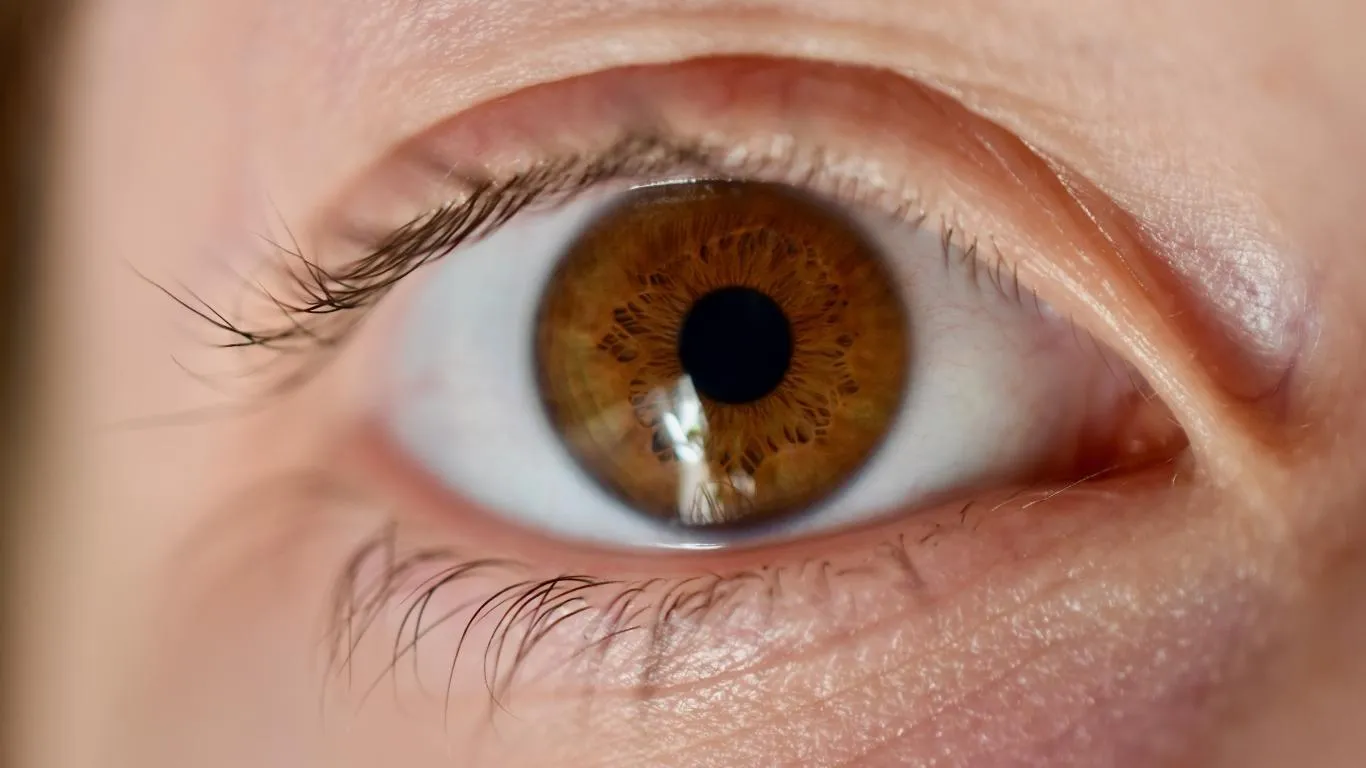
Floaters are those weird translucent blobs, lines, or dots that drift across your vision. They’re often more visible when you’re looking at something bright—like a page with white space, a screen, or the sky. They’re caused by tiny fibers or clumps of collagen floating in the vitreous gel inside your eye. It’s a totally normal aging process, but for some of us, they show up sooner or get worse with certain triggers. One of those triggers? Long reading sessions.
Reading Fiction Isn’t the Cause—But It Might Be the Amplifier
When I first noticed my floaters acting up during fiction marathons, I figured maybe I was just tired. But it kept happening—especially when I read small fonts, e-ink pages, or black text on a white background. It turns out, reading doesn’t cause floaters, but it can definitely make them more noticeable. And here’s why:
- Reduced Blink Rate: When you’re immersed in a book, especially on screens, your blink rate drops. Less blinking means drier eyes and more awareness of floaters.
- Fixed Focal Distance: Focusing at one distance for a long time stresses your ciliary muscles and draws more attention to floaters.
- Contrast Sensitivity: Black text on white makes translucent floaters stand out like shadows against a spotlight.
When I switched to sepia backgrounds or audiobooks occasionally, the difference was wild. It’s not that floaters disappeared, but they became way less annoying.
Why Fiction, Specifically, Might Be a Unique Trigger
Let’s be real—nonfiction rarely keeps you in deep focus for hours the way a gripping thriller or fantasy novel does. Fiction tends to pull you in for extended sessions, which is why it may correlate more with floater visibility.
There’s also the fact that fiction often brings emotional immersion. You get excited, tense, sometimes teary-eyed—and that emotional stimulation can subtly affect eye strain, tension, and even blinking patterns. Eye floaters can be exacerbated by emotional fatigue too, according to some emerging studies.
In fact, floaters after extreme focus or concentration are a real thing—and fiction has a way of demanding both mental and visual focus at the same time. That’s a combo that can make even mild floaters feel like a swarm of gnats.
Is It Something to Worry About?
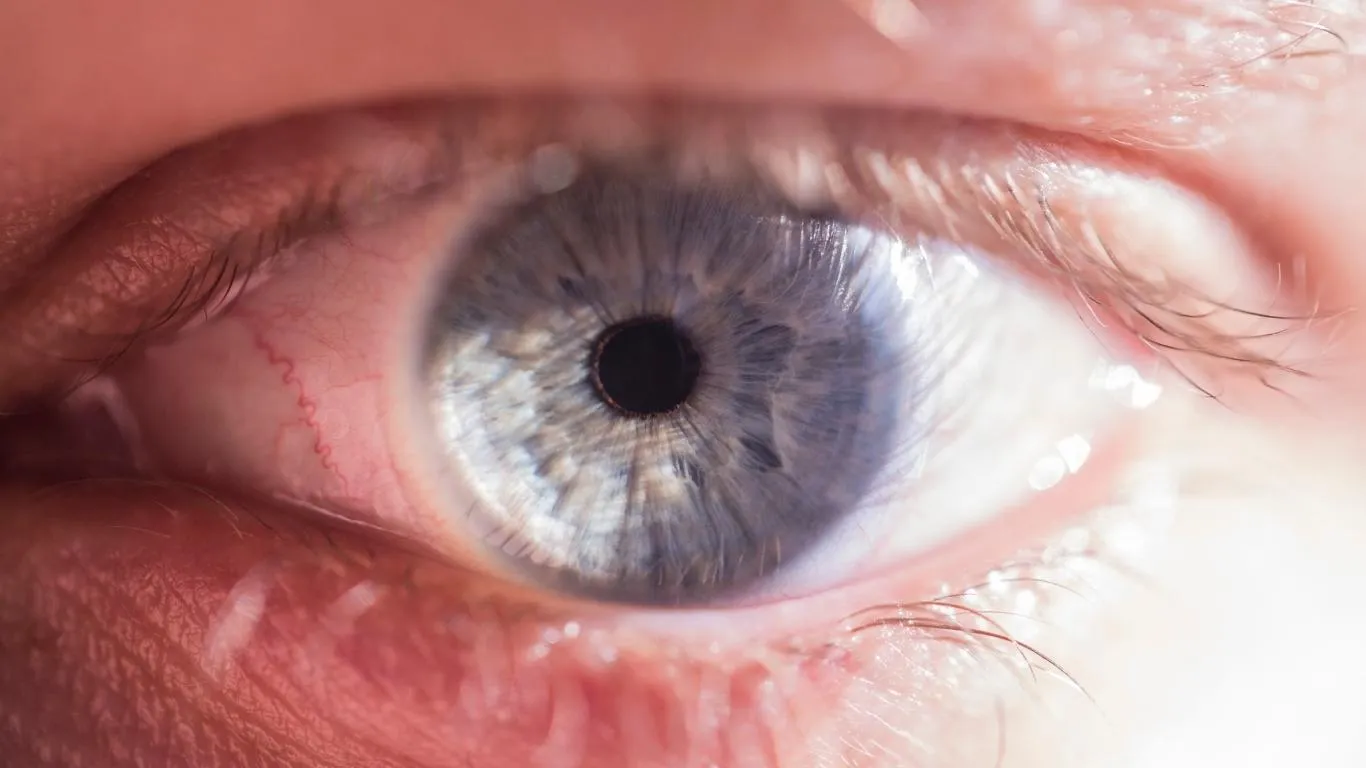
Okay, here’s the big question: should you be concerned if floaters feel more frequent after reading fiction? Generally, if floaters are consistent in pattern and don’t come with flashes of light, vision loss, or a sudden explosion of new floaters, you’re probably fine.
That said, sudden increases in floaters can sometimes signal issues like retinal tears. I had a friend who ignored sudden floaters thinking it was due to screen time and ended up needing urgent treatment. Better safe than sorry, right?
One helpful read on this: floaters before retinal tear. That article really opened my eyes (pun intended) to the more serious side of things.
When Should You Get Your Eyes Checked?
- If your floaters appear suddenly or dramatically increase overnight
- If you see flashes of light
- If you notice a dark curtain moving across your vision
Those could all signal a medical emergency, not just reading fatigue. A great resource I always go back to is the American Academy of Ophthalmology, where you’ll find evidence-based info.
Ways to Manage Floaters During Fiction Binge Sessions
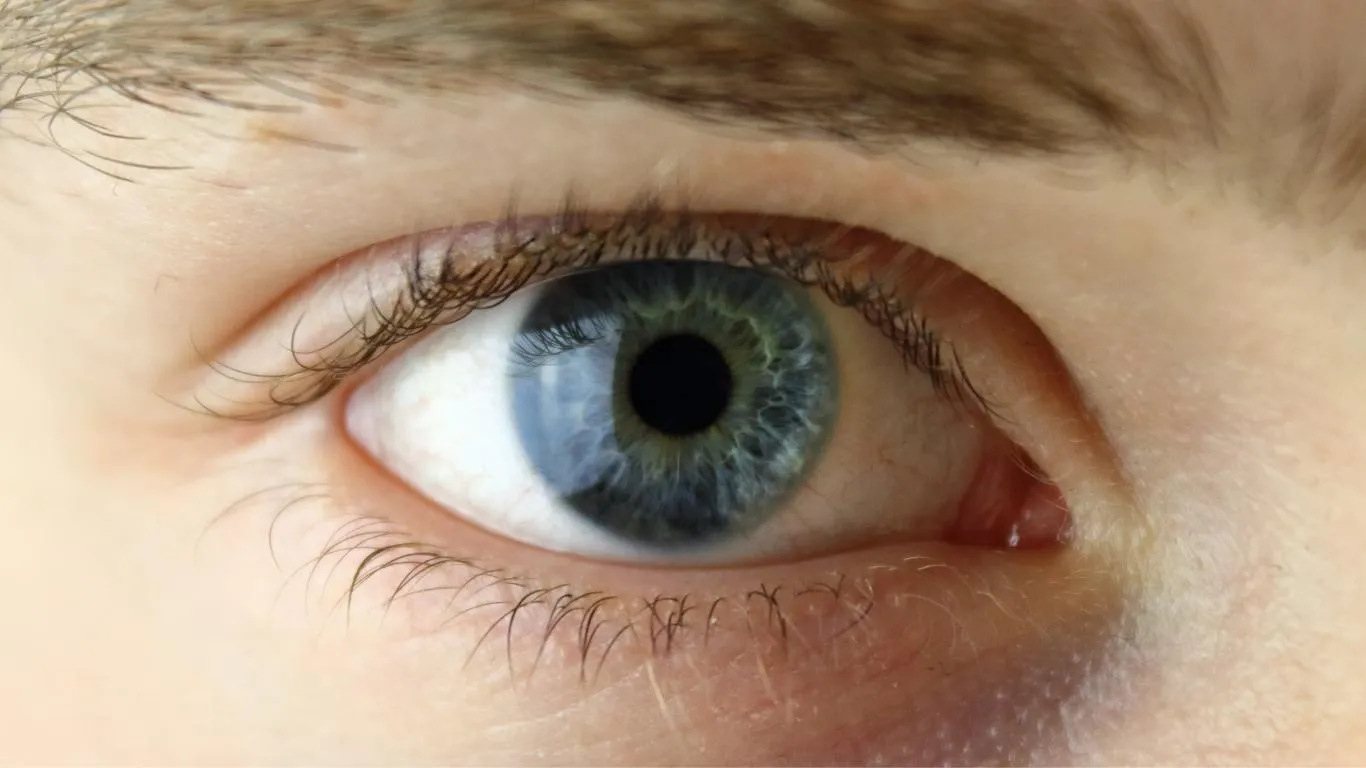
Look, I’m not giving up my novels anytime soon, and you shouldn’t have to either. But you can definitely manage floaters better with a few tweaks:
- Adjust Screen Settings: Use sepia mode or dark mode when reading digital fiction to reduce contrast.
- Take Breaks: Use the 20-20-20 rule—every 20 minutes, look 20 feet away for 20 seconds.
- Blink Reminders: Set a subtle reminder to blink more often. It helps!
- Keep Hydrated: Dehydration is a sneaky floater trigger—read more about it here.
I also personally found that gently rolling my eyes in different directions when the floaters get distracting helps move them out of central vision temporarily.
There’s a great deep-dive on eye floater treatments if you’re exploring both natural and clinical options. Whether you’re into observation or want to explore laser vitrectomy, that’s a resource worth bookmarking.
Still Not Sure? Dive Deeper Into the Root Causes
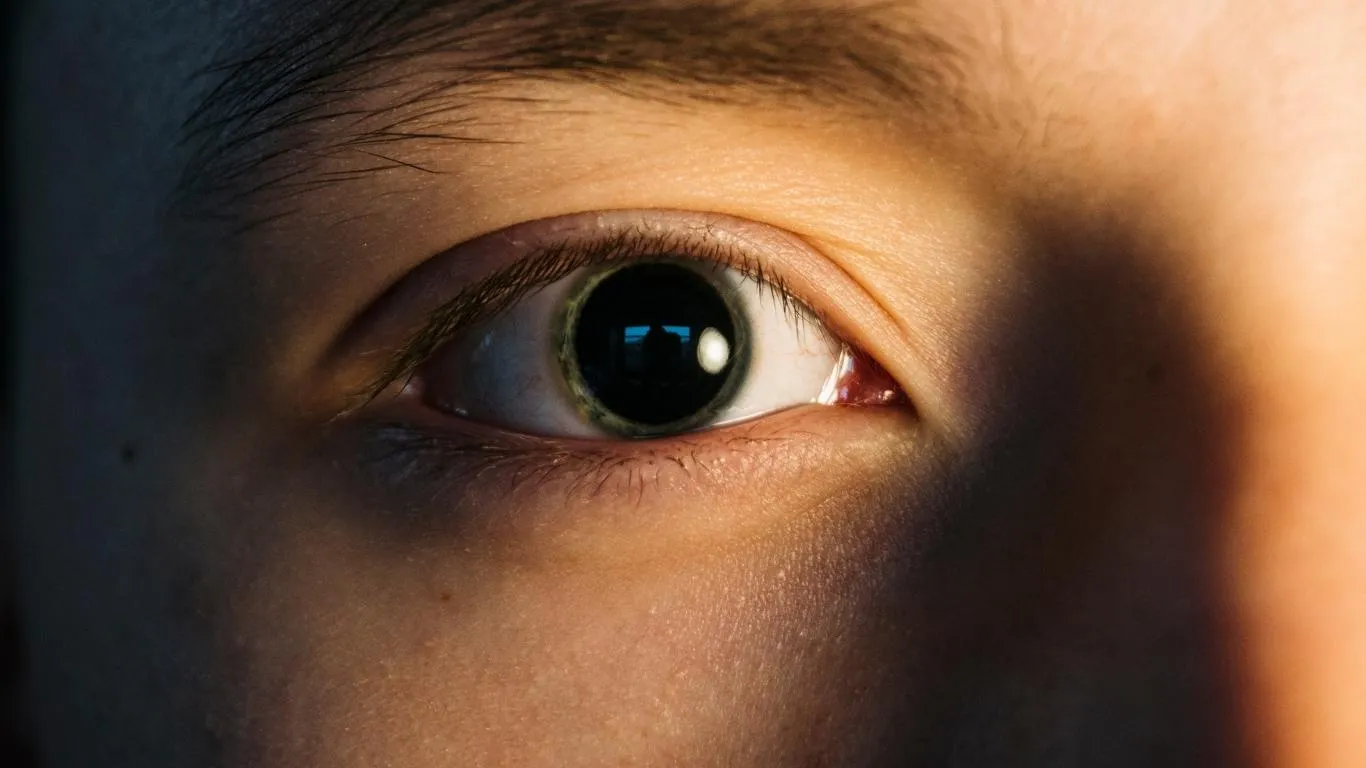
Floaters showing up more often after fiction reading could be a sign of something deeper—not just strain, but underlying changes in your vitreous. If you’re noticing a pattern, it’s worth learning more about common causes of eye floaters like vitreous syneresis or early-stage posterior vitreous detachment.
And for a thorough understanding of how floaters form, symptoms to monitor, and the latest treatment options, visit the main guide on what are eye floaters.
Could Eye Movement While Reading Be a Factor?
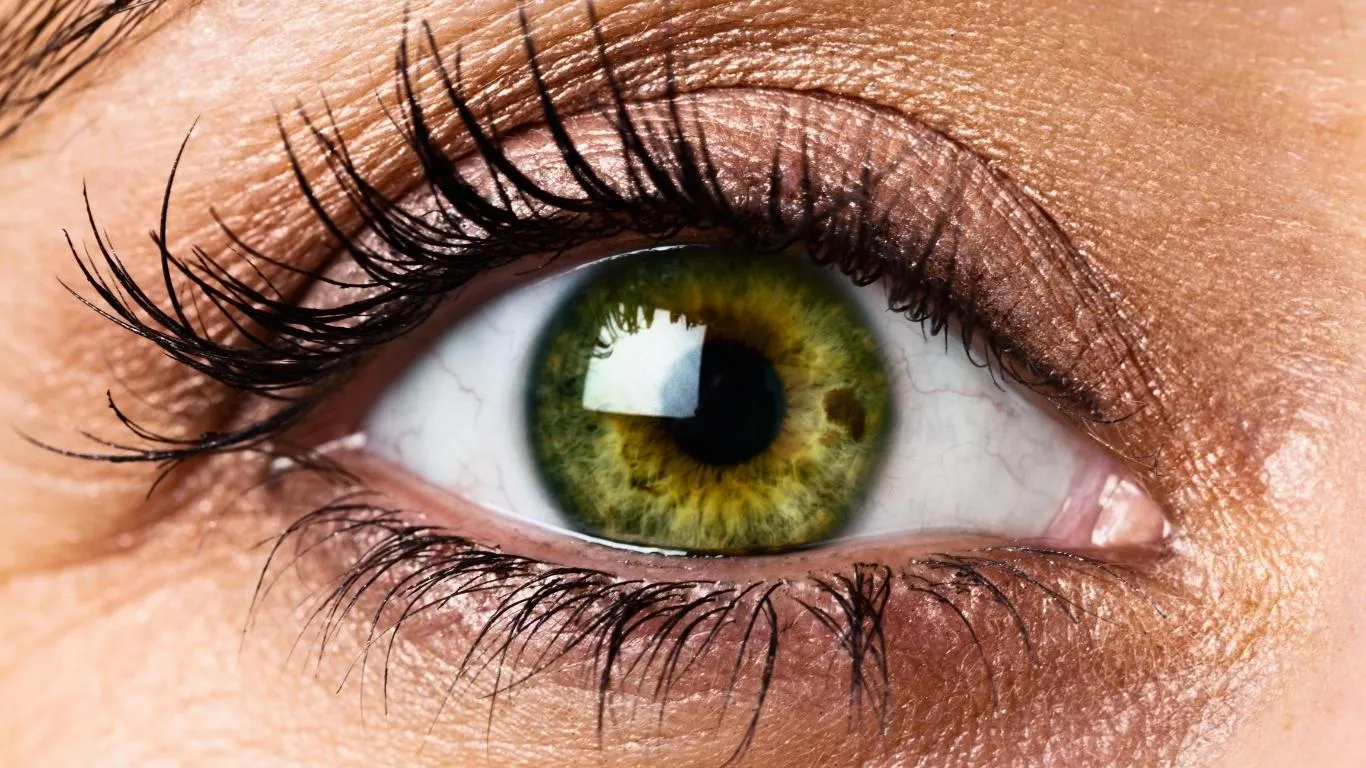
This part gets overlooked a lot. While reading fiction, especially those fast-paced thrillers or fantasy sagas, your eyes aren’t just locked in place. They’re constantly scanning from left to right, line after line. That repetitive horizontal movement, combined with long sessions, can stir things up in your vitreous humor. Basically, it causes floaters to shift around more, and you’re more likely to see them dancing across your field of vision.
There’s actually a fascinating breakdown of this phenomenon in the article floaters when moving eyes side to side. It digs into how even subtle shifts in eye position can make floaters pop up more clearly—especially during quiet visual tasks like reading.
Why E-Readers Might Make It Worse
If you’re like me and do most of your fiction reading on a Kindle or tablet, you’ve probably noticed your floaters more in that setting. That’s no coincidence. E-ink screens and LED devices tend to create high-contrast visuals, which floaters love to photobomb.
- Static white backgrounds make floaters more visible
- Backlit screens can worsen eye strain, especially in dim rooms
- Font size and line spacing affect how hard your eyes work per sentence
I found that increasing font size and using a cream-colored background really helped. So did switching to nighttime reading modes. You can also check out how screen time impacts floaters—another solid read that made me rethink how I use my e-reader late at night.
Floaters and Mental Fatigue From Immersive Reading
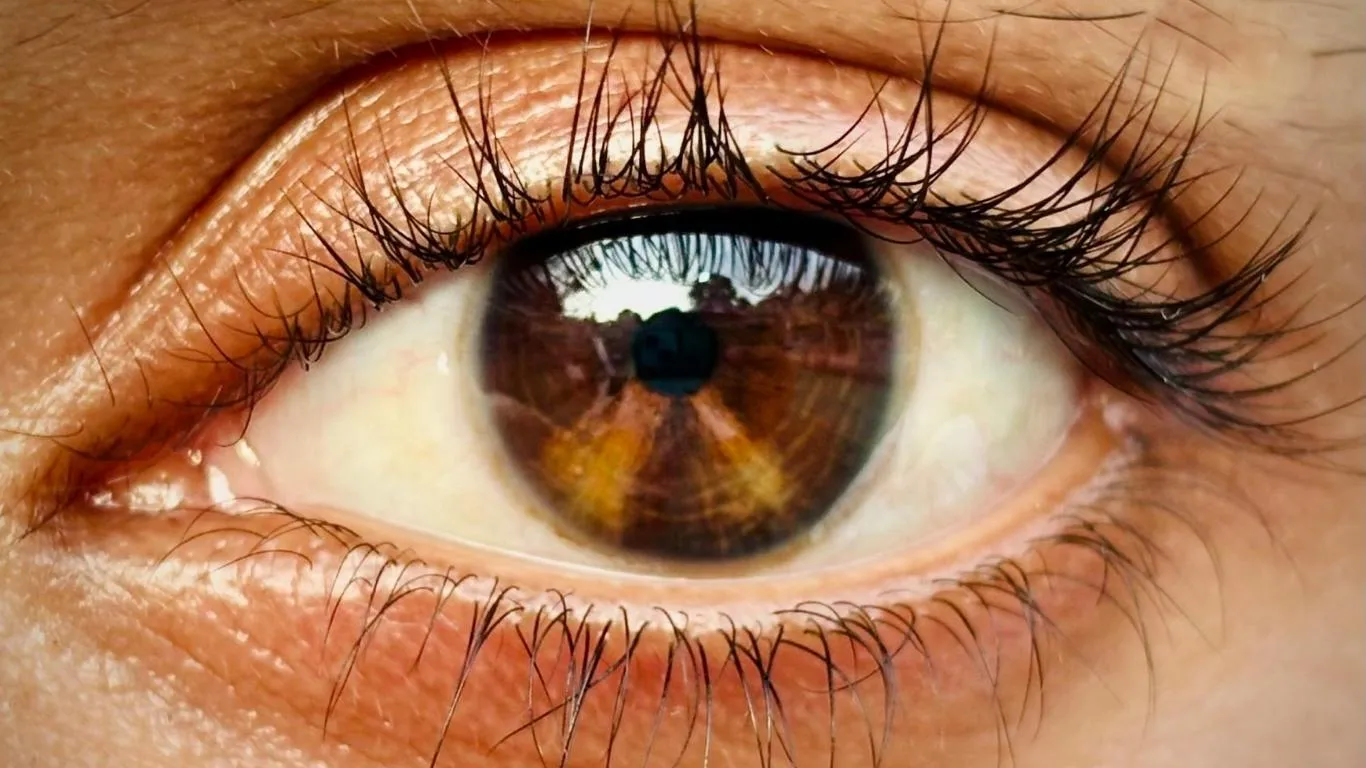
Let’s talk about the mental side. Fiction has this incredible way of pulling you into alternate realities. That kind of cognitive and emotional immersion isn’t just mentally intense—it can be physically draining too. Ever finish a book and feel like you’ve run a mental marathon?
Turns out, prolonged mental focus can contribute to eye fatigue and increase your perception of floaters. Your brain becomes more sensitive to visual noise when it’s overworked. It’s why floaters feel more aggressive at the end of a reading session compared to the beginning.
There’s some overlap here with mental exhaustion and floaters, which is worth a look if you’ve been hitting those 400-page fiction books in a single sitting.
When Floaters Don’t Go Away—Or Get Worse

While most floaters are harmless, I’d be lying if I said they’re always no big deal. When they start showing up more frequently, stick around longer, or get larger or darker, that’s your cue to check in with an eye doctor. Especially if reading fiction isn’t the only time you notice them.
There’s a great article about how floaters can sometimes signal serious conditions like retinal detachment, uveitis, or diabetic retinopathy. Floaters that change shape rapidly or are accompanied by flashes, shadows, or pain should never be brushed off.
And yes, they can be caused by inflammation, circulation issues, and even autoimmune disorders. You’ll find more on this in the main floater guide on Healthusias.
Tips I Personally Use to Keep Floaters From Driving Me Nuts
- Change reading angles: I started alternating between lying down, sitting up, and even standing while reading fiction. It seems to affect how floaters settle in the eye.
- Light breaks: I schedule natural light exposure during long fiction sessions. My eyes thank me every time.
- Reading in low ambient light: not pitch dark, but softly lit rooms reduce contrast and minimize floater visibility.
- Eye movement exercises: slow, circular eye rolls in all directions before and after reading can help redistribute the floaters temporarily.
If you’re like me and prefer solutions that don’t involve clinical intervention yet, you’ll want to also explore natural management of floaters. Some methods are more myth than medicine—but a few actually helped me cut back on the frustration.
Long-Term Vision Habits for Fiction Lovers
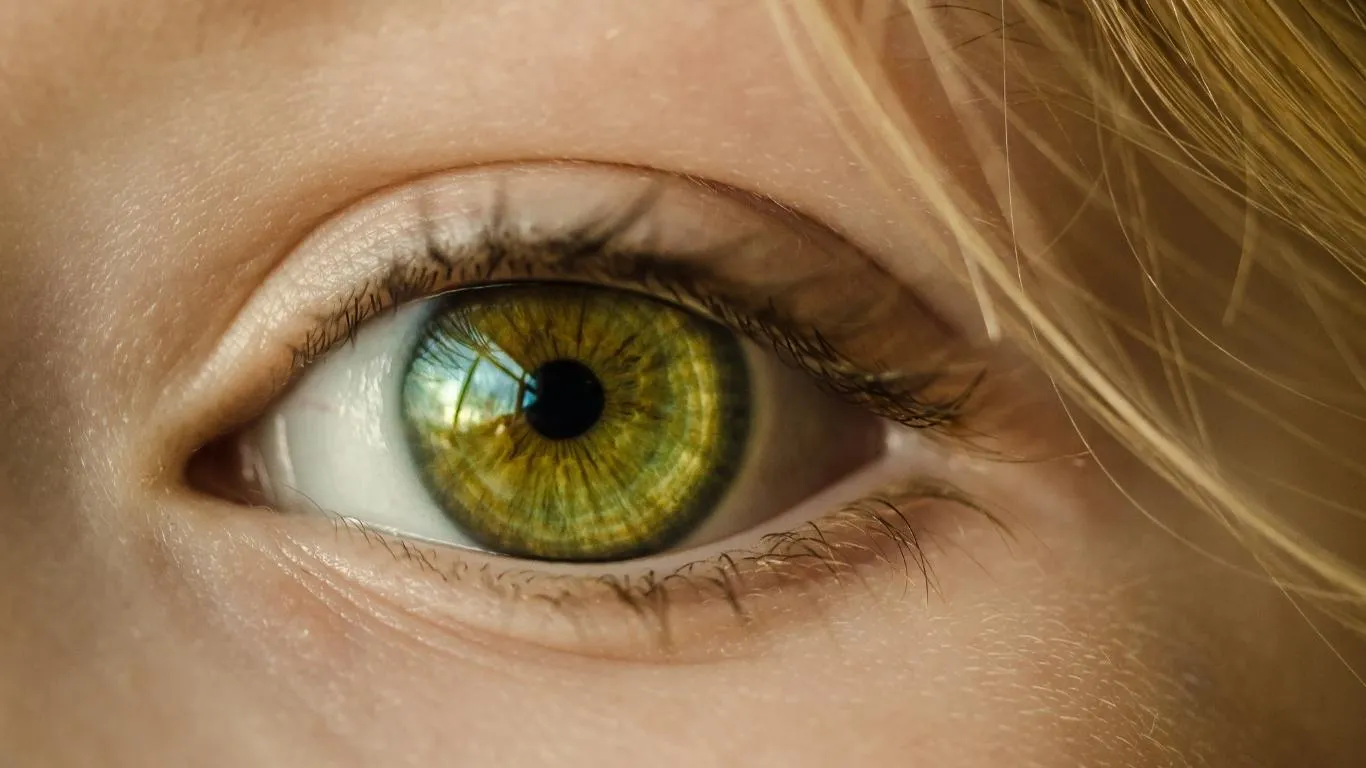
If reading fiction is your daily ritual like it is for me, you don’t have to sacrifice that joy just because floaters keep popping up. Instead, integrate some long-game habits:
- Rotate between digital and physical books to reduce screen strain
- Set a page or time limit per session and take standing or stretching breaks
- Consider blue light filter glasses or screen overlays
- Use reading lamps with warmer tones to lessen contrast
I also started tracking floater behavior across different genres, light conditions, and reading times. Weirdly enough, suspense novels in the evening gave me more visual distractions than morning reads with mellow prose. Go figure.
For a better understanding of how to reduce floater impact after different eye-related events or habits, check out this post-floater relief guide.
Building Floaters Awareness Into Your Reading Routine
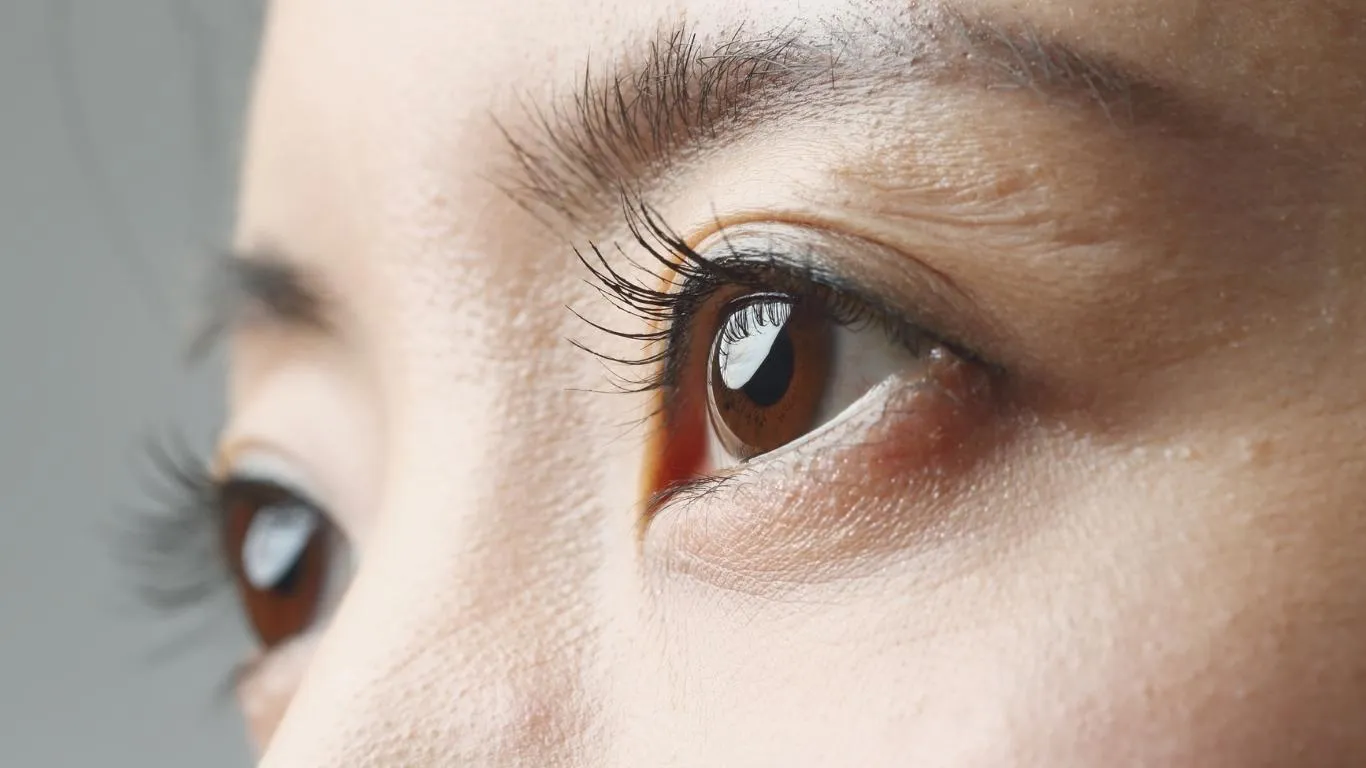
Floaters are part of the journey for many of us fiction readers. While they’re often benign, noticing them more during specific activities—like reading—can actually be a useful early-warning system about our eye health and visual habits. Don’t panic, but do listen.
I’ve learned that paying attention to my own patterns helped me not only reduce the annoyance but also feel more in control of my visual health. Floaters don’t have to hijack your reading flow.
If you haven’t yet, definitely take a few minutes to explore how floaters compare to other vision issues. That piece helped me distinguish between harmless floaters and signs of something deeper.

Camellia Wulansari is a dedicated Medical Assistant at a local clinic and a passionate health writer at Healthusias.com. With years of hands-on experience in patient care and a deep interest in preventive medicine, she bridges the gap between clinical knowledge and accessible health information. Camellia specializes in writing about digestive health, chronic conditions like GERD and hypertension, respiratory issues, and autoimmune diseases, aiming to empower readers with practical, easy-to-understand insights. When she’s not assisting patients or writing, you’ll find her enjoying quiet mornings with coffee and a medical journal in hand—or jamming to her favorite metal band, Lamb of God.