Why Floaters Get Worse When You Squint In Bright Sunlight
Ever squinted up at the sun only to suddenly notice a bunch of shadowy specks or stringy shapes drifting across your vision like they’re dancing to their own lazy rhythm? Yeah, me too. At first, I thought I was just tired or dehydrated. But after it kept happening—especially on bright days or when driving during sunset—it became clear something else was going on. Turns out, this isn’t just some optical fluke. It’s a real thing called eye floaters, and if they’re more visible when you’re squinting in sunlight, there’s a solid reason for that.
Why Floaters Seem to Appear Out of Nowhere in Bright Light
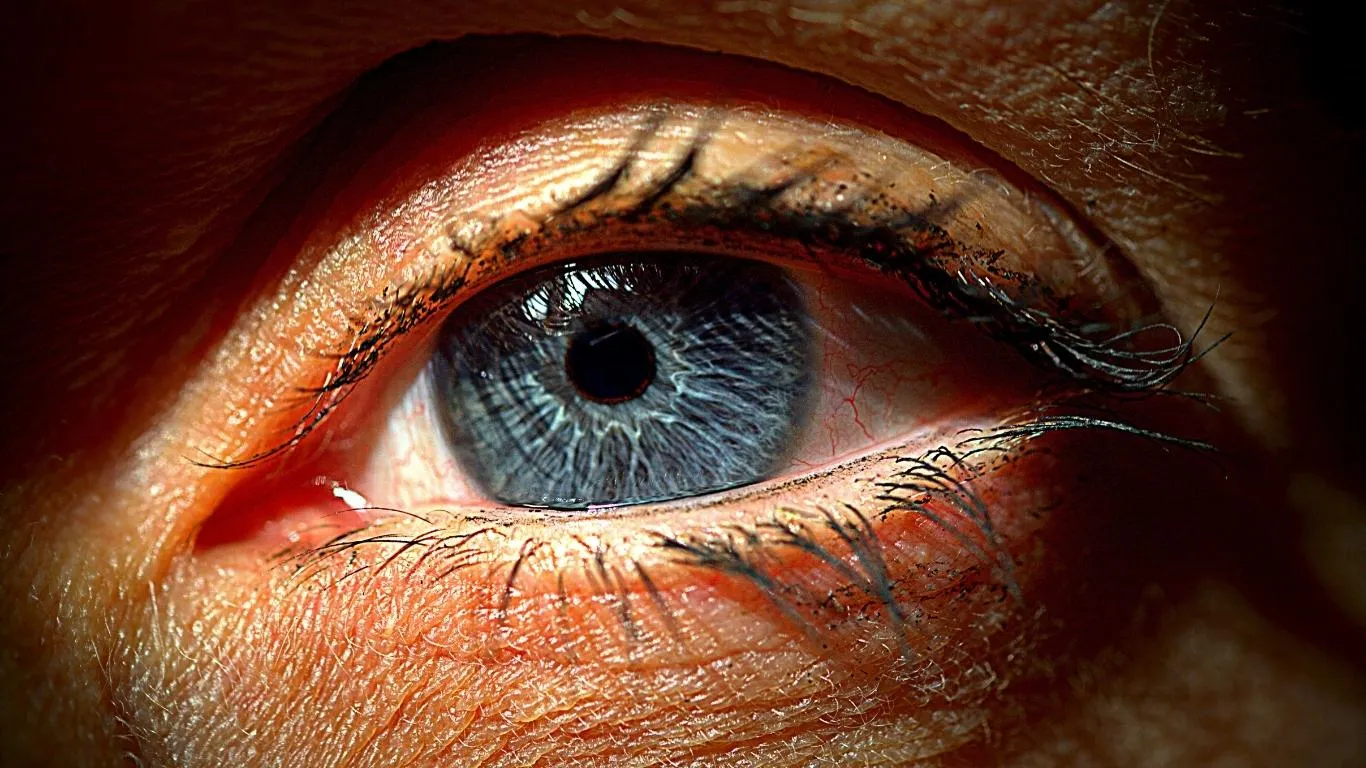
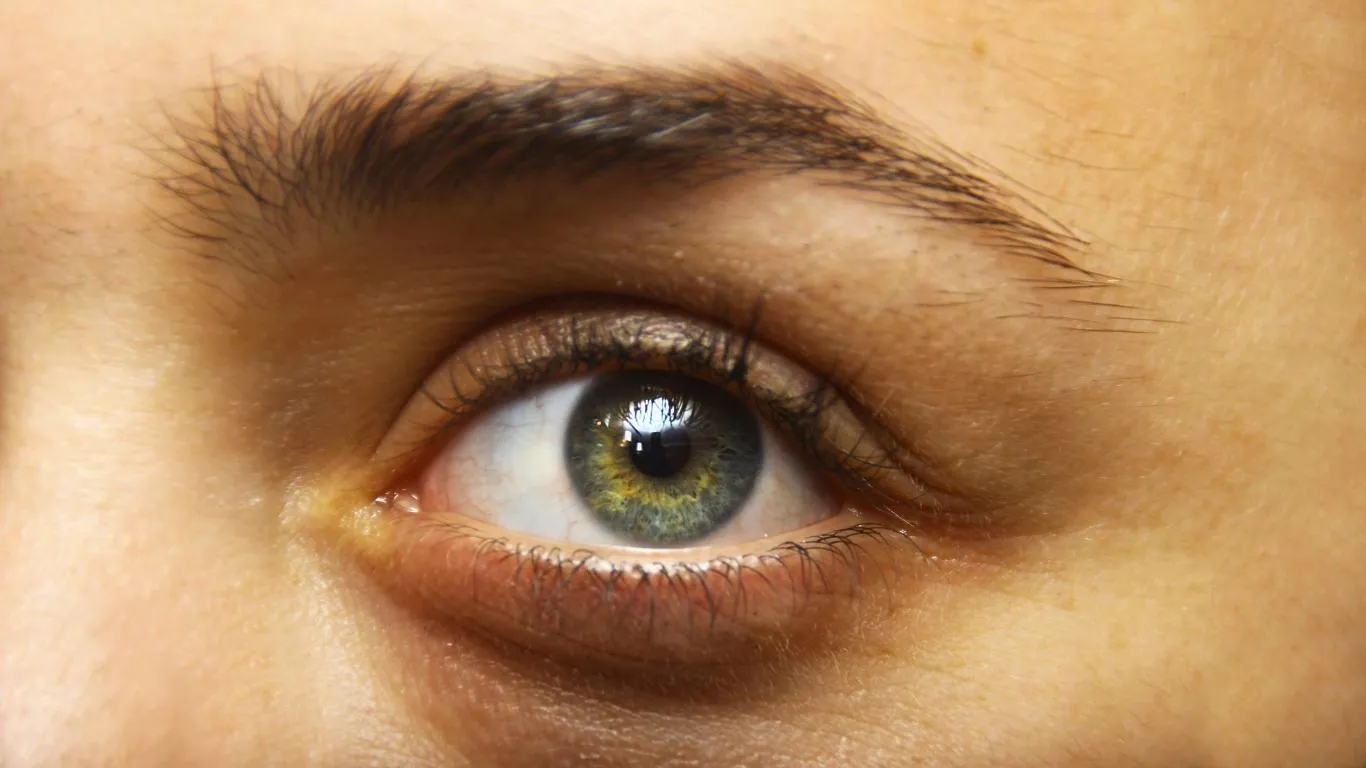
Floaters don’t actually appear out of nowhere—they’ve been there. You just haven’t noticed them until now. When you squint in bright light, especially against a clear sky or a white surface, your pupils shrink, narrowing your depth of field and increasing the contrast in your visual field. That contrast? It makes those translucent bits floating in your vitreous humor show up more boldly than ever.
It’s kind of like dust on a projector lens—in a dark room, you don’t see it. But when the light hits just right? Boom. It’s all you can notice.
Okay, But What Are Floaters, Really?
Floaters are tiny clumps of collagen fibers or cellular debris suspended in the clear, gel-like substance that fills the middle of your eye—the vitreous. As we age, or if we’ve experienced any kind of trauma, dehydration, or eye strain, the structure of the vitreous can start to break down. That’s when floaters start to form.
They might look like:
- Thread-like strands
- Dark specks or blobs
- Transparent rings or cobwebs
And here’s the kicker: they don’t stay still. They drift around as your eyes move, which can make focusing on them nearly impossible—and super frustrating.
Why the Sun Makes Them Pop
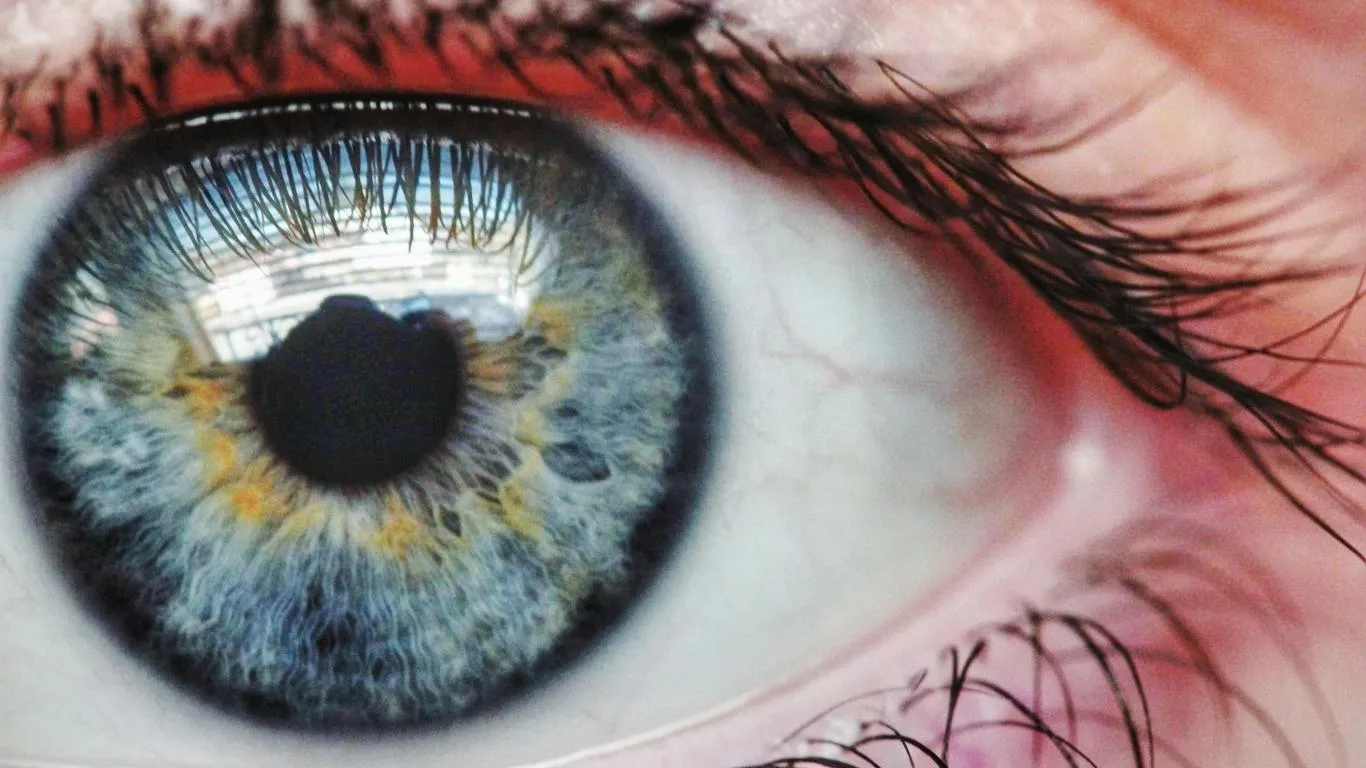
Sunlight creates the ideal background for floaters to stand out. Think about the last time you looked up at a clear blue sky. That uninterrupted brightness creates a sort of “blank canvas” where floaters—normally hidden in the mess of visual input—become painfully obvious.
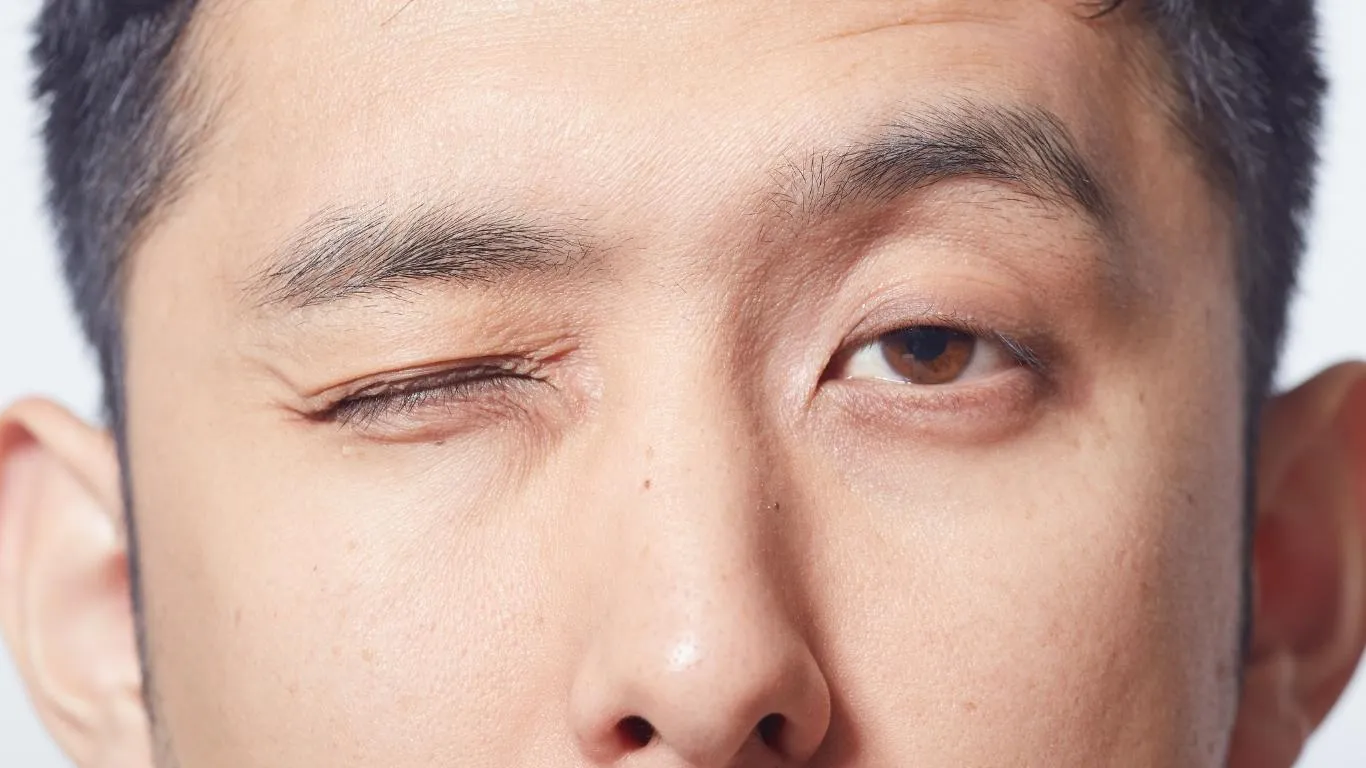
Also, when we squint, our eyelids partially block light, which changes the way light enters our pupils. It increases depth of field, enhancing our ability to perceive details—like floaters.
Here’s a breakdown of what’s happening physiologically:
- Bright sunlight shrinks your pupils, creating sharper contrast.
- Squinting reshapes how light hits your retina, subtly altering your visual processing.
- Any particles or clumps in the vitreous become highlighted against the bright backdrop.
There’s also a chance floaters become more noticeable during squinting due to tension in the eye muscles and the slightly different angle of eye fluid movement.
When You Should Pay More Attention
While floaters are often benign, if they’re new, worsening, or accompanied by other symptoms like flashing lights or loss of peripheral vision, don’t ignore them. I had a friend who dismissed his floaters as “just annoying dots” until they suddenly escalated into a full-blown retinal tear scare. He was lucky—but it was a wake-up call.
Common signs floaters might indicate a more serious issue include:
- Rapid onset of dozens of new floaters
- Floaters that appear after head trauma
- Floaters with accompanying light flashes or blurry vision
In such cases, you might want to check out this guide on when floaters are considered dangerous. It’s detailed, practical, and could genuinely help prevent long-term vision issues.
Are These Floaters Forever?
Unfortunately, yes and no. Some floaters fade over time or shift out of your line of sight. But others might stick around for years. That said, they tend to become less noticeable as your brain learns to ignore them—a process called neuroadaptation. I didn’t believe it myself, but a few months after my floaters showed up, I barely noticed them unless I was specifically looking at the sky or a plain white wall.
Want to understand the natural progression better? I found this article on age-related vitreous changes to be extremely eye-opening (pun totally intended).
Should You Be Doing Something About It?
Look, not every floater calls for a doctor’s visit. But being informed is your best first step. There are options—ranging from simple observation to surgery—if floaters are affecting your quality of life. Personally, I found some relief by staying hydrated, wearing sunglasses outdoors, and reducing screen glare at night.
Want a deep dive on the treatment front? I highly recommend this treatment guide. It covers everything from YAG vitreolysis to vitrectomy, and breaks it down without the medical jargon overload.
For a comprehensive overview of all the major causes, symptoms, and management techniques, the main article on what eye floaters are and how to manage them is a fantastic resource.
Floaters and Eye Fatigue: Why You Notice Them More When You’re Tired
I didn’t connect the dots at first, but after a long workday staring at my laptop, I’d step outside and—boom—floaters everywhere. Turns out, eye fatigue makes these pesky floaters more obvious. Your eyes are less efficient at adjusting focus and light sensitivity when they’re tired, which means your brain isn’t filtering out floaters as effectively. And if you’ve been rubbing your eyes or squinting all day, it only gets worse.
Even something as basic as skipping sleep can make a difference. There’s actually a well-documented link between lack of sleep and an increase in floater visibility. Trust me—after one rough week of back-to-back deadlines and 4-hour nights, I saw more floaters in daylight than I ever wanted to.
The Emotional Toll: When Floaters Affect More Than Just Vision
Here’s something not a lot of people talk about: the mental and emotional impact. You’d think tiny dots or threads floating in your vision wouldn’t be a big deal. But for some people, they’re constant. Distracting. Even depressing. Especially when you’re outdoors trying to enjoy the sun or doing something visually demanding like reading or driving.
There’s growing evidence that persistent floaters may lead to increased anxiety, irritability, and reduced quality of life. This article on floater-related mental fatigue dives deep into the psychological side. I personally had a stretch where floaters were messing with my focus at work and driving me a little nuts—until I started taking breaks, adjusting screen time, and, honestly, learning to chill a bit.
Natural Relief: What Actually Helps (And What Doesn’t)
I’ve tested everything from eye exercises to herbal supplements—some useful, others just hype. So here’s the real deal. A few things that did help me personally and have solid science behind them include:
- Hydration: It sounds simple, but being dehydrated can change the density of your vitreous fluid.
- Lutein-rich foods: Like kale, spinach, and egg yolks. They support overall eye health. Here’s a great list of floaters-friendly foods.
- Anti-inflammatory herbs: Turmeric and ginkgo biloba may reduce oxidative stress that can worsen floaters.
- Blue light filters: Especially if you spend hours on screens. This piece about blue light and floaters changed my setup at home.
On the flip side, don’t fall for magic drops or gimmicky vitamins that promise to “dissolve floaters instantly.” Most don’t deliver—at least not in any way your ophthalmologist would back.
Training Your Brain: Neuroadaptation Isn’t a Myth
This is where the science gets cool. Over time, your brain learns to ignore floaters. It’s called neuroadaptation, and it’s why some people barely notice their floaters after a while even if they’re still there.
It’s like background noise at a café—you tune it out. Practicing this actively, through meditation, eye movement training, and tracking floater changes, helped me a ton. One trick? Follow the floater with your eyes slowly, then look away. It gives your brain a chance to normalize the presence without stressing about it.
When Floaters Aren’t Just Floaters Anymore
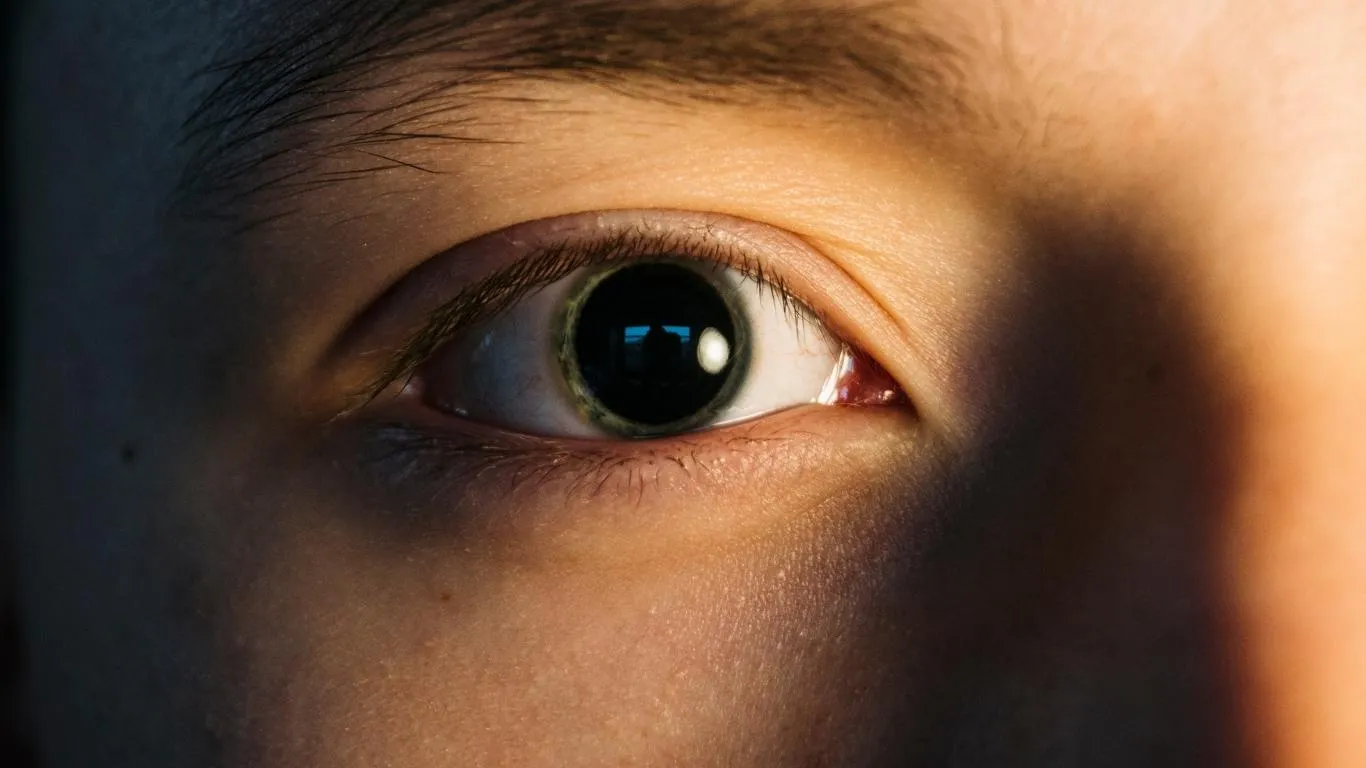
Every so often, floaters are a warning sign. If they show up suddenly, come with flashes, or you notice a curtain-like shadow creeping in your peripheral vision, get checked. Fast.
One of the most overlooked risks is retinal detachment, which starts with symptoms that a lot of us brush off. I once ignored a sudden spike in floaters after a HIIT workout. Luckily, it wasn’t serious—but it could have been. If you want to be safe, this retinal tear warning guide breaks it down perfectly.
Do Sunglasses Make a Difference?
Short answer? Yes. But not just any sunglasses. Polarized lenses reduce glare and contrast—two major culprits that make floaters stand out. They also prevent squinting, which as we know, makes floaters more visible in sunlight.
I switched to a good pair of polarized shades last summer, and honestly, it changed how often I even noticed my floaters. Bonus: they help with eye strain and make outdoor time a lot more pleasant.
Simple Lifestyle Changes That Help More Than You Think
Floaters don’t have to control your life. A few daily tweaks go a long way:
- Take breaks from screens every 20 minutes.
- Use polarized sunglasses outdoors—even on cloudy days.
- Drink water regularly and limit caffeine/alcohol intake.
- Add lutein, omega-3s, and collagen-supporting nutrients to your diet.
- Lower stress through breathing or mindfulness practices.
Want to dig deeper into the natural side of things? This guide on natural floater relief offers a balanced, fact-based approach.
If you’re wondering how floaters compare to other visual issues you might be mistaking them for, check out this detailed piece on how to distinguish floaters from other eye conditions.
To go back to the basics or help someone new to this, the main article on eye floaters overview is the perfect starting point.

Camellia Wulansari is a dedicated Medical Assistant at a local clinic and a passionate health writer at Healthusias.com. With years of hands-on experience in patient care and a deep interest in preventive medicine, she bridges the gap between clinical knowledge and accessible health information. Camellia specializes in writing about digestive health, chronic conditions like GERD and hypertension, respiratory issues, and autoimmune diseases, aiming to empower readers with practical, easy-to-understand insights. When she’s not assisting patients or writing, you’ll find her enjoying quiet mornings with coffee and a medical journal in hand—or jamming to her favorite metal band, Lamb of God.