Why Floaters Are More Noticeable in Patterned Curtains
Ever sat down in a cozy room, only to suddenly spot little specks or squiggly threads dancing across your vision — especially when you look at patterned curtains? You blink, rub your eyes, even try to ignore it, but there they are again, shifting with your gaze. Yeah, I’ve been there. The first time it happened to me, it was a lazy Sunday afternoon, sunlight filtering through a heavily patterned curtain in my reading nook. I thought it was lint or dust, until I realized… it was in my eye. Or rather, my vision. Welcome to the world of floaters, where your own eyes turn into a light show — whether you signed up or not.
Why Floaters Seem to Appear Around Patterned Curtains
Patterned curtains — of all things, right? It might sound odd, but they’re one of the most common “trigger surfaces” where people first notice eye floaters. It’s not the curtain’s fault, of course. It has more to do with contrast, lighting, and how our brains process complex patterns.
Here’s the deal: patterned or textured backgrounds make floaters pop out more. The high contrast and repeated shapes in curtains, wallpapers, or even tiled floors provide just enough background chaos for your brain to “miss” filtering out the floaters. Instead of blending in, they stand out — like that one person at a party who’s overdressed for casual drinks.
It’s All About Contrast and Light
Floaters become more noticeable when your eyes are exposed to bright light against a contrasting background. Think black floaters dancing across white curtains. Or clear, jelly-like strands floating over brightly lit florals. The sunlight pouring in from your window? That just makes everything worse. In fact, floaters often become super visible when staring at light-colored surfaces — even more so after reading white paper or looking at the sky.
What Exactly Are These Floaters?
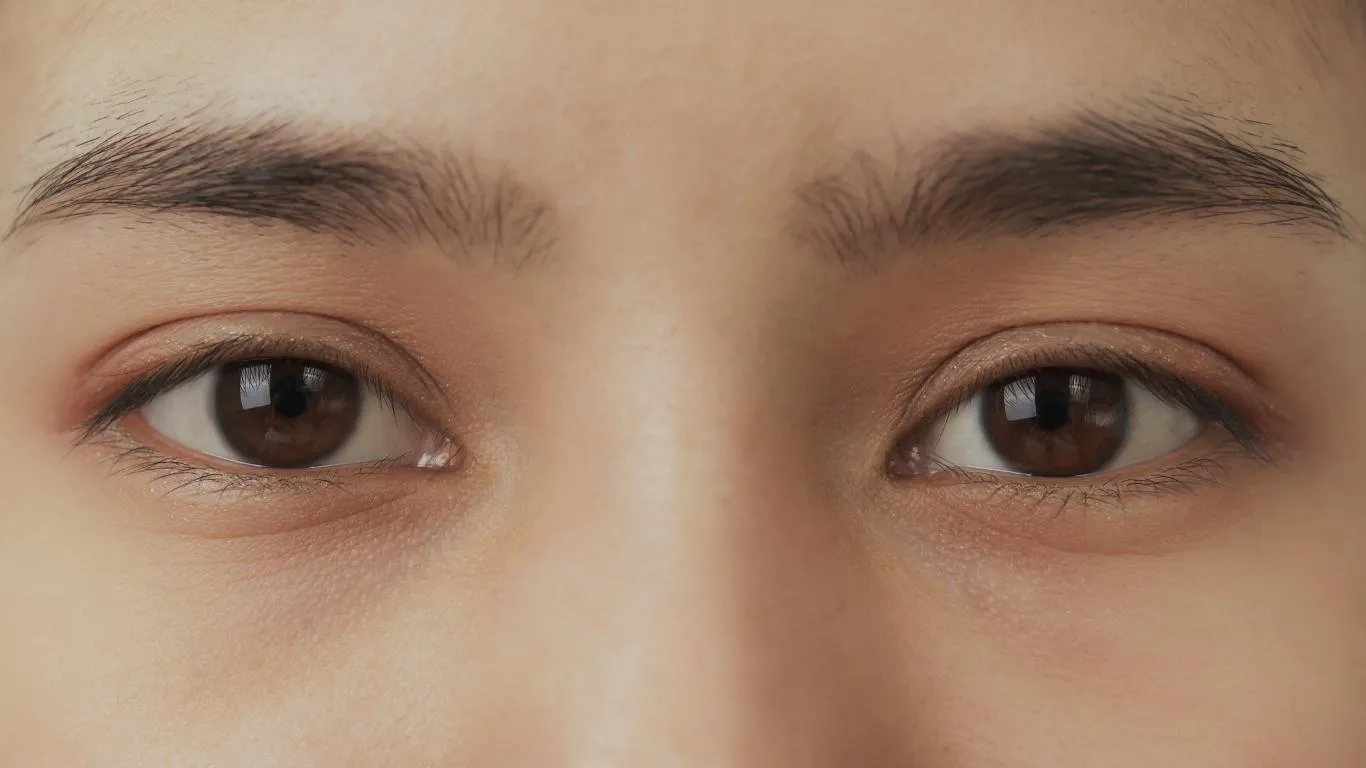
Floaters are tiny clumps of collagen that form inside the vitreous — that jelly-like substance filling the back of your eye. Over time, this gel starts to shrink and pull away from the retina, and that’s when the real party starts. You’ll begin to see shadows of these clumps floating around, especially when looking at bright, blank spaces or… yep, you guessed it — patterned curtains.
Most people start noticing floaters in their 30s and 40s. But they can show up earlier due to screen overuse, poor sleep, or even after things like using your phone in the dark.
Floaters Aren’t Just for the Elderly
Let’s bust that myth. You don’t need to be collecting AARP newsletters to see floaters. I was in my early 30s when mine started. For others, they can creep in even earlier due to:
- High screen time (guilty 😅)
- Eye strain from reading in bad lighting
- Stress and lack of sleep
- Dehydration
In fact, floaters in young healthy adults are more common than we think — especially in the digital age.
Why Some People Only Notice Them in Certain Rooms
It’s not just about patterned curtains. Many folks report seeing floaters in rooms with specific ambient lighting or color palettes. A room with warm tones and natural textures might hide floaters better, while bright, white-themed spaces act like a spotlight for them.
Here’s what makes them pop more in some rooms:
- Directional lighting — like sunlight beaming through windows
- White or light-colored decor that creates a canvas
- Detailed backgrounds, especially if there’s movement (like swaying curtains)
All this creates the perfect storm for floaters to become visually annoying.
When It’s Just a Nuisance… and When It’s Not
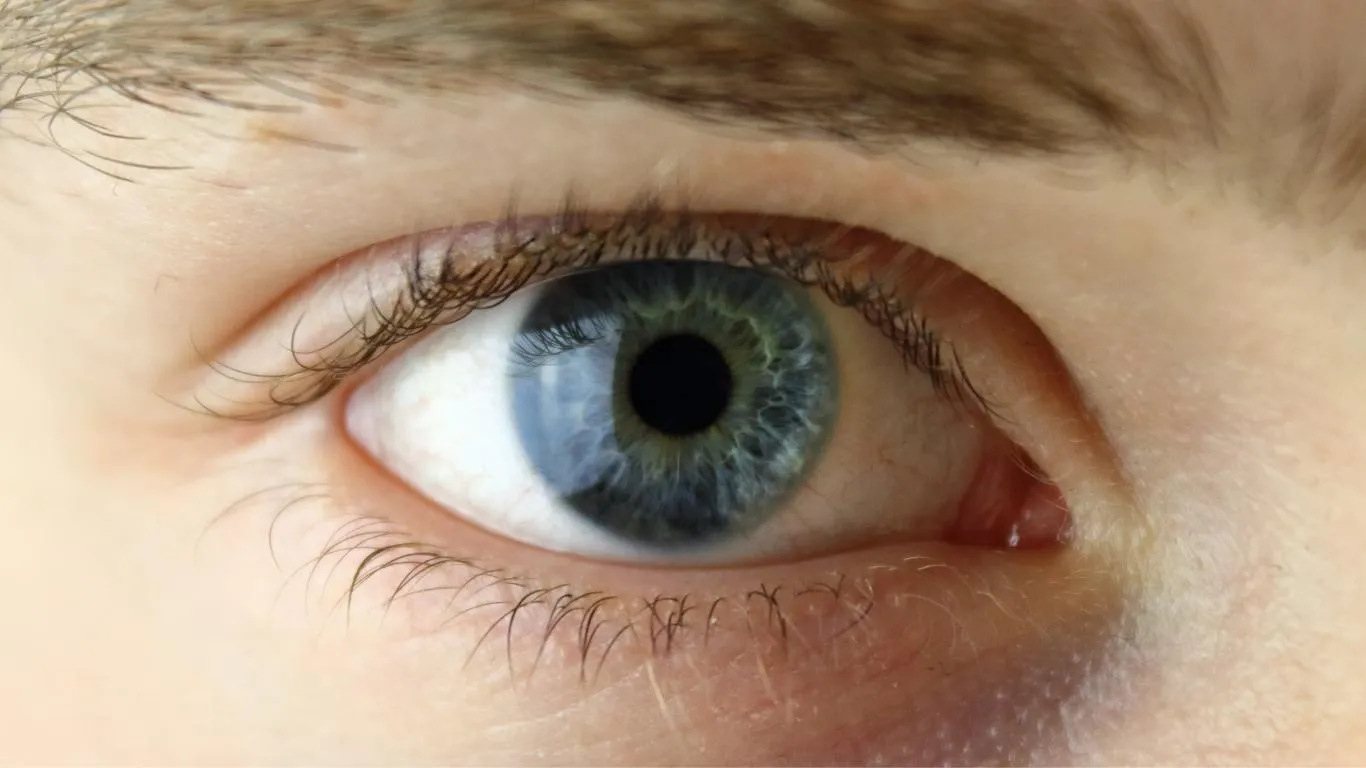
Now, the good news — most floaters are harmless. Annoying, yes. Dangerous? Not usually. But (and it’s a big but) some floaters can be signs of something more serious.
If you notice a sudden burst of floaters, flashes of light, or a curtain-like shadow creeping over your vision — get to an eye doctor fast. That’s not the kind of curtain you want involved. These could be signs of a retinal tear or detachment. If that sounds like you, read more on what retinal holes can reveal or explore when floaters are dangerous.
How I Cope with My Floaters (Especially in Pattern-Heavy Rooms)
First off, I stopped panicking. The more I stressed about them, the more I noticed them. Here’s what actually helped me:
- Soft lighting – Switched to warm bulbs instead of harsh LED overheads
- Decluttering the view – Fewer patterns, simpler backgrounds
- Eye breaks – Follow the 20-20-20 rule: every 20 minutes, look 20 feet away for 20 seconds
- Hydration – Seriously, floaters get worse when dehydrated
If you’re constantly bothered by floaters indoors, you’ll find relief tips in this helpful post.
Want to dive deeper into what floaters are and how to manage them long-term? Check out this comprehensive guide on causes, symptoms, and treatments — it’s basically the main resource for anyone who’s just discovering these weird visual quirks.
Also worth exploring is this article that breaks down the common causes of eye floaters — especially if your lifestyle or health history may be part of the issue.
Natural Ways I Tried to Minimize My Floaters (Some Helped, Some Didn’t)
Look, I get it — floaters are frustrating. After a couple of weeks of seeing floaters dance across my vision every time I looked at patterned curtains, I went down the rabbit hole. Google, Reddit threads, YouTube doctors… you name it. Some of it helped, some of it was total junk. But here’s what actually gave me some relief.
Hydration and Diet: Surprisingly Effective
This might sound too simple, but upping my water intake made a difference. I noticed that on days I forgot to drink enough water, the floaters were bolder and more annoying. Turns out, dehydration affects the vitreous fluid, making floaters more prominent. There’s an interesting take on it in this post.
Also, I began focusing on foods rich in antioxidants — especially lutein and zeaxanthin. Think:
- Spinach, kale, and other dark leafy greens
- Orange bell peppers
- Blueberries
- Wild-caught salmon
Even supplements like Omega-3s and Vitamin C became part of my routine. I learned more from a pretty solid breakdown on the best supplements that support vision health.
Eye Exercises: Worth the Effort?
Okay, not going to lie — I was skeptical. But I gave eye exercises a shot. They didn’t make my floaters disappear, but they helped with eye fatigue, especially after long screen hours. Rolling my eyes in slow circles, focusing near and far, and blinking more deliberately gave my vision some relief.
Turns out, some people swear by targeted techniques. Check out these eye exercises for floaters if you’re curious.
When I Finally Asked My Eye Doctor
After months of guessing, I finally saw an ophthalmologist. Not because the floaters got worse — but because my anxiety about them did. He explained that most floaters are benign and just a part of aging, even if you’re on the younger side like me. What surprised me was learning about posterior vitreous detachment, which is a super common cause of floaters and can start earlier than we think.
He did say, though, if they suddenly multiply or if I notice light flashes, it could signal something more serious — like a retinal tear. That’s when you don’t wait, you run to the clinic. Knowing the difference between benign floaters and warning signs gave me peace of mind. If you’re unsure, here’s a great read on telling floaters apart from real retinal trouble.
Why Patterned Curtains (Still) Bother Me Sometimes
Even now, certain rooms mess with my eyes more than others. It’s always the ones with sharp contrast: navy florals on cream backgrounds, vintage paisleys, or high-sheen curtains that reflect sunlight at just the right (or wrong?) angle.
When I can’t swap out the decor (like visiting my aunt’s house 😅), I just shift where I sit. Facing away from the curtain, angling my chair, dimming the light a bit — it helps. In a pinch, wearing slightly tinted computer glasses makes floaters less noticeable, something I picked up from this article.
Other Triggers You Might Not Realize
- Bright white walls or floors
- Window blinds with alternating lines
- Textured wallpapers with high contrast
- Light-reflecting surfaces
These environments can bring floaters into the spotlight. I even noticed them more when switching from my phone to paper or when blinking rapidly in certain lighting.
Can You Actually Get Rid of Floaters?
That’s the million-dollar question. Short answer? Sometimes. There are treatments — laser vitreolysis and vitrectomy — but they’re usually reserved for extreme cases where floaters disrupt daily life. I’m not there yet. But if you’re considering medical intervention, I’d suggest diving into this resource on treatment options for floaters.
For most of us, though, the best plan is managing symptoms and ruling out serious causes. Over time, your brain gets better at ignoring them. It’s kind of wild, but it works.
What Helped Me Mentally
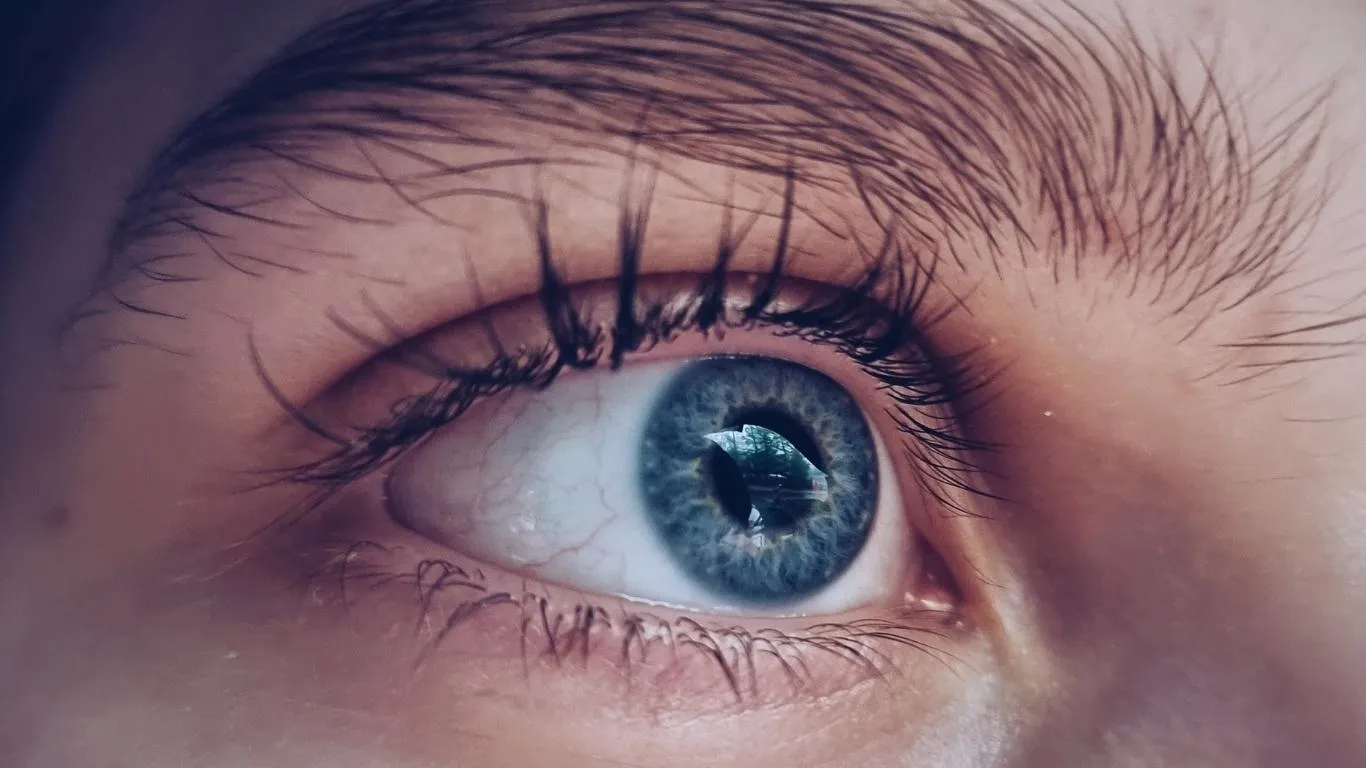
At one point, the floaters weren’t the problem — my obsession with them was. I was constantly scanning for them, waiting for them to appear. It made me anxious and frustrated. I had to consciously let go of the need to “fix” them instantly.
Meditation, journaling, and spending less time in high-contrast environments helped. I even found that floaters after meditation weren’t uncommon — but for me, the calm helped me focus less on them.
And weirdly enough, switching out some of my home decor helped. Replacing busy patterned curtains with sheer or solid fabric made a noticeable difference in my mental state. Not just visually — but emotionally. The space felt calmer, and so did I.
If you’re in the thick of it, know you’re not alone. Floaters can be frustrating, especially when they appear in everyday spaces like your favorite room. But with the right knowledge, some lifestyle tweaks, and a bit of patience, they can become just another quirky thing your body does — not a constant source of stress.
And if you haven’t already, I highly recommend starting here: this main guide on eye floaters breaks everything down from symptoms to solutions. Also, if you suspect something more than natural aging, this deep dive into floaters vs. other eye problems is gold.

Camellia Wulansari is a dedicated Medical Assistant at a local clinic and a passionate health writer at Healthusias.com. With years of hands-on experience in patient care and a deep interest in preventive medicine, she bridges the gap between clinical knowledge and accessible health information. Camellia specializes in writing about digestive health, chronic conditions like GERD and hypertension, respiratory issues, and autoimmune diseases, aiming to empower readers with practical, easy-to-understand insights. When she’s not assisting patients or writing, you’ll find her enjoying quiet mornings with coffee and a medical journal in hand—or jamming to her favorite metal band, Lamb of God.