Why Floaters Only Visible Against Wood Grain Might Signal Eye Strain
Ever sat staring at your hardwood floor, only to notice tiny squiggly lines or shadows drifting across your vision—right when you shift your eyes across the wood grain? That exact moment used to catch me off guard. It didn’t happen against the TV or white walls, just wood grain. And it turns out, it wasn’t just my imagination. If you’ve been seeing floaters only visible against wood grain, you’re definitely not alone.
Why Wood Grain Seems to Reveal Eye Floaters
Let’s start with the big question—why do floaters suddenly pop up when you’re looking at wood? The short answer: contrast and pattern density. Wood grain, especially in polished or sunlit floors, creates enough subtle variation in tone and texture to make those translucent floaters stand out. It’s not because your floaters multiply near furniture—it’s just that your eyes have found the perfect background to detect them.
It’s All About Lighting and Contrast
I first noticed mine in the morning when sunlight poured in, making every knot and swirl in the floor pop. That natural lighting enhanced the background contrast. Since floaters are essentially little shadows in the vitreous gel of your eye, they’re more likely to become obvious when the light hits them just right.
Other people have reported a similar effect when looking at:
- Weathered wooden decks outdoors
- Textured wallpapers
- Wooden kitchen cabinets in fluorescent lighting
It’s Not Just You – This Is Common
There’s a growing trend of people describing how they only notice their floaters in very specific environments—especially when viewing patterns like wood grain. It’s not a hallucination or overthinking. This is a known quirk of how floaters interact with light, shadow, and contrast. In fact, this article explains how neutral surfaces like white backgrounds or patterned textures amplify their visibility.
What Are Floaters, Really?
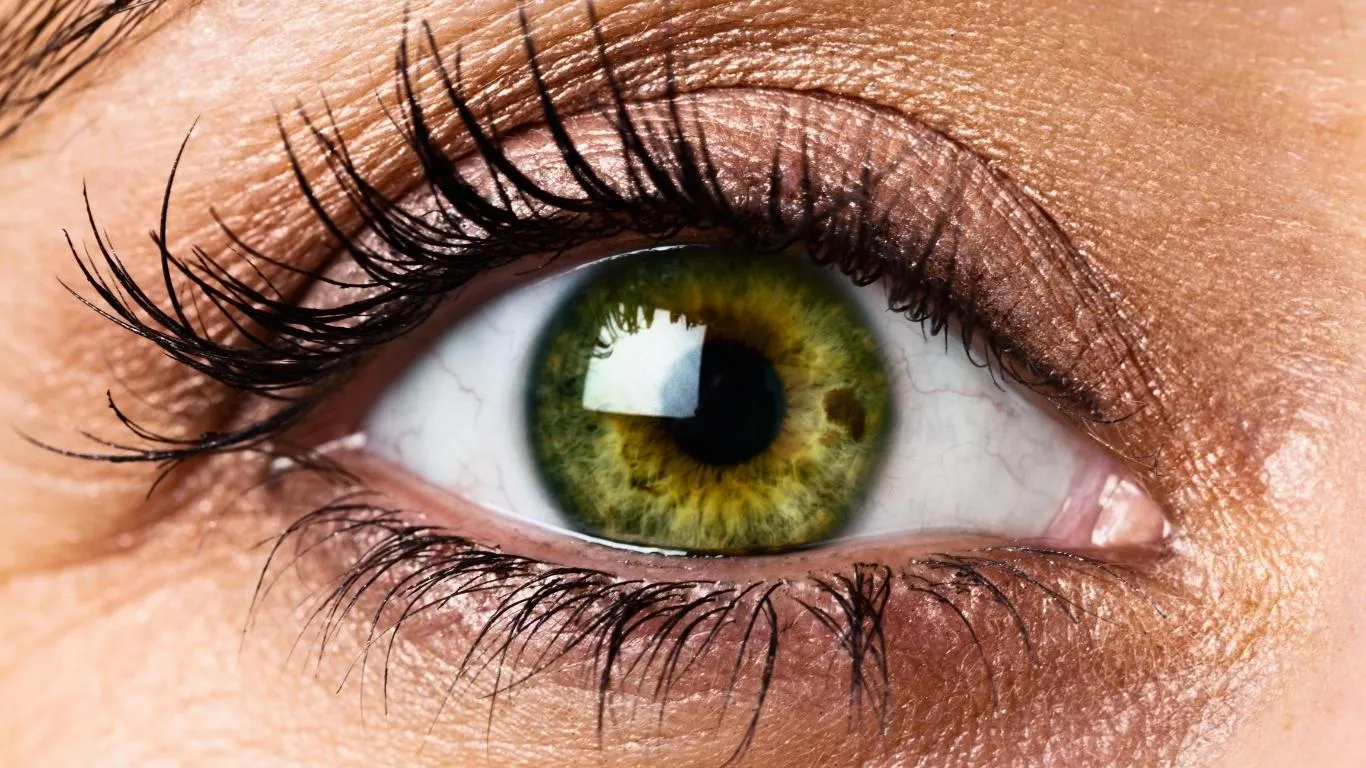
Floaters are little bits of protein, collagen, or cellular debris floating around inside your vitreous humor—the clear, gel-like substance that fills your eyeball. When light enters your eye and hits these floaters, it casts a shadow on your retina, which is what you see. It’s kind of like a transparent jellyfish swimming around in your field of vision.
Common Causes of Floaters
According to this in-depth explainer, some of the most common causes include:
- Aging: As you age, the vitreous starts to shrink and liquefy, leading to floaters.
- Eye Injuries: Any trauma to the eye can introduce debris into the vitreous.
- Eye Surgeries: Especially procedures like LASIK or cataract surgery.
- Inflammation: Conditions like uveitis or other autoimmune responses.
In some rare cases, they might be linked to diabetes-related retinal complications or signs of vitreous syneresis, which you can read more about from sources like the American Academy of Ophthalmology (https://aao.org).
Why Do They Show Up Only Sometimes?
There’s something super strange about how inconsistent they are. One minute you’re fine, the next, they dance in front of your eyes like they own the place. What gives?
The key variable is movement and light angle. Floaters drift with your eye movements and tend to settle when your gaze is fixed. Wood grain surfaces—especially those with horizontal lines—naturally guide your eye in smooth lateral movements, which make floaters move and become more noticeable.
When You Should Pay Attention
While floaters are often harmless, they can occasionally signal something more serious. If you suddenly see a shower of floaters or flashes of light, it could mean a retinal tear or detachment is occurring. Here’s what to look for if you’re concerned about worsening symptoms.
Also, don’t brush off floaters that seem to increase only when your head is tilted or when you’re looking down. Those might signal posterior vitreous detachment (PVD). It’s fairly common as we age but should still be confirmed by a doctor. One great overview of the symptoms is in this guide.
Can You Reduce How Noticeable They Are?
Here’s the thing. Most floaters don’t go away completely—but your brain does adapt. That said, there are ways to minimize their impact:
- Stay hydrated: Dehydration can make floaters seem worse. Some experts suggest poor hydration may reduce vitreous clarity.
- Try light diffusers indoors: If direct light on wood floors makes your floaters flare up, reduce glare where possible.
- Eye exercises: While evidence is mixed, some eye movements may help your brain ignore them.
- Boost eye nutrition: Foods rich in lutein, vitamin C, and omega-3s support overall eye health. Check out this nutrition-based guide.
My Personal Trick
When I work from home on my wooden desk, I’ve found that using a desk mat with a neutral, matte color reduces how often I catch those floaters out of the corner of my eye. It’s not a medical fix—but man, does it help me focus better.
What to Read Next If You’re Still Curious
Floaters can feel harmless one day and distracting the next. If you’re wondering how to tell the difference between floaters and other vision issues, this resource is helpful: Eye Floaters vs. Other Eye Problems. And for a broader look at what causes, worsens, and treats floaters over time, I’d highly recommend starting with the main eye floaters guide on Healthusias.
What If They’re Getting Worse Over Time?
It’s one thing to spot a few floaters now and then, especially when looking at textured backgrounds like wood grain. But if you’ve noticed them increasing or becoming denser—even to the point they’re disrupting daily tasks—it’s worth digging deeper. There’s a difference between harmless floaters and those tied to underlying conditions.
In some cases, it’s a result of age-related vitreous changes. In others, floaters might worsen after something like LASIK surgery or following an infection. Surgical history and trauma can both play a bigger role than we think.
Warning Signs You Shouldn’t Ignore
Here are a few red flags where floaters are not just floaters:
- Sudden explosion of floaters (looks like dust or ash)
- Accompanied by light flashes or shadows in your vision
- Floaters visible even in dim light or closed eyes
- Floaters that look like curtains or streaks
These may indicate retinal detachment, posterior vitreous detachment, or even retinal vein issues. Get an eye specialist involved immediately if you notice any of these. One helpful resource is NCBI for reviewing peer-reviewed cases on floaters and their escalation risk.
Floaters vs. Visual Illusions: How to Tell the Difference
One of the weirdest things I struggled with early on was wondering, “Am I actually seeing something real?” Wood grain can play tricks on your brain. If you’re ever unsure whether what you’re seeing is a true floater or a pattern blending in with the wood, try blinking slowly and shifting your gaze.
Floaters tend to move slightly when your eyes move and then settle. They don’t stay static. Visual illusions from patterned surfaces don’t follow your eye movement—they stay fixed to the object. If you’re still unsure, check this in-depth guide: floaters or visual disturbances?
Natural Ways People Manage Visibility of Floaters

Although floaters can’t typically be “cured” without surgery, many people—including myself—have tried a few practical tricks that reduce how disruptive they feel, especially in high-contrast environments like wood grain settings.
- Adjust your lighting: Switching to warmer lighting, reducing glare, or using sheer curtains can make a difference indoors.
- Anti-glare coatings: Glasses with anti-reflective lenses help in environments with natural textures.
- Monitor hydration: Dehydration has been linked to increased floater visibility in some studies.
- Blue light filters: For people spending long hours indoors, this discussion breaks down how light filters can either help or worsen the issue.
And here’s the strange part—some people even report that floaters seem to disappear after certain postures or head movements. I don’t think I’ve scientifically confirmed it, but personally, tilting my head slightly downward when walking seems to minimize mine.
Are Supplements and Diet Changes Actually Worth Trying?
It’s no secret that eye health is tied to nutrition. But can food or supplements really help with floaters, especially those pesky ones that only show up in high-texture environments like wood grain? While no miracle pill exists, certain nutrients may support vitreous clarity over time.
Evidence-Backed Nutrients for Eye Support
- Lutein & Zeaxanthin: Found in spinach, kale, and eggs. Known for supporting retinal health.
- Vitamin C: An antioxidant that supports collagen structure in the eye. Here’s what research shows.
- Omega-3 fatty acids: Fatty fish or flaxseed oil can reduce eye inflammation.
- Magnesium: Essential for nerve function and may reduce stress-related floaters. Magnesium insight.
Many ophthalmologists agree that a good diet won’t eliminate floaters—but it can create a healthier environment in the eye that may prevent worsening symptoms.
When Is Treatment Worth It?
Most floaters don’t need intervention. But when they affect your quality of life—like interfering with reading, driving, or even enjoying your living space—medical options are available.
Two Main Options:
- Laser Vitreolysis: Uses a laser to break up floaters. Works best for larger, more defined floaters.
- Vitrectomy: A surgical option that removes the vitreous gel. Very effective but carries more risk.
For more about these options, including risk and recovery time, check out the complete overview here: Treatment of Eye Floaters.
Always consult a retina specialist before choosing a procedure. The American Optometric Association (https://aoa.org) also offers guidelines on when surgery is truly necessary for floaters.
Quick Lifestyle Tips That Actually Help
Here are some of the tweaks I’ve made that made the biggest difference day-to-day:
- Use desk surfaces that are matte or light gray instead of wood grain.
- Break screen time every 30 minutes with the 20-20-20 rule.
- Increase eye movement during walks; this encourages floaters to shift out of central vision.
- Choose natural lighting over LEDs whenever possible—here’s why that works.
And yeah, I even switched to bamboo-pattern flooring in one room—just to see if it helped. It totally did. The softer grain pattern makes floaters less noticeable for me.
Final Word on Floaters and Wood Grain Vision Triggers
Seeing floaters only visible against wood grain doesn’t mean your eyes are broken or you’re imagining things. It means your eyes are reacting exactly how they should—responding to light, texture, and movement. The good news is, there’s plenty you can do to make them less disruptive, from lighting tweaks to diet shifts to practical daily habits.
If you’re still trying to figure out the root of your floaters, or you’re noticing other symptoms, it’s always worth checking out this comprehensive guide: Eye Floaters: Causes, Symptoms & Treatments.

Camellia Wulansari is a dedicated Medical Assistant at a local clinic and a passionate health writer at Healthusias.com. With years of hands-on experience in patient care and a deep interest in preventive medicine, she bridges the gap between clinical knowledge and accessible health information. Camellia specializes in writing about digestive health, chronic conditions like GERD and hypertension, respiratory issues, and autoimmune diseases, aiming to empower readers with practical, easy-to-understand insights. When she’s not assisting patients or writing, you’ll find her enjoying quiet mornings with coffee and a medical journal in hand—or jamming to her favorite metal band, Lamb of God.