Why Floaters Only Visible In Morning Light Can Be A Warning Sign
Waking up, stretching, and then noticing those annoying little specks or cobwebs dancing across your vision? Yeah, been there. It’s especially odd when they seem to only show up in the morning light—like a rude wake-up call before you’ve even had your coffee. When I first noticed these morning-only floaters, I honestly thought it was just me being half-asleep. But over time, I realized there’s more to this experience than just tired eyes. Let’s dive in and talk about what’s really going on when floaters become your uninvited morning guests.
Why Do Floaters Show Up More in Morning Light?
Our eyes—and the stuff floating around in them—don’t really change overnight. But our environment and the way our eyes adjust do. Floaters tend to become more noticeable in high-contrast settings. Morning light, especially that soft sunlight coming through the blinds, is the perfect backdrop for these tiny shadows to show off.
It’s like how dust looks invisible on your desk until a beam of light hits it just right. Same principle here. The floaters didn’t appear because it’s morning—they’re just easier to see because of the lighting conditions.
The Science Behind It
- Morning sunlight often enters the room at a low angle, creating sharper contrast and longer shadows—ideal for spotting floaters.
- After sleep, your pupils are still a bit dilated, and the retina is more sensitive to light.
- Your eyes haven’t fully adjusted to the day’s brightness, making floaters more obvious.
This is also why floaters seem to vanish when you’re out in bright daylight or in dim rooms—they’re still there, but your brain tunes them out against more chaotic visual noise.
Is It Normal to See Floaters Only in the Morning?
Yep. Annoying, but totally normal—at least most of the time. Floaters are microscopic clumps of collagen inside the vitreous humor (the gel-like stuff in your eye). As we age, that gel becomes more liquid, and the fibers start to clump together. These clumps cast shadows on your retina, which is what you’re seeing.
If you’re under 40 and dealing with this, it might be due to early vitreous changes or even stress and eye strain. And if you’re like me and spend a ton of time in front of screens? That definitely doesn’t help.
When to Take It Seriously
- If the floaters suddenly increase dramatically
- If you notice flashes of light
- If there’s a shadow or curtain over your vision
In these cases, it could be something like a retinal tear, and you should get it checked out immediately. According to the American Academy of Ophthalmology, sudden changes in floaters can be a warning sign of retinal detachment.
How Light Conditions Impact Eye Floaters
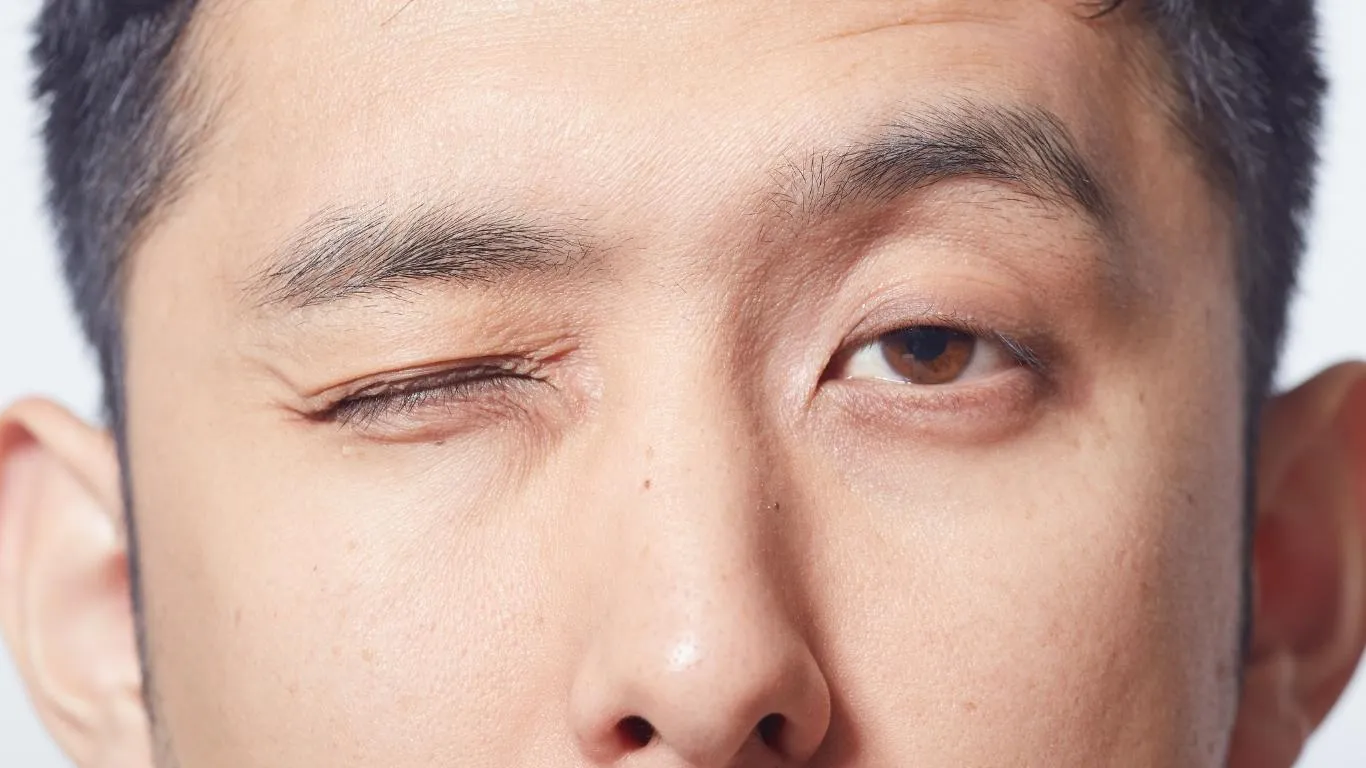
Here’s something I personally noticed: floaters love contrast. They’re like that one friend who only shows up when the lighting is just right for a dramatic entrance. When the light is even—like overhead daylight or shaded areas—they’re practically invisible. But with angled sunlight in the morning? Boom. Front and center.
Studies have shown that people with high contrast sensitivity—common in those with lighter-colored eyes or certain genetic traits—tend to see floaters more clearly in bright environments. Combine that with the angle and tone of morning sunlight, and you’ve got the perfect storm for visual distractions.
Can Diet or Hydration Play a Role?
Believe it or not, yes. Dehydration can make the vitreous gel shrink slightly, worsening floater visibility in certain lighting. I found that on mornings after I didn’t drink enough water the day before, the floaters were far more obnoxious.
You might want to check out this article about how dehydration affects floaters—it really changed how I approach my hydration habits.
Simple Ways to Minimize Floaters in the Morning
While you might not be able to eliminate floaters completely, you can definitely reduce how much they interfere with your mornings.
- Adjust the blinds: Soft, diffused light reduces sharp contrasts.
- Get moving: Blinking and eye movements help shift the floaters out of your visual center.
- Stay hydrated: A well-hydrated body = more stable vitreous gel.
- Eye health supplements: Omega-3s, lutein, and antioxidants may support long-term eye health. Here’s a good start: best supplements for floaters.
For some people, even changing their sleeping position helps. If you’re always waking up with floaters front-and-center, try sleeping slightly elevated or on your back. There’s a lot to explore.
Understanding the Bigger Picture
If you’re seeing floaters only in the morning, chances are it’s all about the lighting. But if you’re getting them throughout the day, especially if they’re growing in number or coming with other symptoms, it’s worth reading up on broader causes. I recommend starting with this detailed breakdown on eye floaters causes and treatments as well as the most common causes of floaters.
Morning floaters are a quirky part of eye health not many people talk about—but once you know what’s causing it, you’re halfway to managing it better.
Why Floaters Fade After Morning or Shift Around
One of the weirdest things about floaters that only show up in the morning is how they just… disappear after breakfast. It’s not that they’re gone—just less visible. That’s because floaters move with the vitreous gel, and as you start your day, your eyes are blinking, shifting, and adjusting focus.
These movements help push floaters out of your central line of sight. Plus, as the day gets brighter and light sources become more uniform, the contrast isn’t as strong. I’ve also noticed on cloudy mornings or when I sleep in a room with blackout curtains, the floaters are way less noticeable. The environment makes a difference.
What Causes Them to Shift?
- Eye movement: Looking around or blinking helps floaters settle out of view.
- Head position: Lying down overnight redistributes the vitreous gel, shifting floaters into new positions by morning.
- Light diffusion: Midday light is typically more evenly distributed than early sunlight, reducing the chance of sharp shadows.
It also helps to know that floaters tend to “sink” over time. So what’s dead-center in your vision at 7 a.m. might settle lower by 9 a.m. This floating behavior is exactly why some days they’re worse than others.
When Morning Floaters May Signal a Bigger Issue
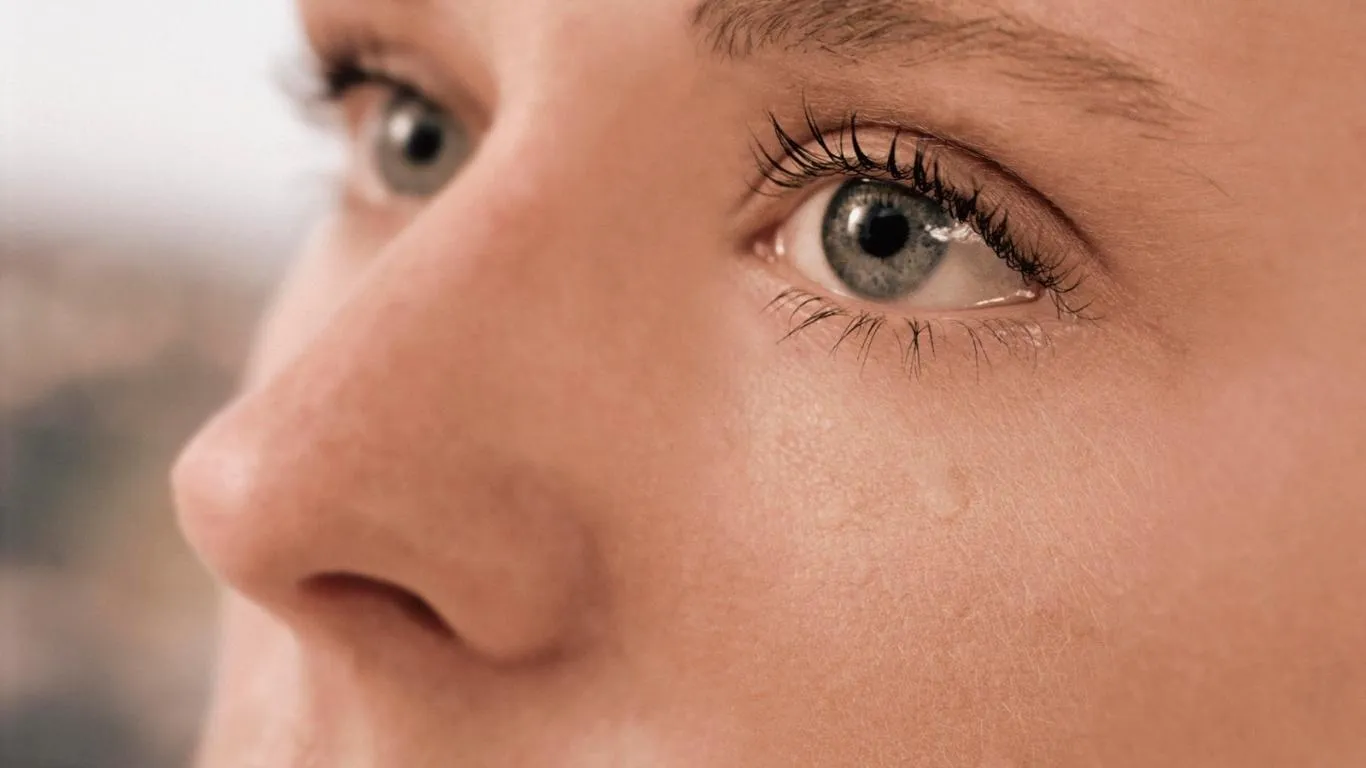
Let’s be real—most floaters are harmless. But sometimes they’re trying to tell you something. If you’re seeing a dramatic spike in floaters only in one eye, or they’re coming along with weird flashing lights or a sensation of a “curtain” over part of your vision, that’s not morning grogginess—that’s a red flag.
Conditions like posterior vitreous detachment (PVD) or early signs of retinal tear can start subtly. Floaters that change overnight or seem progressively worse every morning may be signs something more serious is developing.
Watch for These Red Flags:
- New floaters that increase daily
- Light flashes, especially in low light
- Blurred, distorted, or tunnel-like vision
- Floaters shaped like rings or spider webs (classic sign of PVD)
In these cases, a visit to an ophthalmologist is a must. According to Mayo Clinic, early diagnosis can prevent retinal damage or detachment if caught quickly.
Managing Morning Floaters Naturally

I’ve tried a bunch of things to reduce how intense floaters feel in the morning—some work, some don’t. What helped the most for me is consistency with my sleep and hydration, plus small morning habits like stretching and looking side to side slowly when I wake up.
What Might Help:
- Eye movement exercises: Gently move your eyes left to right before even getting out of bed.
- Natural herbs: Some people swear by natural herbs for vitreous clarity. I’m cautiously optimistic—just make sure you check with a doctor first.
- Blue light filtering: I’ve noticed a big difference when I limit screen time in the hour before bed. Also, blue light filters can be a double-edged sword, depending on your sensitivity.
Keeping your overall eye health in check through diet and stress management also goes a long way. I’ve personally made some diet shifts based on these eye-floater-friendly diet tips, and it’s made mornings more manageable.
Why You’re Not Alone in This
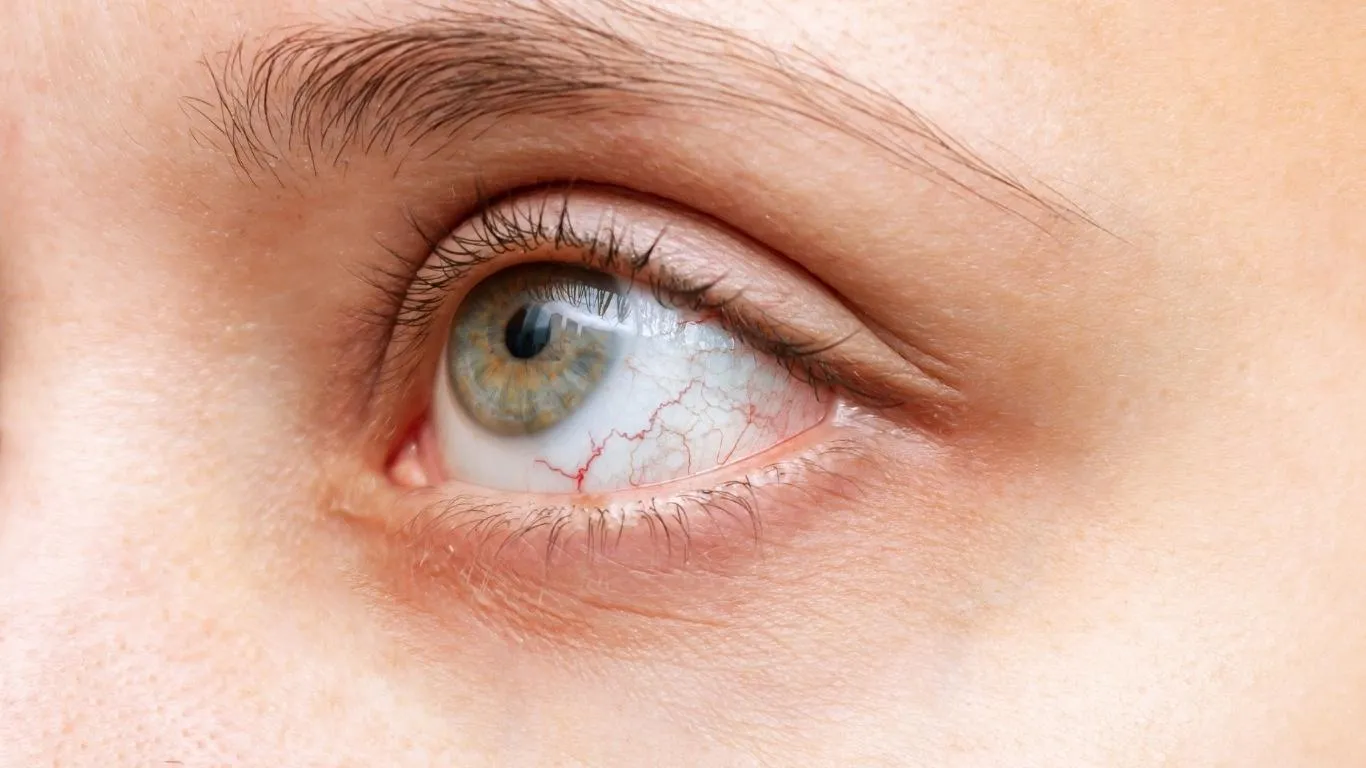
If you’re waking up wondering why these floaters seem to be waiting for you every single morning, trust me—you’re far from alone. So many people experience this but rarely talk about it. I only realized how common it was after chatting with a friend who assumed her floaters were unique to her astigmatism.
Turns out, light angle, sleep position, hydration, and even mood all affect how floaters show up in the morning. Just knowing that helped take the anxiety down a notch. It’s weirdly comforting to realize it’s not just “you being you.”
Want to Understand Eye Floaters Fully?
If you haven’t already, make sure to check out the detailed guide on what causes eye floaters and how to treat them. For a deeper dive into specific causes, this article covers aging, injury, and more in detail.
When Floaters Impact More Than Vision
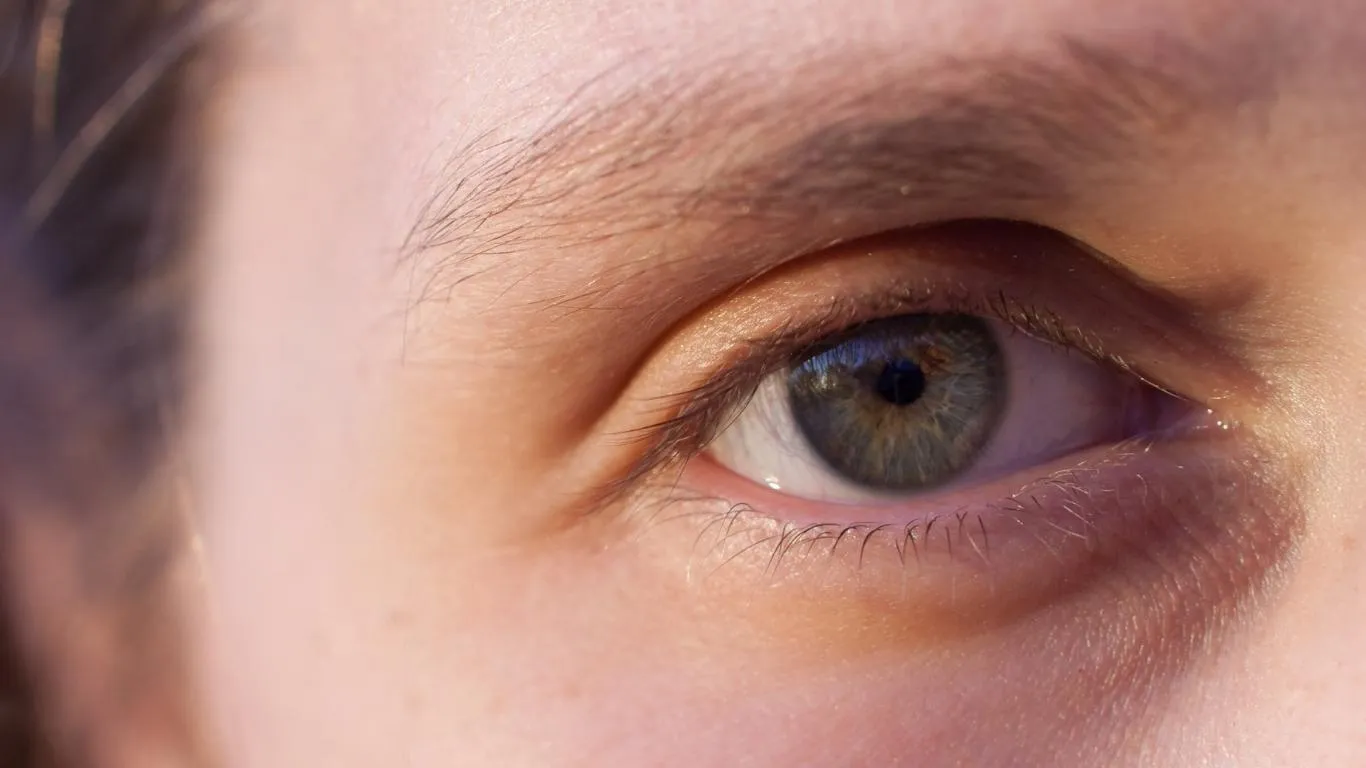
Morning floaters may be benign, but persistent ones—especially those that start affecting your mood or focus—can quietly impact your quality of life. If you’re constantly waking up frustrated, squinting to “clear” your view, it adds up. I’ve been there—feeling distracted during meetings, annoyed while driving, or just mentally drained.
You may want to read more about how persistent floaters affect mental health. The psychological toll is real, and you’re not overreacting by wanting some relief or answers.
It’s Okay to Seek Help
Not all floaters require surgery or intense treatment. But if they’re disrupting your life—even just your mornings—it’s valid to talk to someone. Some eye clinics now offer specialized treatments that are less invasive than vitrectomy and still offer results.
In the meantime, paying attention to your body, your vision, and your triggers is a powerful step. The more you know about your own patterns, the more control you gain over something that otherwise feels completely out of your hands.

Camellia Wulansari is a dedicated Medical Assistant at a local clinic and a passionate health writer at Healthusias.com. With years of hands-on experience in patient care and a deep interest in preventive medicine, she bridges the gap between clinical knowledge and accessible health information. Camellia specializes in writing about digestive health, chronic conditions like GERD and hypertension, respiratory issues, and autoimmune diseases, aiming to empower readers with practical, easy-to-understand insights. When she’s not assisting patients or writing, you’ll find her enjoying quiet mornings with coffee and a medical journal in hand—or jamming to her favorite metal band, Lamb of God.