Why You Might See Floaters After Watching Horror Movies
I’ll never forget the first time I noticed those strange little squiggly shadows drifting across my vision—right after watching a particularly terrifying horror film. I brushed it off as leftover fear-induced tension. But when it kept happening after other movies, I started wondering: could watching horror movies really be messing with my eyes? If you’ve noticed floaters showing up after a scary flick, you’re definitely not alone—and yes, there’s more going on than just jump scares.
Why Floaters May Appear After Watching Horror Movies
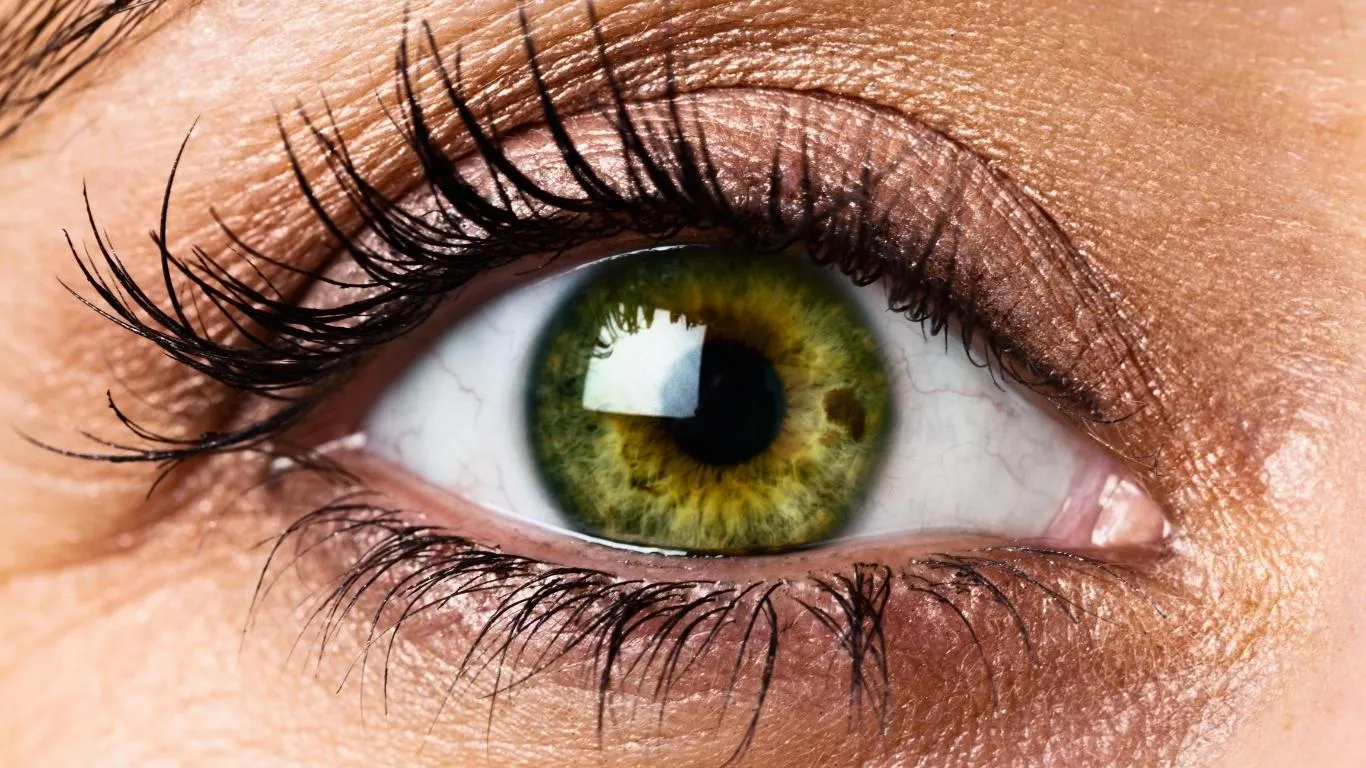
Floaters, those little drifting specs or cobwebs in your vision, are usually caused by changes in the vitreous—the gel-like substance inside your eye. When it shrinks or pulls away from the retina, it can cast shadows that we see as floaters. But why would horror movies bring them on?
Stress Response and Adrenaline Spikes
Watching horror films, especially ones with intense visuals and sound effects, can activate your fight-or-flight response. When your body is flooded with adrenaline, your pupils dilate to improve vision in perceived danger. This sudden dilation can increase awareness of floaters that were already there but previously unnoticed.
There’s actually a physiological basis here. Stress-induced eye floaters are a well-documented phenomenon, and horror movies are basically designed to make you anxious. That combo of emotional tension and pupil dilation? It’s a floater-perfect storm.
Light Conditions and Screen Contrast
If you’re watching horror movies in the dark—which most of us do—the stark contrast between a bright screen and a dark room makes floaters more visible. Floaters are easiest to spot against light, uniform backgrounds. That white hospital hallway scene in a ghost movie? Yeah, that’s when they show up.
Some viewers have reported increased floater visibility after watching films in pitch-black rooms, especially with high refresh rate screens. There’s even a term for this sensitivity: “floaters after watching screens in the dark.” If you’ve ever walked away from a horror movie feeling spooked *and* visually distracted, you’re not just imagining it.
Could This Be a Sign of Something More Serious?
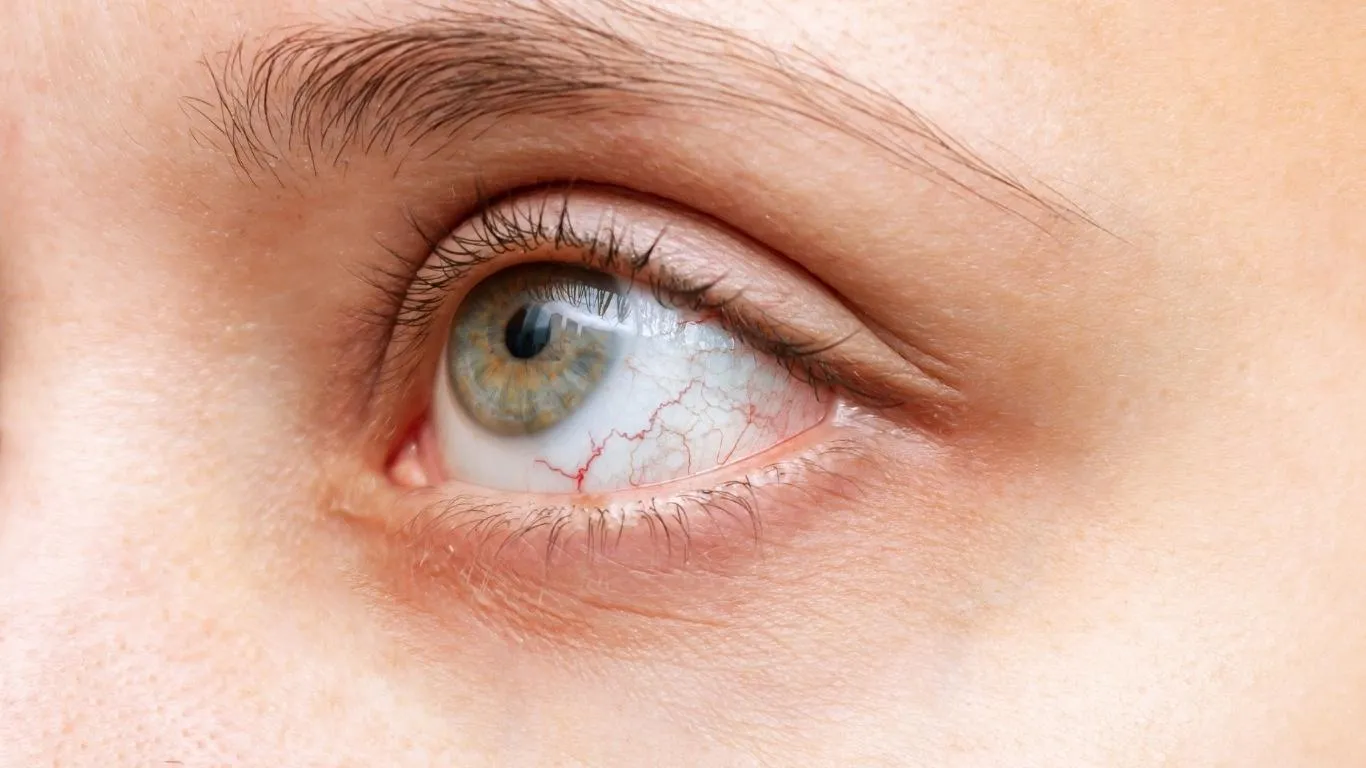
Occasional floaters aren’t usually dangerous. But sudden, intense floaters—especially with flashes of light or peripheral shadowing—can signal more serious issues like retinal detachment. And here’s where it gets a bit technical. If you’re already prone to eye issues or have high myopia, horror-induced stress may push symptoms into your awareness faster.
There’s even evidence that people with anxiety or autoimmune conditions may be more sensitive to visual disturbances. In rare cases, what looks like floaters may actually be early signs of autoimmune-related floaters or eye inflammation.
Pre-Existing Conditions That Make You More Vulnerable
- High myopia (nearsightedness)
- Recent eye surgeries or trauma
- Retinal thinning or lattice degeneration
- History of ocular migraines or photopsia
Personally, I’ve dealt with migraines for years, and I’ve noticed a consistent pattern: scary movies, followed by visual oddities. It wasn’t until I read up on migraines and visual floaters that it all clicked.
How to Tell If Your Floaters Are From the Movie or Something Else

Not all floaters are created equal. If they show up only after horror movies or dark environments and then fade away, they’re likely harmless. But here’s a checklist of red flags that mean you should absolutely see an eye doctor:
- A sudden burst of floaters, especially after watching a film
- Floaters that move rapidly or cluster in one area
- Seeing light flashes or peripheral shadows
- Loss of side vision or a curtain effect
If you check even one of those, pause your movie marathon and get evaluated. These could be signs of a retinal tear or vitreous detachment, which needs immediate medical attention.
Preventing Floaters After Your Scary Movie Binge
If your love for horror movies is non-negotiable (same here), here’s how to minimize the chance of seeing floaters next time:
- Use ambient lighting – avoid watching in total darkness
- Take breaks – every 30-40 minutes, look at something across the room
- Blink more often – to reduce dryness and screen fatigue
- Lower screen brightness – reduce extreme contrast
- Manage stress levels – deep breathing can lower adrenaline spikes
You can also check out natural floaters management tips that are backed by optometrists. While they won’t eliminate all floaters, they can help reduce their frequency and impact—especially if triggered by visual stress.
Still curious about what’s behind your floaters? Our detailed guide on common causes of eye floaters dives deeper into medical and lifestyle triggers.
And for a comprehensive breakdown of symptoms and how to interpret them, this main floater article is worth a bookmark.
When Floaters Linger Long After the Movie Ends

If you’re still noticing floaters days or even weeks after a horror film binge, it’s probably not the movie itself anymore. Instead, the flick may have just *highlighted* an issue that was already developing. Some of us don’t even realize how common floaters are until something draws our attention to them—like a dimly lit scene with a glowing screen or a jump-scare that makes your eyes dart around wildly.
But if you’re now aware of them all the time, and not just during movie nights, there may be an underlying cause worth exploring. One possibility is vitreous syneresis, where the gel in the eye breaks down over time, usually starting around age 30 or 40. It’s a completely natural part of aging—but when it accelerates or happens early, it’s worth monitoring.
Chronic Floaters vs. Momentary Visual Disruptions
Not all floaters stick around. Some people notice what I’d call “phantom floaters”—you see them for a second after stress or fatigue, then they’re gone. Others, like me, start noticing floaters that settle in and become part of the background, especially after high screen time.
If yours are becoming a daily nuisance, and not just a horror-night quirk, it may be time to evaluate your lifestyle. Floaters can be affected by everything from screen overuse to blood sugar swings.
What Experts Say About Visual Stress and Floaters
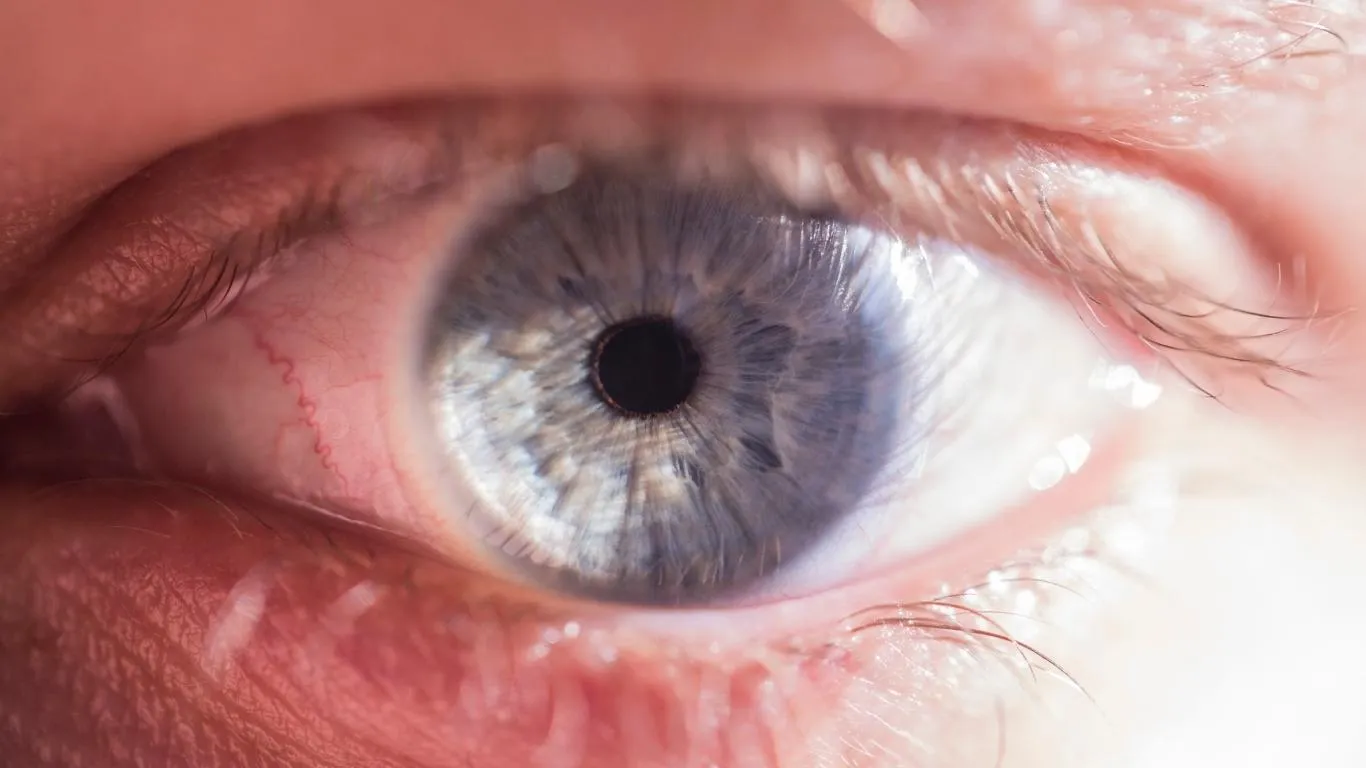
Eye care specialists are increasingly recognizing the role of *visual stress* in floater complaints. According to the American Academy of Ophthalmology, sudden awareness of floaters often happens in specific environments—low-light settings, during prolonged focus, or after an intense eye movement episode (like watching fast-cut horror edits).
There’s also growing recognition of floaters caused or worsened by fatigue, dehydration, and even diet. That late-night horror flick with snacks and three hours of staring? Not exactly eye-friendly. For more on this, see how dehydration affects floaters.
Do Supplements Help?
Let’s be real—there’s no miracle supplement that’ll make floaters vanish overnight. But I’ve personally noticed improvement after adding omega-3s and eye-specific nutrients into my daily routine. Some vision specialists recommend antioxidants, like lutein and zeaxanthin, which may support long-term vitreous clarity.
Check out this breakdown of evidence-backed supplements that are actually worth your time (and money).
Managing Floaters So You Can Still Enjoy Horror Nights
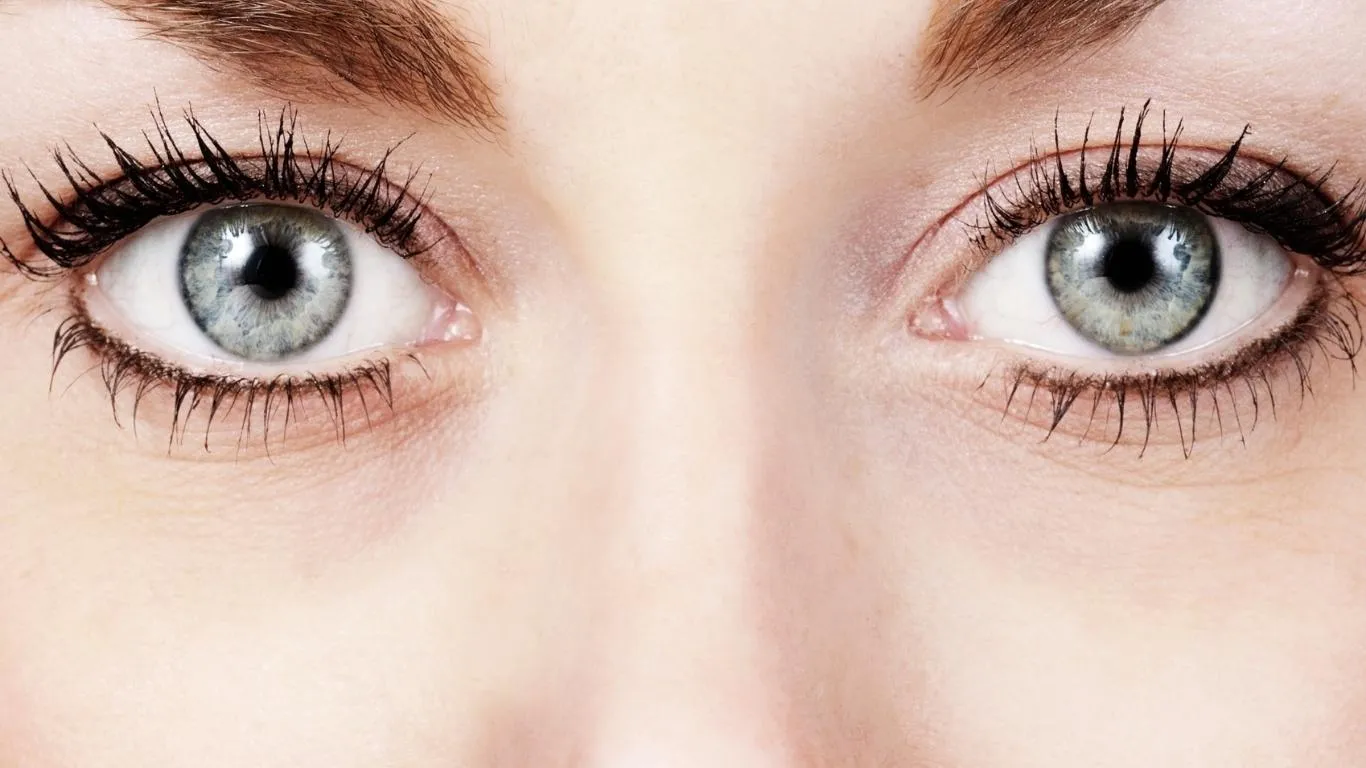
Good news: you don’t have to give up horror films. I haven’t—and I still deal with floaters now and then. But small changes in how you watch can make a surprising difference in how noticeable they become.
- Adjust screen position: Avoid looking up at your TV or screen for long periods—eye strain increases floater awareness.
- Use a bias light behind the screen: Soft backlighting reduces contrast and makes floaters less visible.
- Hydrate before long viewing sessions: It supports eye lubrication and overall ocular comfort.
- Try “eye breaks”: Every 30 minutes, pause the movie, look around, blink, and relax your eyes.
For chronic floaters, some people even explore treatment options like laser vitreolysis or vitrectomy—though they’re not typically recommended unless floaters interfere with daily life. If you’re curious about when treatment makes sense, this guide on floaters treatment options is super helpful.
When to Get Checked—Even If You Think It’s Movie-Induced
It’s tempting to brush off floaters as “just from that scary movie,” but if they persist, grow in number, or come with new symptoms, don’t delay an eye check. Floaters can be harmless—or a subtle sign of deeper issues like retinal tears, bleeding, or inflammation.
For a more symptom-focused overview, visit this practical guide on eye floater symptoms and what they could mean for your health.
Should You Be Worried About These Movie-Induced Floaters?
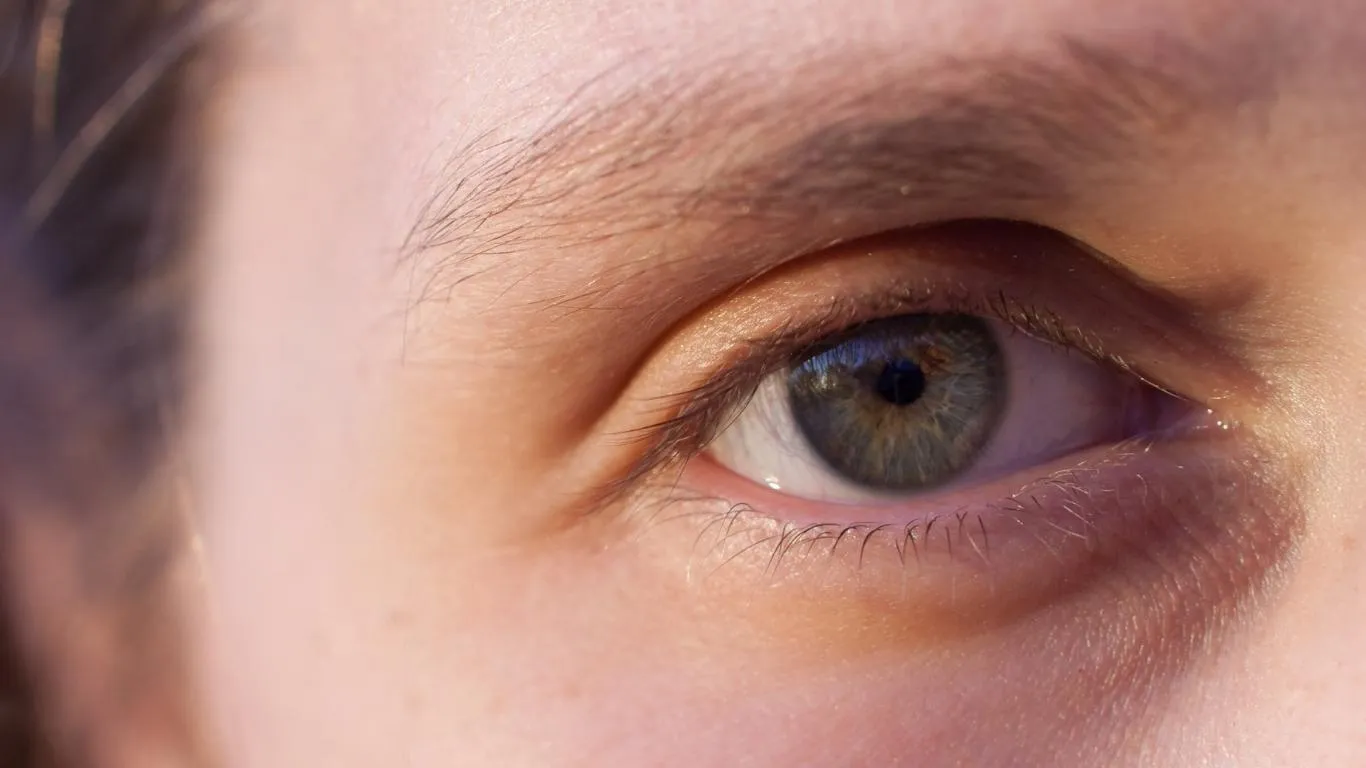
Short answer? Probably not. But like with any health issue, context is everything. If you only see them occasionally after a big screen scare session, it’s likely your eyes reacting to stress and screen conditions. But if floaters become a regular presence, or come with other visual issues, take it seriously.
It helps to track patterns—when do they appear, how often, and whether they change. I actually started logging mine in a notebook. Turns out, horror movies + dry eyes from heater use = instant floaters.
Want to get a more holistic view of what’s going on? This main guide on causes and treatments for eye floaters is an excellent place to start. For a deep dive into when they signal something more serious, you might also check out this warning sign checklist.

Camellia Wulansari is a dedicated Medical Assistant at a local clinic and a passionate health writer at Healthusias.com. With years of hands-on experience in patient care and a deep interest in preventive medicine, she bridges the gap between clinical knowledge and accessible health information. Camellia specializes in writing about digestive health, chronic conditions like GERD and hypertension, respiratory issues, and autoimmune diseases, aiming to empower readers with practical, easy-to-understand insights. When she’s not assisting patients or writing, you’ll find her enjoying quiet mornings with coffee and a medical journal in hand—or jamming to her favorite metal band, Lamb of God.