Why Floaters Seen in Garden Lighting at Dusk Feel More Distracting
Have you ever been out in your garden at dusk, soaking in the soft glow of string lights or lanterns, when tiny, shadowy shapes start drifting across your vision? Those strange, floating specks can make you second-guess whether it’s the lighting playing tricks or if your eyes are trying to tell you something. I’ve been there, watering my succulents as the sun sets, only to be distracted by those annoying floaters that seem to dance more vividly in garden lighting. Turns out, this is a real phenomenon, and it’s more common than you’d think.
Why Floaters Become More Noticeable in Garden Lighting at Dusk
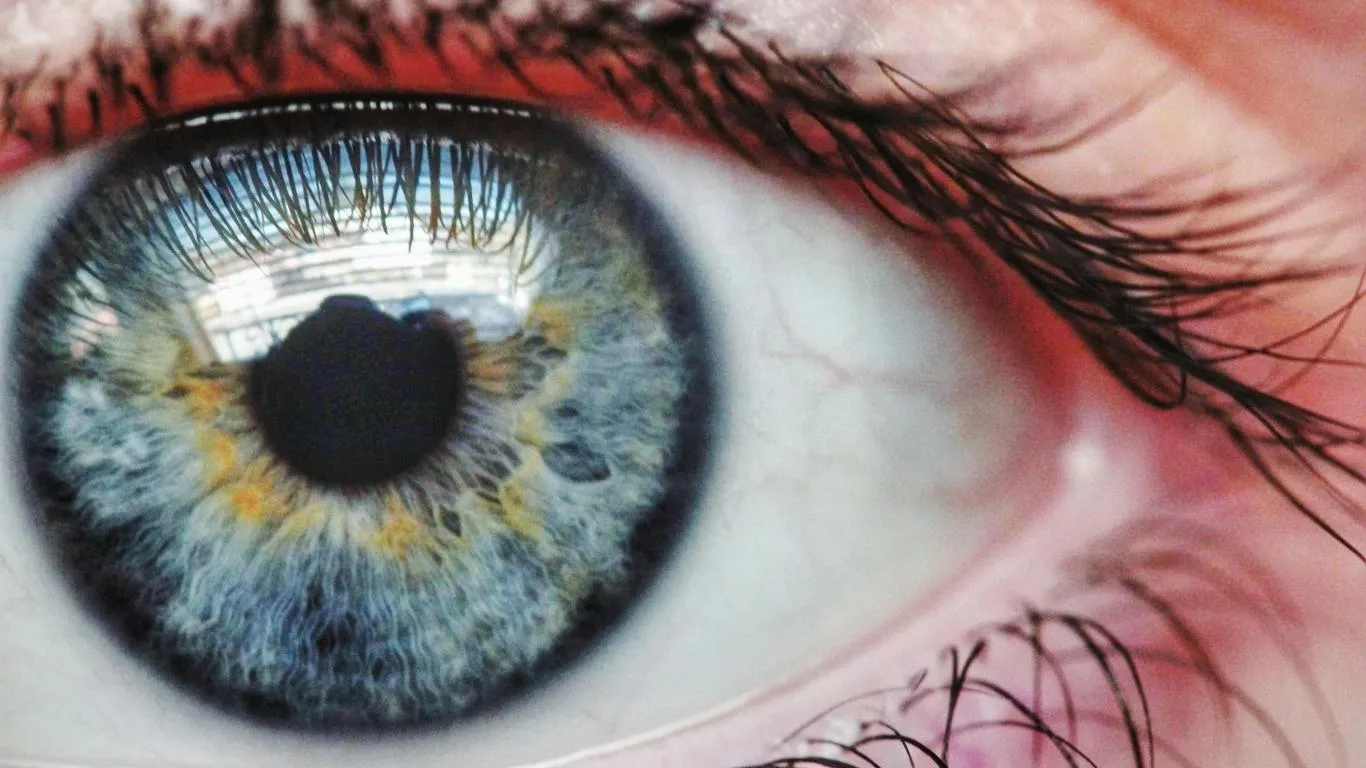
Garden lighting at dusk has a unique way of amplifying eye floaters. The combination of low ambient light and sharp artificial illumination—think fairy lights or path lights—creates a perfect contrast that makes floaters pop into visibility. The vitreous gel in our eyes, which naturally liquefies with age, harbors tiny collagen fibers. When the light hits them at certain angles, especially against a dim background, they cast tiny shadows on your retina, making them suddenly appear more prominent.
It’s not a coincidence that many people first notice floaters during casual evening walks or while lounging under decorative outdoor lights. If you’ve experienced this, you’re not alone. According to American Academy of Ophthalmology, floaters are often most visible when looking at plain, bright backgrounds—but garden lights at dusk create a similar contrast scenario.
My Personal Battle with Dusk Floaters
I used to think my evening garden time was my safe haven until those pesky floaters started disrupting my peace. It became a routine: I’d step out with my cup of tea, admire the subtle glow of my garden path lights, and there they were—wispy strands and translucent blobs swimming in my field of vision. At first, I blamed my contact lenses or thought I was just tired. But as it became more frequent, I knew it was time to dig deeper into what was really going on.
What Causes Eye Floaters to Appear More Frequently at Dusk?
- Vitreous Syneresis: The natural aging process that leads to the vitreous gel shrinking and forming clumps or strands.
- Contrast Sensitivity: Dusk lighting lowers your peripheral light perception while garden lights create sharp focal points, heightening floater visibility.
- Eye Fatigue: Spending time on screens before stepping outside can make your eyes more sensitive to light variations, enhancing the floater effect.
In some cases, these floaters can be an early sign of more significant changes in the vitreous body. If you’re frequently noticing floaters during dusk, it’s not a bad idea to understand the triggers further. A comprehensive breakdown on how vitreous changes lead to floaters can be found in this in-depth guide on vitreous changes and floaters.
Is It Just Floaters or Something More?
It’s easy to dismiss floaters as harmless, especially if they fade after a while. But when they become more noticeable during specific lighting conditions, it might be a sign to keep an eye on (pun intended). Conditions like retinal tears or posterior vitreous detachment can sometimes start with subtle floaters that seem innocent at first. If you ever notice floaters accompanied by light flashes, a sudden increase in floaters, or a dark curtain effect, seek professional help immediately.
Quick Tips to Minimize Floater Distraction in Garden Lighting
- Adjust Your Lighting: Opt for softer, diffused garden lights that reduce sharp contrast zones.
- Focus on Movement: Moving your eyes quickly left to right can sometimes shift the floater out of your central vision.
- Stay Hydrated: Believe it or not, dehydration can worsen floaters. A glass of water before your dusk routine helps.
If floaters are persistently bothering you, there are treatments and natural management options to consider. A solid resource on this is Eye Floater Treatment Options which covers everything from simple observation to surgical interventions.
Could My Floaters Get Worse Over Time?
The reality is, as we age, the chances of experiencing floaters increase. But worsening floaters aren’t inevitable. Lifestyle choices, eye health maintenance, and being aware of your environment—like garden lighting—can make a world of difference. For a deeper dive into common causes and how they evolve, I highly recommend checking out this guide on causes of eye floaters.
And of course, if you’re just starting to understand what floaters are and why they happen, the comprehensive breakdown at Eye Floaters: Causes, Symptoms, and Treatments is a must-read primer to get your fundamentals straight.
Why Garden Lighting at Dusk Triggers More Floater Complaints Than You Think
It’s not your imagination. Garden lighting at dusk tends to magnify the presence of floaters far more than indoor lighting. Outdoor lighting setups—whether it’s fairy lights, lanterns, or pathway LEDs—are often scattered and inconsistent in intensity. This chaotic illumination plays tricks with your visual perception, making floaters not just visible but distracting. One evening, while adjusting my garden’s solar lights, I noticed how certain angles made the floaters streak across my vision like cobwebs. It’s fascinating and frustrating all at once.
Adding to this, dusk itself is a transitional time for your eyes. As your pupils dilate to adapt to the lowering ambient light, they inadvertently make internal eye debris—like floaters—more prominent. Combine that with pinpoint sources of artificial light, and it’s a perfect recipe for floater visibility spikes.
When Should You Be Concerned About Floaters During Dusk?
While most floaters are harmless, persistent or sudden changes in how you perceive them during dusk settings could signal underlying issues. If you ever notice:
- A sudden shower of floaters appearing all at once
- Flashes of light accompanying the floaters
- A shadow or curtain effect over your vision
These could be early signs of retinal detachment or serious vitreous complications. I can’t stress this enough—if floaters are behaving unusually, it’s worth getting checked. You can read more about these warning signs in this guide on when floaters signal serious conditions.
How I Learned to Manage Floaters in Outdoor Evening Settings
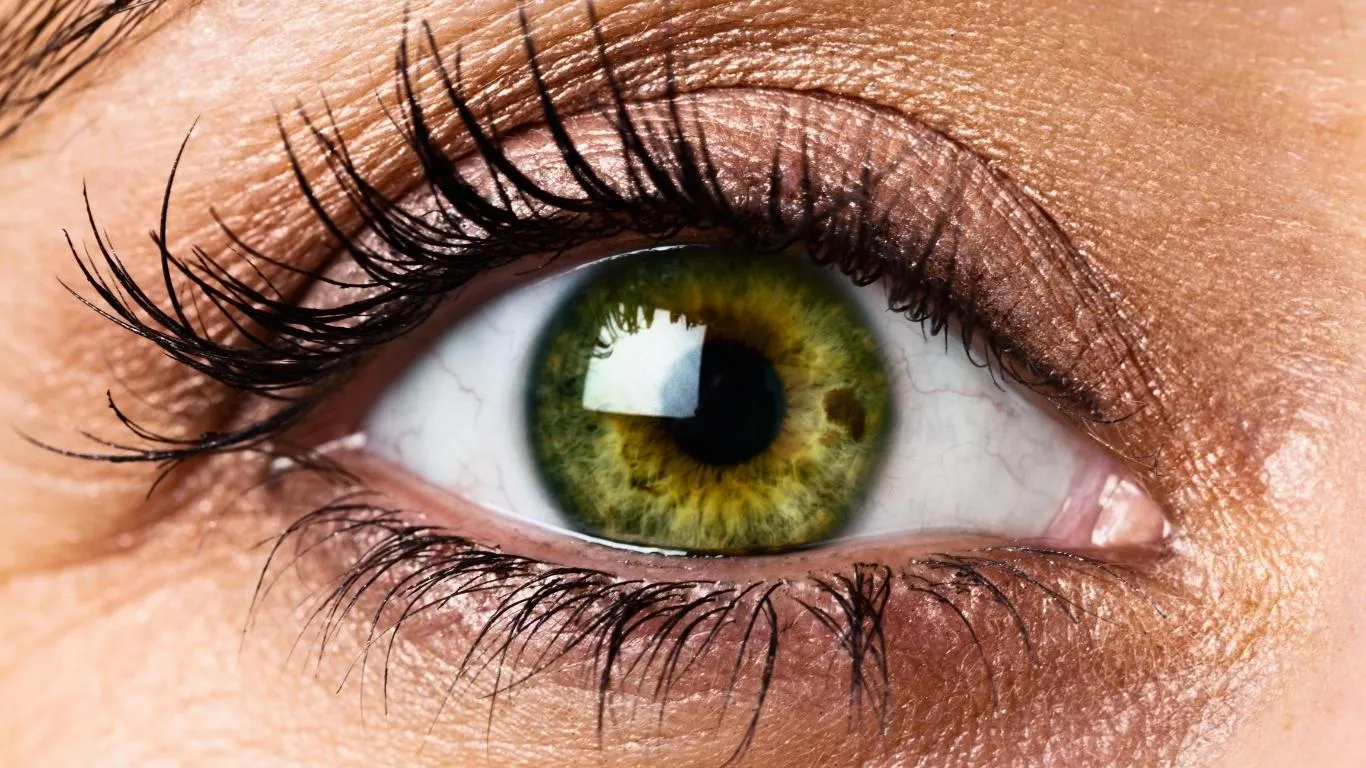
Adapting to floaters doesn’t mean you need to avoid your garden evenings. I’ve learned a few personal tricks that have made my dusk routine enjoyable again, floaters and all. One technique that’s been a game-changer is focusing on texture-rich surroundings. When my attention is on the patterned leaves, garden textures, or water features, the floaters seem to fade into the background. I also experimented with diffused lighting—soft lanterns instead of harsh spotlights—and it made a noticeable difference.
There’s an interesting take on how bright light exposure worsens floater visibility, and how minor adjustments in environment can ease the problem.
Natural Strategies to Reduce Floater Distraction at Dusk
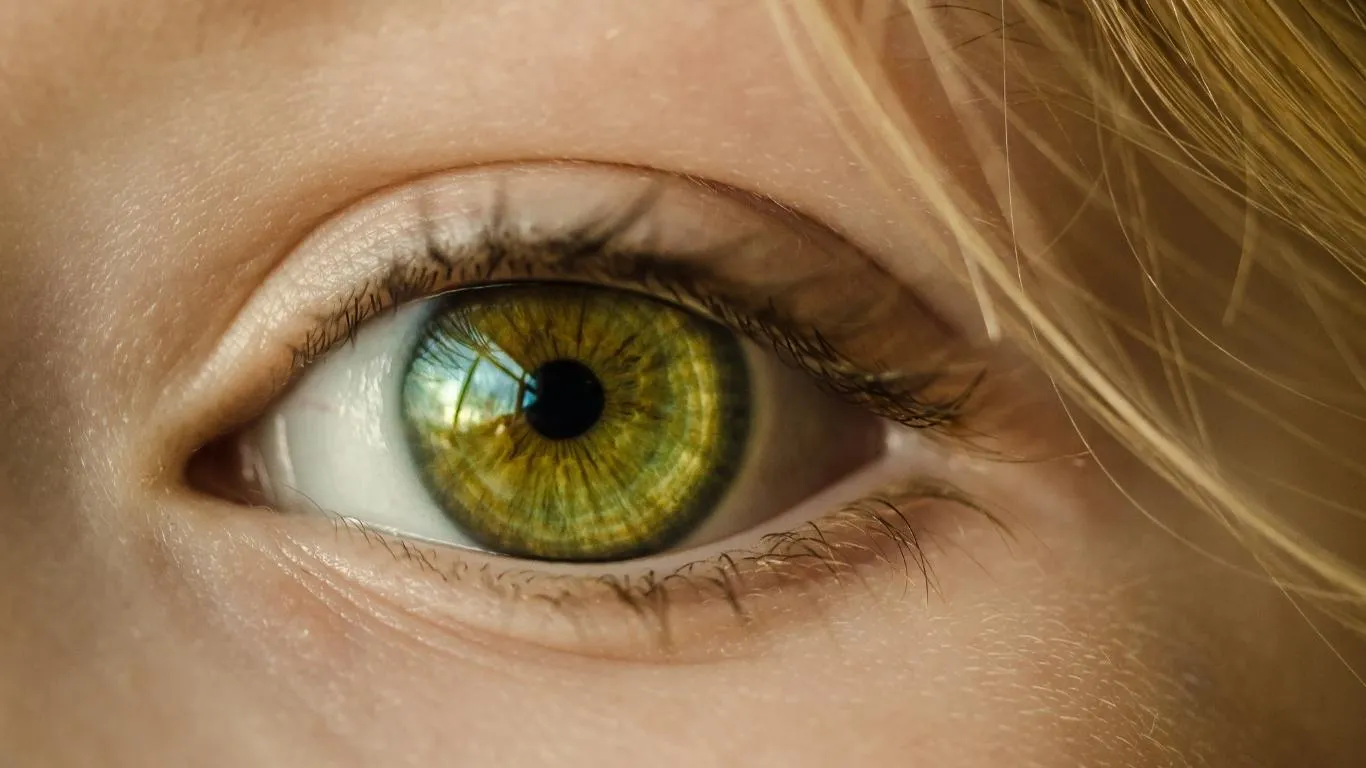
- Eye Exercises: Gentle, controlled eye movements can shift floaters out of your direct line of sight. I usually do a few circular motions before settling into my evening routine.
- Stay Physically Active: Believe it or not, floaters can become more noticeable during sedentary periods. Light evening strolls help me shift focus and minimize their distraction.
- Proper Eye Hydration: Using preservative-free artificial tears in the evening reduces irritation, making floaters less bothersome under artificial lights.
For more techniques that might help reduce floater annoyance, I’ve found this resource on natural floater management very useful. It’s packed with realistic approaches, minus the overhyped miracle cures.
Should You Consider Medical Treatment If Floaters Disrupt Your Evening Routine?
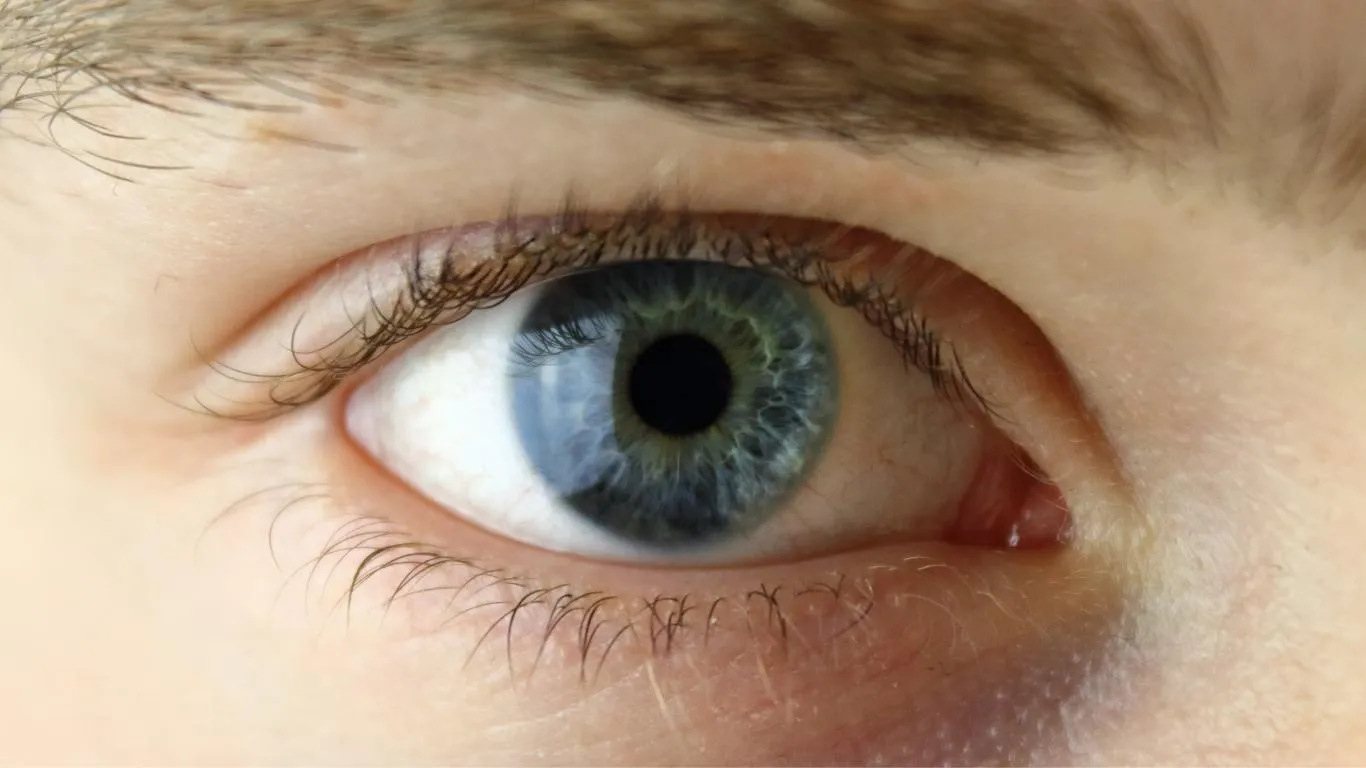
For most people, floaters remain a minor inconvenience. But when they start affecting quality moments—like your peaceful garden evenings—it might be worth exploring treatment options. From non-invasive laser vitreolysis to vitrectomy, there are procedures that can help. However, every treatment comes with its risks and considerations. I’d suggest consulting with a retinal specialist if you’re seriously bothered.
There’s an informative breakdown of these treatments in this comprehensive floater treatment guide that’s a must-read before making any decisions.
Maintaining Eye Health to Reduce Floater Intensity Over Time
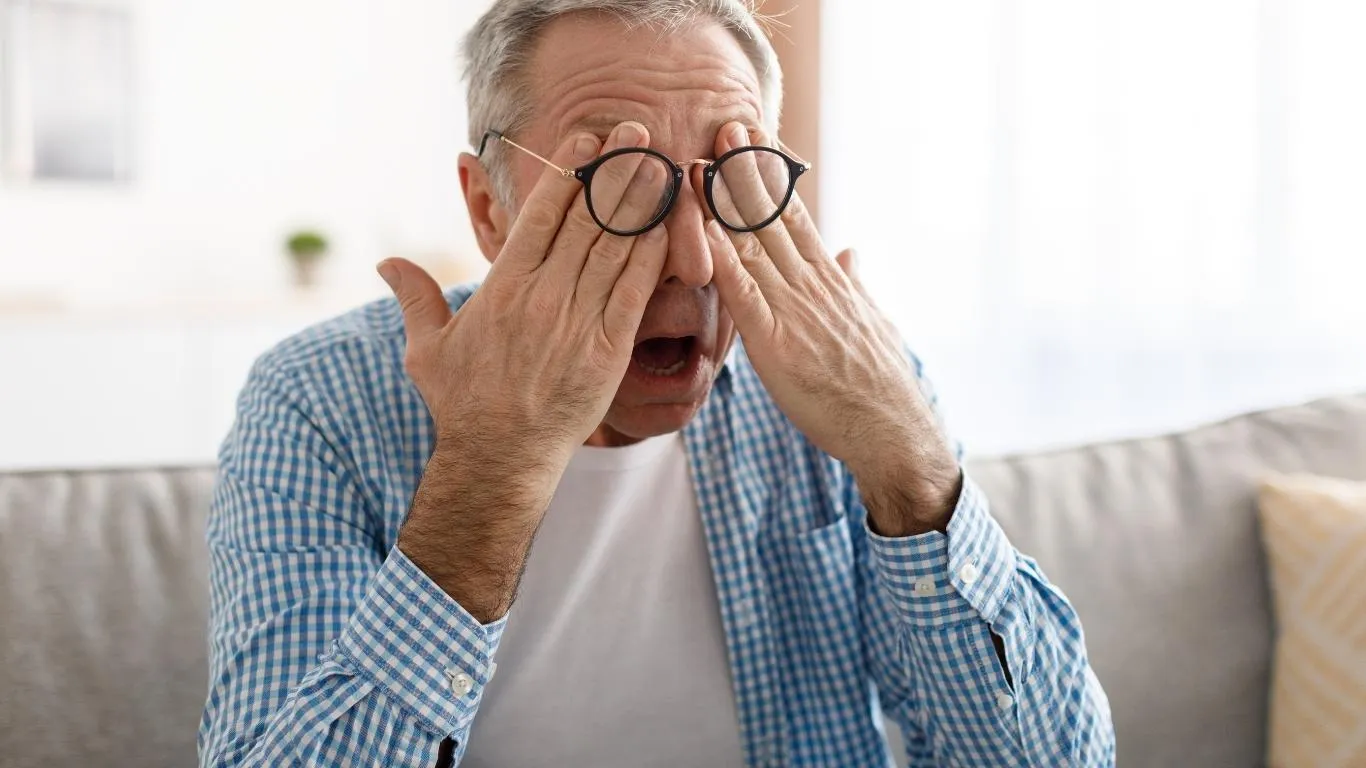
While there’s no surefire way to eliminate floaters naturally, certain lifestyle choices can support vitreous health and potentially minimize their impact. Nutritional habits play a significant role—foods rich in antioxidants, omega-3 fatty acids, and hydration are essential. I’ve found that cutting down on excessive screen time before dusk also helps reduce visual fatigue, making floaters less obtrusive when I step outside.
If you’re curious about how nutrition and daily habits tie into floater management, I’d recommend this in-depth piece on nutrition’s link to floaters. It’s a solid read packed with actionable insights.
Lastly, understanding the subtle differences between floaters and other eye conditions is crucial. Many people confuse floaters with early signs of other visual disturbances. This guide on how to differentiate floaters from other eye problems is incredibly helpful in clearing up those common misconceptions.

Camellia Wulansari is a dedicated Medical Assistant at a local clinic and a passionate health writer at Healthusias.com. With years of hands-on experience in patient care and a deep interest in preventive medicine, she bridges the gap between clinical knowledge and accessible health information. Camellia specializes in writing about digestive health, chronic conditions like GERD and hypertension, respiratory issues, and autoimmune diseases, aiming to empower readers with practical, easy-to-understand insights. When she’s not assisting patients or writing, you’ll find her enjoying quiet mornings with coffee and a medical journal in hand—or jamming to her favorite metal band, Lamb of God.