Why Floaters Seem Worse in Wellness Retreats with Soft Hues
Not long ago, I booked a much-needed escape at a peaceful wellness retreat nestled in the hills of Bali. The soft pastel walls, dimmed lighting, and nature-inspired textures were exactly what my nervous system needed—or so I thought. Within hours of settling into my calm cocoon, something unexpected caught my attention: strange, floating specs dancing in my line of vision. I blinked. Still there. Moved my eyes. They followed. It wasn’t the ambiance or a bad night’s sleep—those little intruders were eye floaters, and apparently, they don’t take vacations.
Why Do Floaters Seem More Noticeable in Retreat Settings?
There’s something ironic about noticing floaters the most in places designed to help you unwind. But it’s actually quite logical when you break it down. Wellness retreats are curated environments—calming wall hues, meditative lighting, minimal noise—great for your soul, but also the perfect canvas for floaters to stand out.
Most floaters are tiny, semi-transparent clumps of collagen or gel that drift through the vitreous—the clear gel inside your eye. They become visible when they cast shadows on the retina, especially in evenly lit, bright backgrounds. Guess what fits that description perfectly? A soft beige yoga studio lit with natural skylight.
The Science Behind Floaters in Soft-Hued Spaces
During high-stress city life, many people don’t notice floaters at all. But when you’re in a serene retreat, your parasympathetic system kicks in, and suddenly, you’re aware—very aware—of everything. That includes minor eye disturbances.
Combine that with walls painted in pale greens or sand tones, diffused lighting setups, and long hours spent doing eye-calming activities like meditation or journaling, and boom: floaters become the main characters of your vision.
This phenomenon is backed by ophthalmologists who often hear complaints like these after clients return from retreats. In fact, silent room meditation has been flagged as one of the common moments when people first notice persistent floaters.
My Experience: Noticing Floaters During Stillness
During a restorative yoga session in a candlelit room, I laid back and gazed at the light cream ceiling. There it was—again—a drifting spot that moved when I moved my eyes. At first, I thought it might be a speck on my contact lens. Nope. Same floater, every time I entered that dreamy eucalyptus-scented lounge.
After speaking with others, I realized I wasn’t alone. Another guest mentioned seeing floaters more clearly in pastel-colored rooms. The design of these tranquil retreats unintentionally sets the stage for floaters to shine (quite literally).
Floaters & Mood Lighting: A Not-So-Perfect Pair
Many wellness spaces use lighting techniques that help the mind but betray the eyes. Soft warm bulbs, Himalayan salt lamps, and fairy lights all contribute to a setting where the contrast between light and shadow becomes more dramatic. That’s where floaters love to play.
According to a peer-reviewed study, low-contrast lighting can create the perfect condition for noticing floaters, especially when coupled with long periods of visual fixation (like in yin yoga or long guided meditations).
Activities That Can Trigger Floater Visibility
- Guided breathwork sessions under ceiling-mounted spotlights
- Extended journaling near sunlit windows with soft curtains
- Watching slow-moving visuals during mindfulness retreats
- Restorative yoga beneath dome lights or candle glow
In fact, activities like eye yoga or even lying in hammocks while watching the canopy sway can bring floaters into full focus. It’s not that the floaters weren’t there before. It’s that your mind is finally quiet enough to notice them.
What to Do When You Notice Floaters More Often
If you’re seeing floaters frequently in soft environments, take a deep breath—it’s not necessarily a sign something’s wrong. Floaters are common and often harmless, especially if they don’t come with vision loss or flashing lights. But if they suddenly increase or feel dense, it could indicate something more serious like posterior vitreous detachment.
Floaters can also worsen temporarily due to hydration issues, fatigue, or stress—all common during travel or detoxes. So if you’re at a retreat and suddenly aware of them, don’t panic. Make sure you:
- Stay hydrated with electrolytes, not just plain water
- Avoid extended visual focus without breaks
- Wear tinted glasses in brightly lit indoor spaces
- Do gentle eye movements between sessions
More on this is covered in the comprehensive guide to reducing floaters naturally, which is packed with everyday eye-care tips you can use—even after the retreat ends.
Understanding When Floaters Are a Warning Sign
For some, floaters at retreats are just a wake-up call to their visual reality. For others, they’re the first sign of deeper eye health changes. If you’re over 40, have high myopia, or have recently experienced a shift in hormonal balance, your eyes may be going through structural changes. These can contribute to increased floater density, especially in quiet environments.
The signs that should prompt an immediate check-up include:
- A sudden burst of new floaters
- Flashes of light or curtain-like vision changes
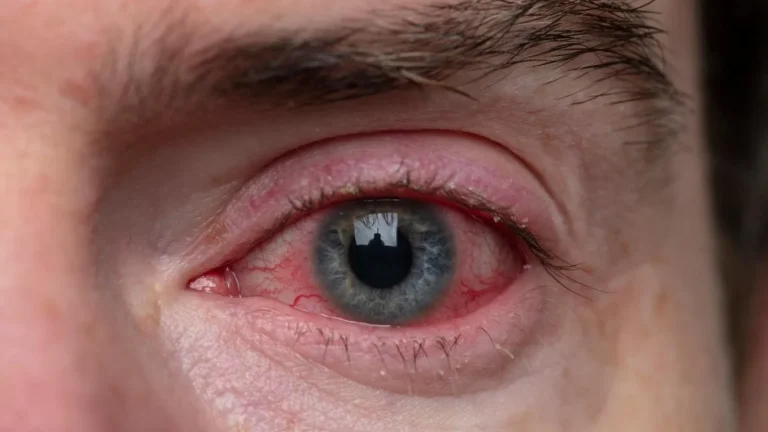
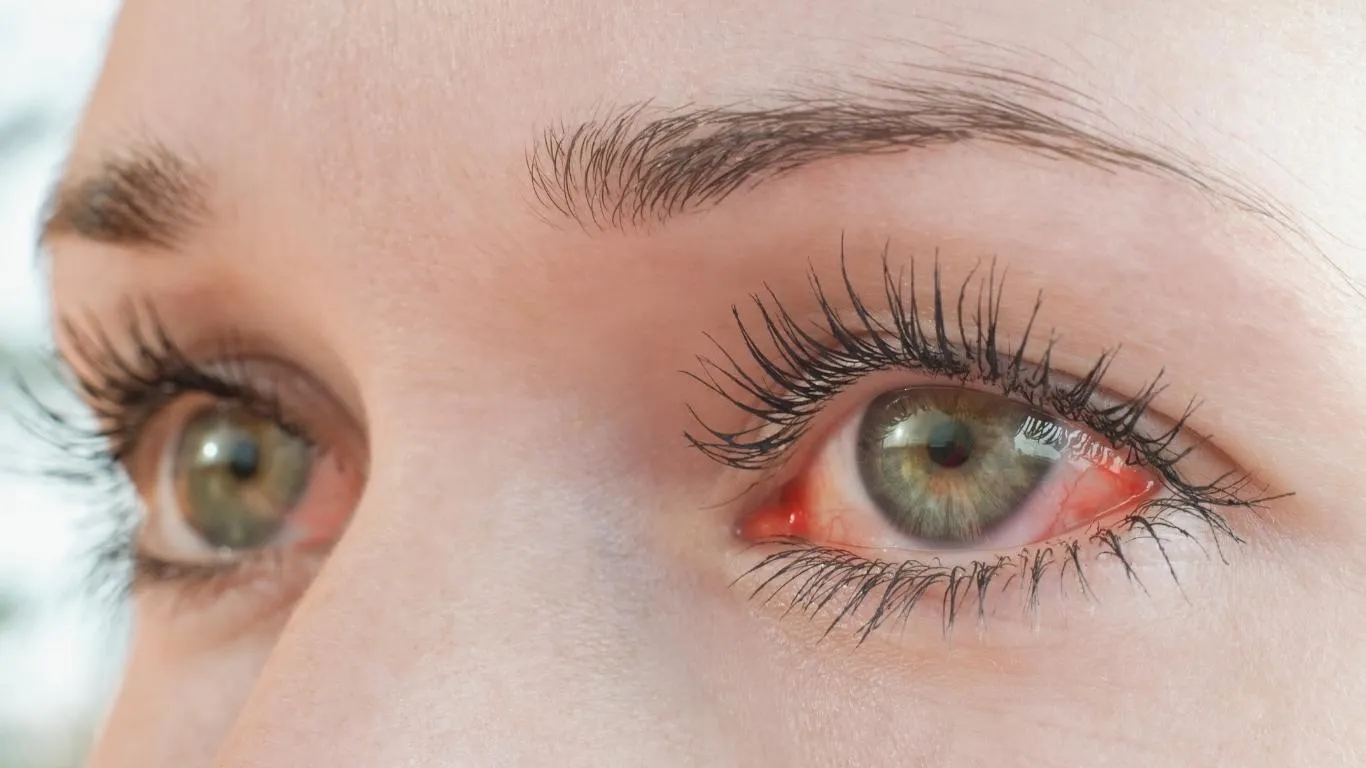
- Floaters accompanied by eye pain or redness
Explore more about dangerous floaters and when to worry if you notice any of these signs.
To deepen your understanding of eye floaters in various scenarios, refer to our core article on eye floater causes and treatments and the broader insight into why floaters occur in the first place.
Do Floaters Fade Over Time — Or Will They Haunt Every Retreat?
One of the biggest questions I had after my floaters appeared under the soft bamboo ceiling at the retreat was: “Will these things ever go away?” I wish the answer was simple. In many cases, floaters do fade—or at least become less noticeable as your brain learns to ignore them. But for others, they stick around like a visual mosquito buzzing across your field of vision during every downward dog.
I spoke to an eye specialist after my trip, who confirmed that the floaters I noticed were likely part of age-related vitreous changes—totally normal, even in younger adults. It’s fascinating how wellness retreats unintentionally highlight these internal shifts by reducing visual noise. According to American Academy of Ophthalmology, most floaters are benign and need no intervention, unless they’re accompanied by flashes or peripheral vision loss.
When Soft Environments Make Floaters Worse
Some lighting conditions in wellness centers actually amplify the appearance of floaters. Think: bright white curtains, pale walls, open skies, and indirect lighting. These conditions strip away contrast and allow floaters to become more defined, casting longer, more noticeable shadows on your retina.
This issue can be compounded by detox regimens, long periods of silence, and the mental stillness encouraged in these places. Floaters that you’d ignore while sprinting between work meetings suddenly become front and center when you’re sipping lemon water post-massage.
If you find your floaters getting worse in calm environments, you’re not alone. In fact, a lot of people report worsening floater visibility during periods of chronic fatigue or when returning from nature-immersion trips. It’s not a coincidence—it’s sensory contrast at play.
Pro Tips to Reduce Floater Discomfort at Retreats
Here’s what helped me—and what other floater-spotting retreat guests have sworn by:
- Neutralize Your Visual Background
Avoid staring at pale walls or white ceilings for long stretches. Sit near textured or mid-toned surfaces when meditating or journaling. - Wear Blue-Light Filtering Glasses
Even during the day. This slight tint can dull floater contrast without altering your surroundings too much. - Hydrate Like a Pro
Floaters tend to worsen with dehydration, especially in warm climates or during detox protocols. Add electrolytes to your water daily. - Use Soft Eye Movements
Shift your gaze gently from side to side, rather than jerking your head or blinking rapidly. Sudden movement can make floaters swirl more aggressively. - Introduce Gentle Distractions
Light music, natural ambient soundscapes, or candle flickers can give your eyes subtle movement to follow—breaking the static fixation that makes floaters obvious.
These aren’t permanent fixes, of course, but they help reduce the visual impact floaters can have on what should be a peaceful experience.
Natural Support Strategies That May Help Over Time
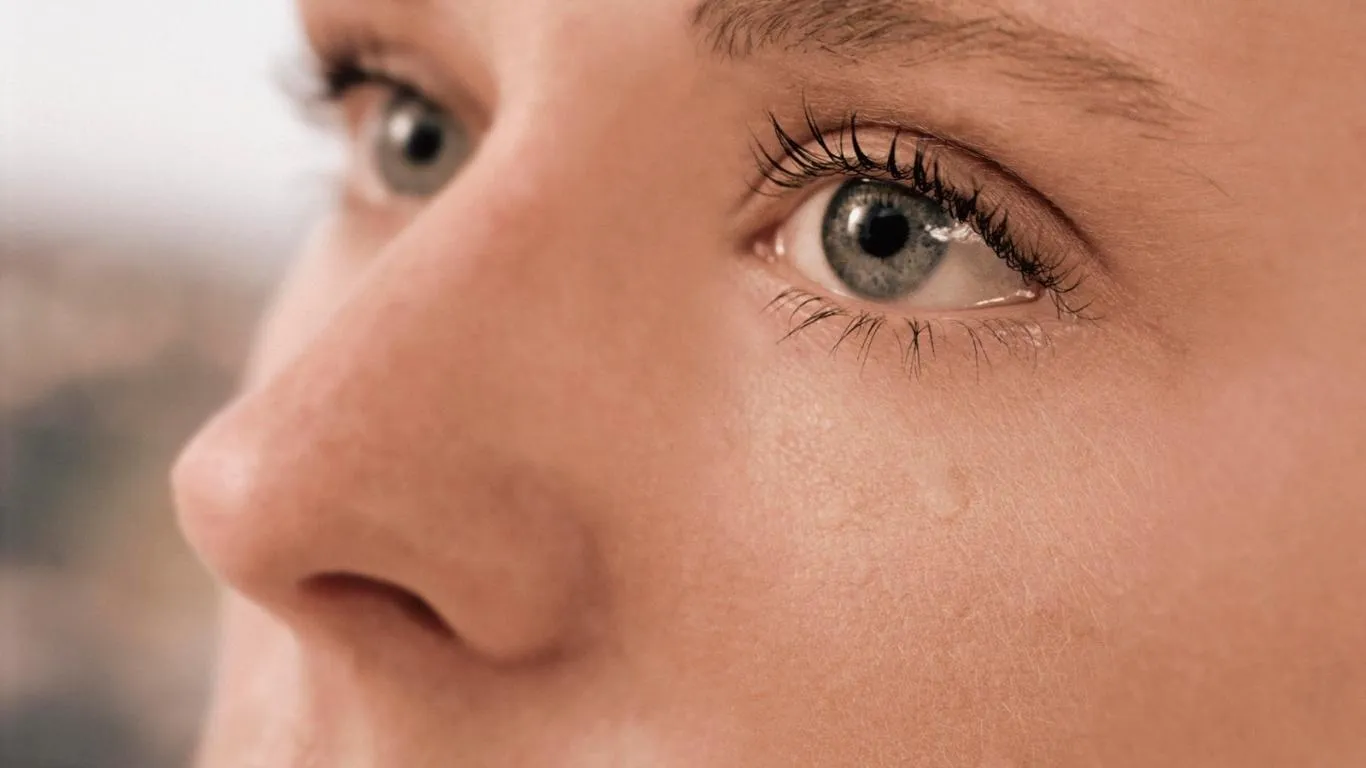
If you’re looking for longer-term approaches beyond managing the retreat lighting, consider integrating floaters-friendly habits into your lifestyle. While scientific evidence is still evolving, many find relief—or at least peace of mind—through:
- Antioxidant-rich foods like leafy greens, blueberries, and citrus
- Targeted supplements such as lutein, zeaxanthin, and omega-3s
- Limiting screen time before and during retreats (yes, even to check emails at the spa!)
- Eye movement exercises to improve fluid circulation and vitreous clarity
You can read more about this in the detailed guide on supplements for floaters or explore how natural floater remedies are being used alongside traditional care.
When to Seek Help (Even at a Wellness Retreat)
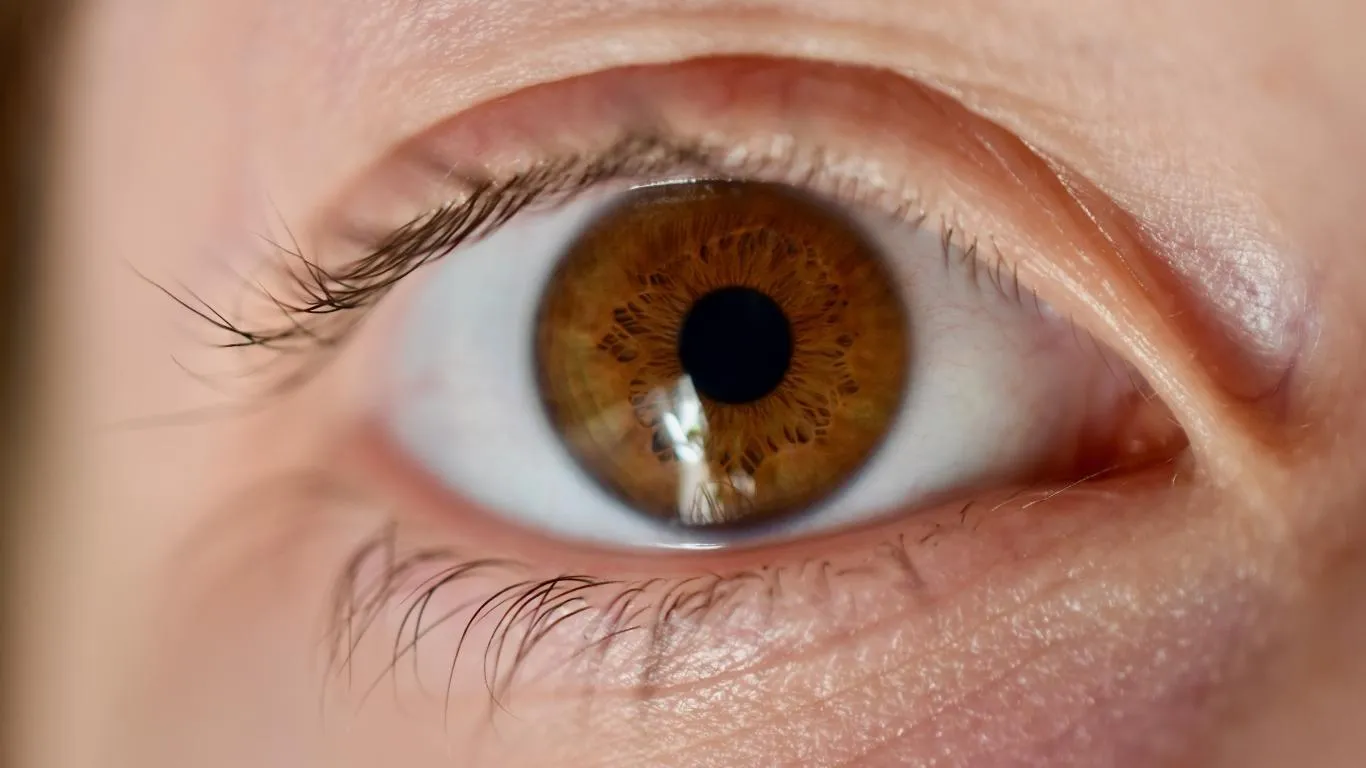
Okay, so you’re seeing floaters at your retreat. You’ve tried hydration, dimmed the lights, shifted positions. But what if they suddenly multiply or look different?
That’s when it’s time to call an optometrist or ophthalmologist—yes, even if you’re deep in a remote retreat in the jungle or mountains. Any of the following signs should raise a flag:
- A sudden explosion of floaters, especially dark or web-like
- Flashes of light or lightning-bolt visuals
- Blurring, shadowing, or partial vision loss
In some rare cases, floaters can signal retinal tears or bleeding. One helpful resource you can explore is our breakdown on how trauma can trigger eye floaters, even without direct injury.
Floaters Don’t Mean Your Wellness is Off-Track
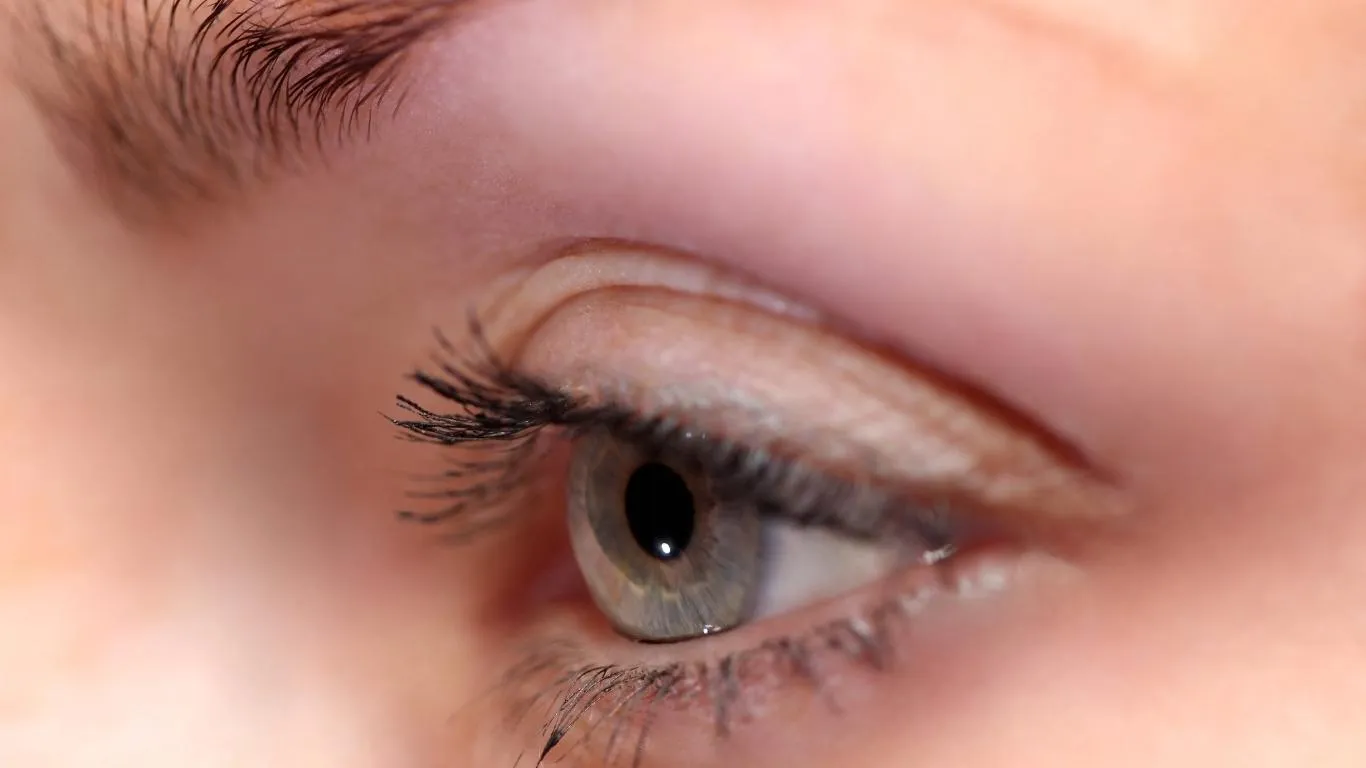
Let’s not forget: floaters aren’t the villain. They’re just misunderstood. Seeing them more often during wellness retreats isn’t a setback—it’s a subtle nudge to start paying attention to your eye health in environments where clarity is valued most.
Some people get annoyed by them. Others, like me, have decided to coexist with them, even during my breathwork or sound bath sessions. They’re a weird little reminder that we’re always in motion—even when we’re being still.
If you’re currently planning a retreat or just came back from one wondering why your vision feels “different,” don’t ignore the signs. Dive deeper into recognizing floater symptoms and consider bookmarking our complete guide to floaters for the next time your vision starts acting mysterious in paradise.

Camellia Wulansari is a dedicated Medical Assistant at a local clinic and a passionate health writer at Healthusias.com. With years of hands-on experience in patient care and a deep interest in preventive medicine, she bridges the gap between clinical knowledge and accessible health information. Camellia specializes in writing about digestive health, chronic conditions like GERD and hypertension, respiratory issues, and autoimmune diseases, aiming to empower readers with practical, easy-to-understand insights. When she’s not assisting patients or writing, you’ll find her enjoying quiet mornings with coffee and a medical journal in hand—or jamming to her favorite metal band, Lamb of God.