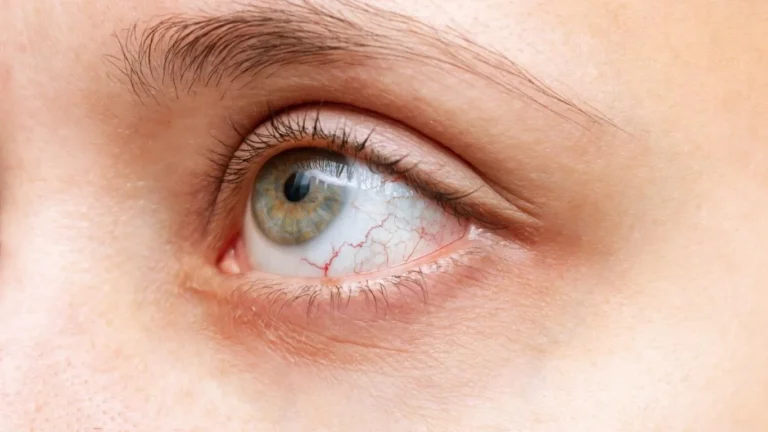
Why Floaters Seen Through Frosted Windows Feel More Noticeable
If you’ve ever caught yourself staring out a frosted window, only to notice tiny shapes drifting through your vision, you’re not alone. I’ve had those weird, drifting shadows appear while working at my home office where the morning light hits just right. At first, I thought it was a trick of the light or maybe even dirt on the window. But no—the floaters were there, and only in my eyes. Turns out, these little squiggles or threads are more common than you might think, especially when looking through frosted or brightly lit windows.
Why Floaters Appear More Clearly Through Frosted Windows
Here’s the deal: frosted windows scatter light, and that diffused brightness makes the floaters in your vitreous humor much more noticeable. It’s like shining a flashlight into a snow globe — everything inside suddenly becomes visible. The floaters aren’t new; they’re just easier to see.
When the background is evenly lit and lacks detail, like frosted glass, the contrast makes these floaters stand out. That’s why they often disappear when you look at textured surfaces or into dim rooms. It’s not your imagination—it’s physics and anatomy teaming up in an annoying little visual show.
What Floaters Actually Are—and Why You Notice Them in Specific Conditions
I used to think floaters were something on the surface of my eye. They’re not. They’re tiny bits of collagen or cellular debris floating inside the gel-like substance (called vitreous) that fills the inside of your eyeball. Totally harmless most of the time, but super annoying when you’re just trying to enjoy your morning coffee by the window.
Common Causes of Eye Floaters
- Aging and natural shrinkage of the vitreous
- Past eye surgeries or injuries
- Inflammation (posterior uveitis)
- Diabetic retinopathy
- Retinal tears or detachment
If you’re over 40, chances are high you’ll deal with floaters sooner or later. Learn more about how common causes of eye floaters can vary depending on lifestyle and eye health.
How Frosted Windows Act as a “Floaters Detector”
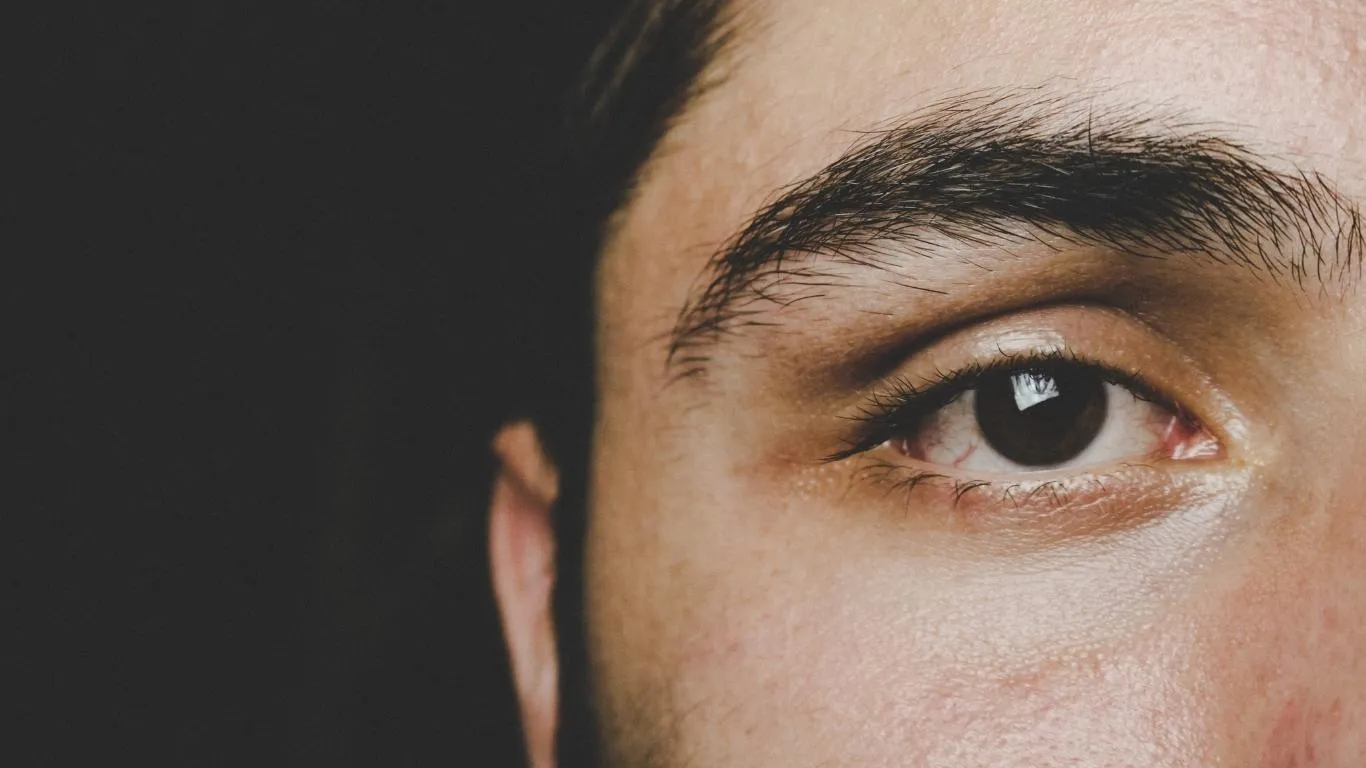
It’s kind of wild how something as ordinary as a frosted window can suddenly make you hyper-aware of what’s floating around in your eyes. I used to think it was just mental overfocus, but nope—the soft white background and the lack of defined shapes make floaters incredibly visible.
In my case, I first noticed it while brushing my teeth in the morning—the bathroom window has frosted glass. It became a daily reminder that something was drifting around in my field of vision. That made me dive into the rabbit hole of floaters research, leading to some helpful discoveries (and a lot of eye-rolling at myths, too).
More surprisingly, lighting conditions really matter. According to this piece about floaters in morning light, even the time of day can affect how noticeable they are. No joke—mornings are the peak floaters hour for me.
Are They Ever a Cause for Concern?
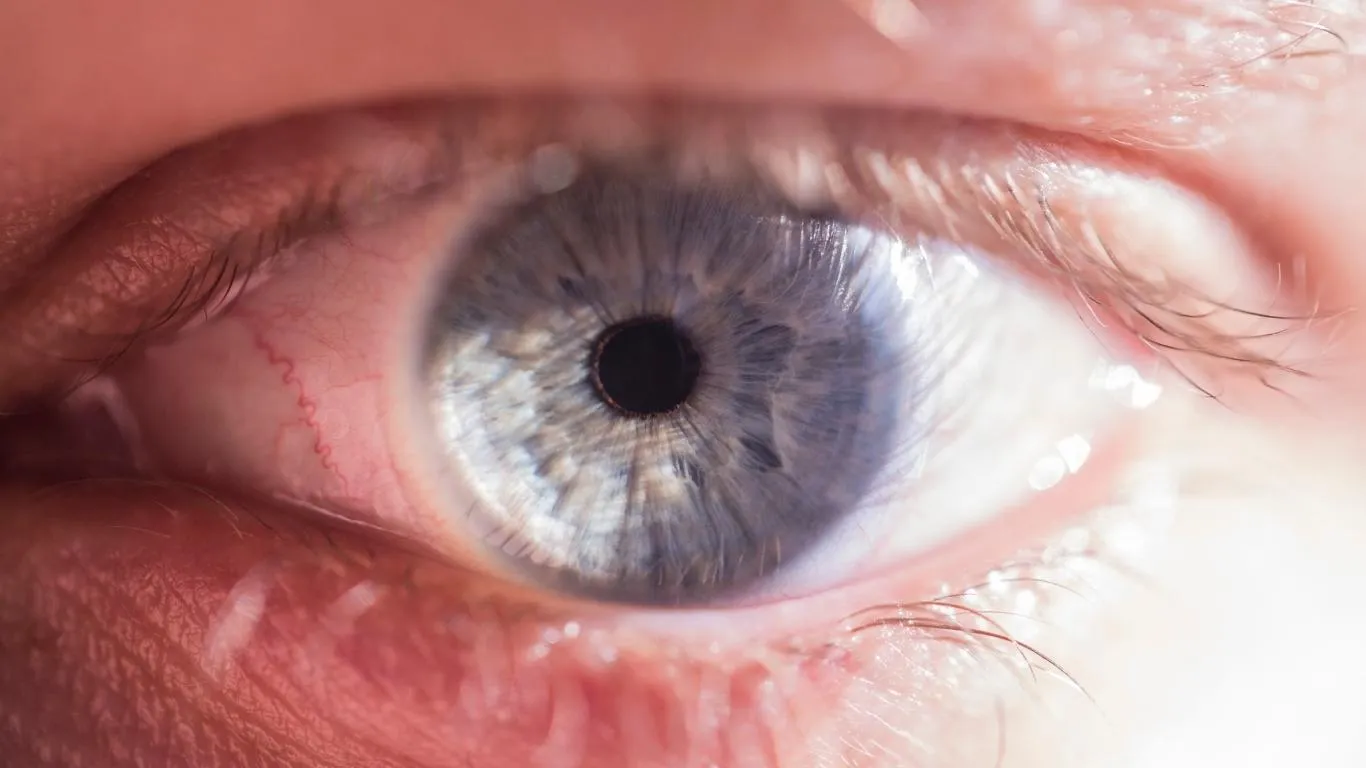
Most of the time, floaters are harmless. But if you ever see a sudden explosion of them, or flashing lights, or what looks like a curtain covering part of your vision—stop everything and call your eye doctor. These symptoms could mean something serious like a retinal tear or detachment. Here’s when floaters can be dangerous.
When to Get Checked Immediately
- Sudden increase in floaters
- Flashes of light
- Loss of peripheral vision
- Floaters after eye trauma
Floaters that get worse fast are never something to ignore. One reader actually wrote in about how their floaters exploded overnight after a car accident. Turns out, it was a warning sign of retinal damage (read their story here).
What You Can Do When Floaters Become Distracting
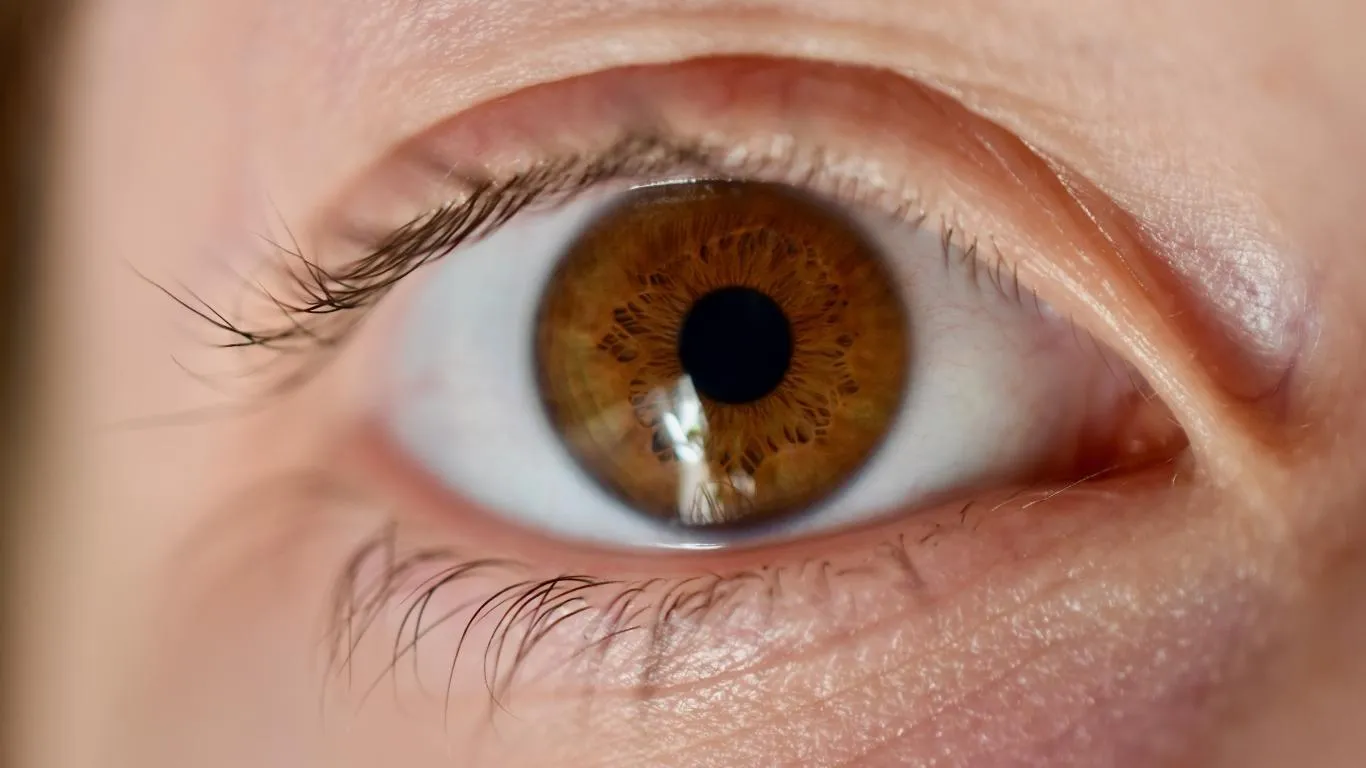
First thing: don’t panic. They might be annoying, but you do get used to them. I promise. And while most doctors will tell you to “just live with them,” there are a few options if they really affect your life. My eye doctor gave me three choices: do nothing, try laser vitreolysis (not a fan of lasers in my eyeballs), or surgery (which is extreme and risky).
Some folks find that lifestyle tweaks help. More hydration, less screen time, even gentle eye exercises. I personally noticed a difference after making some changes to my diet and reducing sugar and processed foods. Not a miracle, but a noticeable improvement.
Natural Adjustments That Helped Me
- Staying hydrated consistently
- Reducing time staring at frosted-glass windows 😅
- Wearing computer glasses with light filtering
- Doing more regular blinking exercises
- Upping my intake of antioxidant-rich foods
There’s a good breakdown on treatment options for eye floaters that’s worth checking out if you want to weigh your choices carefully.
Also, if you’re new to floaters and want the full overview—what causes them, how they evolve, and all your realistic options—this comprehensive guide covers it really well.
Can You Prevent Floaters from Appearing—Especially in Bright Settings?
Here’s the truth no one wants to admit: there’s no surefire way to prevent floaters entirely, especially as you age. But there are things you can do to possibly slow them down or reduce how often you notice them. After learning the hard way (a.k.a. trying everything on the internet), I found a few habits that seemed to make a difference—not just in the floaters, but how much they disrupted my day.
Simple Eye-Friendly Habits That Made a Difference
- Cutting back on screen time: Not just for eye strain—my floaters seemed way worse after binge-watching in the dark.
- Wearing hats or sunglasses outdoors: Especially on bright days. Diffused light = prime floater visibility.
- Eating for eye health: Upping intake of omega-3s, lutein, vitamin A. There’s legit research behind this on ncbi.nlm.nih.gov.
- Posture and neck alignment: This surprised me, but improving my desk posture (and avoiding neck kinks) helped reduce eye tension. Learn more about the posture-floater connection here.
And for the frosted window scenario? I just don’t sit in direct line of that morning light anymore. Small change, big visual relief.
Floaters and Mental Health: The Quiet Impact
Nobody really talks about this, but the psychological toll of floaters is real. When mine were at their worst, they were all I could think about—especially when they were amplified by bright windows or blank computer screens. It was like having this constant reminder that something wasn’t quite right with my vision.
I’ve seen stories like this one where people actually began to feel anxious or even depressed because of floaters. Totally relatable. It sounds dramatic, but when you’re constantly distracted by shapes in your vision, it messes with your focus and comfort.
My solution wasn’t perfect, but mindfulness helped. Also, actively reminding myself that I’m not going blind was a game-changer. Sometimes just knowing what they are (and that they aren’t dangerous) relieves some of the stress.
Managing the Emotional Frustration
- Talk about it: Seriously, I found a few floaters forums, and it helped knowing I wasn’t alone.
- Reduce visual triggers: For me, that meant using matte screens and avoiding white walls for working.
- Accepting the floaters: Not in a “give up” way, but just not letting them ruin my focus.
Why Some People See Floaters Differently (Especially Against Bright or Frosted Backgrounds)
This is something that baffled me for a while—why could my friend stare through the same frosted window and not see a thing, while I saw a whole parade of floaters? Turns out, individual eye anatomy plays a huge role. Some people have denser vitreous, others more transparent. Then there’s pupil size, light sensitivity, and how your brain interprets visual noise.
Even nap timing or your sleep cycle can affect what you notice visually. I personally found floaters more active after a short nap than a full night’s rest. Weird, but consistently true for me.
Factors That Make Floaters More Noticeable
- Looking at bright, featureless backgrounds (e.g., sky, frosted windows)
- Fatigue or dry eyes
- Sudden changes in lighting
- Stress and mental focus (yes, really)
On that note, if you’re worried your floaters are tied to something more serious like vitreous detachment or retinal issues, check out this guide to posterior vitreous detachment.
Can Floaters Get Worse with Age or Lifestyle?
Short answer: yes. But it’s not always doom and gloom. I noticed mine got worse around age 35—just as I was spending more time at the computer and sleeping less. That combo definitely didn’t help.
There’s even some evidence that certain meds or health conditions accelerate vitreous degeneration. For example, diabetes, dehydration, and high blood pressure are all linked to increased floaters.
And don’t even get me started on floaters after LASIK or cataract surgery. I have friends who swore theirs multiplied overnight. It’s worth reading this article on post-surgery floaters if that’s on your radar.
Should You Treat Them or Just Learn to Live with Them?
This is the big question, right? Most eye doctors lean conservative—observe and don’t touch unless they’re affecting your quality of life. Personally, I chose not to go the surgical route. Vitrectomy sounded too invasive, and laser treatments aren’t universally effective.
That said, I totally understand people who go for it. If floaters keep you from working, driving, or just feeling comfortable in your own head, it’s worth a serious talk with an ophthalmologist.
Meanwhile, there’s a practical guide to natural ways to manage floaters that explores what really works versus what’s just wishful thinking.
And for the ultimate resource—causes, symptoms, treatments all in one spot—bookmark this main pillar article on eye floaters. It’s the deep dive I wish I’d found earlier in my floater journey.

Camellia Wulansari is a dedicated Medical Assistant at a local clinic and a passionate health writer at Healthusias.com. With years of hands-on experience in patient care and a deep interest in preventive medicine, she bridges the gap between clinical knowledge and accessible health information. Camellia specializes in writing about digestive health, chronic conditions like GERD and hypertension, respiratory issues, and autoimmune diseases, aiming to empower readers with practical, easy-to-understand insights. When she’s not assisting patients or writing, you’ll find her enjoying quiet mornings with coffee and a medical journal in hand—or jamming to her favorite metal band, Lamb of God.