Why Floaters Are More Noticeable When Looking At Glittery Objects
Ever noticed those tiny specks or squiggly lines drifting across your vision, especially when staring at glittery objects like sequins, tinsel, or shiny wrapping paper? Trust me, you’re not alone. The first time I caught them while wrapping a birthday gift, I thought there was dust in the air or something smudged on my glasses. Turns out, those floating shapes have a name—eye floaters. And when they show up while you’re gazing at shimmering, sparkly things, it can be surprisingly annoying. Let’s dive into why floaters seem to love glittery backgrounds and what’s really going on inside your eyes.
Why Do Floaters Appear More Against Glittery Objects?
Here’s the thing—glittery, bright, and highly reflective objects create the perfect “stage” for floaters to take center spotlight. These tiny specks, made up of clumps of collagen or vitreous debris, are inside the gel-like substance of your eye called the vitreous humor. When light enters the eye, it casts shadows of these floaters onto the retina. On plain backgrounds, they might not be noticeable. But when the visual field is flooded with glittering reflections, the contrast makes these floaters pop out more.
One moment you’re admiring the sparkle of a sequined dress, the next—bam! Those floaters swoop into view, distracting you completely. It’s not magic, it’s just physics and optics playing tricks on us.
Lighting Conditions Amplify Their Visibility
Bright, diffused lighting combined with reflective textures increases the odds you’ll notice floaters. The more scattered the light, the clearer those tiny blobs and threads appear. It’s why you might spot them when looking at a glittery phone case under sunlight or shimmering holiday decorations indoors.
For an in-depth understanding of why bright light exposure amplifies eye floaters, Healthusias has an excellent breakdown on this phenomenon.
Is It Normal to See Floaters with Glittery Objects?
Absolutely. In most cases, it’s totally harmless. Floaters have a knack for showing up during certain visual activities, and looking at sparkly surfaces is a prime example. For people with mild vitreous syneresis (that’s the fancy term for age-related vitreous changes), floaters become more noticeable as the eye’s internal gel becomes more liquified over time.
That said, sudden bursts of new floaters or seeing them accompanied by flashes of light might be a red flag. In such cases, it’s crucial to understand when eye floaters become a warning sign.
Personal Note on My First Floater Scare
I remember the first time I had a “floater panic.” It was after spending hours decorating a glitter-laden party backdrop. I kept swiping my glasses, thinking I had a smudge, but the floaters stayed, following my gaze. A visit to my eye doctor confirmed it was benign, but boy, it sure gave me a scare.
Factors That Make Floaters More Noticeable in These Situations
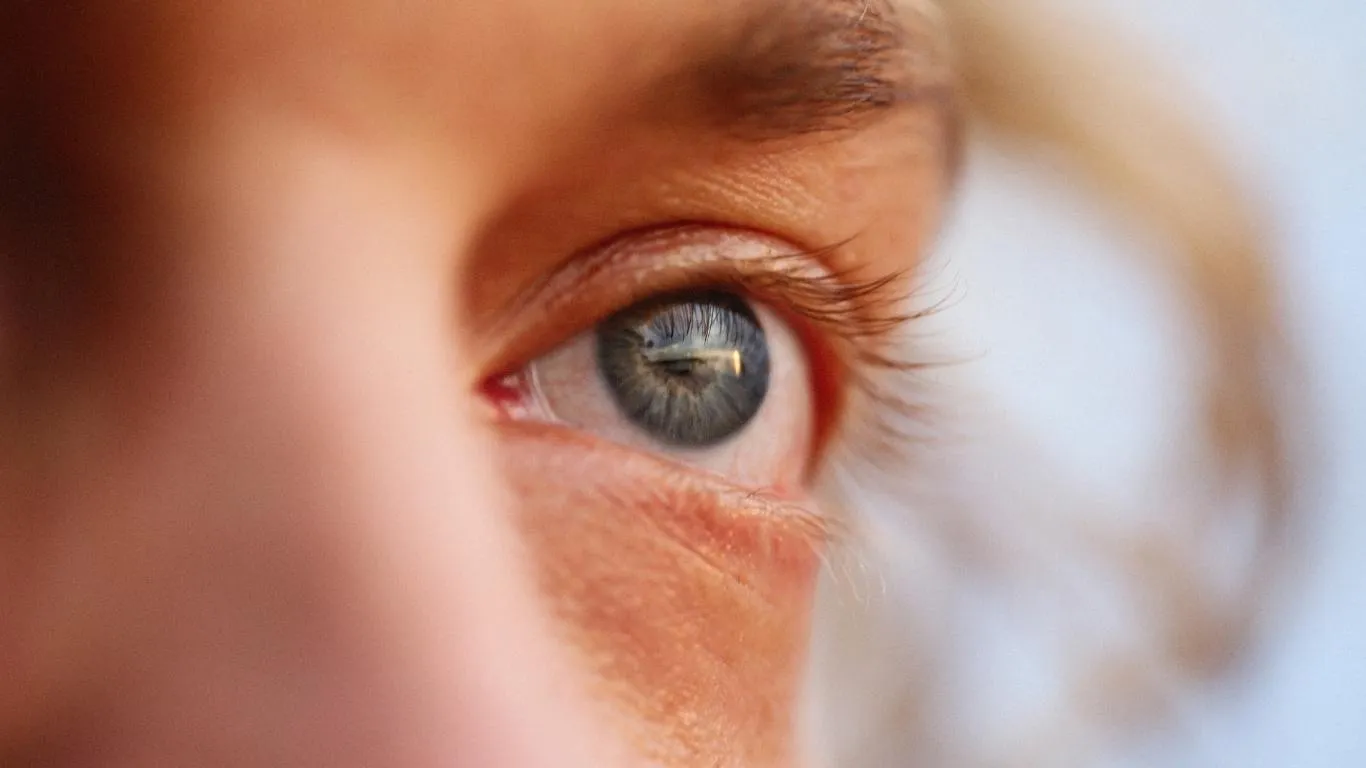
- High Contrast Backgrounds: Floaters stand out sharply against shimmering or uniformly lit areas.
- Eye Movement: Moving your eyes quickly across glittery surfaces can stir up floaters, making them shift dramatically.
- Dehydration & Fatigue: When your eyes are dry or tired, floaters often become more bothersome. Here’s a great piece on how dehydration affects floaters.
When to Be Concerned?
If you start noticing a sudden increase in floaters, especially if they seem like a “shower of floaters” while looking at reflective objects, you might be dealing with a more serious vitreoretinal issue. Conditions like Posterior Vitreous Detachment (PVD) are common culprits. Most PVD cases are benign, but some can lead to retinal tears if ignored.
Can You Reduce Floaters in These Scenarios?
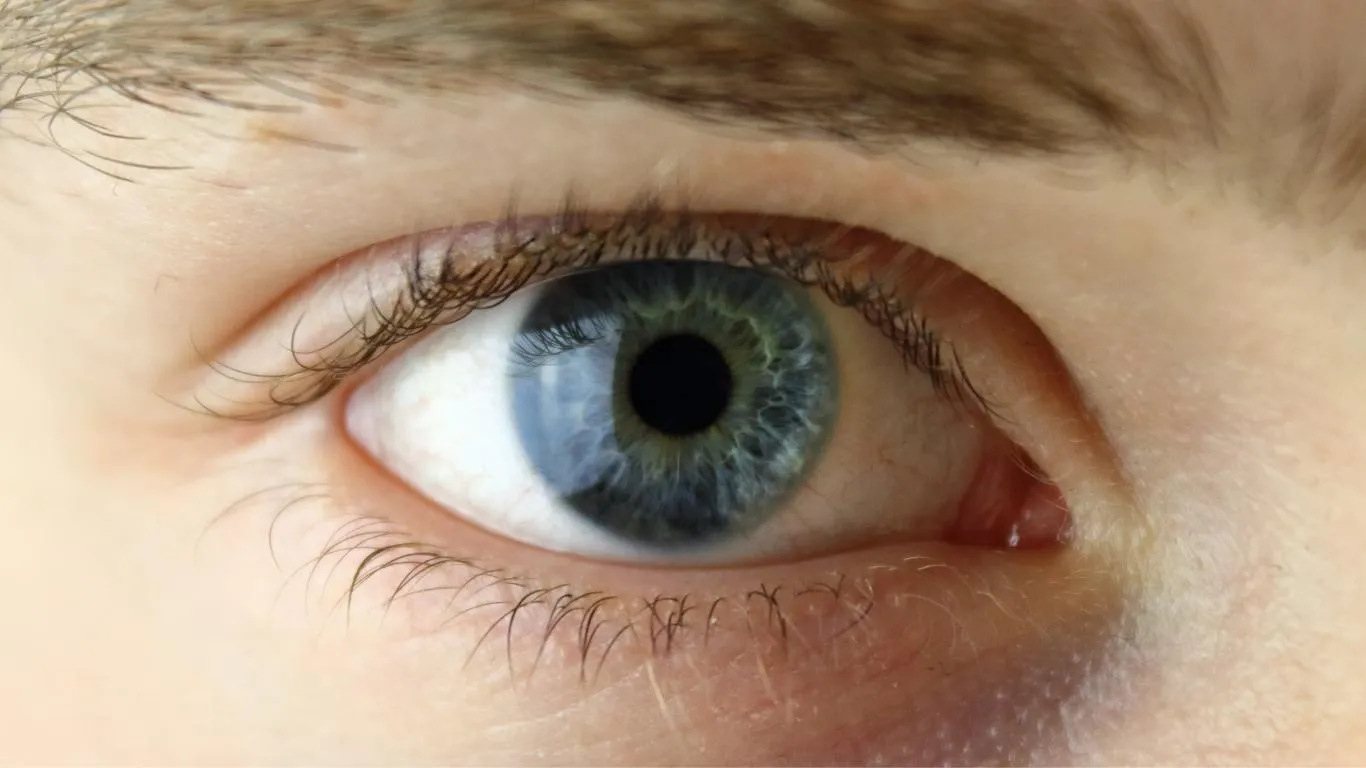
- Adjust Lighting: Dim overly bright lights or avoid direct sunlight reflections when possible.
- Blink Frequently: Sometimes, floaters seem worse when your eyes get dry. Blinking helps refresh your tear film.
- Eye Movements: Gently shifting your gaze side-to-side can “move” floaters out of your central vision temporarily.
- Hydration: Drink more water. It’s a simple tip, but it helps with vitreous clarity over time.
For those wondering whether supplements or lifestyle changes help, the article on natural ways to manage floaters offers an honest look at what’s effective and what’s marketing fluff.
Linking to the Bigger Picture
If you want to dive deeper into the common causes of floaters—from aging to injuries—this comprehensive guide on common causes of eye floaters is a must-read. It ties together all the core reasons floaters develop and why they behave the way they do in different visual contexts.
And for those who need a broader understanding of what eye floaters really are, this definitive article on eye floaters, symptoms, and treatment options provides all the fundamentals with expert insights.
Can Floaters from Glittery Objects Ever Go Away?
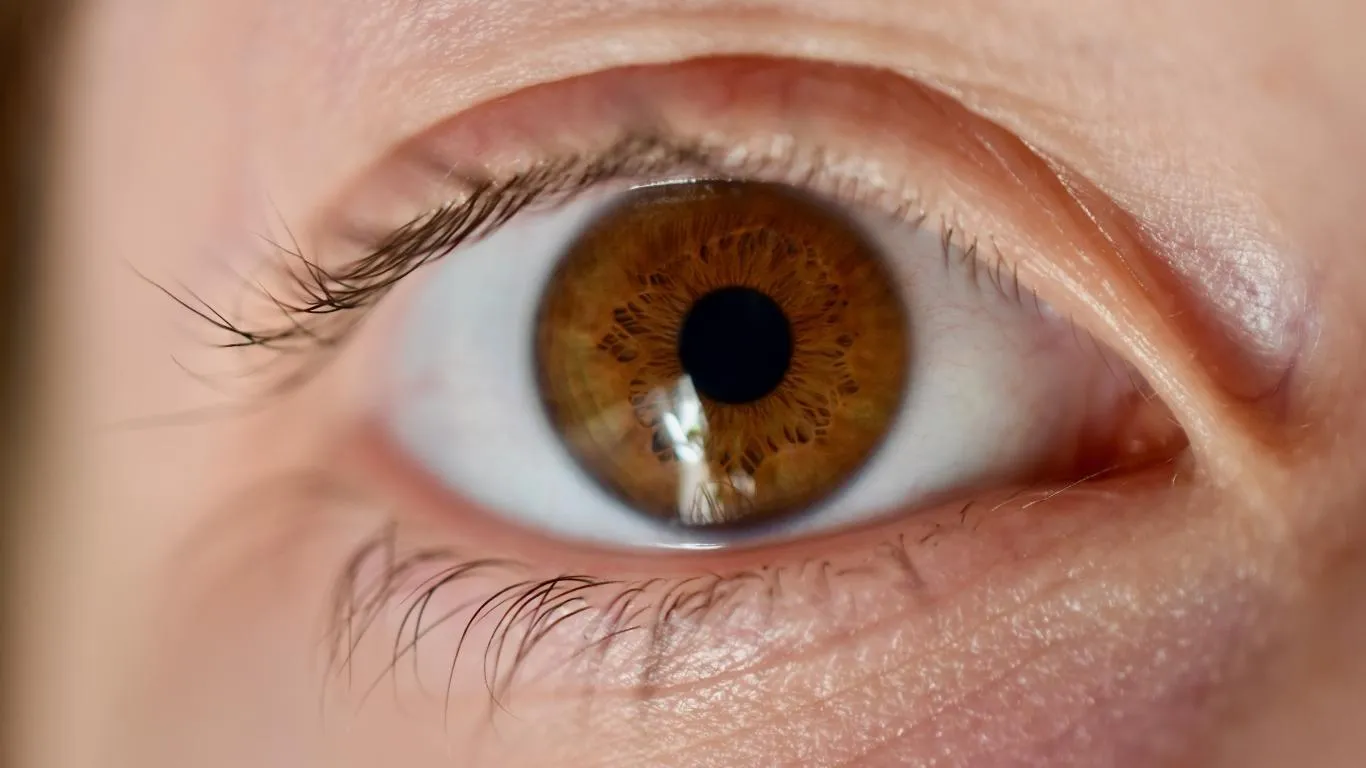
Now, here’s the million-dollar question I hear a lot—”Will these floaters ever disappear?” Honestly, for most people, floaters don’t vanish completely. But the brain gets pretty good at ignoring them over time. It’s called neuroadaptation. I used to be hyper-aware of every tiny floater while browsing glittery art supplies. Fast forward a few months, and I barely notice them anymore—unless I intentionally look for them (which, by the way, I don’t recommend doing!).
There are some rare cases where floaters fade naturally, especially if they’re caused by minor vitreous debris that settles or breaks down. However, if they persistently disrupt your vision in bright, reflective environments, it might be time to explore options beyond just “waiting it out.”
When Floaters Become a Daily Nuisance
If you find yourself constantly adjusting your position to avoid catching floaters in your line of sight—especially while working with shiny surfaces or decorative materials—it might be more than a mild annoyance. In such situations, exploring treatment options for eye floaters becomes worth considering.
Treatment Options: What Actually Helps?
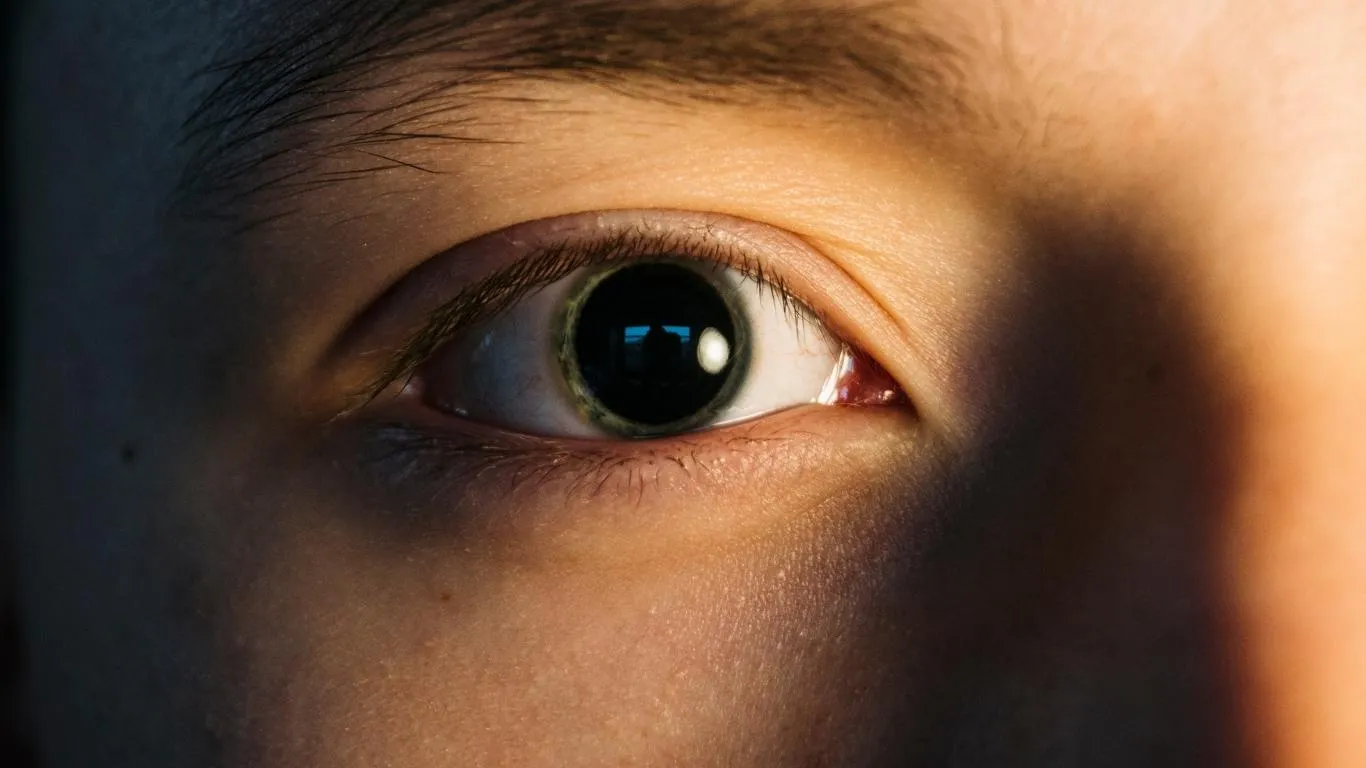
- Observation & Adaptation: This is the go-to recommendation for most floaters. If your floaters aren’t affecting daily life significantly, doctors typically suggest giving it time.
- Vitrectomy: A surgical option where the vitreous gel is removed and replaced. Highly effective but carries risks like retinal detachment or infections.
- Laser Vitreolysis: A non-invasive laser treatment that can break up floaters, making them less noticeable. It’s a popular option for floaters that are particularly bothersome against high-contrast backgrounds.
- Lifestyle Tweaks: Simple changes like using softer ambient lighting, taking regular eye breaks during glittery-focused tasks, and ensuring proper hydration can subtly improve your visual comfort.
There’s a lot of buzz about eye exercises and home remedies claiming to “dissolve” floaters, but it’s best to approach those with a grain of salt. For an honest take, read this article on eye exercises that actually work for floaters.
Supplements & Nutrition: Worth a Shot?
I’ve personally tried adding more antioxidant-rich foods and eye-friendly supplements like Lutein and Omega-3. While floaters didn’t magically disappear, my overall eye comfort definitely improved. Research is mixed, but anecdotal experiences (like mine) suggest a healthy diet can help your eyes cope better with existing floaters.
If you’re curious about dietary strategies, Healthusias has an excellent guide on diet changes that could improve floaters naturally.
When Floaters Are a Warning Sign You Shouldn’t Ignore
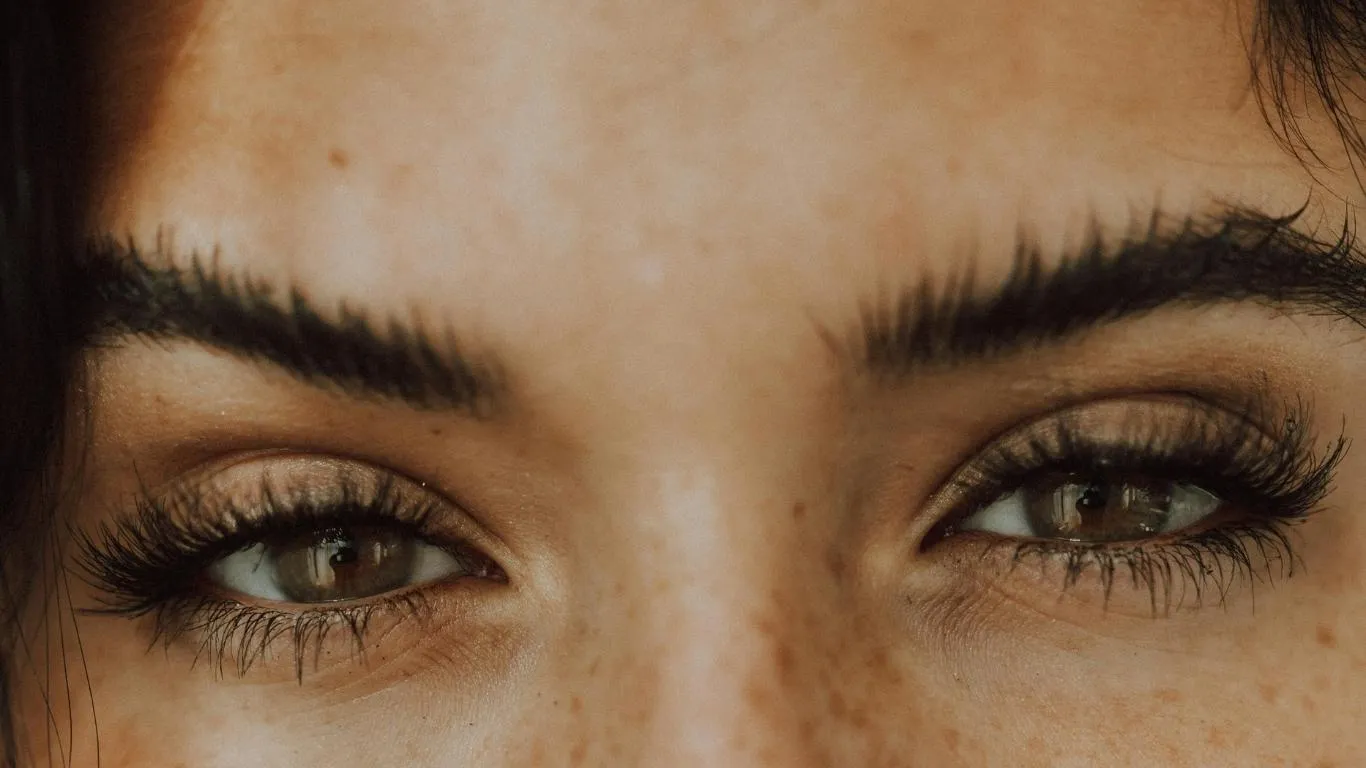
Most floaters are harmless, but sometimes they’re your eyes waving a red flag. If you experience a sudden “shower” of floaters, flashes of light, or a shadowy curtain creeping across your vision, you need to get checked immediately. These can be signs of retinal detachment or vitreous hemorrhage, conditions that need urgent medical attention.
To know the exact signs that warrant a doctor’s visit, the article on floaters before a retinal tear is an essential read. It explains the subtle symptoms that are easy to dismiss until it’s too late.
Stress, Fatigue, and Floaters: The Overlooked Connection
Here’s something personal—my floaters always seem to get worse after long workdays or when I’m mentally exhausted. I thought it was in my head until I stumbled upon research showing that mental exhaustion can exacerbate floater visibility. Turns out, eye strain, poor sleep, and even anxiety can make floaters more noticeable, especially in environments filled with reflective stimuli.
Living Comfortably with Floaters in Glittery Visual Fields
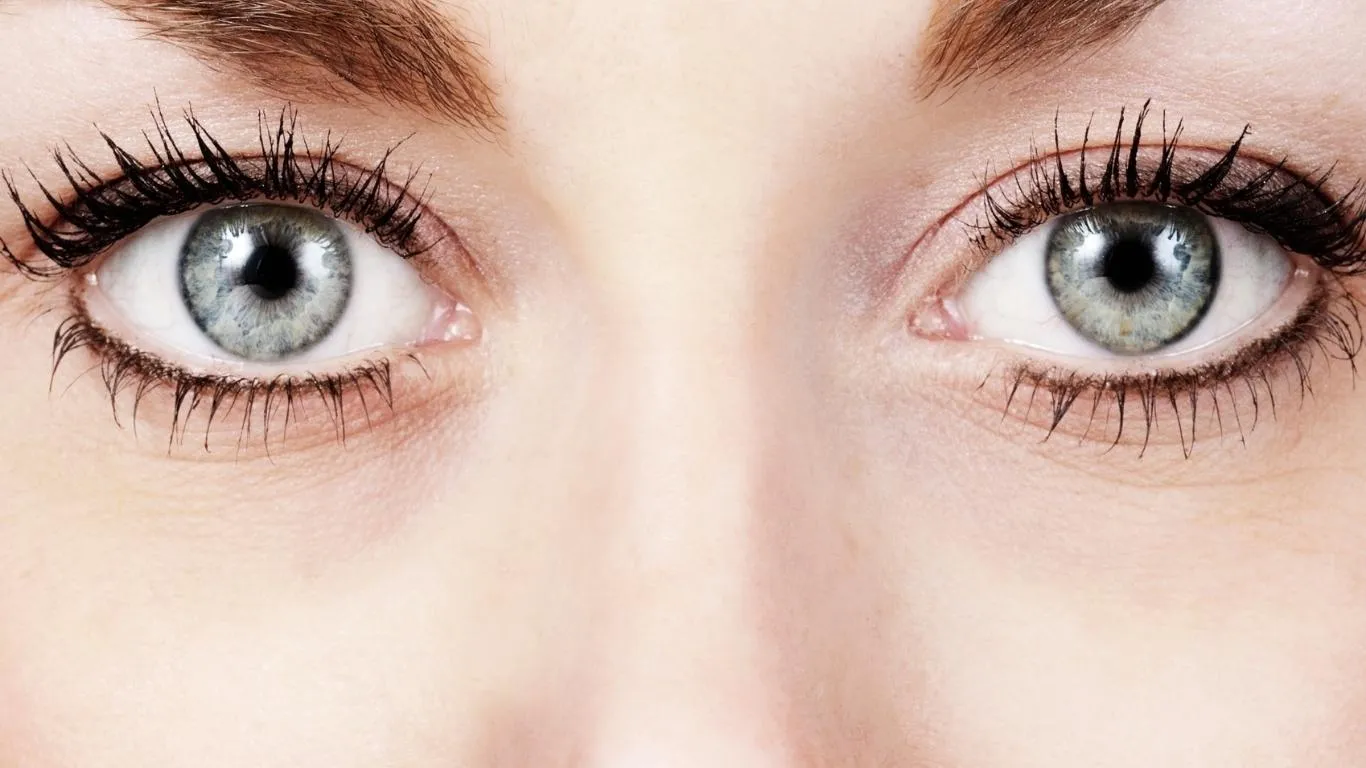
- Choose Matte Over Gloss: When possible, opt for non-reflective materials in your workspace or projects. Matte finishes reduce glare, making floaters less intrusive.
- Positioning Matters: Adjust your angle of view. Sometimes, a slight head tilt can minimize how much floaters obstruct your sightline.
- Control Ambient Lighting: Soft, diffused light setups are your best friend. Avoid harsh spotlights directly above glittery objects.
- Stay Hydrated & Rested: Floaters are often worse when you’re dehydrated or sleep-deprived. Keeping up with water intake and proper rest does help more than you’d think.
Managing floaters is a journey. Some days they’re barely there, other days, especially when I’m crafting with glitter or shiny papers, they make an annoying comeback. But over time, you learn subtle hacks to live with them without losing focus on what matters.
For a comprehensive overview of recognizing floater symptoms and distinguishing between harmless floaters and serious conditions, this guide is a goldmine of practical advice.

Camellia Wulansari is a dedicated Medical Assistant at a local clinic and a passionate health writer at Healthusias.com. With years of hands-on experience in patient care and a deep interest in preventive medicine, she bridges the gap between clinical knowledge and accessible health information. Camellia specializes in writing about digestive health, chronic conditions like GERD and hypertension, respiratory issues, and autoimmune diseases, aiming to empower readers with practical, easy-to-understand insights. When she’s not assisting patients or writing, you’ll find her enjoying quiet mornings with coffee and a medical journal in hand—or jamming to her favorite metal band, Lamb of God.