How Gratitude Meditations Can Make Eye Floaters More Noticeable
Not long ago, during one of my evening gratitude meditations, I noticed something odd—tiny drifting specs and shadowy threads floating across my vision. At first, I brushed it off, assuming it was just some post-yoga visual fatigue. But it kept happening. Every time I finished a meditation session, especially gratitude-focused ones, these floaters would show up uninvited. Turns out, I’m not the only one who’s had floaters that appear after gratitude meditations. It’s a phenomenon more common than you think, and it deserves a deeper look.
What Exactly Are Eye Floaters?
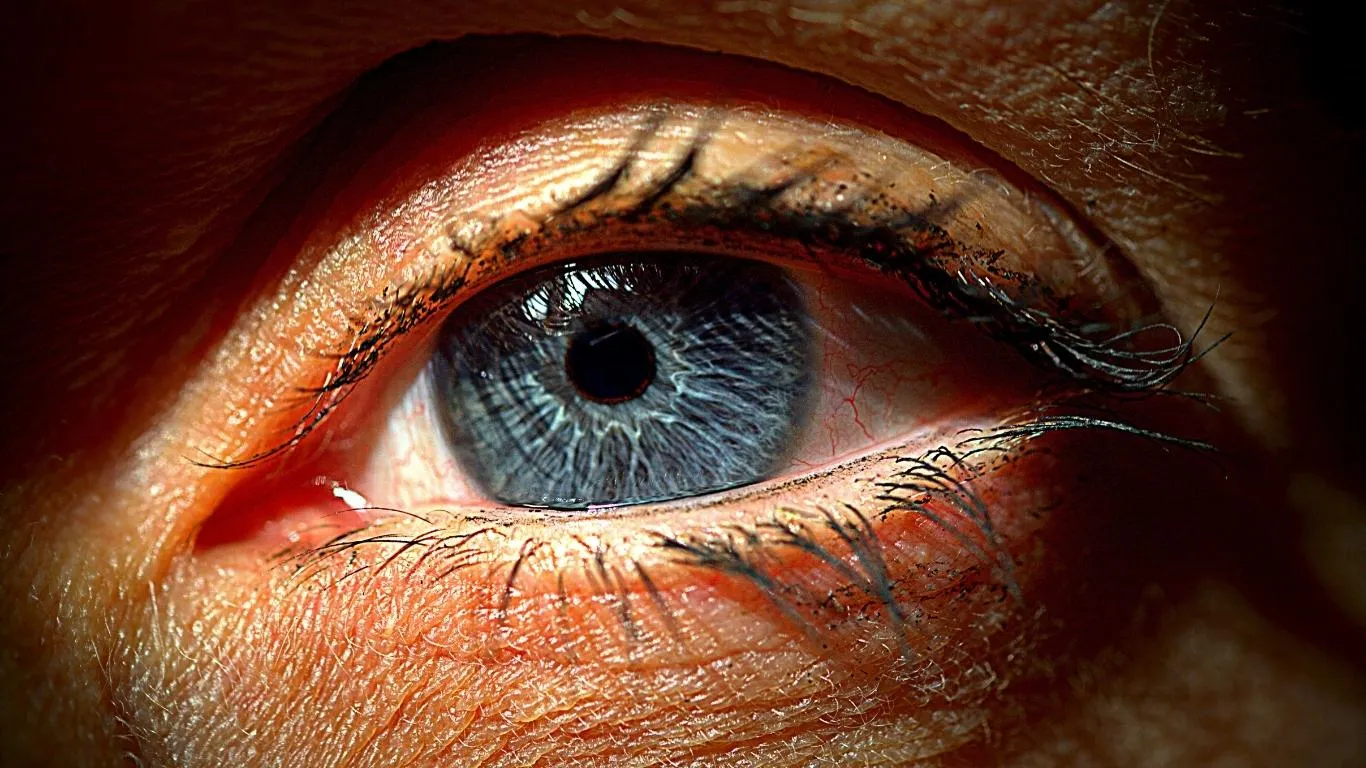
Eye floaters are those pesky little cobwebs, spots, or thread-like structures that drift across your visual field. They’re essentially tiny clumps of collagen fibers inside the vitreous—the gel-like substance that fills your eyeball. As the vitreous slowly shrinks with age or due to other factors, these fibers tend to clump together and cast shadows on the retina, creating the illusion of floating debris.
While they’re generally harmless, their sudden appearance—especially after relaxing practices like meditation—can be unsettling. I know it was for me.
Why Floaters Often Become Noticeable After Meditation

It’s not meditation causing the floaters; it’s the conditions surrounding the practice that make them more noticeable. Here’s what might be happening:
1. Shift in Focus and Lighting
During gratitude meditations, you often close your eyes or sit in a softly lit room. The sudden shift in lighting when you open your eyes or move your gaze can highlight floaters that were previously invisible against busier backgrounds. This is why many people report floaters being more visible in bright rooms or when looking at plain surfaces.
2. Eye Movement During Stillness
Ever noticed how your eyes subtly move during meditation, even when you’re consciously still? These micro-movements cause floaters to drift across your visual field. When you’re actively focused on internal calm, these small shifts become more apparent.
3. Increased Awareness of Visual Anomalies
Meditation sharpens your senses. You’re more attuned to bodily sensations and subtle visual changes. This heightened awareness makes you notice floaters that, in your everyday hustle, would have gone unnoticed. There’s even a growing recognition of floaters appearing during mindfulness practices for the same reason.
Are Floaters After Meditation a Health Concern?
Most of the time, floaters after meditation are benign. However, it’s essential to distinguish harmless floaters from symptoms that may signal underlying eye conditions. If you suddenly notice a shower of new floaters, flashes of light, or experience partial vision loss, it’s time to see an ophthalmologist.
Conditions like Posterior Vitreous Detachment (PVD) and even retinal tears can sometimes manifest with floaters, though these are rarer in meditative contexts. You can read more about serious floaters scenarios in this detailed guide on floaters warning signs.
Triggers That Amplify Floaters During Gratitude Meditation
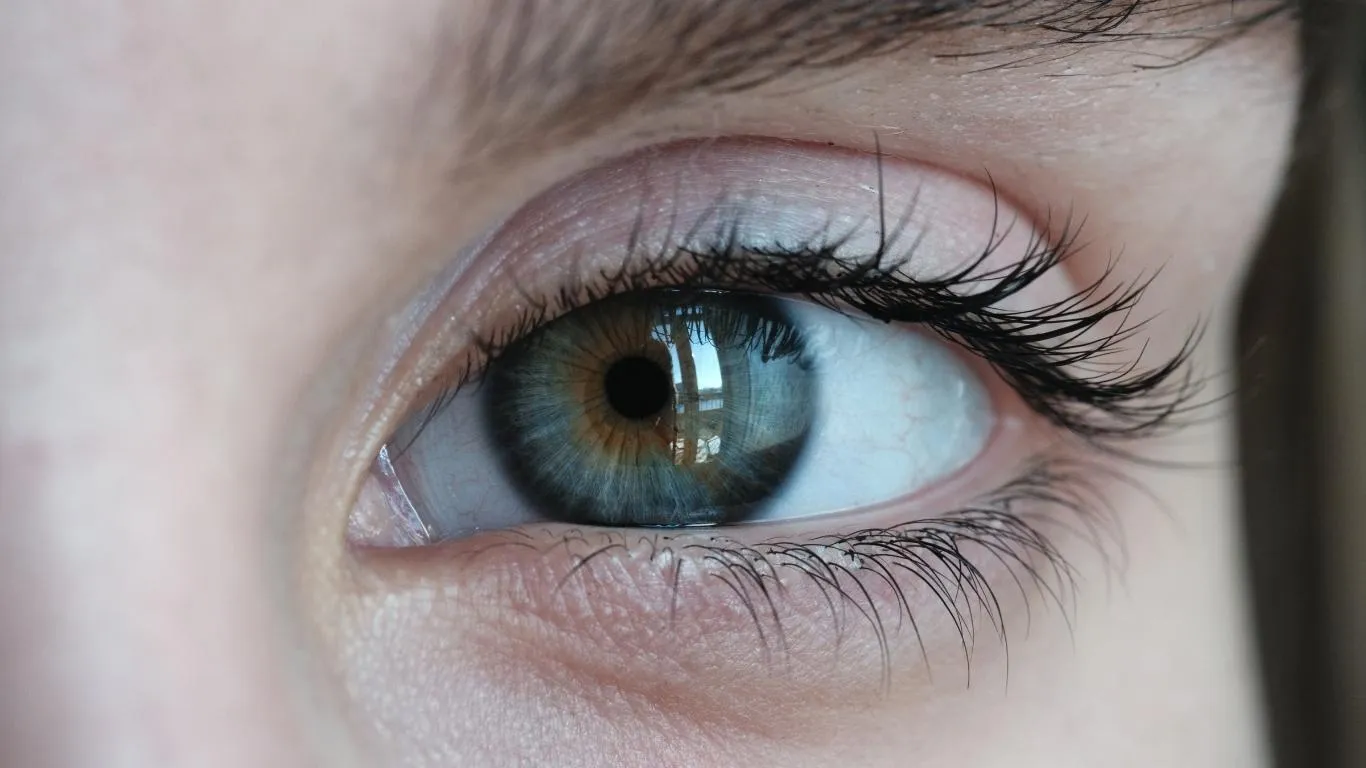
- Bright, diffused lighting: Natural light filtering through sheer curtains can exaggerate floaters.
- Monochromatic surroundings: Sitting in a minimalist, plain-colored space can make floaters stand out.
- Hydration levels: Dehydration tends to worsen floaters visibility.
- Posture: Certain seated positions might change intraocular pressure subtly, influencing floater movements.
My Personal Routine Hacks to Minimize Floaters After Meditation
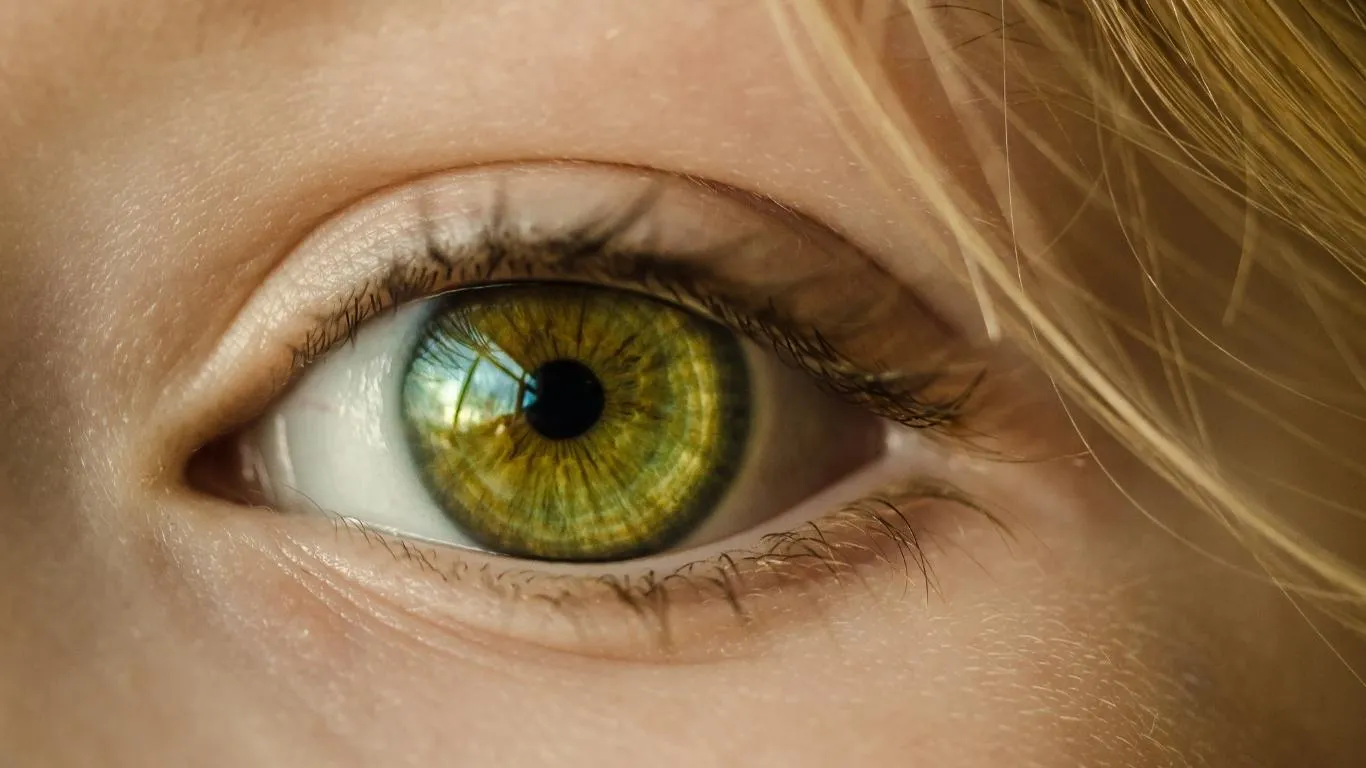
Having dealt with this issue personally, I’ve picked up a few practical tips that help make floaters less bothersome after meditative sessions:
- Change the lighting setup: I shifted from sitting directly under soft white lights to indirect warm lighting, which reduced the floaters’ contrast against my vision.
- Hydrate before meditating: Keeping my body well-hydrated makes a surprising difference. Here’s a helpful resource on hydration and floaters.
- Introduce subtle eye exercises post-session: Gentle horizontal and vertical eye movements help floaters settle away from the central vision zone.
- Optimize seating angle: Sitting with a slight forward tilt seemed to change how the floaters drifted across my vision.
When Should You Seek Professional Advice?
If floaters that appear after gratitude meditations begin to multiply rapidly, come with sudden light flashes, or are accompanied by blurry vision, do not hesitate to consult an eye specialist. Such symptoms could indicate a vitreous detachment or more severe retinal conditions. For a thorough comparison between harmless floaters and those that could signify bigger problems, check out this detailed article.
For a complete overview of what causes floaters—from aging to possible eye injuries—this pillar resource covers the essentials. And if you’re looking for an in-depth guide about floaters, symptoms, and treatment options, this main article will walk you through it.
Are Meditation Practices Worsening Floaters Over Time?
One thing I often wondered—can consistent meditation practices, especially gratitude meditations, worsen floaters over time? From my own experience and discussions with optometrists, meditation isn’t causing the floaters to increase. However, it does make you hyper-aware of them. The more still and mindful you become, the more you notice these visual anomalies. It’s not that they’re multiplying; you’re just catching them in the act more often.
That said, certain eye conditions might be subtly progressing, and meditation simply exposes what’s been silently developing. Factors like vitreous syneresis, where the vitreous gel begins to liquefy and shrink, can lead to floaters becoming more prominent over time. There’s an excellent breakdown on how vitreous changes affect floaters.
Can Emotional States Amplify Floaters?
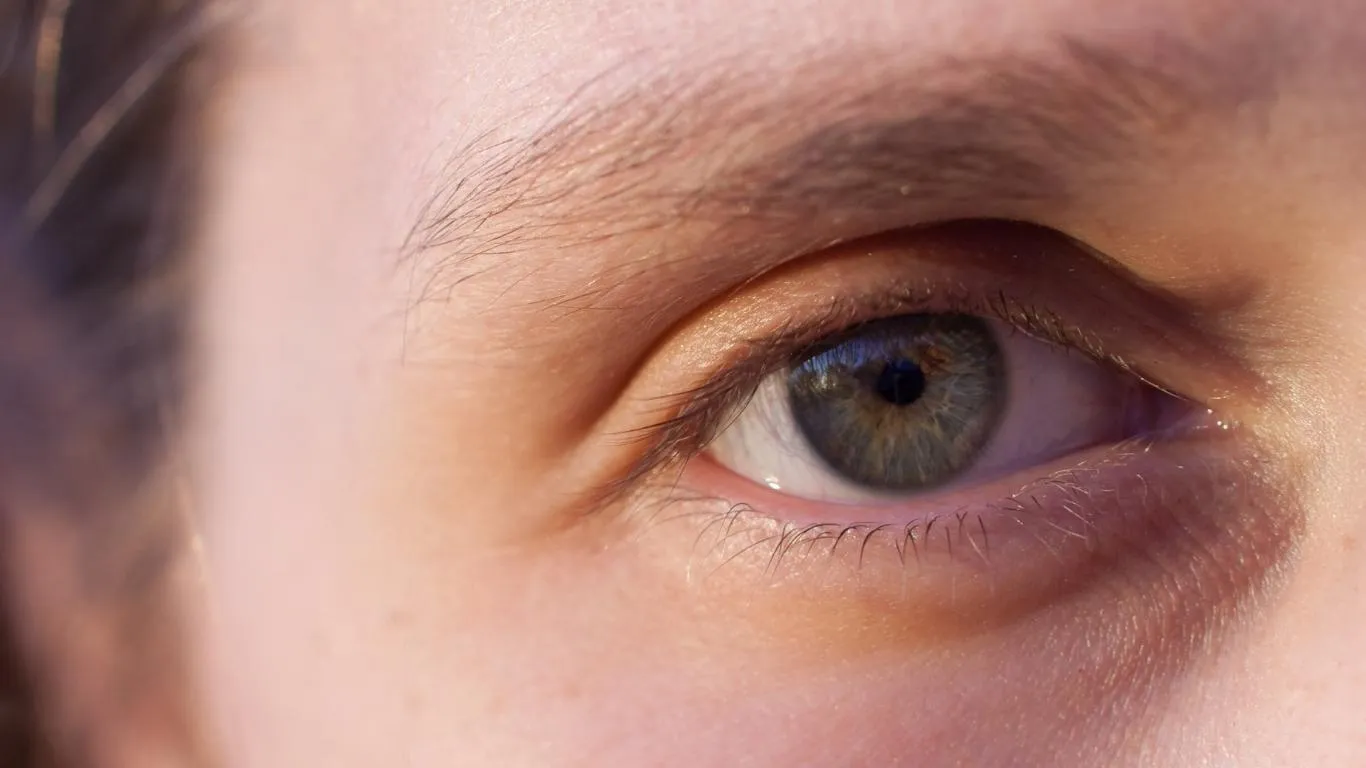
Here’s where it gets interesting. Emotional states, particularly those heightened during gratitude meditations, can influence how you perceive floaters. Stress, emotional release, or even a surge of calm joy can cause shifts in ocular blood flow and focus sensitivity. I’ve noticed that after deeply emotional meditations, floaters tend to seem more active or intrusive.
Studies suggest that emotional stressors could increase cortisol levels, subtly impacting the eye’s internal environment. While more research is needed, anecdotal evidence—including mine—points to a link. If you’re curious, there’s a fascinating article on stress-induced floater intensification.
Best Practices to Keep Floaters from Distracting Your Meditation
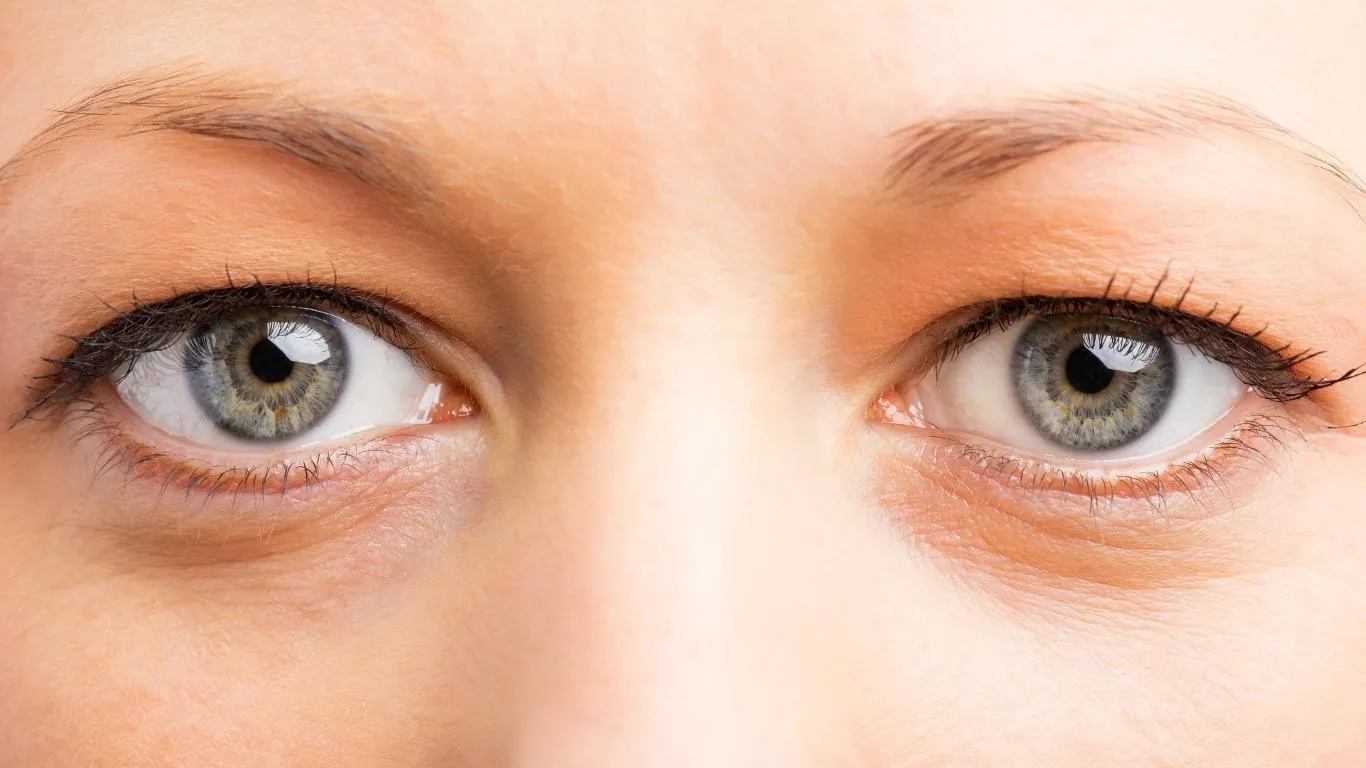
Managing floaters during meditation isn’t about eliminating them but about reducing their impact on your focus. Here are strategies that genuinely worked for me:
- Ambient lighting balance: Avoid overly bright rooms or complete darkness. A soft, diffused glow helps mask floaters better.
- Switching meditation postures: Lying down or reclining can change the vitreous position, shifting floaters away from your line of sight.
- Breath syncing: Matching deep breathing rhythms with subtle eye movements can help “push” floaters aside naturally.
- Hydration and nutrition: Supplements rich in lutein and omega-3s have been linked to vitreous health. Here’s a guide on dietary strategies for floater management.
When to Consider Medical Interventions for Persistent Floaters
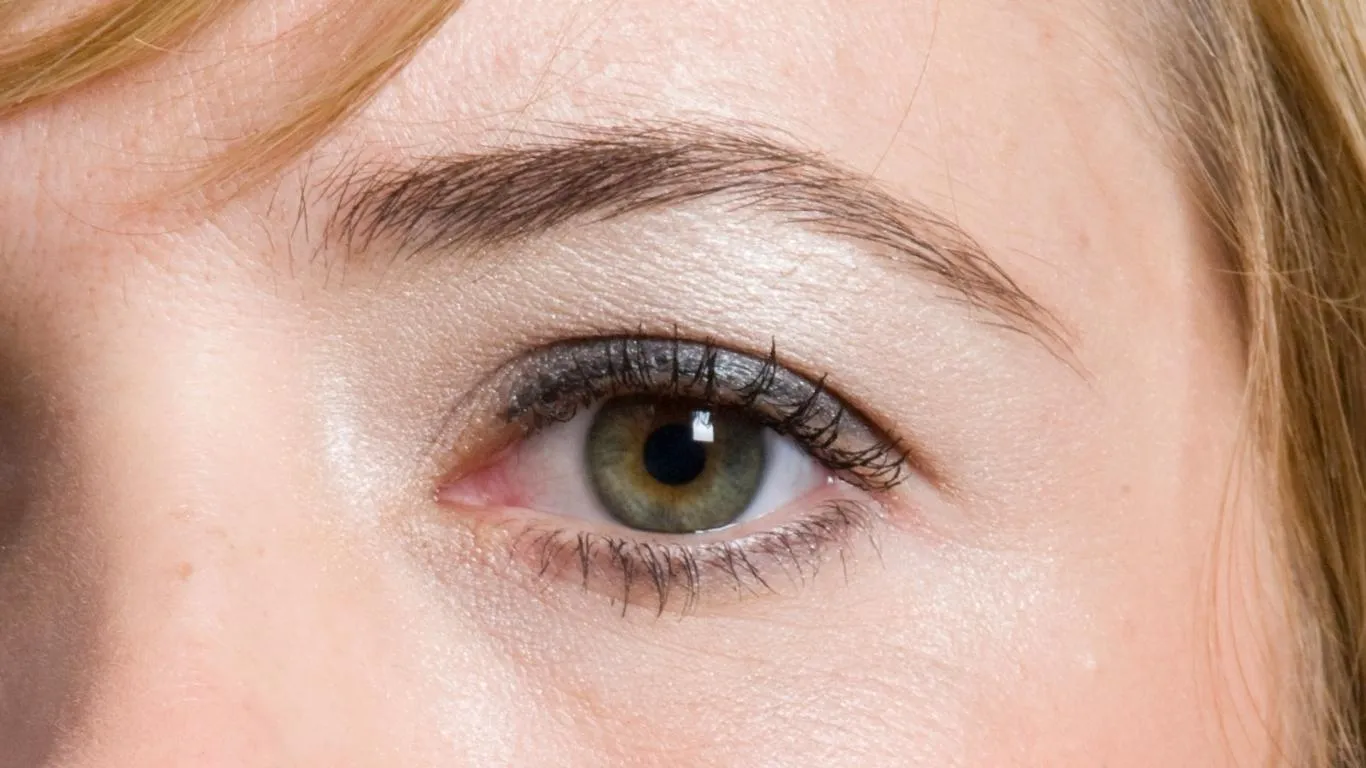
If floaters begin to interfere with daily activities, or your meditation becomes frustrating because of constant visual interference, there are clinical options to explore. Procedures like laser vitreolysis and vitrectomy are effective but are considered only for severe cases where floaters severely impact quality of life.
It’s crucial to weigh the risks and benefits. The non-invasive approach is always preferred first. For a comprehensive look at treatment options, this treatment-focused article dives deep into available medical solutions.
Natural Remedies: Fact or Fiction?
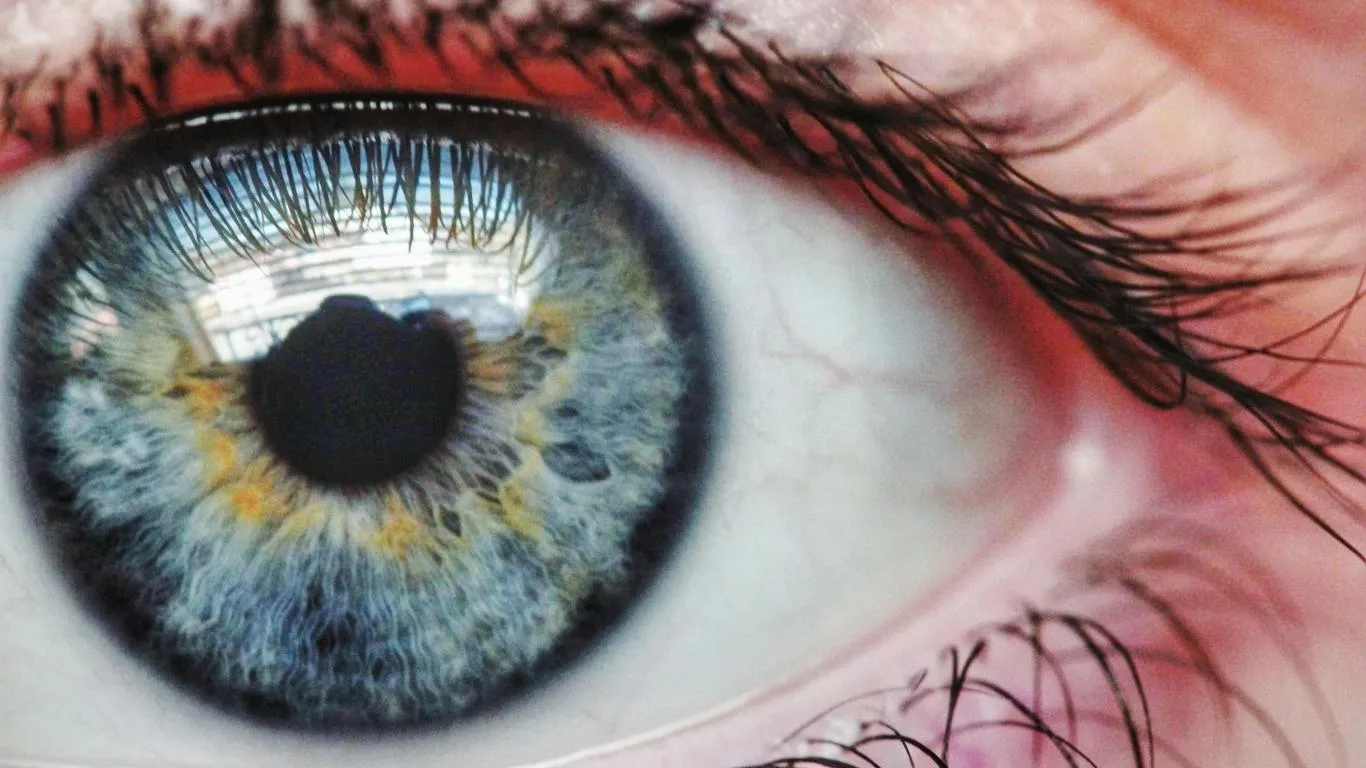
I’ve tried quite a few natural remedies for floaters—herbal teas, eye exercises, dietary tweaks. Some worked marginally; others were pure myth. The key is setting realistic expectations. Hydration, reducing screen time, and specific eye movement exercises can genuinely ease the distraction caused by floaters.
There’s also the matter of nutritional support. Some people swear by certain supplements, but evidence is mixed. However, natural methods can complement your overall eye health strategy. For more on this, check out this article breaking down natural floater remedies.
Living with Floaters: A Meditation Perspective

I’ve learned to co-exist with my floaters during meditation. Instead of fighting them, I now see them as part of the meditative process. Some days, they fade into the background; other days, they float around annoyingly. But like intrusive thoughts, acknowledging them and gently redirecting focus works wonders.
It’s also worth noting that floaters’ perception can fluctuate. Factors like sleep quality, hydration, and even diet can influence how prominent they seem. For instance, after reducing caffeine and increasing water intake, I noticed a marked difference in how bothersome my floaters were during gratitude sessions.
For those wanting a deeper understanding of floaters, their causes, and treatment paths, the ultimate guide is right here: Understanding Eye Floaters in Depth.

Camellia Wulansari is a dedicated Medical Assistant at a local clinic and a passionate health writer at Healthusias.com. With years of hands-on experience in patient care and a deep interest in preventive medicine, she bridges the gap between clinical knowledge and accessible health information. Camellia specializes in writing about digestive health, chronic conditions like GERD and hypertension, respiratory issues, and autoimmune diseases, aiming to empower readers with practical, easy-to-understand insights. When she’s not assisting patients or writing, you’ll find her enjoying quiet mornings with coffee and a medical journal in hand—or jamming to her favorite metal band, Lamb of God.