Why Floaters That Appear With Excitement Can Disrupt Your Vision
Have you ever been in a moment of pure excitement—maybe you’re at a concert, celebrating a win, or even just having a burst of adrenaline—and suddenly, these annoying squiggly lines or floating specs appear in your vision? Yep, I’ve been there too. They seem to dance around like they’re part of the party, but trust me, they’re not invited. These are known as “eye floaters,” and if you’re noticing floaters that appear with excitement, you’re not alone. Let’s dive into why this happens and what you should really know about it.
What Are Eye Floaters and Why They Pop Up During Excitement?
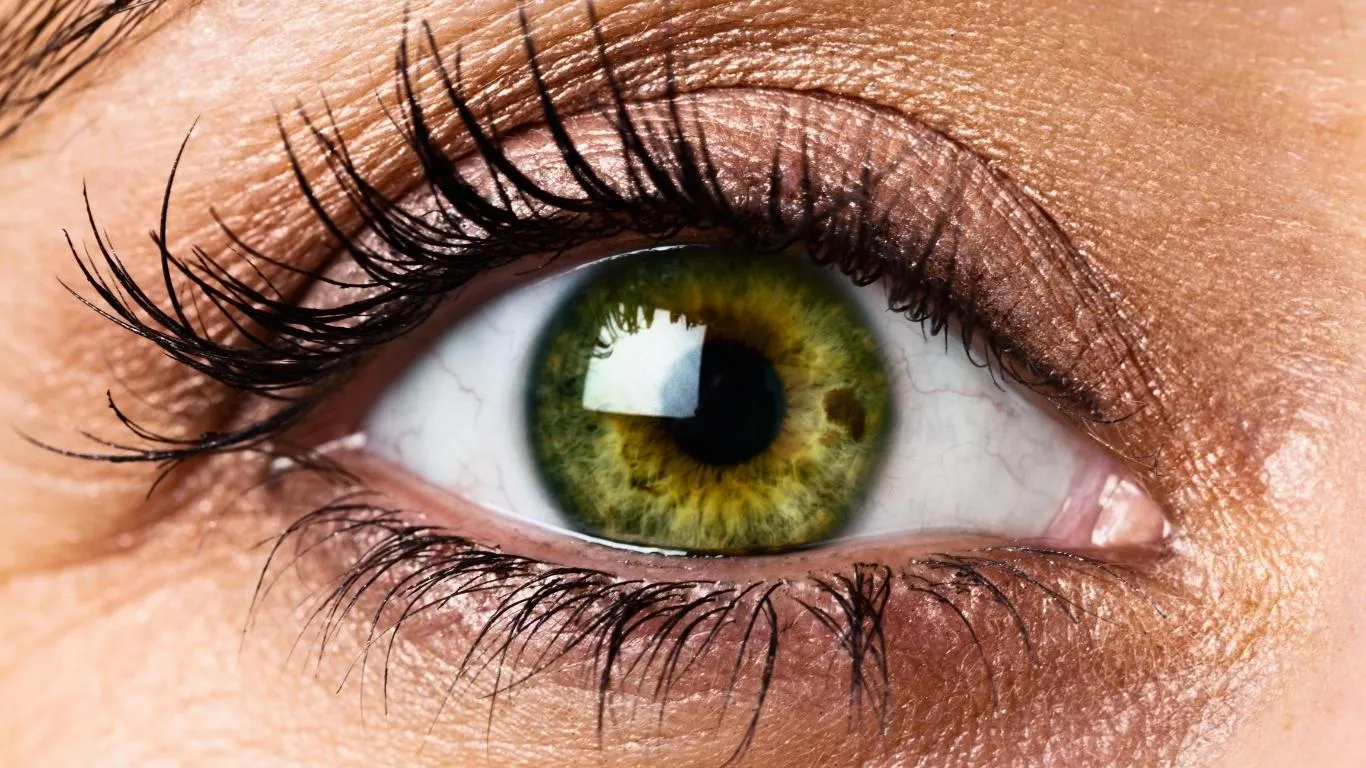
Eye floaters are tiny clumps of collagen fibers that float inside the vitreous humor, the gel-like substance filling your eyeball. When light enters your eye, these floaters cast shadows on your retina, which is why you see them.
But why do they suddenly become so visible when you’re excited? From my experience, it’s often linked to how our bodies respond to adrenaline. Excitement triggers an increase in heart rate and blood pressure, and your pupils might dilate slightly. This combination can make existing floaters more noticeable.
According to this article on floaters being more visible when tired, certain physiological changes can intensify how floaters appear in specific moments. The same principle applies during sudden emotional highs.
Is This a Sign of a Bigger Problem?
I’ll be honest, the first time it happened to me, I freaked out thinking something was seriously wrong. The good news? Most of the time, floaters that appear with excitement aren’t a medical emergency. However, sudden onset of many new floaters, flashes of light, or a dark curtain effect could indicate a retinal tear, and that’s a whole different ball game. If you’re curious, you should definitely check out our in-depth article on when floaters are considered dangerous.
But for the majority of us, these occasional floaters are benign, although undeniably annoying. Still, keeping track of their frequency and intensity is a smart move, especially if you notice they’re getting worse over time.
How Excitement Triggers Floaters Visibility
Adrenaline Surge and Visual Sensitivity
Adrenaline, or the “fight or flight” hormone, heightens our senses. Your pupils dilate to let in more light, increasing your peripheral awareness. The problem? Dilated pupils also allow floaters to become more pronounced, especially against bright backgrounds like the sky or concert lights.
Increased Eye Movement
Moments of excitement often come with rapid eye movements. Whether you’re scanning a crowd or tracking fast-moving visuals, your eyes shift quickly, making floaters swirl around in your field of vision. This is why floaters often seem to “follow” your gaze, something we explained in detail in this article.
Elevated Blood Pressure
While not dangerous in short bursts, a temporary spike in blood pressure can slightly alter the dynamics of the vitreous humor, making floaters move more vigorously. It’s subtle but noticeable enough when you’re keyed into your body during an adrenaline rush.
Are Certain People More Prone to This?
Floaters during excitement are more common if you:
- Are nearsighted (myopic)
- Have had previous eye injuries
- Underwent eye surgeries like LASIK
- Are over 30 (unfortunately, age is a factor)
Genetic predisposition can also play a role. There’s fascinating insight on how genetics influences vitreous degeneration in this article.
Managing Eye Floaters That Appear with Excitement
Focus Techniques
One simple trick I use is shifting my focus. Instead of trying to chase floaters with my eyes (which never works), I look at a solid, dark object to minimize the contrast that makes floaters visible.
Hydration and Eye Health
Dehydration can exacerbate vitreous clumping. If you’re heading into an exciting event, keep yourself well-hydrated. There’s an excellent piece on how dehydration worsens floaters that really opened my eyes (pun intended).
Nutrition Support
While floaters are a mechanical issue, proper nutrition helps maintain overall eye health. Lutein and omega-3-rich foods can support vitreous clarity. You can find more about dietary strategies in our article on diet changes that benefit floaters.
When to Consult a Specialist?
If floaters begin to interfere with daily activities or if you notice a sudden shower of them, it’s best to consult an ophthalmologist. For a comprehensive look at treatment options, check out our guide on eye floater treatments.
For a broader understanding of floaters, their causes, symptoms, and treatments, I recommend reading this complete guide on eye floaters from Healthusias.
Floaters That Get Worse with Emotional Highs: What’s Really Happening?
Have you ever noticed how floaters seem to intensify right when you’re at your happiest or most thrilled? It’s frustrating—I know. For me, it happens when I’m watching my favorite sports team score or during surprise celebrations. But here’s the thing: emotional highs trigger a physiological domino effect that makes floaters more pronounced.
It’s not just the adrenaline rush. Emotional excitement increases cortisol levels, alters your breathing patterns, and temporarily shifts your ocular pressure. All these factors can change how light enters your eye and how those pesky floaters dance around.
Interestingly, this deep dive on floaters and cortisol explains how even emotional stress responses—good or bad—can mess with your vision clarity.
Can Excitement-Induced Floaters Lead to Long-Term Vision Issues?
Let’s clear this up: occasional floaters that pop up during excitement are not inherently dangerous. However, if you’re constantly seeing a flurry of new floaters, it could signal vitreous detachment or early signs of retinal issues. A thorough read on posterior vitreous detachment can give you a solid understanding of how it progresses.
For most of us, the floaters that show up in high-emotion situations are benign. But staying proactive with your eye health is key. Keeping tabs on their frequency, size, and sudden changes will ensure you catch any red flags early.
Practical Tips to Reduce Floaters Visibility During Excitement
1. Control Your Lighting Environment
Bright lights or high-contrast environments make floaters stand out like a sore thumb. If you’re going to a bright venue or event, wear lightly tinted glasses. I’ve found that amber lenses work wonders in softening harsh contrasts.
2. Mindful Breathing
Sounds simple, but slowing down your breathing helps stabilize your ocular pressure. I do a quick 4-4-4 breathing cycle (inhale for 4 seconds, hold for 4, exhale for 4) when I notice floaters starting to ruin my vibe.
3. Avoid Eye Rubbing
When excitement hits, you might instinctively rub your eyes. Don’t. Vigorous eye rubbing can disturb the vitreous, making floaters even more noticeable. You can learn more about this habit in this piece about floaters from eye rubbing.
4. Stay Hydrated & Nourished
Dehydration amplifies the clumping effect in the vitreous. Keep water handy, especially in high-energy situations. Incorporate vision-friendly foods like spinach, walnuts, and fatty fish into your diet regularly. Here’s a list of foods rich in lutein that I swear by.
When Should You Take Action?
It’s easy to dismiss floaters, especially if they seem to fade away after the excitement dies down. But don’t ignore these warning signs:
- A sudden shower of new floaters
- Floaters accompanied by light flashes
- Loss of peripheral vision
- Floaters that remain dense and do not move away with eye movement
If you tick any of these boxes, it’s time to visit an eye specialist. For an overview of treatment options, from observation to surgical solutions, this guide on treatments will be invaluable.
Exploring Treatment and Long-Term Management
Now, let’s get real. There’s no magic cure that makes floaters disappear instantly. But several options can help reduce their impact:
- Observation: For most people, floaters settle with time as the brain learns to filter them out.
- Laser Vitreolysis: A non-invasive laser procedure that breaks up floaters, making them less noticeable. It’s not for everyone, though.
- Vitrectomy: A surgical option where the vitreous is replaced with a saline solution. This is generally reserved for severe cases due to its risks.
However, if you’re like me and prefer natural approaches, tweaking lifestyle habits can go a long way. I’ve personally noticed a difference by reducing screen time and practicing simple eye exercises daily.
Floaters That Appear with Excitement: What You Can Do Today
If there’s one thing I’ve learned, it’s that being proactive pays off. Next time you’re about to have an adrenaline-pumping moment, here’s what I suggest:
- Stay hydrated well before the event
- Wear anti-reflective or slightly tinted glasses
- Practice slow, deep breathing when you notice floaters popping up
- Schedule regular eye check-ups, even if floaters are mild
Understanding the root causes of floaters that appear with excitement helps take the edge off the anxiety they bring. And if you’re looking for a detailed breakdown of common causes, from aging to injuries, you’ll find this article on common causes of eye floaters incredibly helpful.
Lastly, I highly recommend you read our comprehensive piece on what are eye floaters, their causes, symptoms, and treatments for a complete picture of what’s going on inside your eyes.

Camellia Wulansari is a dedicated Medical Assistant at a local clinic and a passionate health writer at Healthusias.com. With years of hands-on experience in patient care and a deep interest in preventive medicine, she bridges the gap between clinical knowledge and accessible health information. Camellia specializes in writing about digestive health, chronic conditions like GERD and hypertension, respiratory issues, and autoimmune diseases, aiming to empower readers with practical, easy-to-understand insights. When she’s not assisting patients or writing, you’ll find her enjoying quiet mornings with coffee and a medical journal in hand—or jamming to her favorite metal band, Lamb of God.