Why Floaters That Disappear After Hydration May Signal Eye Relief
“I was staring at the ceiling one morning, slightly groggy and trying to rehydrate after a long, dehydrating night with barely any water—and boom, there it was again. That tiny, wiggly floater drifting across my vision like a jellyfish in a lazy current. But here’s the thing: after guzzling a few glasses of water and going about my morning, it was just… gone.” If you’ve ever experienced floaters that disappear after hydration, you’re not alone. And while it sounds almost too good to be true, there’s a surprisingly rational explanation behind this oddly satisfying phenomenon.
What Are Eye Floaters, Really?
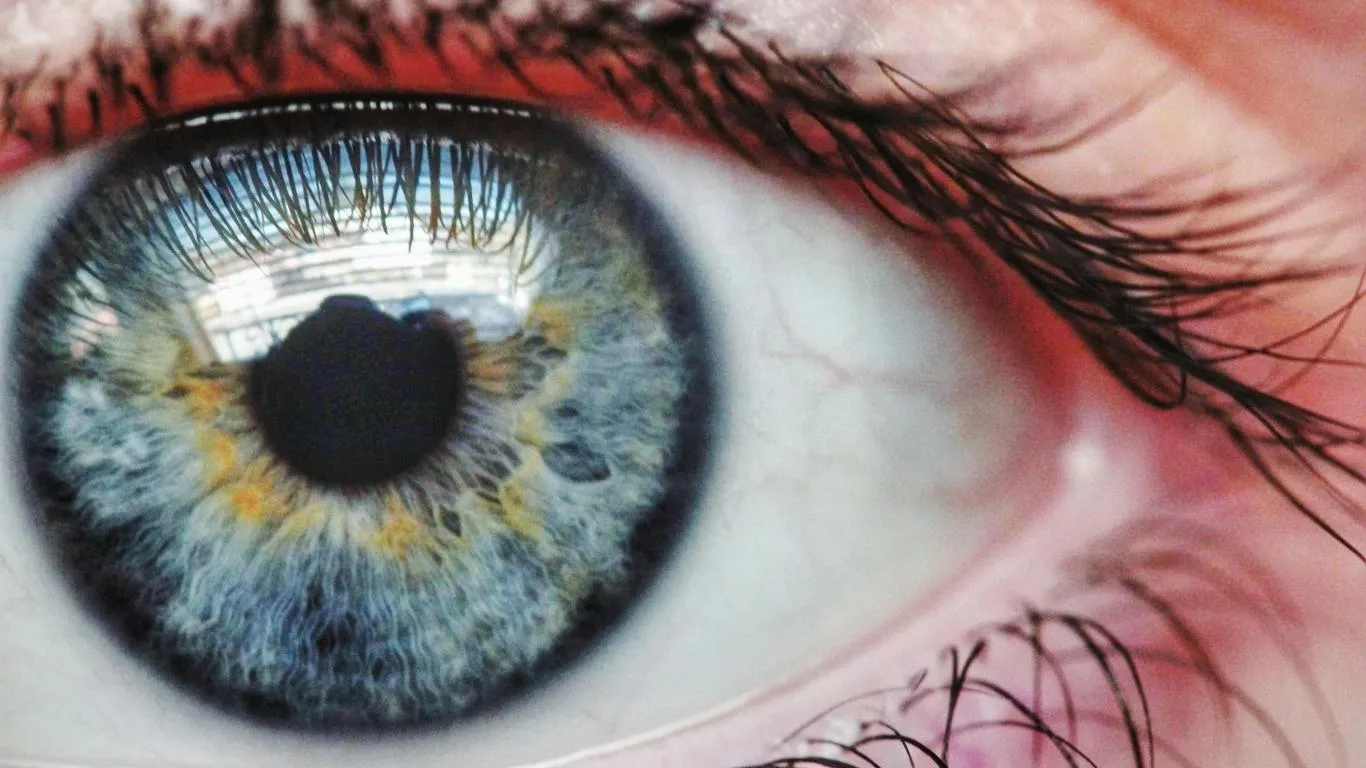
Eye floaters are those quirky specks, threads, or cobweb-like shapes that drift through your field of vision. They’re caused by tiny bits of protein or collagen fibers suspended in the vitreous—the clear, gel-like substance that fills the space between your eye’s lens and retina. These fibers cast shadows on your retina, creating the illusion of spots or floaty shapes that seem to move when you try to focus on them.
As this comprehensive guide points out, floaters are usually harmless but can become incredibly annoying or even distracting, especially when they appear suddenly or multiply rapidly.
Can Hydration Actually Make Floaters Go Away?
This is where things get interesting. Many people have reported that their floaters become less noticeable—or even vanish—after drinking enough water. And while there’s not a mountain of peer-reviewed research on this specific topic, it’s not just placebo or wishful thinking. From personal experience, I can tell you: floaters that seem to linger after a night of poor hydration often fade into the background once I rehydrate properly. But why?
The Vitreous Gel and Hydration
Your vitreous is about 98% water. When you’re dehydrated, the balance and consistency of this gel can shift, causing the collagen fibers within it to clump more visibly, which can worsen the appearance of floaters. Rehydration may help restore the normal balance of the vitreous, making those fibrous strands less visible or disperse more evenly, reducing shadow casting on your retina.
Eye Pressure and Circulation
Hydration also plays a role in regulating intraocular pressure and enhancing overall circulation. Better blood flow and fluid balance within the eye may help your eye “flush out” or redistribute particles, reducing the perception of floaters. While this won’t magically dissolve them, it can make a noticeable difference.
Signs Your Floaters Are Linked to Dehydration
- They appear after waking up from a dry night (like after alcohol or long flights)
- They are more noticeable when you haven’t drunk water in several hours
- They seem to fade or disappear after a few glasses of water
- You feel dry eyes, dry mouth, or fatigue at the same time
Interestingly, this article on dehydration’s effect on eye floaters dives deeper into how a lack of fluids affects your visual clarity. Many of us underestimate just how much fluid balance plays a role in our overall eye health.
How to Tell If It’s Really Hydration Helping
If you’re someone who notices floaters randomly and they tend to vanish after chugging some water, hydration might be your key. Try this for a week:
- Wake up and rate your floater visibility from 1 to 10.
- Drink at least 500ml of water within 15 minutes.
- Re-check your floater visibility an hour later.
- Repeat this at different times of day—especially when you feel dry or fatigued.
If you consistently notice improvement post-hydration, chances are your floaters are directly influenced by your hydration status. A surprising number of floaters may actually be related to temporary imbalances in your vitreous gel structure—especially in younger adults or those with no underlying retinal damage.
Other Factors That Make Floaters Come and Go
Let’s not pretend hydration is the only piece of the puzzle. Here are some other big players:
- Lighting conditions: Floaters are far more noticeable against bright or white backgrounds.
- Eye fatigue: After long screen time or lack of sleep, floaters can become more intense.
- Head position: Looking up at a bright ceiling or sky brings them to the forefront.
- Stress: Yes, mental fatigue can make you hyper-aware of tiny annoyances—including floaters.
You might also be interested in how dark screen time triggers floaters or how lack of sleep intensifies them. These are just a few examples of how your environment and habits influence visual disturbances.
When Floaters May Be a Sign of Something Bigger
While many floaters come and go harmlessly, some shouldn’t be ignored. If your floaters appear suddenly, multiply rapidly, or are accompanied by flashes of light or vision loss, it could be a sign of a more serious condition like retinal detachment or tear. In such cases, hydration won’t help—and you’ll want to consult an eye care professional ASAP.
Understanding the different types of floaters and how they contrast with other vision issues is crucial. This comparison guide does a great job of helping you figure out whether what you’re seeing is truly a floater or something else entirely.
For a more thorough breakdown of floaters, including symptoms, causes, and advanced treatment options, check out this full resource on eye floaters.
What If Hydration Doesn’t Help?
Now, if you’ve been guzzling water like a hydration ninja and your floaters are still clinging on like they pay rent—don’t stress just yet. Not all floaters respond to hydration. That’s often because their cause is more structural than situational. For instance, as this guide on common causes of eye floaters explains, some floaters result from age-related changes in the vitreous, eye trauma, or even previous surgeries.
In these cases, hydration alone might not make a dent. And speaking from personal experience, I’ve had those too—the kind that stubbornly show up no matter how much I hydrate or adjust my lighting. The key is knowing which ones you can influence… and which ones might require more help.
Persistent Floaters: When to See an Eye Specialist
Here’s a quick checklist that might help you decide if it’s time to book that eye exam:
- You notice a sudden *storm* of floaters out of nowhere
- Your vision starts feeling cloudy or shadowed
- You see flashes of light in your peripheral vision
- Your floaters worsen significantly without explanation
One friend of mine ignored a burst of new floaters thinking it was just dehydration and ended up with a retinal tear. Not trying to scare you—but floaters can sometimes be more than just an annoyance. If in doubt, check it out.
Habits That Might Be Making Your Floaters Worse
Even if hydration helps a bit, certain lifestyle choices can make your floaters more pronounced or stick around longer than they should. Here are a few common culprits:
- Excessive screen time – Extended exposure to blue light can contribute to eye strain and visual disturbances. Learn how screen time affects floaters.
- Dry environments – If you’re spending time in air-conditioned spaces or dry weather, your eyes may feel gritty and more sensitive to floaters. Check this out: dry environments and floaters.
- Lack of quality sleep – Floaters often become more noticeable when your eyes are tired or strained. Here’s a breakdown of how poor sleep affects floaters.
- Frequent eye rubbing – You might think it helps, but it can actually worsen or even trigger floaters, especially if done forcefully.
In my case, just reducing screen time before bed and making sure I use a humidifier at night made a bigger difference than I expected. It’s all about tweaking those little things.
Practical Tips to Keep Floaters Under Control
Let’s say you’re already drinking enough water (go, you!). Here’s what else might help tame those pesky floaters:
- Use natural light when possible – Harsh artificial lighting can highlight floaters more than sunlight.
- Eye exercises – Certain gentle movements can help reposition floaters temporarily. Try these eye exercises.
- Adjust your diet – A diet rich in antioxidants, vitamins C and E, and omega-3s can support overall eye health. Here’s a good start: diet changes for floaters.
- Stress management – Floaters are often more noticeable when you’re anxious. Incorporating stress-relieving practices like yoga, meditation, or deep breathing can help. Here’s an article on relieving stress-induced floaters.
And let me be honest—some of this stuff seemed kind of “woo” to me at first, but trying a few of these changes consistently? Definitely helped take the edge off.
Supplements and Nutritional Support for Eye Health
There’s no magic pill to dissolve floaters, but the right nutritional support can work wonders over time. I started taking a high-quality supplement that included Lutein, Zeaxanthin, and Vitamin C, and while the results weren’t immediate, after a few weeks I noticed the floaters didn’t bother me as much.
Check out these guides for the most helpful options:
And hey—always run supplements by your eye specialist before jumping in, especially if you’re on other meds.
What If You’re Still Struggling?
If your floaters are persistent, distracting, or clearly affecting your day-to-day life, don’t hesitate to explore clinical options. Advances in modern ophthalmology have introduced treatments like laser vitreolysis and vitrectomy—but these are typically reserved for more severe or vision-impacting cases.
To understand the options available (and whether you’re a candidate), read this article on treatment options for floaters.
There’s also this incredibly helpful breakdown of everything you should know about floaters—from diagnosis to advanced care.

Camellia Wulansari is a dedicated Medical Assistant at a local clinic and a passionate health writer at Healthusias.com. With years of hands-on experience in patient care and a deep interest in preventive medicine, she bridges the gap between clinical knowledge and accessible health information. Camellia specializes in writing about digestive health, chronic conditions like GERD and hypertension, respiratory issues, and autoimmune diseases, aiming to empower readers with practical, easy-to-understand insights. When she’s not assisting patients or writing, you’ll find her enjoying quiet mornings with coffee and a medical journal in hand—or jamming to her favorite metal band, Lamb of God.