Why Floaters That Follow Eye Orbit Movement May Worsen Over Time
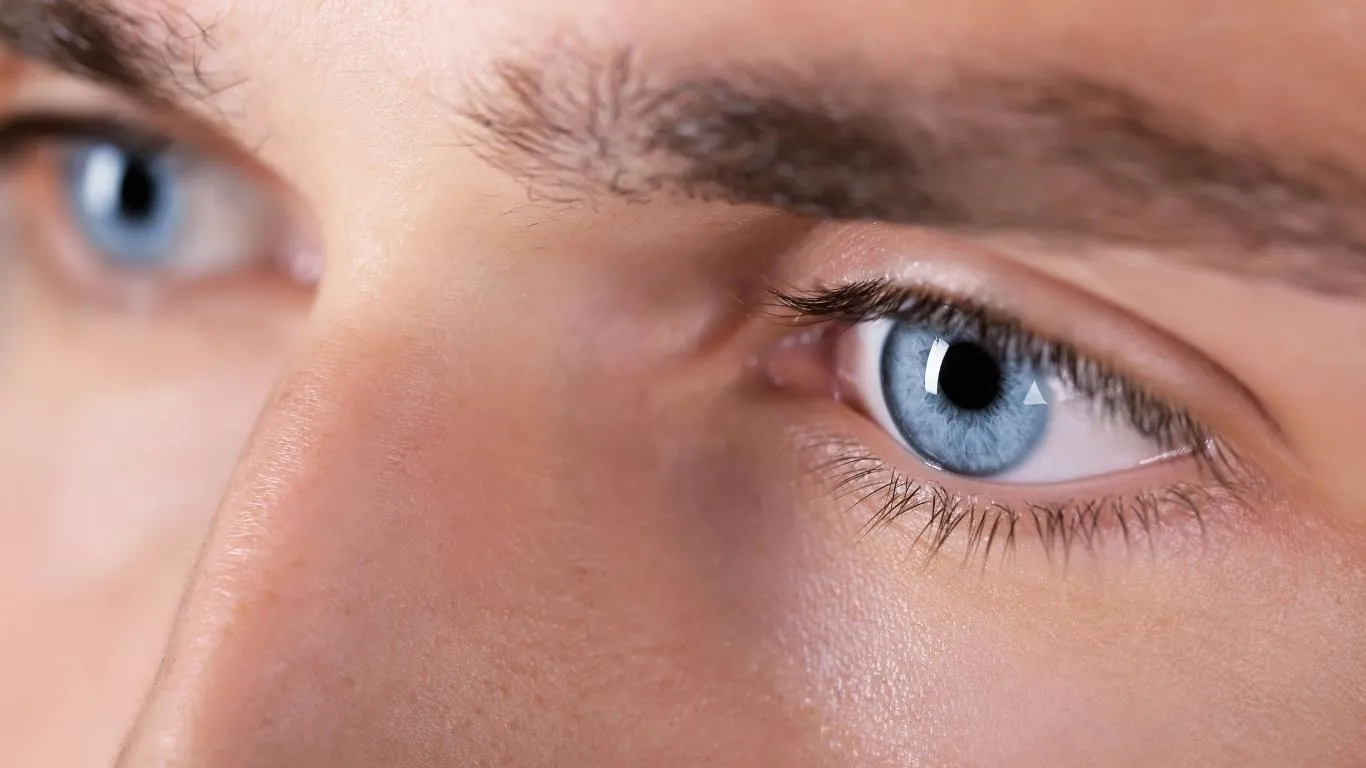
It started during a long week of editing photos on a bright screen—those annoying specks that floated across my vision like lazy jellyfish. At first, I thought it was just dust on my glasses. But they didn’t go away. Especially when I looked from side to side, they danced along, as if glued to my eye orbit’s movement. If you’ve ever caught yourself shifting your eyes only to see those floaters move in sync, you’re not imagining it. And you’re definitely not alone.
Why Do Some Floaters Follow Eye Orbit Movement?
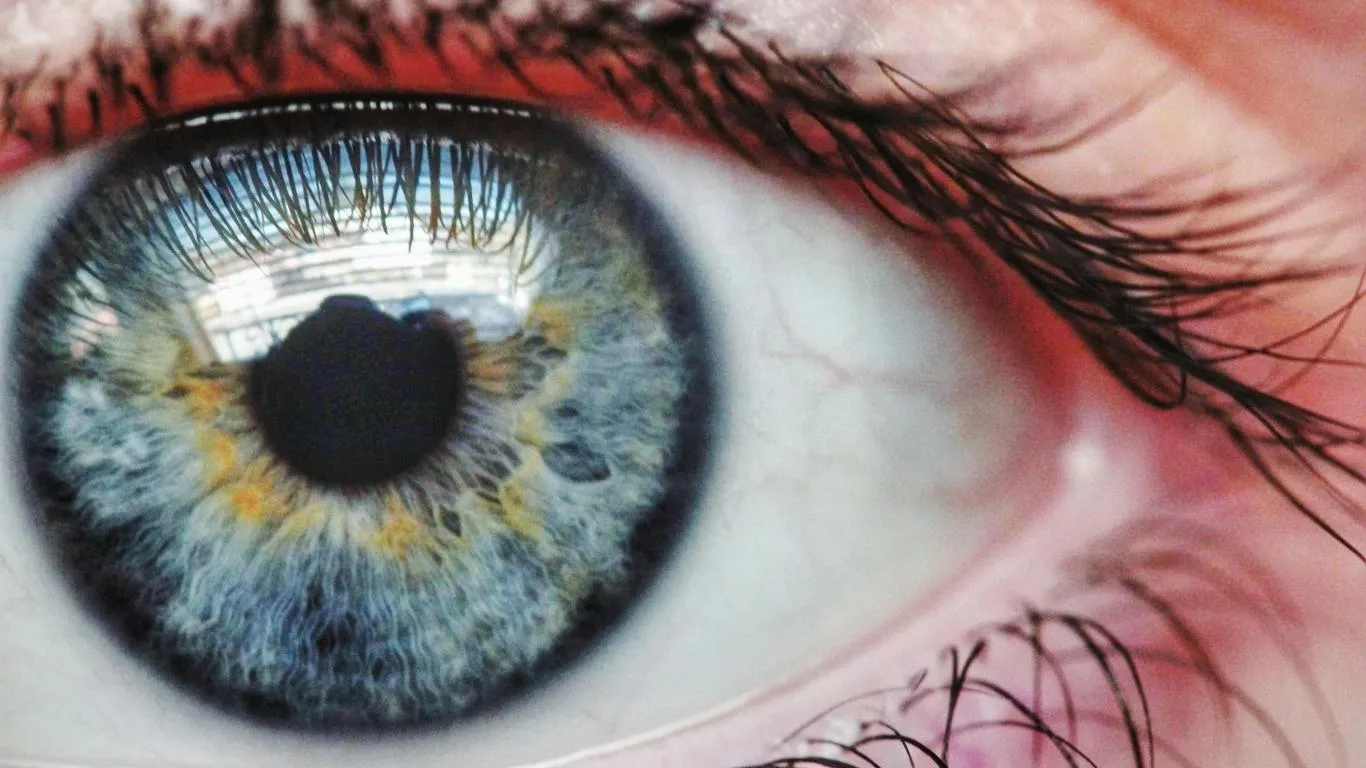
Most people who’ve experienced floaters describe them as specks, cobwebs, or translucent threads that drift through their field of vision. The thing is, they’re not hallucinations—they’re actually tiny collagen fibers or debris suspended in the vitreous, the gel-like substance in your eye. And when they move along with your eye orbit, it’s because they’re physically moving inside the eye’s internal structure.
The Orbit Connection: Movement and Momentum
Your eye doesn’t just float in the skull; it’s supported by muscles and surrounded by fatty tissue in a structure known as the orbital cavity. When you look left, right, or around quickly, the vitreous doesn’t always keep up in perfect sync. That slight lag causes the debris inside to sway, creating the illusion that floaters follow your gaze or your eye’s orbit. It’s not a trick of the light—it’s simple momentum.
Want a deeper look at how posterior vitreous detachment can influence this effect? That article dives into the underlying causes that make floaters so responsive to orbital motion.
When Should You Worry About Eye Floaters That Track Your Eye Movement?
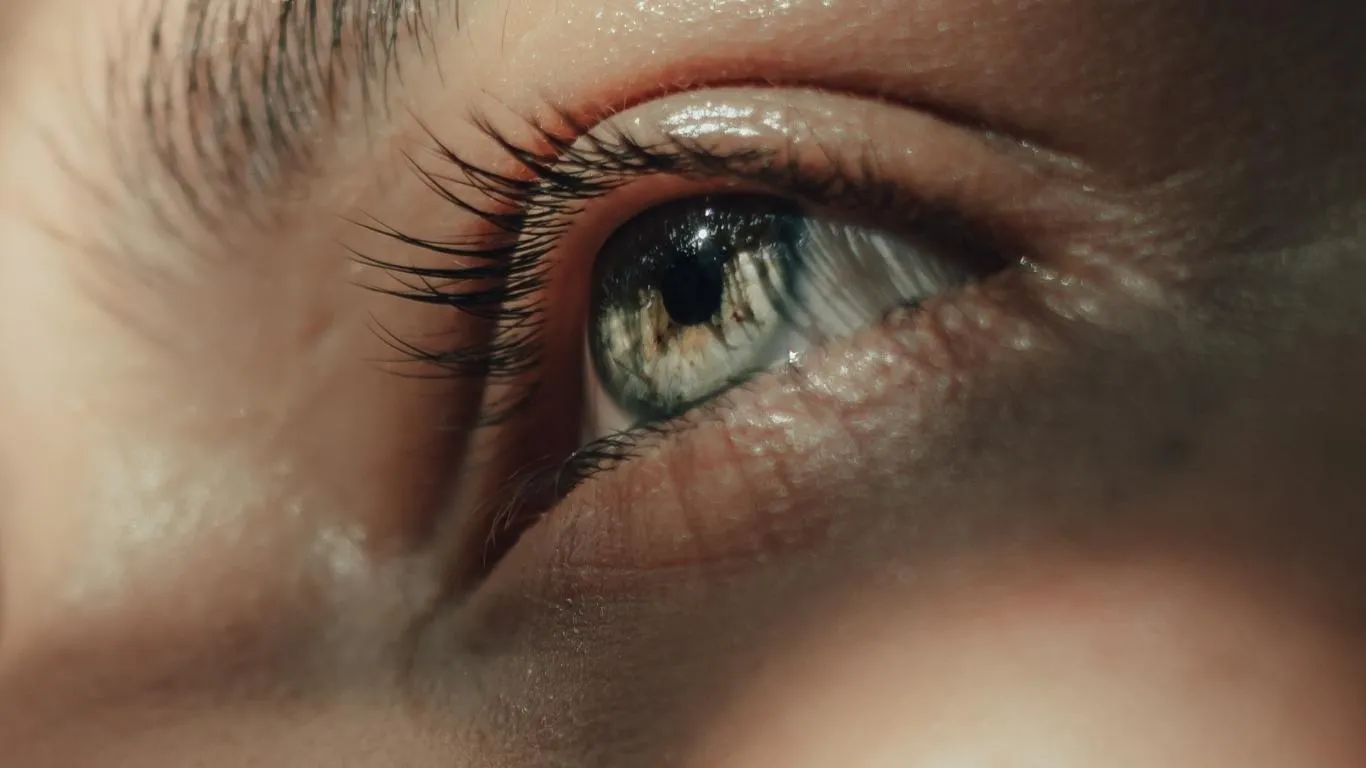
Not every floater is cause for panic, but some may be your eye’s way of flagging a deeper issue. If you notice a sudden shower of floaters that intensify with each eye movement, it’s worth seeking help. Floaters that move precisely with your eye orbit might point to:
- Vitreous Syneresis – Age-related liquefaction of the vitreous gel
- Retinal tear or detachment – Often accompanied by flashes of light
- Traumatic injury – Especially after head or eye impact
Floaters that seem faster than your eye movement—or appear and vanish too quickly—might indicate that the gel is pulling at the retina. According to the American Academy of Ophthalmology, a retinal tear can lead to permanent vision loss if not addressed promptly. So, if your floaters feel like they’re chasing your gaze and dragging flashes with them, that’s a red flag.
Can These Floaters Be Linked to Specific Eye Conditions?
Definitely. Floaters that follow eye orbit movement may be a symptom of several eye disorders. One lesser-known but increasingly recognized cause is vitreous degeneration—common with age but also in people with high myopia (guilty as charged).
Another less talked-about culprit? Inflammation or infection inside the eye, like uveitis. The inflammation can lead to cellular debris in the vitreous, which shifts and moves in tandem with eye movement. If you’ve been dealing with immune-related conditions or even something as overlooked as sinus pressure, check out this deep dive: eye floaters and sinus infections.
My Floaters Got Worse After LASIK
Yep, I had LASIK five years ago. While my distance vision was corrected, I swear the floaters seemed bolder after surgery. Turns out, this isn’t just in my head. Floaters that react to eye motion are common post-refractive surgery. The vitreous may shift more easily due to micro-changes in eye pressure or shape. Explore this further here: why floaters after LASIK can be so frustrating.
Tips to Reduce the Annoyance of Orbit-Tracking Floaters

While you can’t completely eliminate floaters naturally, there are a few strategies that have helped me minimize their impact, especially when working on screens or reading white documents:
- Improve lighting – Floaters are most visible in bright environments. Use indirect lighting to reduce contrast.
- Stay hydrated – Believe it or not, dehydration can worsen floaters. I keep a water bottle next to my monitor now.
- Try focus shifting – Look near and far every 10–15 minutes. This helps redistribute floaters and reduce awareness of them.
- Eye nutrition – Lutein, Omega-3s, and Vitamin C support eye health. Here’s a quick guide on foods rich in lutein.
Some folks also try eye exercises. I’m skeptical but willing to give it a shot. If you’re curious, the article on eye exercises for floaters is surprisingly practical.
Want to Understand the Bigger Picture?
Floaters that track your eye orbit movement are just one piece of the broader story. If you want a complete view of floaters—their causes, symptoms, and treatment options—make sure to read this comprehensive main article on eye floaters.
For a more condition-specific guide, especially if your floaters come with flashes or sudden onset, check out when eye floaters signal something serious. It’s one of the most detailed resources on warning signs you shouldn’t ignore.
What Causes Floaters to Become More Noticeable During Eye Orbit Movements?
Something I noticed early on was how much worse floaters seemed when I was reading against a white background or staring out at a sunny sky. Why? The answer lies in how the vitreous reacts to movement and light. As your eyes move within their orbital range, especially rapidly, the gel inside them shifts—sometimes sluggishly—and this causes shadows to be cast on the retina. Bright backgrounds only amplify that contrast, making those orbit-trailing floaters practically impossible to ignore.
It’s also common in people with high myopia, where the eye is slightly elongated, causing the vitreous to be under more tension. That tension increases the likelihood that floaters will shift more dynamically during orbit-based eye movement.
The Blink and Jerk Reflex
If you’ve ever noticed floaters shift just before or after you blink—or when you suddenly jerk your head—those micro-movements trigger a fluid dynamic response in the vitreous. You might even get an increase in swirls or waves in your vision. And it’s not just an annoyance—it’s worth understanding how movement-induced eye pressure may cause floaters to appear more erratic, especially in people with borderline eye pressure issues.
Treatment Options: What Can You Realistically Do About Orbit-Following Floaters?
Let’s get honest for a moment—there is no miracle drop or supplement that makes these floaters vanish overnight. But there are ways to manage, minimize, and in some cases, remove them effectively. Here’s a breakdown of your options:
- Observation: Most eye doctors recommend simply monitoring the floaters unless they change rapidly. You’ll be surprised how your brain adapts to filter them out over time.
- Vitreolysis: This is a laser treatment where floaters are broken down into less noticeable fragments. Some patients report success, but it depends on floater type and location.
- Vitrectomy: Reserved for severe cases, this surgical procedure removes the vitreous gel entirely and replaces it with saline. It’s invasive and has risks, so it’s not a first-line option unless your floaters are truly vision-impairing.
I personally considered laser treatment after weeks of orbit-driven floaters post-surgery. But after a second opinion and time, the intensity faded. If you’re facing the same dilemma, you may want to check out this guide to eye floater treatment options.
Daily Habits That Make a Difference

Whether you’re battling floaters that follow eye orbit movement or just the occasional speck, your habits matter. I’ve personally noticed a clear improvement with a few tweaks:
- Blue-light filtering glasses: These help during screen-heavy work, making floaters less obvious and reducing strain.
- Eye-friendly supplements: I started incorporating Omega-3s and Lutein more consistently. This supplement list for floaters is a great place to start.
- Regular hydration + clean diet: Sugar spikes and caffeine can increase eye pressure and irritate floaters. Staying steady and balanced helps.
- Break up screen time: Use the 20-20-20 rule: Every 20 minutes, look 20 feet away for 20 seconds. This has helped reduce how often I notice floaters during orbit movement.
Try This: Visual Tracking Exercise
This one came recommended by an ophthalmologist friend. Sit in a well-lit room, track an object moving in a circle (like a fan or your finger), and consciously blink slowly every few seconds. Doing this daily for a week actually reduced how often I noticed my floaters during lateral eye movement. It might not work for everyone—but it costs nothing to try.
Is There a Link Between Eye Health and Floaters That Move With Eye Orbit?
One thing that doesn’t get enough attention: floaters may be an early warning sign of broader systemic issues. Conditions like high blood pressure, autoimmune disorders, and diabetes can affect the vitreous more than we think. I recently came across this article that hit close to home: floaters before a retinal tear.
As we age, the gel in our eye liquefies. But factors like inflammation, oxidative stress, or nutrient deficiencies can speed this up. If you’ve been dealing with thyroid issues, hormone shifts, or even extended screen exposure, floaters that orbit with your gaze could be a subtle nudge from your body to check in on your overall health.
What Your Eye Doctor Might Miss
Honestly? Some eye specialists dismiss floaters too quickly. If you’re feeling brushed off, consider getting a second opinion—especially from a retina specialist. Floaters that consistently follow orbital movement can sometimes signal retinal asymmetry or unilateral vitreous issues, which deserve closer examination.
When to See a Professional—Without Delay
Here’s when you need to stop Googling and start calling your optometrist:
- Sudden onset of floaters following an eye or head injury
- Floaters combined with flashes of light or loss of peripheral vision
- Floaters in only one eye that worsen with movement
- Accompanying pain, pressure, or nausea
There’s a fine line between annoyance and emergency. Trust your gut—if something feels off, get it checked out.
Final Thought: You’re Not Imagining It

Living with floaters that follow your eye’s orbital movement isn’t easy, especially when no one around you seems to get how distracting it can be. But it’s real. It has a cause. And thankfully, it has options. You don’t have to accept it as your new normal without exploring what’s behind it—and what might help.
For a deeper understanding of floaters, including types, triggers, and all possible treatments, don’t miss the main floaters guide here.
And if your floaters are accompanied by flashes, increased size, or any unusual patterns, this article is a must-read: When Are Eye Floaters Dangerous?

Camellia Wulansari is a dedicated Medical Assistant at a local clinic and a passionate health writer at Healthusias.com. With years of hands-on experience in patient care and a deep interest in preventive medicine, she bridges the gap between clinical knowledge and accessible health information. Camellia specializes in writing about digestive health, chronic conditions like GERD and hypertension, respiratory issues, and autoimmune diseases, aiming to empower readers with practical, easy-to-understand insights. When she’s not assisting patients or writing, you’ll find her enjoying quiet mornings with coffee and a medical journal in hand—or jamming to her favorite metal band, Lamb of God.