Why Floaters That Form Only In Certain Temperatures Shouldn’t Be Ignored
I never thought something as simple as the weather could mess with my eyesight—until one chilly winter morning when I noticed strange little squiggles dancing in my vision. I figured it was just tiredness or dry eyes, but the same thing happened again during a humid heatwave. That’s when I started digging, and it turns out—yes, temperature changes can influence how and when you see eye floaters. Let’s unpack this weird but real experience.
Can Temperature Actually Trigger Eye Floaters?
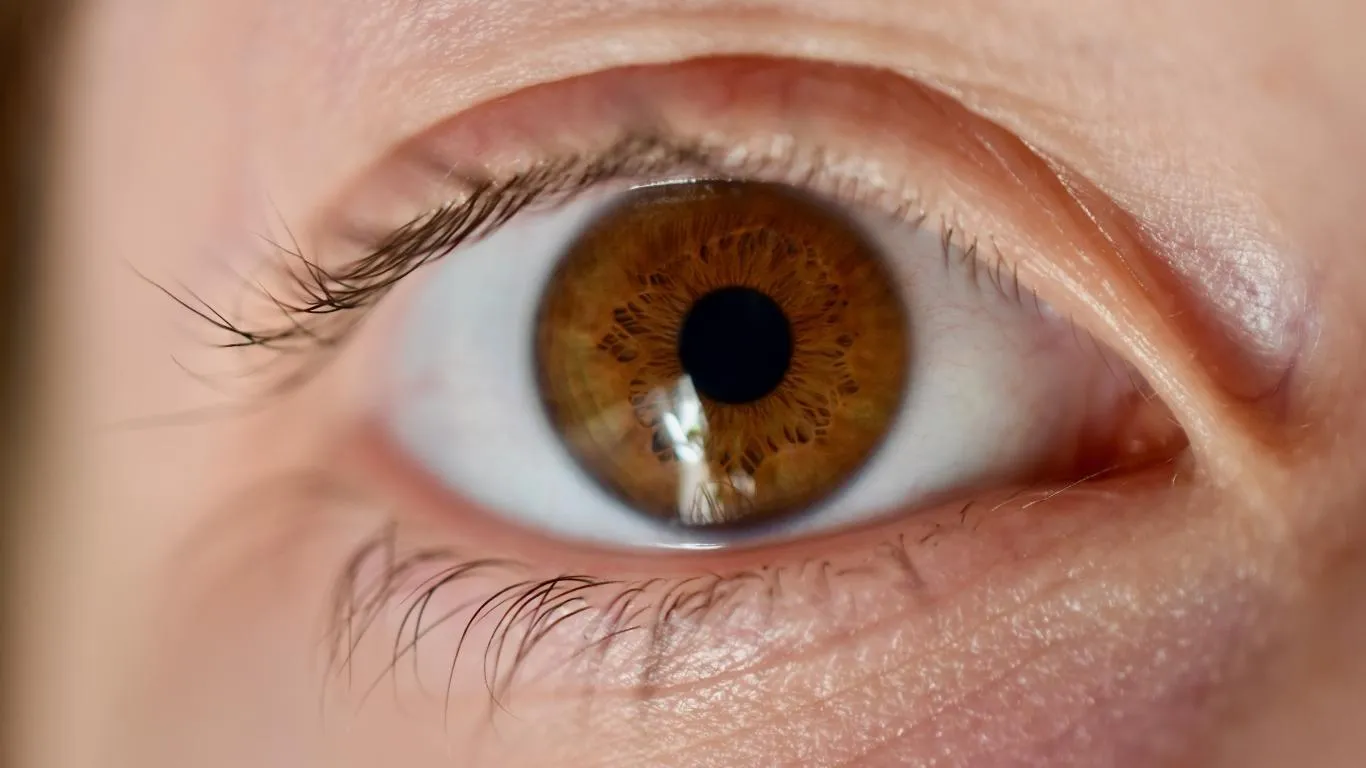
While it sounds like something out of a sci-fi blog post, more and more people are noticing floaters that seem to come and go depending on the temperature around them. Some report seeing floaters only when it’s cold, while others experience an uptick during extreme heat.
Now, these aren’t your average aging-related floaters. What makes this phenomenon unique is how environmental temperature seems to intensify or even trigger them. So what’s really going on here?
Vitreous Fluid: The Temperature-Sensitive Gel
Inside your eye, there’s a jelly-like substance called the vitreous. When we’re born, this gel is thick and well-structured. But as we age or when conditions shift, the vitreous can become more liquefied—something called vitreous syneresis.
What surprised me is how temperature fluctuations can actually affect this process. According to experts from ncbi.nlm.nih.gov, even mild thermal shifts can change the density and behavior of vitreous collagen fibers.
- Cold weather may cause temporary stiffening, making floaters more visually prominent.
- Hot, humid conditions could trigger faster liquefaction, releasing more floating debris.
Why You Might Only Notice Floaters in Specific Conditions
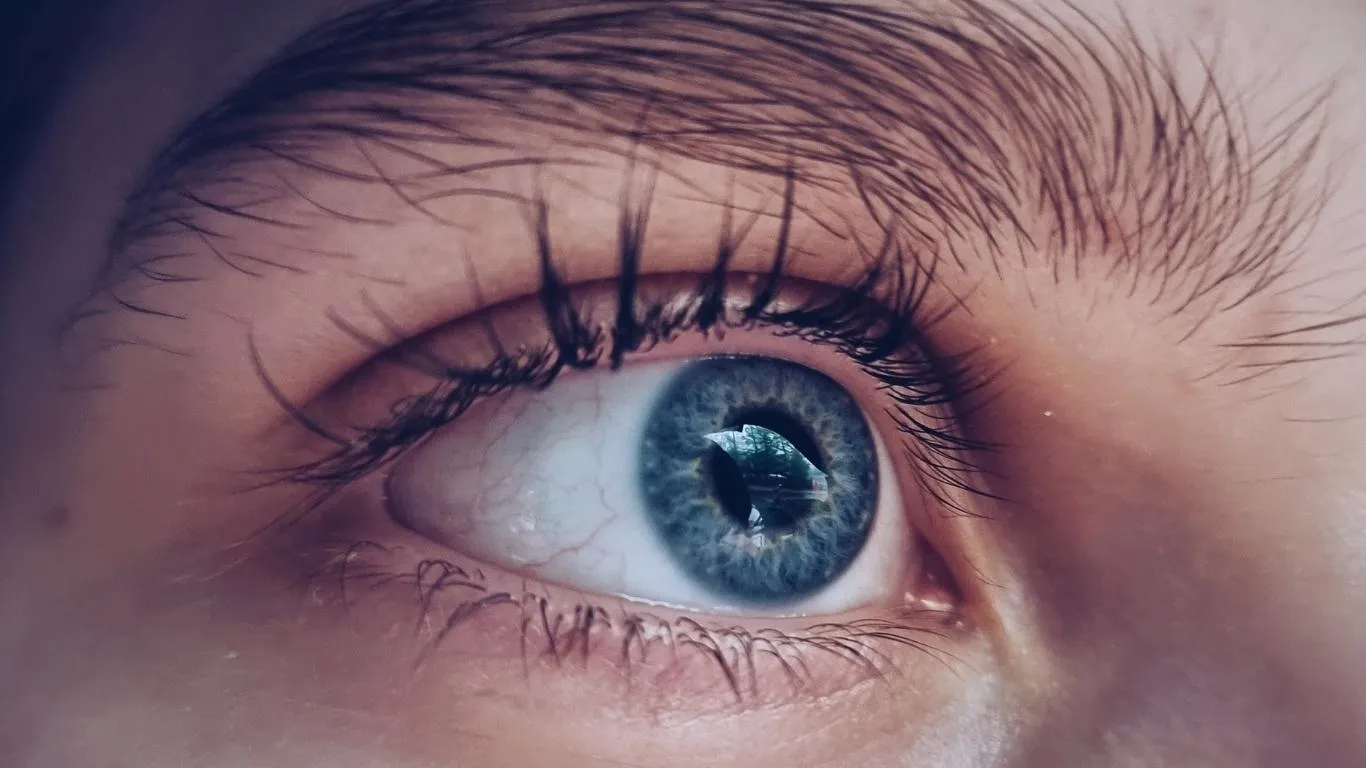
Sometimes it’s not that floaters are appearing out of nowhere—they’re just more noticeable. Bright sunlight on snow? Floaters become more defined against that stark white. Same with sitting by the window on a hot summer day. That’s not just anecdotal; it’s rooted in the way light behaves inside the eye.
In my case, floaters seemed to “hide” when I was indoors under softer lighting but suddenly became obnoxiously visible the moment I stepped into sunlight or an overly bright office space.
Scientific Backing for a Strange Sensation
Interestingly, a growing number of ophthalmology forums report individuals seeing floaters more intensely during certain weather conditions. It’s not yet fully established in mainstream clinical literature, but patterns do emerge:
- Dry, cold air leading to eye dehydration and increased floater contrast
- Warm environments causing increased pupil dilation and more light diffusion
And if you’ve ever had floaters appear after focusing intensely, this adds another layer—focus and fatigue can exaggerate the effects of temperature-driven vision changes.
Not All Floaters Behave the Same
One of the weirdest things I’ve experienced is how floaters in my left eye seem to be more affected by cold mornings, while the right stays mostly unchanged. Turns out, that’s not as strange as it sounds. The floaters themselves vary by:
- Location: Near the macula vs. in the periphery
- Type: Fibrous strands, cobwebs, specks, or transparent bubbles
- Movement: Whether they lag behind your gaze or shift rapidly
According to a post I read on aao.org, different floater types may respond differently to environmental triggers, including temperature. So, if your floaters only seem to visit you during the winter or on hot yoga days—you’re not imagining things.
When Is It Something More?
That being said, while floaters that form only in certain temperatures can be a benign experience, they can sometimes point to more serious issues. One underrated red flag? When floaters come with pain, flashes, or color distortion.
Check out this detailed guide on retinal tears linked to floaters—just in case your symptoms fall in that category.
I also recommend this overview on when floaters may signal deeper eye problems to keep your bases covered.
What I’ve Learned About Managing Floater Flare-Ups
Living with temperature-sensitive floaters doesn’t mean you’re doomed to constant visual annoyance. I’ve tried a bunch of things—from adjusting lighting to using artificial tears—and some surprisingly simple habits have helped:
- Wearing polarized lenses when outdoors in bright light
- Keeping my eyes hydrated during cold, dry seasons
- Avoiding quick shifts between temperature extremes
Some people swear by supplements too. You might want to read about what actually works for reducing floaters naturally. Just remember, what works for one person might not work for another—and that’s okay.
For an even deeper understanding of how floaters work across different causes and age groups, the main explainer on eye floaters is a great starting point. You might also appreciate the in-depth look at common floater causes if you’re still exploring possibilities.
Is There a Science-Backed Way to Reduce Temperature-Triggered Floaters?
I used to think floaters were just something you live with—no cure, no fix, just float. But when mine got worse in hot, sticky weather, I started asking more questions. Is there actually a proven method to reduce floaters that flare up only under specific temperatures?
Turns out, yes and no. There’s no magic cure, but several approaches rooted in eye health science can help manage or even minimize those annoying specks—especially if they’re influenced by your environment.
1. Address the Core: Vitreous Health
Your floaters are born in the vitreous gel of the eye, so taking care of this part should be your first stop. Dehydration and oxidative stress can speed up the breakdown of this gel—both of which are more likely in hot or dry environments.
Eye specialists often recommend collagen-targeted supplements and antioxidants like lutein, zeaxanthin, and vitamin C. These nutrients may help preserve the vitreous structure and reduce new floater formation over time.
2. Temperature-Proof Your Vision Routine
- Humidifier in cold, dry months – this one helped me big time during winter. It eased eye dryness and lowered floater visibility.
- UV-protective eyewear – especially useful during summer months when light refraction increases floater contrast.
- Hydration and screen breaks – simple, but powerful. Warm temperatures + screen time = double trouble for the eyes.
And if you’ve ever asked yourself whether floaters feel worse after screen use or extended indoor heating or AC exposure, you’re not alone. Check out this useful article on how floaters behave in specific light and sensory conditions.
What Your Eye Doctor Probably Won’t Tell You
When I brought up “temperature-related floaters” to my ophthalmologist, they raised an eyebrow—but didn’t dismiss it. Turns out, while it’s not yet mainstream, several eye care pros are starting to see a pattern. It’s not that the temperature causes floaters. It simply affects how the floaters behave or how visible they become.
Doctors might offer standard options like:
- Just observe (yep, the classic “watch and wait”)
- Laser vitreolysis (only for specific, well-placed floaters)
- Vitrectomy (reserved for extreme, vision-disrupting floaters)
But for milder, climate-influenced floaters? Lifestyle adjustments might honestly be your best defense. And here’s where I wish more specialists would lean into patient anecdotes—because patterns do matter. I mean, enough of us are noticing floaters spike during seasonal shifts that it’s worth looking into, right?
When It’s Time to Worry (and What to Watch For)
There’s one thing I always tell friends who start seeing floaters: trust your gut. If something feels off—like sudden flashing lights, peripheral vision loss, or a curtain-like shadow—you need to call your eye doctor ASAP. It might not be seasonal or harmless. It could be a retinal detachment or tear.
This article on retinal warning signs gives a solid breakdown of when it’s more than just floaters acting up.
Also worth reading is this detailed write-up on how to distinguish floaters from other eye issues. Sometimes it’s not floaters at all—just symptoms masquerading as them.
Do Hormones and Circulation Play a Role Too?
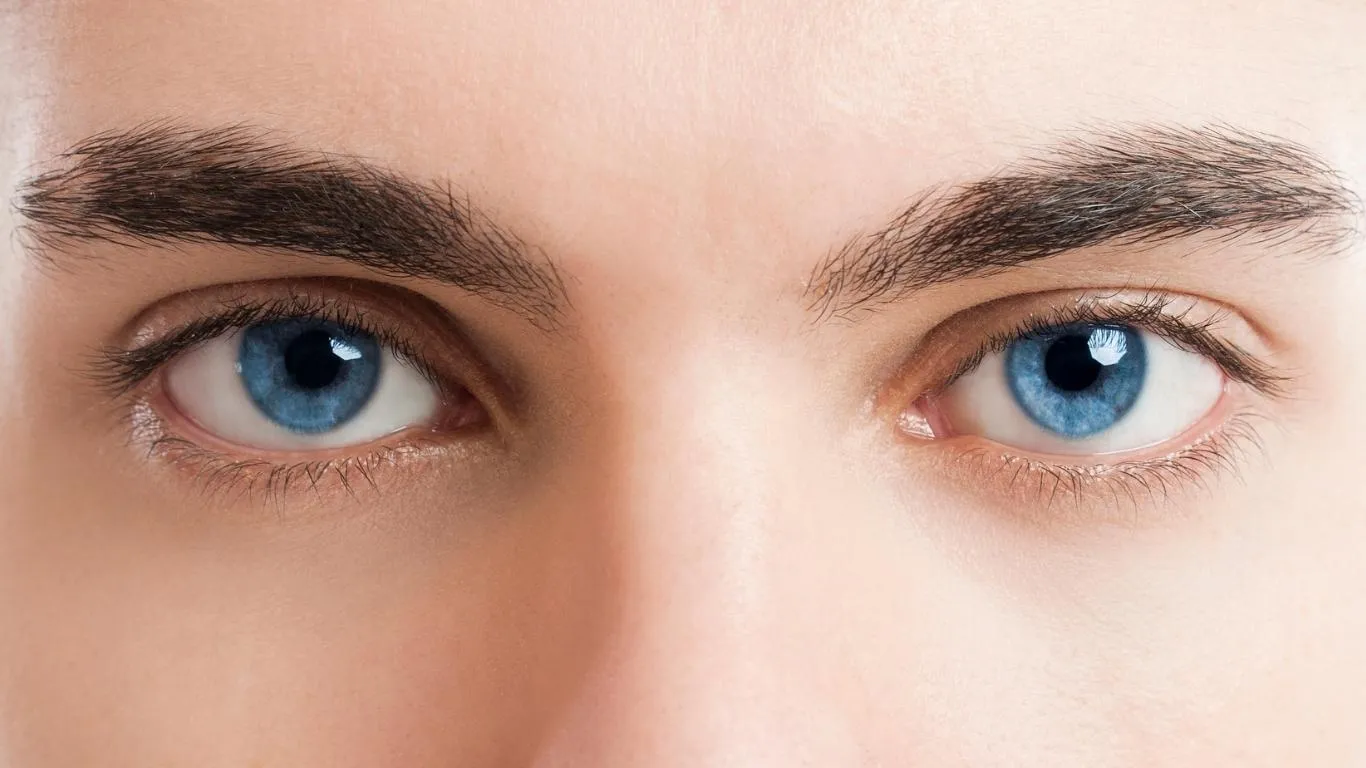
I was surprised to learn how much things like hormones, stress, and circulation can amplify temperature-related floater issues. If you’re someone who gets floaters more often during your cycle, after intense workouts, or following long flights, temperature might not be the only culprit.
Check out this breakdown on hormonal floaters—I wish I’d read it sooner. Also, this resource on blood sugar and floaters dives into how internal temperature and circulation changes could make floaters pop out of nowhere.
Making Peace with Floaters (At Least the Ones That Come and Go)
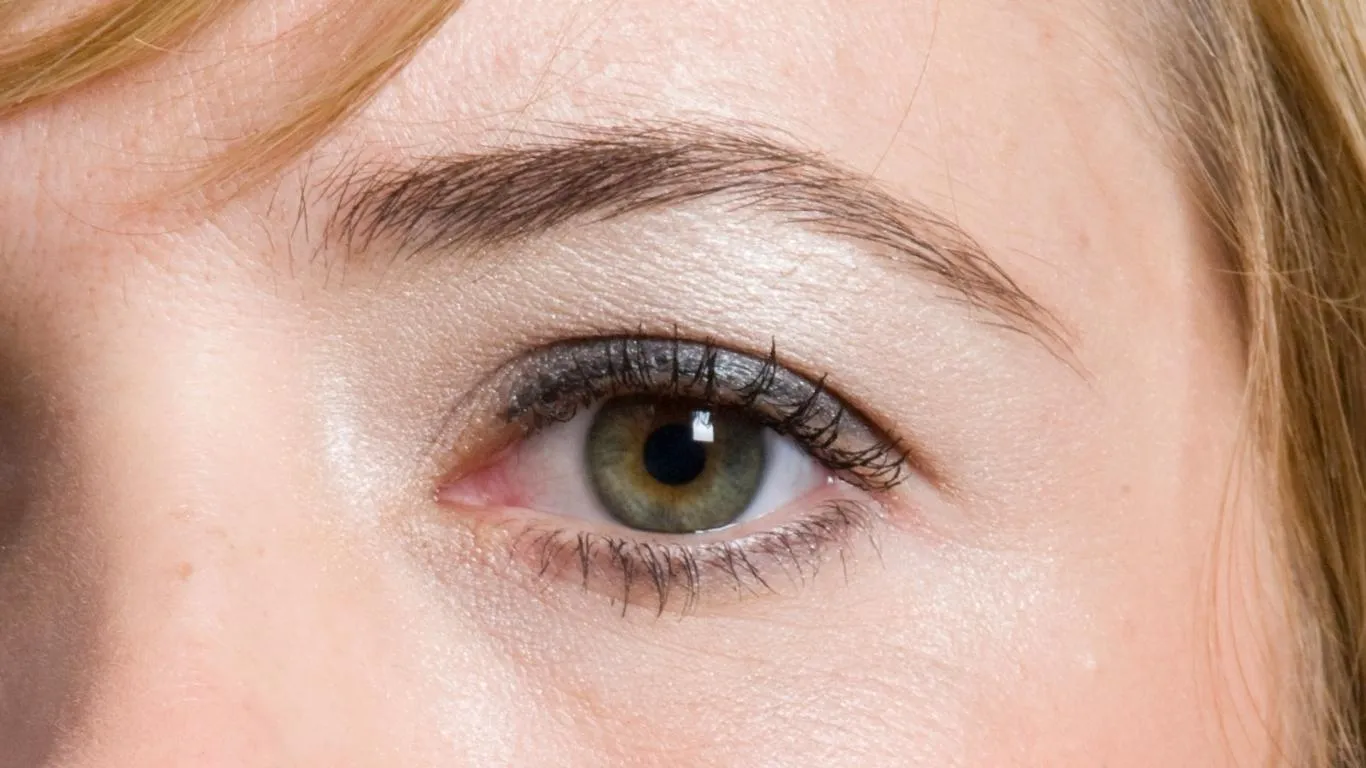
I won’t lie—some days are annoying. But once I figured out my floaters followed a seasonal rhythm, I started seeing patterns. Now I prep my eyes for winter the same way I prep my skin. I hydrate. I use protective glasses. I tweak my screen brightness depending on outdoor light. And honestly? It helps.
If your floaters seem to align with shifts in weather or climate, you’re not imagining things. And you’re definitely not alone. Keep observing, document your triggers, and if needed—bring the data to your next eye exam.
For an even more in-depth guide to treatments ranging from lifestyle hacks to clinical procedures, bookmark this comprehensive treatment breakdown.
And for a refresher on what eye floaters really are, including how they form and why they affect different people in different ways, this core guide is still the most useful one I’ve come across: What Are Eye Floaters?

Camellia Wulansari is a dedicated Medical Assistant at a local clinic and a passionate health writer at Healthusias.com. With years of hands-on experience in patient care and a deep interest in preventive medicine, she bridges the gap between clinical knowledge and accessible health information. Camellia specializes in writing about digestive health, chronic conditions like GERD and hypertension, respiratory issues, and autoimmune diseases, aiming to empower readers with practical, easy-to-understand insights. When she’s not assisting patients or writing, you’ll find her enjoying quiet mornings with coffee and a medical journal in hand—or jamming to her favorite metal band, Lamb of God.