Why Floaters That Look Like Circles Might Be a Vision Warning
If you’ve ever noticed strange floaters that look like circles drifting across your vision, you’re definitely not alone. It happened to me one afternoon while scrolling on my phone under bright sunlight—suddenly, this translucent, almost perfectly round shadow just floated into my field of view. I blinked. It didn’t go away. I looked around. Still there. That was the start of my deep dive into the mysterious world of circular eye floaters, and trust me—there’s a lot more to them than you’d think.
What Are Circular Floaters in Your Vision?
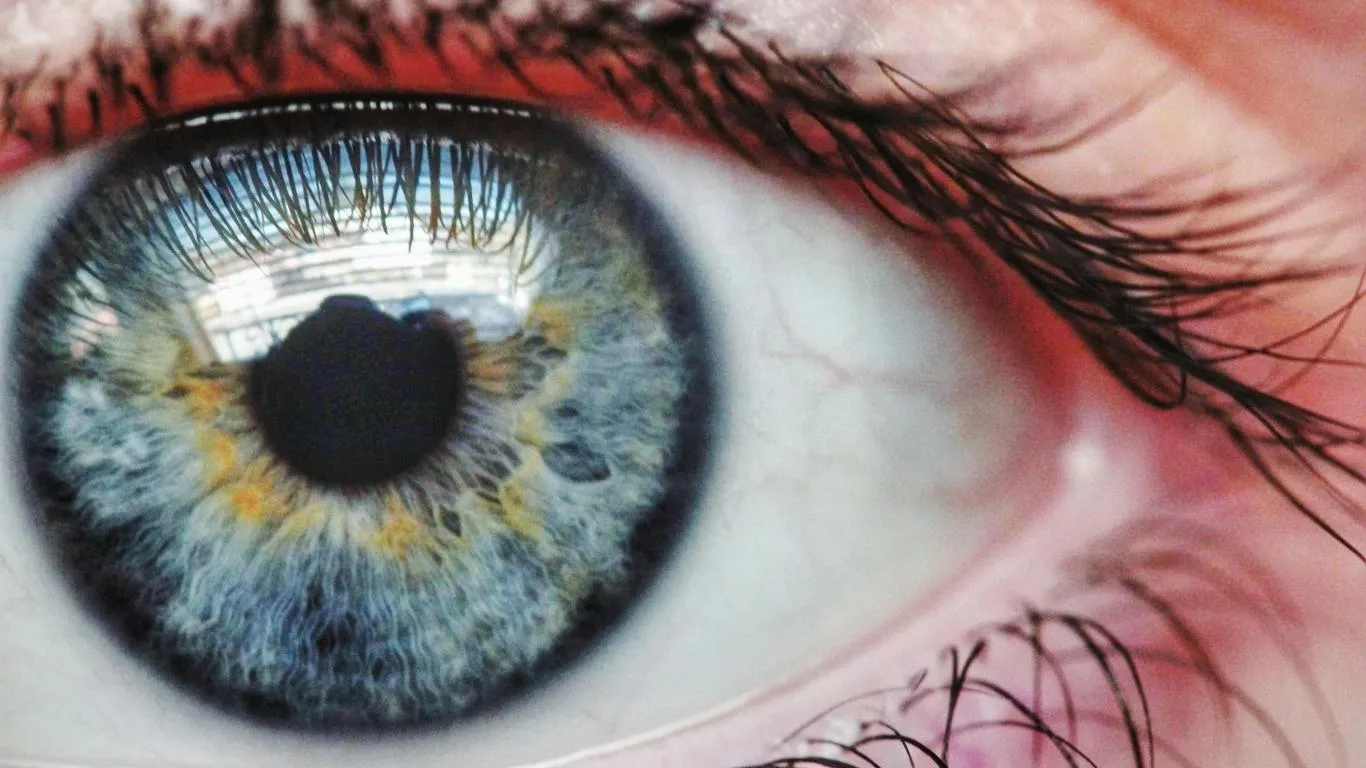
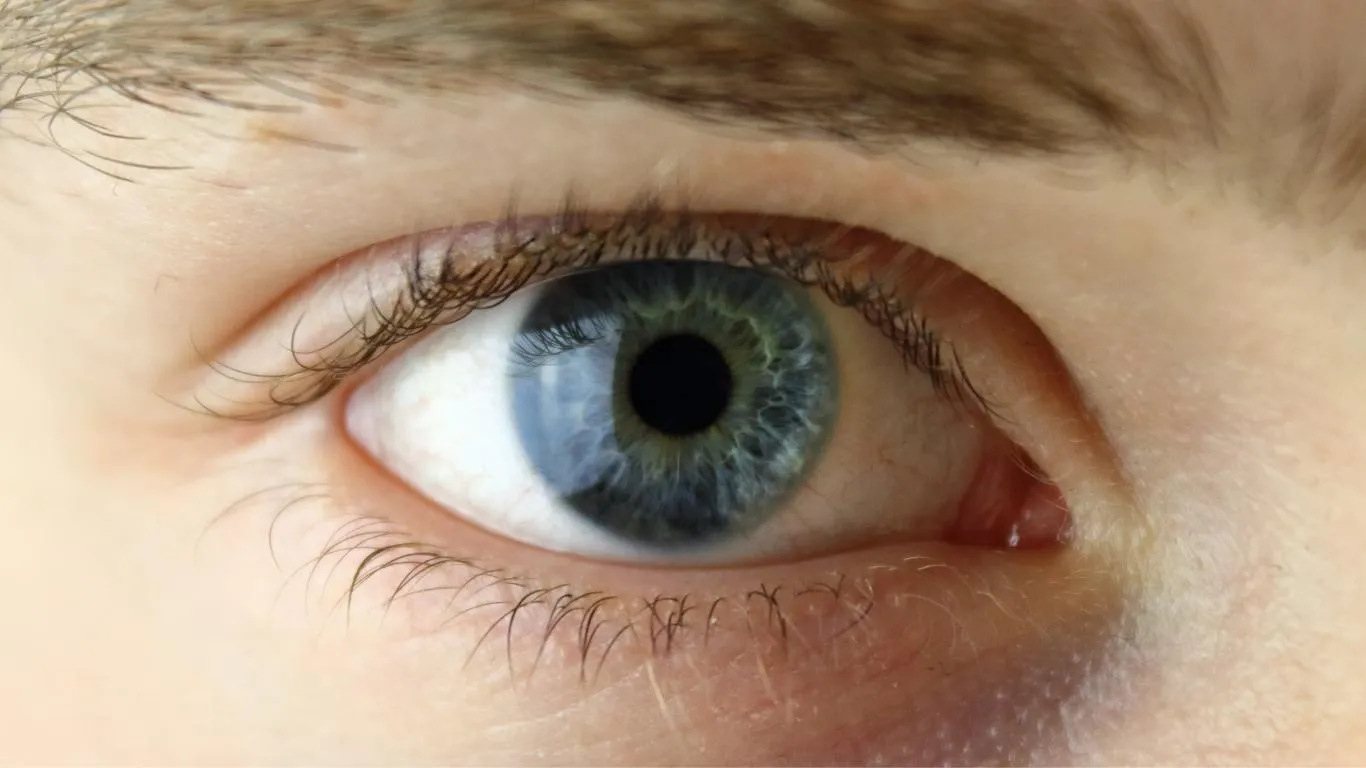
Floaters come in all shapes and sizes—dots, squiggles, cobwebs, and yes, even circles. These circular floaters can appear as complete or partial rings, often transparent with slightly darker edges. Sometimes they spin, shift with eye movement, or hover when you’re staring at a light background like the sky or your phone screen.
While floaters in general are caused by clumps of collagen or cells in the vitreous gel inside your eye, circle-shaped floaters can sometimes indicate a more specific cause like posterior vitreous detachment (PVD) or even early signs of retinal damage. I’ll be honest—I initially thought it was just eye strain, but after reading this deep dive on PVD, I started paying closer attention.
Are Circular Floaters Normal or a Sign of Trouble?
Here’s where it gets tricky. Some floaters are perfectly harmless and fade over time. Others—not so much. In my case, I noticed mine got worse after a long week of poor sleep and extra caffeine. According to this article on sleep and floaters, both can intensify how noticeable they are. And if they show up suddenly with flashes of light or peripheral vision loss, that’s a red flag.
When circular floaters appear rapidly or come with other symptoms, it might indicate:
- Posterior vitreous detachment (PVD) – when the vitreous pulls away from the retina
- Retinal tear or detachment – especially if the floater is dark and ring-shaped
- Eye trauma or inflammation – like uveitis, which can cause unusual floater patterns
I highly recommend reading this piece on retinal tears—it’s eye-opening, no pun intended.
Common Causes of Circle-Shaped Floaters
1. Natural Aging Process
As we get older, the vitreous inside our eye naturally shrinks and becomes more liquified. This can lead to circular floaters forming from the detached tissue. According to the American Academy of Ophthalmology, most people over 50 will experience some form of floaters. And yes, I’m in that club too.
2. Vitreous Syneresis
This is the scientific name for the gel-like vitreous breaking down into a more liquid state. During this change, bits of collagen clump together and may take on circular forms. This isn’t necessarily dangerous—but it’s worth watching. You can check out this helpful overview on vitreous syneresis and floaters.
3. Inflammation and Eye Infections
Ever had conjunctivitis or a bad case of uveitis? Both can lead to floaters that look like circles, due to the accumulation of inflammatory cells. I once dealt with floaters post-viral eye infection, and it wasn’t pretty. Here’s a detailed breakdown on how post-infection floaters work.
4. Trauma and Surgery
Blunt force trauma, LASIK, or even cataract surgery can alter the shape of your vitreous and create ring-shaped floaters. If you’ve gone through a procedure recently and started noticing these, this guide on post-cataract floaters might be exactly what you need.
Why You See Circular Floaters More in Certain Light
Ever notice that these floaters become way more obvious when you’re looking at the sky, computer screens, or anything with a bright background? That’s no coincidence. Bright light makes the floaters cast shadows on your retina, making them more prominent. This resource on bright light sensitivity really helped me understand why my floaters were worse during sunny days or in over-lit offices.
When to See an Eye Doctor
I waited longer than I should have. Don’t be like me. If you suddenly experience a circle-shaped floater that grows, darkens, or comes with light flashes, book an eye exam. Especially if you’re over 40 or have high myopia, the risk of retinal complications increases dramatically. Here’s more on what to expect with floaters in your 40s.
It’s also worth checking out the treatment options article and this comprehensive guide for a better understanding of floaters, especially if they’re affecting your daily life.
Can You Prevent Circle-Shaped Floaters?
While there’s no magical cure to erase floaters, certain lifestyle habits may help reduce their intensity or frequency:
- Stay hydrated and avoid excessive caffeine
- Protect your eyes from UV exposure
- Eat foods rich in lutein and omega-3s
- Use blue-light filters if you work on screens a lot
In fact, I made small tweaks to my diet and screen habits, and I noticed fewer new floaters popping up. You can read more about this in this guide on nutrition and floaters and the differences between floaters and other eye symptoms.
Treatment Options for Floaters That Look Like Circles
If you’re like me, you’ve probably wondered—can I actually get rid of these floaters? When my first circular floater appeared, I spent days researching. I even tried staring at them to “figure them out” (pro tip: don’t). The good news? You do have options—some are medical, and some are natural approaches that can make them less noticeable.
1. Just Wait It Out (Seriously)
Most circular floaters, especially those caused by vitreous detachment or aging, tend to become less noticeable with time. Your brain gets better at ignoring them—a process called neuroadaptation. It took a few months, but I barely notice the first floater I obsessed over. If the floater isn’t causing major disruption, this might be your best bet. Learn more from the article on floaters that disappear naturally.
2. Vitrectomy (For Severe Cases)
This surgical option involves removing the vitreous gel entirely and replacing it with a saline solution. It’s usually only recommended if floaters are severely affecting your quality of life, as there are risks involved—like retinal detachment or cataracts. I personally wouldn’t go this route unless it seriously impacted my vision, but it’s good to know it’s available. Details on this can be found in this floater treatment guide.
3. Laser Vitreolysis
This treatment uses a laser to break up large floaters into smaller, less visible fragments. It’s not available everywhere and only works for certain types of floaters—not all eye specialists recommend it. I was close to trying this but ultimately passed after a second opinion. Still, it’s an interesting middle ground between doing nothing and full surgery.
Natural Remedies & Lifestyle Changes That Actually Help
I’ve tried more natural remedies than I care to admit (eye yoga, herbal drops, acupressure—you name it). While most didn’t give miraculous results, a few made a noticeable difference, especially when combined with healthier routines.
Anti-Inflammatory Diet
Inflammation can increase floater activity. Adding omega-3s, green leafy veggies, turmeric, and cutting back on processed sugar helped me reduce flare-ups. If you’re interested in what to eat, this article outlines a helpful food list.
Hydration and Eye-Friendly Fluids
Dehydration makes my floaters way worse. I now drink at least 2–3 liters of water daily. Herbal teas, especially ones with eyebright and bilberry, are great too. If you’ve been skimping on fluids, read this breakdown: dehydration and floaters.
Supplements That Support Vitreous Health
- Lutein & Zeaxanthin – antioxidants that protect the retina
- Vitamin C – boosts collagen strength in the eye
- Magnesium – relaxes blood vessels and eases eye strain
- Collagen peptides – may improve vitreous structure
Just make sure to talk to your doctor before adding supplements. This list of trusted supplements helped me narrow down what was worth trying.
When Floaters Become a Mental Strain
This is something that doesn’t get talked about enough: the psychological toll. The more I fixated on my floaters, the worse my anxiety got. I even had trouble sleeping because I’d lie in bed watching them move in the dark. If this sounds familiar, you’re not alone. Here’s a piece that explores the mental health side of living with floaters—and trust me, it’s very real.
Things That Helped Me Mentally:
- Limiting screen time (especially before bed)
- Practicing guided meditation to reduce visual stress
- Talking to others with floaters in online communities
Common Triggers That Worsen Circular Floaters
I kept a little floater journal (yes, really) and started to notice patterns. Certain triggers made my circular floaters stand out more or multiply.
The Big Offenders:
- Lack of sleep – I had way more floaters after 4-hour nights
- Caffeine overload – I love coffee, but I had to cut back
- Heavy screen use – especially in low light
- Stress – both physical and emotional
If your floaters flare up after long workdays or emotional episodes, you’re not imagining it. Floaters and stress are linked—this article helped me connect the dots.
Can Circular Floaters Be a Sign of Something More Serious?
Not to scare you—but yes, sometimes floaters that look like circles can point to serious issues. Especially if they appear suddenly or are accompanied by any of the following:
- Flashes of light in your peripheral vision
- Sudden increase in floater quantity
- A dark curtain effect moving across your vision
- Blurred vision or eye pain
If you experience any of these, don’t hesitate. Floaters could be your eye’s way of saying “something’s wrong.” Learn to recognize the signs in this retinal warning guide.
Get Familiar With the Bigger Picture
My journey with floaters that look like circles has been filled with more twists than I expected. At first, I brushed them off, then worried too much, and eventually found a way to live with them—while taking care of my eyes in smarter ways. If you’re seeing those weird circles too, don’t panic. But don’t ignore them either.
For a comprehensive understanding of what causes floaters, how they evolve, and when to act, I highly recommend reading the full guide on what eye floaters really are and the detailed insights on how to tell them apart from other issues. Trust me—it makes all the difference when you actually know what your eyes are trying to tell you.

Camellia Wulansari is a dedicated Medical Assistant at a local clinic and a passionate health writer at Healthusias.com. With years of hands-on experience in patient care and a deep interest in preventive medicine, she bridges the gap between clinical knowledge and accessible health information. Camellia specializes in writing about digestive health, chronic conditions like GERD and hypertension, respiratory issues, and autoimmune diseases, aiming to empower readers with practical, easy-to-understand insights. When she’s not assisting patients or writing, you’ll find her enjoying quiet mornings with coffee and a medical journal in hand—or jamming to her favorite metal band, Lamb of God.